
You can practically set your watch by it: a fresh allegation that noncitizens are getting onto voter rolls, and suddenly the voter ID debate resurfaces with familiar urgency and anger. But the legal questions underneath the rhetoric are older, narrower, and more solvable than the national argument makes them sound.
At the constitutional level, the fight is not really about whether voting matters (it does) or whether fraud is theoretically possible (election law is built around preventing and deterring improper ballots). It is about who has the power to set the rules, what kinds of rules are allowed, and what evidence the government can demand before giving someone a ballot.
Join the Discussion
The basics: states run elections, Congress can override
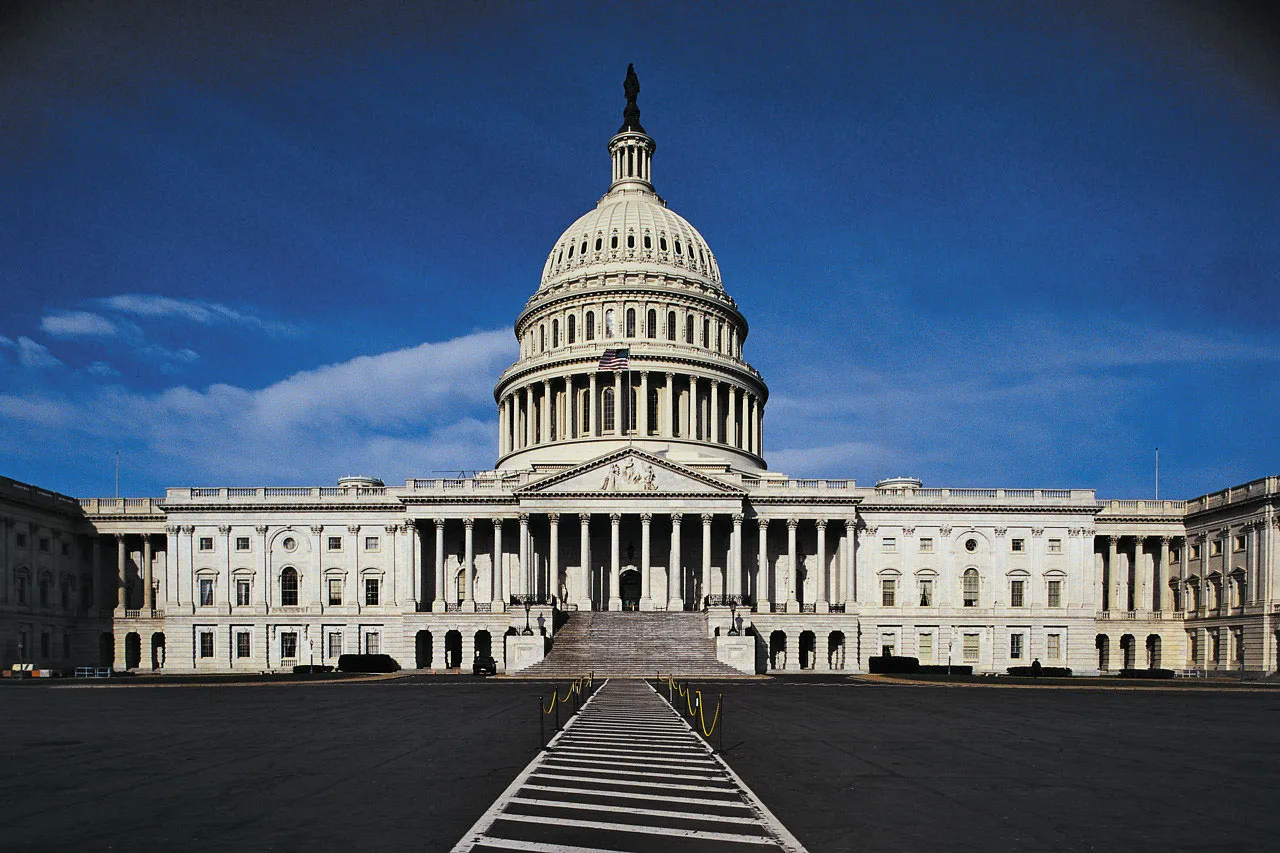
The Constitution splits election authority in a way that surprises a lot of Americans. States do most of the hands-on work. The federal government sets the floor in certain places and can sometimes preempt state rules.
The Elections Clause gives states the default power
For federal elections, the Elections Clause says the “Times, Places and Manner” of holding elections for Congress are prescribed by each state legislature, but Congress may at any time make or alter such regulations. That is the basic framework for everything from registration forms to early voting windows to ID requirements.
Presidential elections are slightly different in text, but the practical structure is similar: states appoint electors “in such Manner as the Legislature thereof may direct,” constrained by other constitutional protections and by federal statutes.
No single “right to vote” clause, but strong modern protections
The Constitution does not contain a single, simple “right to vote” clause. Instead, it contains a set of limits on how governments can restrict voting. Several amendments prohibit certain kinds of discrimination (race, sex, age 18+), and the Fourteenth Amendment’s Equal Protection and Due Process Clauses do a lot of the heavy lifting in modern election litigation. In practice, courts often treat voting as a fundamental right for purposes of assessing burdens and unequal treatment, even though the textual protections are dispersed.
That is why many voter ID cases are argued not as “states cannot regulate voting,” but as “states cannot regulate voting this way, for these reasons, with these effects.”
Is voter ID constitutional?
In broad terms, voter ID requirements can be constitutional. They are not automatically constitutional, and they are not automatically unconstitutional. Courts evaluate them as election regulations that can burden the right to vote, sometimes under constitutional theories and sometimes under statutes.
The key case: Crawford (2008)
In Crawford v. Marion County Election Board, the Supreme Court upheld Indiana’s photo ID law against a facial constitutional challenge. The decision was fractured, with a controlling plurality (Justice Stevens) and a separate concurrence (Justice Scalia) that agreed on the result but framed the analysis differently.
The Court accepted that states have legitimate interests in:
- deterring and detecting voter fraud, including impersonation fraud
- promoting orderly election administration
- maintaining public confidence in election integrity
But Crawford is not a blank check. It turned heavily on the record before the Court and the type of challenge being made. A facial challenge argues that a law is invalid in all or most of its applications. An as-applied challenge focuses on how the law operates for particular voters in concrete circumstances.
How courts weigh burdens and interests
Most election-law challenges are evaluated under what is often called the Anderson-Burdick framework (from Anderson v. Celebrezze and Burdick v. Takushi). The idea is a sliding scale:
- Severe burdens on voting tend to trigger much more demanding judicial scrutiny.
- Reasonable, nondiscriminatory rules are usually upheld if supported by important regulatory interests.
So the constitutional question is not just “ID, yes or no.” It is “ID with what exceptions, what costs, what alternatives, and what real-world effects?” Practical alternatives that often matter in litigation include provisional ballots with a cure process, affidavits signed under penalty of perjury, and free state-issued IDs with workable access.
Noncitizen voting vs. registration
Headlines often blur three separate issues: (1) noncitizen voting, (2) noncitizen registration, and (3) inaccurate voter rolls that include people who are ineligible for reasons unrelated to citizenship.
They are connected, but they are not the same legally.
Noncitizen voting in federal elections is illegal
Federal law prohibits noncitizens from voting in federal elections (see, for example, 18 U.S.C. § 611). States also generally restrict voting to citizens for state elections, and state constitutions and statutes typically define voter qualifications. Some localities have experimented with noncitizen voting in limited local elections, but that does not apply to federal races.
Registration errors do not automatically prove unlawful voting
Election systems have multiple checkpoints. Registration is one checkpoint. Ballot casting is another. Ballot counting and post-election audits can be another.
A claim that noncitizens are on the rolls, standing alone, does not automatically answer the next question everyone jumps to: whether ineligible ballots were actually cast and counted. Those are empirically and legally separate questions, and courts tend to demand proof tailored to the claim being made.
How eligibility is verified
States verify voter eligibility through a mix of documentation, database matching, and sworn statements under penalty of perjury. The details vary by state, but the legal constraints tend to repeat.
Common safeguards at registration
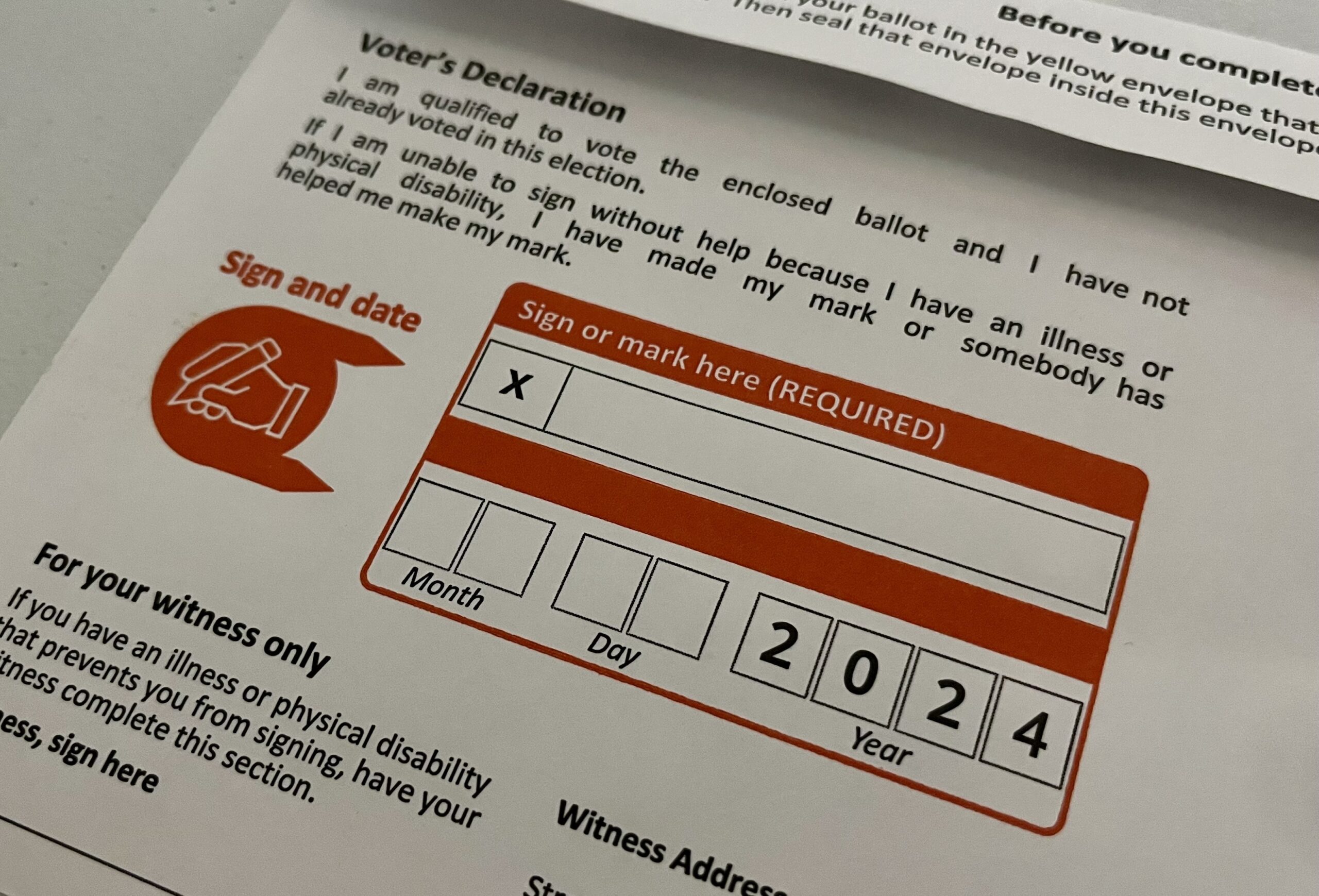
Even systems that do not require documentary proof of citizenship at registration typically rely on a signed citizenship attestation under penalty of perjury, plus database checks where available. That is why many disputes are less about whether there is any verification at all and more about whether states may demand additional documents, and for which elections.
What states commonly use
- Driver’s license or state ID databases to confirm identity and residency information.
- Social Security number matching, often using the last four digits.
- Citizenship attestation on the registration form, signed under penalty of perjury.
- List maintenance procedures that attempt to remove ineligible registrations (death records, felony status where applicable, moves out of jurisdiction), subject to federal rules.
The NVRA and list maintenance limits
The National Voter Registration Act of 1993 (NVRA) is the statute that often sits in the background of these disputes. It was designed to make registration more accessible, but it also sets rules for how states maintain accurate rolls.
One flashpoint is timing. The NVRA generally restricts systematic removals within 90 days of a federal election (with exceptions), which means last-minute cleanup programs can collide with federal law even when the goal is roll accuracy.
Proof of citizenship and federal preemption
There is a difference between asking for proof of identity at the polls and asking for proof of citizenship at registration. Proof-of-citizenship requirements are where many lawsuits concentrate, especially for federal elections that use the federal registration form.
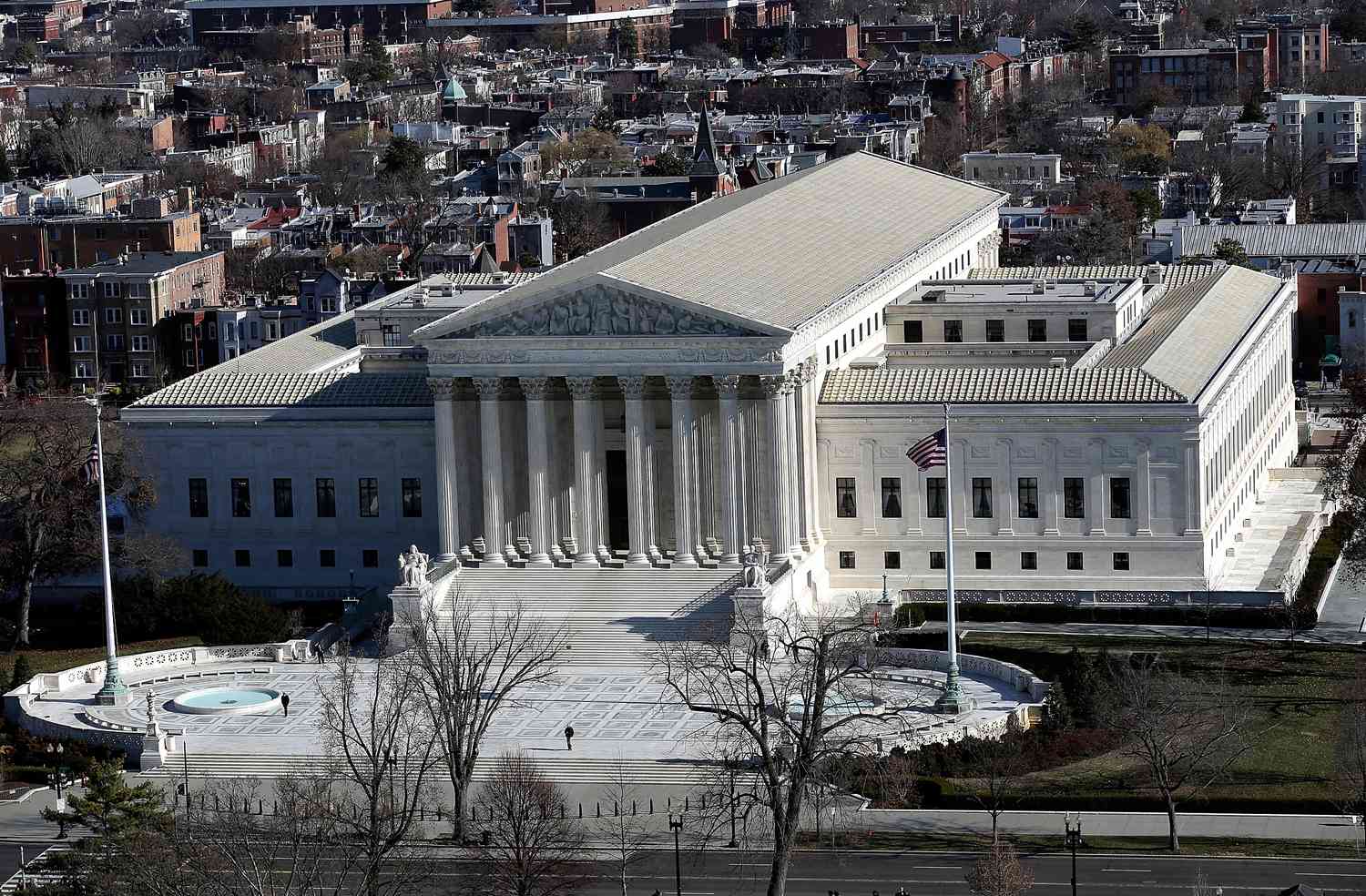
The Supreme Court’s key preemption decision here is Arizona v. Inter Tribal Council of Arizona (2013), which held that states generally may not require additional documentary proof of citizenship as a condition of using the federal form for federal elections, because federal law controls the form’s required content. The recurring lesson is consistent: states have real power to run elections, but Congress also has real power to set rules for federal elections, and the boundary between them is where litigation thrives.
What “disenfranchisement” means in court
Public debate uses the word “disenfranchisement” broadly. In court, it is more precise. The claim typically looks like one of these:
- Undue burden: a rule makes voting materially harder for a definable group without sufficient justification.
- Equal protection: similarly situated voters are treated differently in a way that is arbitrary or discriminatory.
- Voting Rights Act violations: a practice has discriminatory results or was enacted with discriminatory intent, depending on the claim and section invoked.
Many modern fights are also statutory, not purely constitutional, involving the NVRA, the Help America Vote Act (HAVA), and the Voting Rights Act (including Section 2 litigation shaped by more recent Supreme Court doctrine). The forum and the statute can matter as much as the constitutional theory.
That is why the nuts and bolts matter. If a state requires ID but provides free IDs, broad access points, and workable alternatives for voters who lack documents, courts may see the burden as modest. If the same requirement is paired with scarce issuance locations, limited hours, fees, or narrow exceptions, the burden analysis changes.
What noncitizen registration claims change
They change the political pressure. Legally, they tend to do three things.
1) They strengthen the state-interest argument
In an election case, a state must justify its rule. Evidence that registration systems are vulnerable, or that verification gaps exist, can strengthen the state’s argument that additional safeguards are important.
2) They shift attention to the registration gate
If the concern is noncitizens getting onto the rolls, the most directly targeted fixes often live at the registration stage: better database cross-checks, clearer documentation pathways, improved agency coordination, and legally compliant list maintenance.
3) They invite federalism fights
Whenever states try to tighten eligibility verification for federal elections, they run into the two-headed structure the Constitution created: state control by default, congressional power to override, and constitutional rights that limit both.
This tension is structural. The Constitution splits election authority precisely because no single entity was meant to own the machinery of democracy outright.
Bottom line
Voter ID laws are not inherently unconstitutional. Claims about noncitizen registration are not inherently decisive. The legal system treats election administration as a balancing act: states can regulate, Congress can regulate, and courts referee when regulations burden voting, discriminate, or collide with federal law.
If you want to read today’s voter ID flare-up in constitutional terms, here is the most honest translation: the fight is over what level of risk justifies what level of friction, and who gets to decide when the evidence is contested.
Quick FAQ
Can a state require photo ID to vote?
Often yes, if the requirement is structured in a way that courts view as a reasonable, nondiscriminatory regulation and if the burdens are not severe. The Supreme Court upheld Indiana’s law in Crawford, but details and the evidentiary record matter, especially in as-applied challenges.
Is it legal for noncitizens to vote?
Noncitizens cannot lawfully vote in federal elections under federal criminal law (18 U.S.C. § 611). States generally restrict state and local voting to citizens as well, though a small number of local jurisdictions have allowed noncitizens to vote in limited local elections.
How do states catch ineligible registrations?
Through database matching (DMV and Social Security checks), sworn citizenship attestations under penalty of perjury, and post-registration list maintenance constrained by federal statutes like the NVRA.
Does the Constitution guarantee a right to vote?
It protects voting through a patchwork of provisions: amendments barring certain discrimination and broader protections under the Fourteenth Amendment. Many election cases are about the limits of state regulation, plus how those limits interact with federal statutes governing federal elections.