
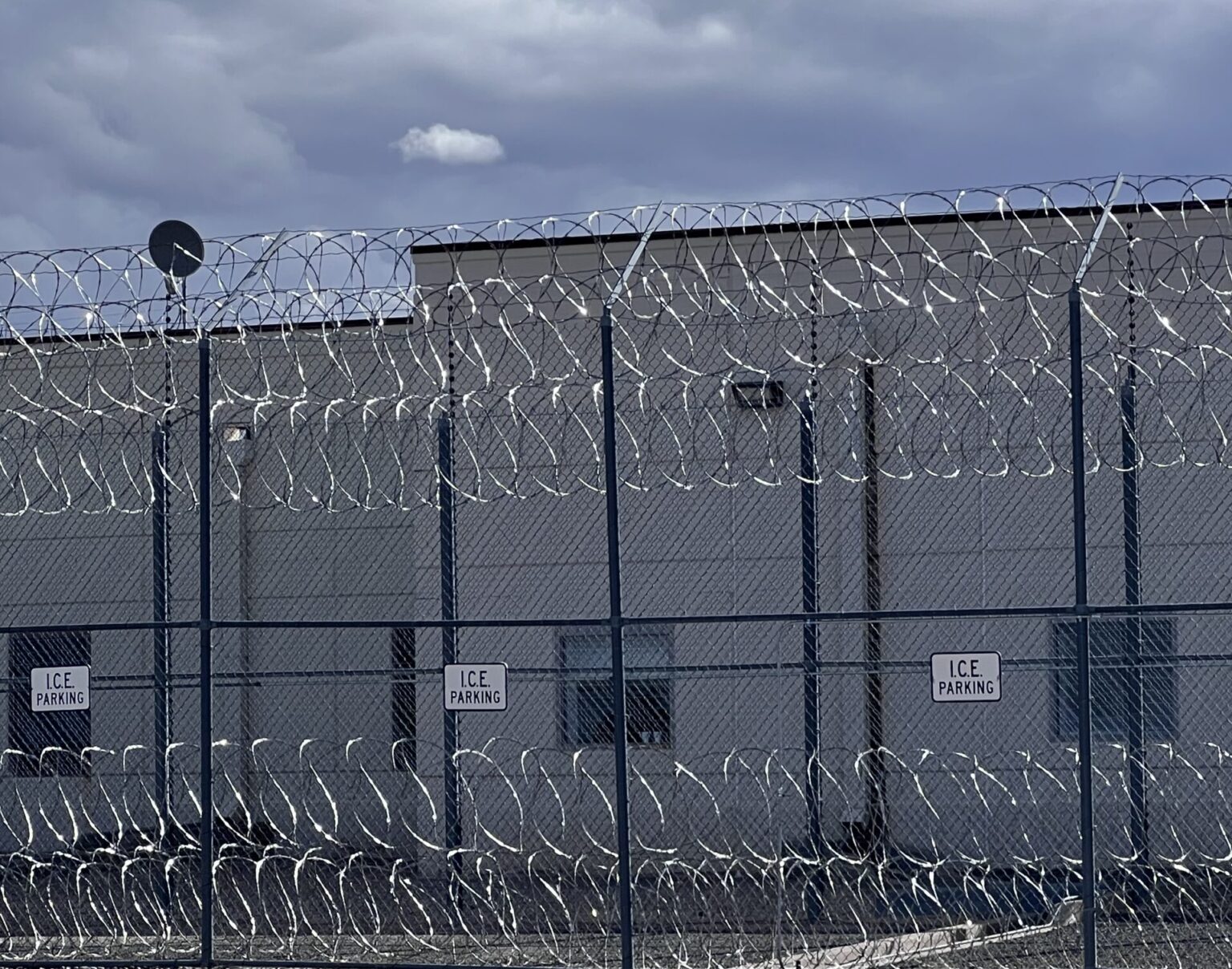
People hear “ICE detention” and assume it works like criminal jail: you get booked, you often see a judge quickly, and bail is at least on the table. Immigration detention is not built that way. It is civil detention, and Congress has written immigration statutes that sometimes make detention mandatory while removal proceedings play out.
This statutory design frequently returns to the federal appellate courts and the Supreme Court. The recurring question is whether certain noncitizens, often labeled removable because of specific criminal convictions, are entitled to an individualized custody hearing while they are held by ICE.
The modern precedents that frame today’s ongoing legal battles include Jennings v. Rodriguez (2018) and Garland v. Aleman Gonzalez (2022). Together, they help explain why so many detention challenges now turn on case-by-case constitutional claims and on the limits of what remedies federal courts can order.
Join the Discussion
When hearings happen
Can ICE detainees get bond hearings? Sometimes yes, sometimes no. A quick rule of thumb is that it depends on (1) which detention statute applies and (2) whether detention is before or after a final order of removal.
- 8 U.S.C. § 1226(a): discretionary pre-order detention, where bond (custody redetermination) is often available in immigration court.
- 8 U.S.C. § 1226(c): mandatory pre-order detention for specified categories, where routine bond is generally barred.
- 8 U.S.C. § 1231(a): post-order detention after a final removal order, governed by different timelines and limits.
Two systems run in parallel:
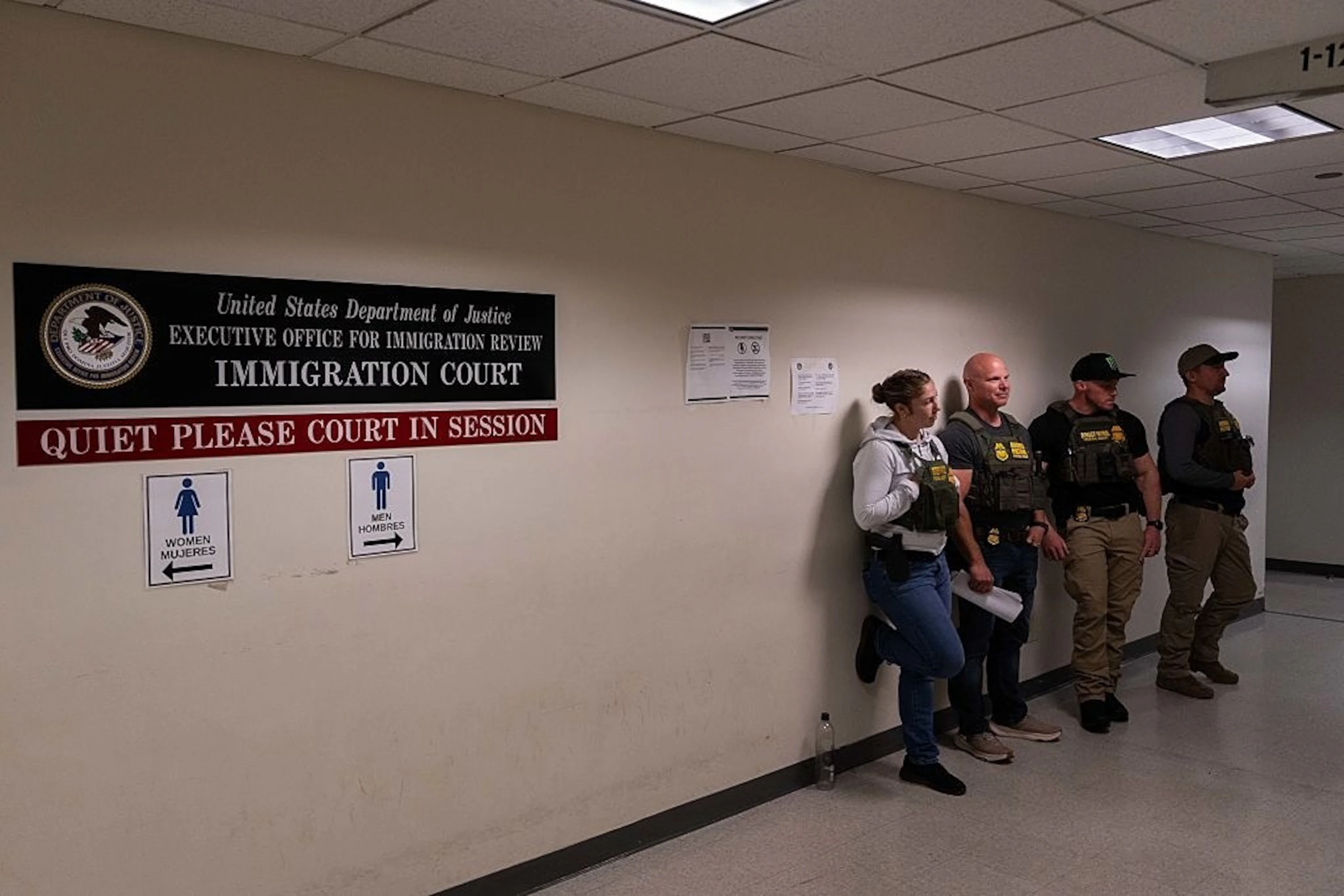
- Immigration court custody hearings are generally handled by an immigration judge inside the Department of Justice (the Executive Office for Immigration Review), not by an Article III federal judge.
- Federal court review can also happen, often through a habeas petition in U.S. district court, when someone argues continued detention is unlawful under the statute or unconstitutional under the Fifth Amendment. (Jurisdiction and timing can be complicated, and not every case fits the same path.)
The Supreme Court’s modern cases have pushed much of the action into that second track: whether, and in what circumstances, federal courts can order individualized custody hearings as a constitutional backstop when the statute either restricts hearings or does not clearly provide them.
Why courts keep returning to this
Immigration detention law lives in a pressure zone between three forces:
- Congress’s power to set immigration rules and decide when detention is required.
- The Executive’s power to enforce removals and decide whom to detain under those rules.
- The Judiciary’s role under Article III to enforce statutory limits and constitutional due process.
When detention is short, courts often treat it as an ordinary incident of removal proceedings. When detention stretches from months into years, it stops feeling like “processing” and starts looking like punishment in everything but name.
And the timeline can stretch in predictable ways. A person can lose before an immigration judge, appeal to the Board of Immigration Appeals, then file a petition for review in a federal court of appeals and seek a stay that pauses removal while the legal fight continues. The longer that chain runs, the more the due process question sharpens: who gets a hearing, when, and with what burden of proof?
What the Constitution guarantees
1) The Fifth Amendment applies to many noncitizens in the U.S.
The Fifth Amendment’s Due Process Clause does not say “citizens.” It says no person shall be deprived of liberty without due process of law. In modern constitutional law, that baseline protection generally extends to noncitizens who are physically present in the United States, including many people in removal proceedings.
A caveat matters here. Due process doctrine can look different for arriving noncitizens and certain border or parole contexts. Some people in expedited removal-related processes may not have access to the same custody review mechanisms as someone placed into ordinary removal proceedings.
2) Immigration detention is civil, but confinement is still confinement
The government’s core position is usually that detention in removal proceedings is regulatory, not punishment, and Congress can require it for certain categories. The counterpoint is also intuitive: whatever label you attach, confinement is a deprivation of liberty, and at some point due process demands a real, individualized justification before detention continues.
3) Due process does not automatically require “bond”
The Constitution does not promise a right to pay money and go home. What it can require is an opportunity to be heard by a neutral decision-maker on whether continued detention is justified, and whether less restrictive alternatives could address the government’s concerns about flight risk or danger.
The statutes underneath the dispute
Custody fights usually turn on which part of the Immigration and Nationality Act the government is using to hold someone. The label “bond hearing” is common, but the underlying question is custody review: does the person get a meaningful chance to argue for release (or conditions) while the case is pending?
Pre-order detention: 8 U.S.C. § 1226
Discretionary detention (bond often available): Under 8 U.S.C. § 1226(a) (often called “INA 236(a)”), the government may arrest and detain a noncitizen while removal proceedings are pending. Many people detained under this provision can ask an immigration judge for a custody redetermination, where the judge considers flight risk and danger.
Mandatory detention (bond often barred): Under 8 U.S.C. § 1226(c) (“INA 236(c)”), Congress said certain noncitizens, including people removable on specified criminal grounds, shall be detained while removal proceedings are pending. That language was designed to remove routine bond eligibility for those categories. Exactly how “mandatory” this is, and how long it can last without additional process, has been heavily litigated. A major case on the front end is Demore v. Kim (2003), which upheld mandatory detention for a limited period in typical proceedings, while leaving open hard questions about much longer detentions.
Post-order detention: 8 U.S.C. § 1231
After a person has a final order of removal, detention often falls under 8 U.S.C. § 1231(a) (“INA 241”). There, the Supreme Court’s key case is Zadvydas v. Davis (2001), which held the government cannot detain someone indefinitely when removal is not reasonably foreseeable.
A major category this explainer does not treat as “bond”
Some detention disputes arise under 8 U.S.C. § 1225(b), which covers many arriving noncitizens and some expedited removal and credible fear contexts. Those cases often revolve around parole and different forms of custody review, not the bond framework that applies more cleanly under § 1226(a).
What the Supreme Court has been asked to decide
In plain English, the government’s position in these disputes is often a hard line: when Congress made detention mandatory in the statute, courts should not require bond-style hearings unless Congress provided them.
People challenging prolonged detention draw a different line: even if Congress made detention mandatory at the front end, unreasonably prolonged detention without a meaningful chance to contest continued custody raises a Fifth Amendment due process problem. They usually seek a rule that after some point, the government must justify continued detention in an individualized custody hearing.
Under the hood, this becomes a choice between two judicial instincts:
- Constitutional avoidance: interpret ambiguous statutes to allow hearings so the Court does not have to decide a constitutional question.
- Textual clarity: if Congress wrote mandatory detention, courts should not rewrite it, and constitutional challenges must be confronted directly rather than solved by “reading in” procedures.
Jennings v. Rodriguez is the modern anchor for the textual point. It rejected reading periodic custody hearings into certain detention provisions as a matter of statutory interpretation, and it left the constitutional questions largely to be litigated in individualized, as-applied challenges on remand and in later cases.
Article III courts and habeas
It is easy to miss how much of this controversy is about judicial review and remedies, not just immigration policy.
Article III courts hear habeas petitions when someone argues the government is holding them unlawfully. In immigration detention cases, the remedy requested is often not immediate release on the merits. It is a hearing, meaning a court order requiring the government to justify continued detention before a neutral decision-maker, with a record that can be reviewed.
Garland v. Aleman Gonzalez narrowed certain classwide orders that would have required the government to provide custody hearings. More precisely, the decision relied on 8 U.S.C. § 1252(f)(1), which limits lower courts’ ability to “enjoin or restrain the operation” of specified immigration statutes on a classwide basis. That does not eliminate individual habeas claims, but it can change how, and how broadly, lower courts can grant relief.
What due process means in practice
When courts do require bond-style hearings as a due process matter, the fight often shifts to the hearing’s details:
- Who has the burden of proof? Must the detainee prove they are not dangerous, or must the government prove they are?
- What is the standard? Preponderance of the evidence? Clear and convincing evidence?
- What counts as “prolonged”? Six months? A year? Case-by-case?
- Is the hearing meaningful? Can the detainee present evidence, challenge allegations, and propose alternatives to detention?
Those details matter because a “hearing” that always ends the same way is not really process. It is paperwork.
They also matter for ordinary human reasons. Detention can mean loss of a job, separation from family, and a sharply reduced ability to find and communicate with counsel. On the government’s side, the stated interests tend to be preventing flight, protecting public safety, and maintaining an administrable system that does not require constant relitigation of custody.
Common misconceptions
“If it’s civil, due process is weaker”
Civil does not mean consequence-free. Civil detention still restrains liberty. Due process protections can look different from criminal procedure, but they do not vanish.
“Noncitizens have no constitutional rights”
That is not the law. Noncitizens can invoke many constitutional protections, especially when they are physically present in the United States. Immigration law is a distinct field, but it is not a Constitution-free zone.
“Bond hearings would end removals”
A custody hearing is not amnesty. It is a decision about detention while proceedings continue. The government can still pursue removal and can re-detain someone who violates conditions.
Key Supreme Court cases
- Zadvydas v. Davis (2001): limits potentially indefinite post-order detention under § 1231 when removal is not reasonably foreseeable.
- Demore v. Kim (2003): upheld mandatory detention under § 1226(c) for the brief, typical duration of removal proceedings, while leaving room for harder prolonged-detention questions.
- Jennings v. Rodriguez (2018): rejected reading custody hearing requirements into certain detention statutes as a matter of statutory interpretation, leaving many constitutional questions to as-applied litigation.
- Garland v. Aleman Gonzalez (2022): limited certain classwide injunctive remedies ordering custody hearings, relying on § 1252(f)(1).
What to watch next
Detention cases rise and fall with two moving parts: (1) the statute that governs custody and (2) the remedy a court is willing to order.
- A narrow ruling in a future case might focus on a specific statute such as § 1226(c) and leave individualized constitutional challenges largely intact.
- A broader ruling could further limit lower courts’ ability to order custody hearings as a remedy, pushing detainees toward fewer options: stay detained while litigating, or try to win outright release under exceptional circumstances.
Either way, the constitutional core is the same question Americans have been arguing about since the founding, just in modern clothing: how much process must the government provide before it takes away liberty, and for how long can it hold someone without proving continued detention is necessary?
Quick FAQ
Do all ICE detainees get bond hearings?
No. Many people can request bond before an immigration judge under § 1226(a), but some categories are subject to mandatory detention rules under § 1226(c). Other detention situations, including some expedited removal and arriving-noncitizen contexts under § 1225(b), can have different and more limited custody review paths.
Is a bond hearing required by the Constitution?
The Constitution does not say “bond hearing.” The argument is that the Fifth Amendment requires a meaningful opportunity to challenge prolonged civil detention, and a custody hearing is one way to satisfy that requirement.
Can a federal judge order a bond-style hearing?
Sometimes, but it can depend on the detention statute, the form of relief requested, and current precedent on remedies. Recent Supreme Court decisions have generally been skeptical of courts reading hearing requirements into statutes and have tightened limits on broad, classwide orders.
Does a bond hearing decide whether someone can stay in the United States?
No. It decides custody during the case. The removal case continues separately.