
Most Americans have heard of “Motor Voter” in the vague way we hear about a lot of election laws: it sounds like something about the DMV, and it probably happened in the 1990s, and it is either the reason elections are easier or the reason elections are suspicious, depending on who is talking.
The real National Voter Registration Act of 1993, usually shortened to NVRA, is narrower and more practical than the mythology. It is a federal statute that tells states how voter registration must be offered and it sets guardrails on how voters can be removed from the rolls. It does not set national voter ID rules. It does not run elections. It does not stop states from choosing their own registration deadlines. But it changes the baseline expectations for how registration happens in everyday life.
Important caveat: NVRA coverage is broad, but it is not literally universal. North Dakota does not require voter registration, so the NVRA’s registration system requirements do not really map onto it. And a small group of states that have continuously offered Election Day Registration since the NVRA passed in 1993 are federally exempt from key NVRA registration provisions: Idaho, Minnesota, New Hampshire, Wisconsin, and Wyoming. (Rules can also differ for territories and certain local jurisdictions.)
Join the Discussion
What the NVRA is trying to solve
The NVRA was passed in 1993 against a background problem that is still familiar: registration was often treated as a hurdle rather than a gateway. If you moved, changed your name, or had limited transportation, you could fall off the rolls or never get on them at all. Congress’s premise was simple: if states could require registration to vote, then states also had to make registration reasonably accessible, especially through routine interactions with government agencies.
The NVRA has two big pillars:
- Registration access: covered states must offer voter registration through certain agencies and through the mail.
- List maintenance limits: states can keep accurate rolls, but they cannot run “purges” in ways that wrongly remove eligible voters or that remove people simply for not voting.
“Motor Voter” and the DMV requirement
The nickname comes from the NVRA rule most people actually encounter: in covered states, voter registration has to be integrated into the driver’s license process.
What DMVs must offer
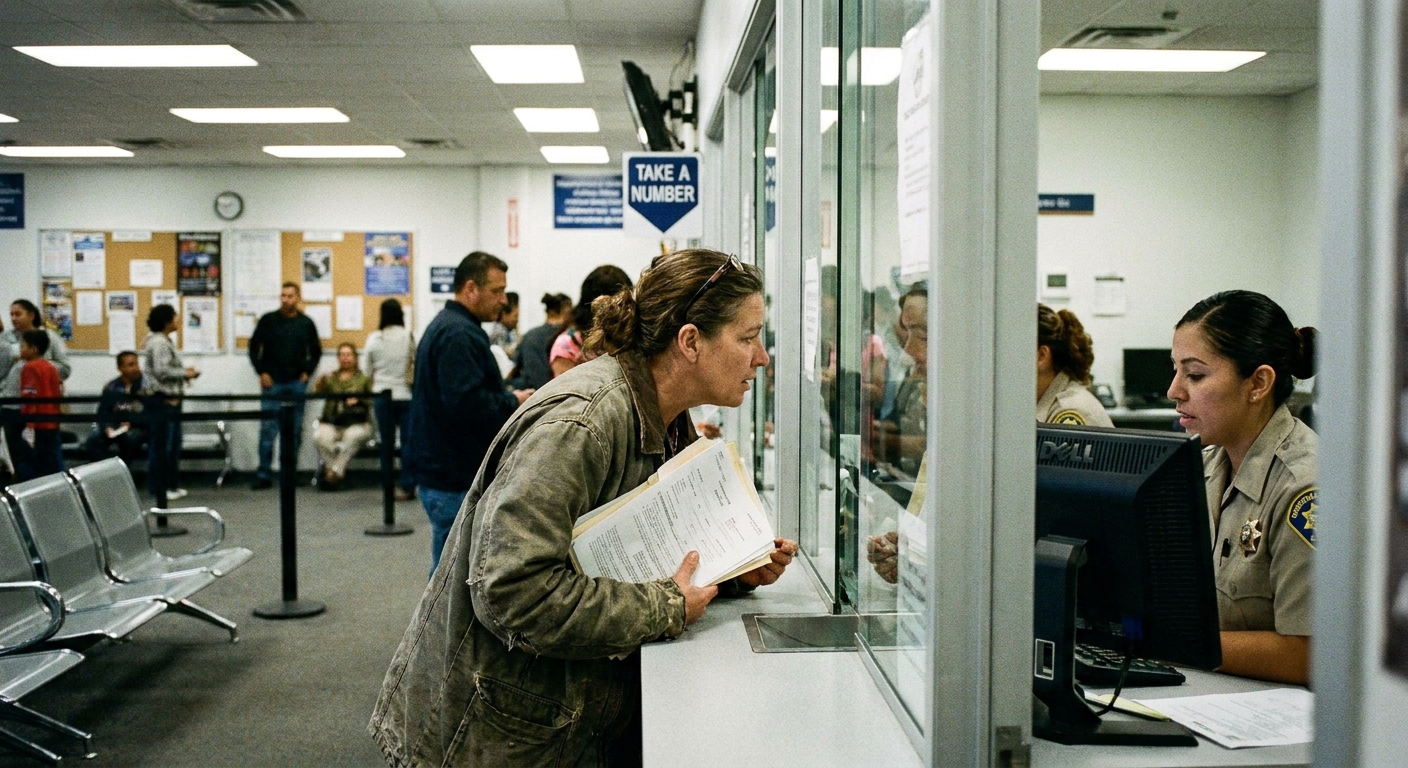
At the DMV, the state must provide the opportunity to register to vote (or update your registration) when you:
- Apply for a new driver’s license
- Renew your license
- Change your address for license purposes
In modern practice, many states do this through a “motor voter” prompt during an in-person or online transaction. But it is not just a question on a screen. The NVRA contemplates a set of required steps, including providing the registration form (or its equivalent), offering assistance, and properly transmitting the registration information to election officials.
What you should do as a voter at the DMV
- Say yes to the registration prompt if you are eligible.
- Verify your address and name spelling. The most common registration problems start as small data mismatches.
- Get confirmation if your state provides it, especially after an address change.
- Check your registration status online a week or two later (or as soon as your state’s system updates). That one quick check catches a lot of “we thought it went through” problems while there is still time to fix them.
Registration beyond the DMV
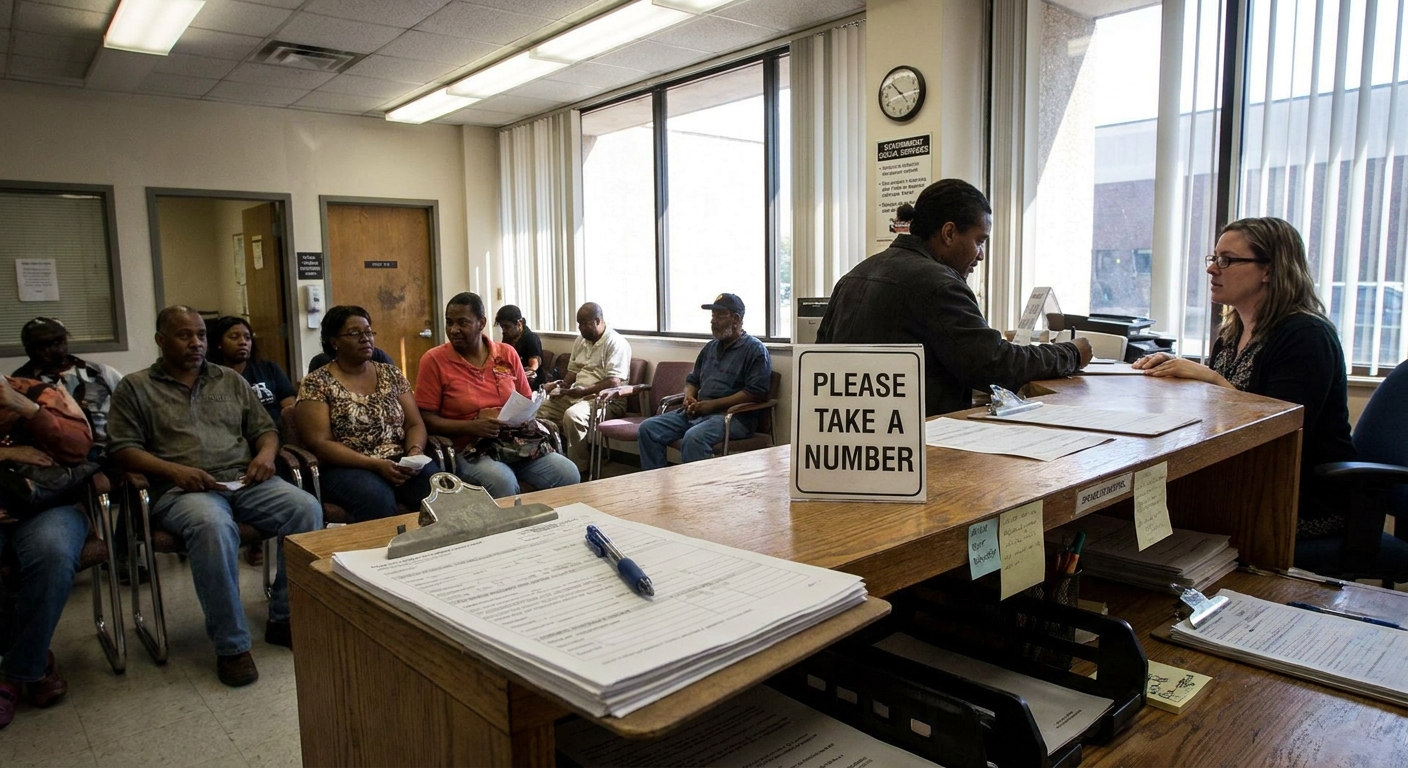
Here is the part many people do not realize exists. The NVRA also requires voter registration services at certain non-DMV public agencies, especially agencies that serve people who are most likely to be under-registered.
Which agencies are covered
At minimum, covered states must designate voter registration agencies that include:
- Public assistance offices (for example, offices administering programs like SNAP or Medicaid)
- State-funded programs serving people with disabilities
States may designate additional offices beyond the required categories. Depending on the state, this can include places like public libraries, health departments, or other service agencies, but those are typically optional add-ons rather than a standard, mandatory list.
What these agencies must do
Covered agencies must provide voter registration opportunities during certain transactions, typically when a person applies for assistance, recertifies, renews, or changes an address. The NVRA’s practical requirement is not merely that forms exist somewhere in the building. It is that registration is offered as a routine part of service.
There is also a critical privacy principle built into the NVRA: your choice to register or not register should not affect the benefits or services you receive.
Mail registration
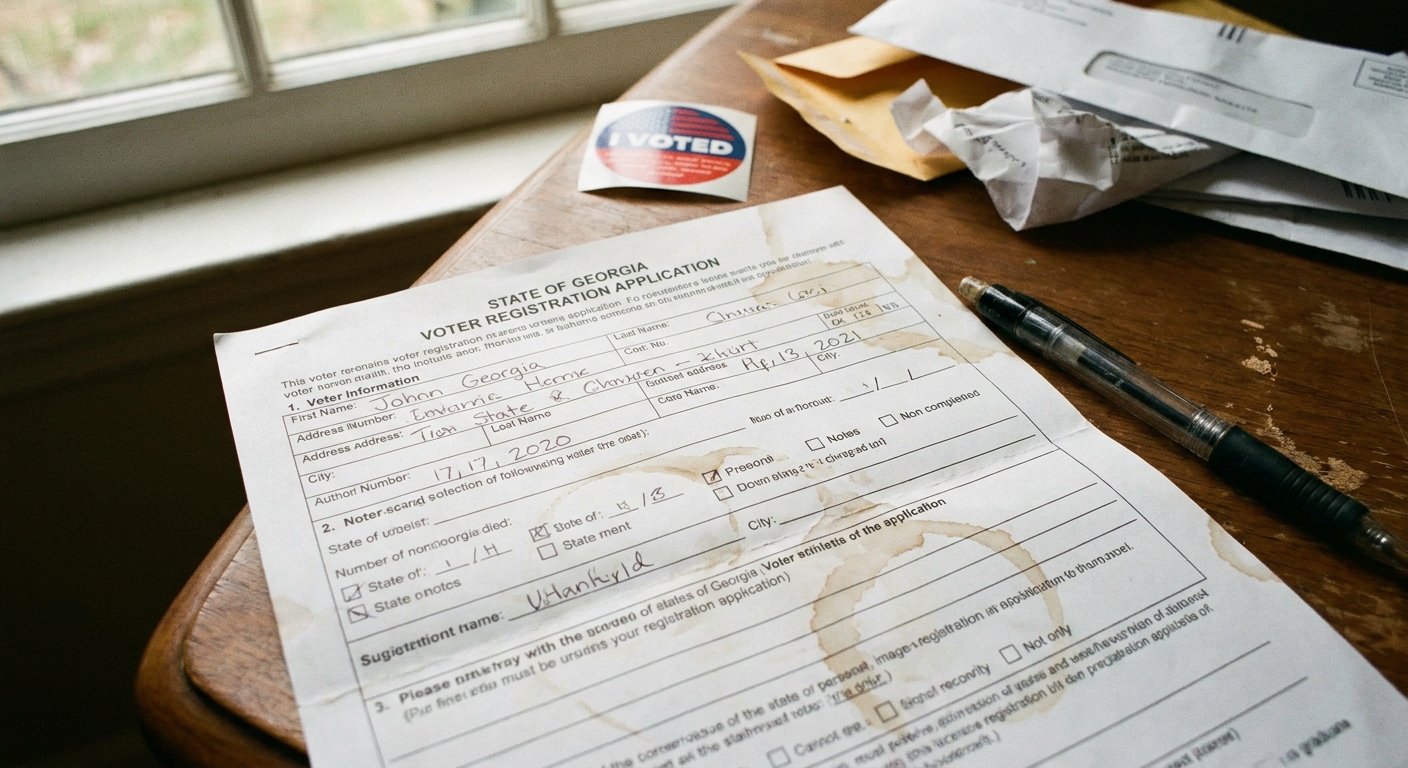
The NVRA requires covered states to accept voter registration by mail and to make forms available. A key part of that is the federal mail-in voter registration form (where applicable). This matters because it creates a baseline option for people who cannot easily get to an agency office or who are registering on their own schedule.
How mail registration works
- You complete the form with your eligibility information and identifying details required by your state, consistent with federal law.
- You sign it as required. Many states treat the signature as your attestation under penalty of perjury.
- You submit it by mail (and in many states, by upload or online systems that build on the same concept).
States still control important details like deadlines and what identifying numbers are required under other laws. For example, the Help America Vote Act of 2002 added identification and verification requirements for some first-time voters who register by mail, which is one reason people sometimes confuse NVRA rules with later ID-related rules.
What the NVRA does not do
It helps to be clear about the edges. The NVRA is influential, but it is not a general “right to vote” statute that overrides everything else.
- It does not run elections. States still administer elections and set many procedural rules.
- It does not eliminate state deadlines. States can require registration in advance, subject to federal constraints and other laws.
- It does not create automatic registration everywhere. Some states have adopted automatic voter registration systems, but that is usually a state policy choice that can be compatible with the NVRA, not something the NVRA itself mandates.
- It does not forbid voter ID laws. ID disputes typically arise under other statutes and constitutional theories, depending on the rule and the facts.
List maintenance
Every state needs voter roll maintenance. People move. People die. People lose eligibility in limited circumstances. The NVRA does not say “never remove anyone.” It says: remove people carefully, uniformly, and for legitimate reasons, because sloppy list maintenance can wrongly remove eligible voters.
No removal just for not voting
A state cannot remove a voter solely because the voter skipped elections. Nonvoting can be a trigger for a follow-up process, but it cannot be the only reason.
Address changes and notice
When a state believes a voter has moved, the NVRA generally requires a notice-and-wait approach: the state sends a forwardable confirmation notice, and the voter is removed only if the voter both fails to respond and then fails to vote over the waiting period, which typically runs through two federal general elections after the notice (states implement the exact timing in slightly different ways).
This design is intentional. Lots of eligible voters miss a piece of mail, especially renters, students, and people experiencing housing instability. The NVRA tries to prevent a single missed postcard from turning into disenfranchisement.
The 90-day rule
The NVRA generally restricts systematic roll maintenance programs close to federal elections. States can still do routine, individualized updates, and they can still correct records for deaths, felony disqualifications (where applicable), or voter-requested removals. But large-scale “list cleaning” efforts right before an election are constrained.
The point is not to protect outdated rolls. The point is to protect voters from being removed when there is little time to fix the mistake.
How it fits with state law
Election administration is a federal-state partnership that often feels like a tug-of-war. The NVRA sits on top of state systems and forces a few nationwide minimums, while leaving most of the machinery in state hands.
What states still control
States typically control:
- Registration deadlines and cutoff dates
- Whether same-day or election-day registration exists
- Exact forms of identification or identifying numbers required, within the boundaries of federal law
- How voters are assigned to precincts and how address updates are processed
The NVRA pushes back when those mechanics undermine its guarantees. For example, a covered state cannot comply with the “offer registration at the DMV” requirement by burying the option or failing to transmit completed registrations.
A floor, not a ceiling
The NVRA is a floor. States can go further. Many have, through online registration, automatic voter registration frameworks, expanded agency participation, and voter-friendly address update systems. The NVRA’s enduring role is that it makes registration access and list maintenance standards legally enforceable, not merely aspirational.
Practical: how to register
If you want a simple mental model, treat NVRA registration as having three front doors, plus one ongoing responsibility.
Front door 1: the DMV
- Register or update when you apply, renew, or change your address.
- Double-check that your address is current and matches how you receive mail.
- Check your registration status afterward if your state offers an online lookup.
Front door 2: assistance and disability offices
- Ask for voter registration materials if they are not offered.
- Make sure staff have your updated address if you have moved.
Front door 3: mail forms
- Use your state election website or local election office to obtain the correct form and instructions (often including the federal mail-in form).
- Mail early. Deadlines can be unforgiving.
Ongoing: keep it current
The NVRA makes registration easier, but it does not make address changes irrelevant. Moving is still the number one reason people discover a problem on Election Day. If you move, update your registration as soon as you can. In many states, a DMV address change can pull double duty, but only if you complete the voter update portion and the state successfully processes it.
Why it still matters
The Constitution leaves the nuts and bolts of elections largely to the states, with amendments that prohibit certain kinds of discrimination and with federal statutes that step in when Congress believes access is being choked off. The NVRA is one of the most important of those statutes because it targets something mundane but decisive: the path onto the voter rolls.
If voting is the act that legitimizes government, registration is the gate that decides who reaches the ballot in the first place. The NVRA does not guarantee that every eligible voter will be registered. It does something more measurable: it tells covered states that if they are going to require registration, they have to offer it where people already are, and they have to maintain lists without quietly turning administrative error into disenfranchisement.
If something went wrong
- At the DMV: Did I explicitly opt in to register or update, and did I provide the correct address?
- After moving: Did I update my voter registration, not just my driver’s license?
- After a transaction: Did I check my registration status online, and if it is missing, did I follow up quickly with my local election office?
- If I was removed: Was I removed only for not voting, or was there a notice process tied to an address change?
- Timing: Did the problem happen close to an election, when systematic removals are limited?
If you are trying to resolve a specific issue, your state or local election office is the place to start. The NVRA sets the framework, but the solution often turns on state procedures and deadlines.