
Americans like to say voting is a right. In practice, voting is also a process. A long chain of check-in tables, poll books, registration databases, ballot scanners, and human judgment calls. When that process fails, the Constitution usually does not hand you a simple remedy. Elections are largely state-run, and federal law tends to show up only when Congress decides the national stakes are too high to leave to fifty different systems.
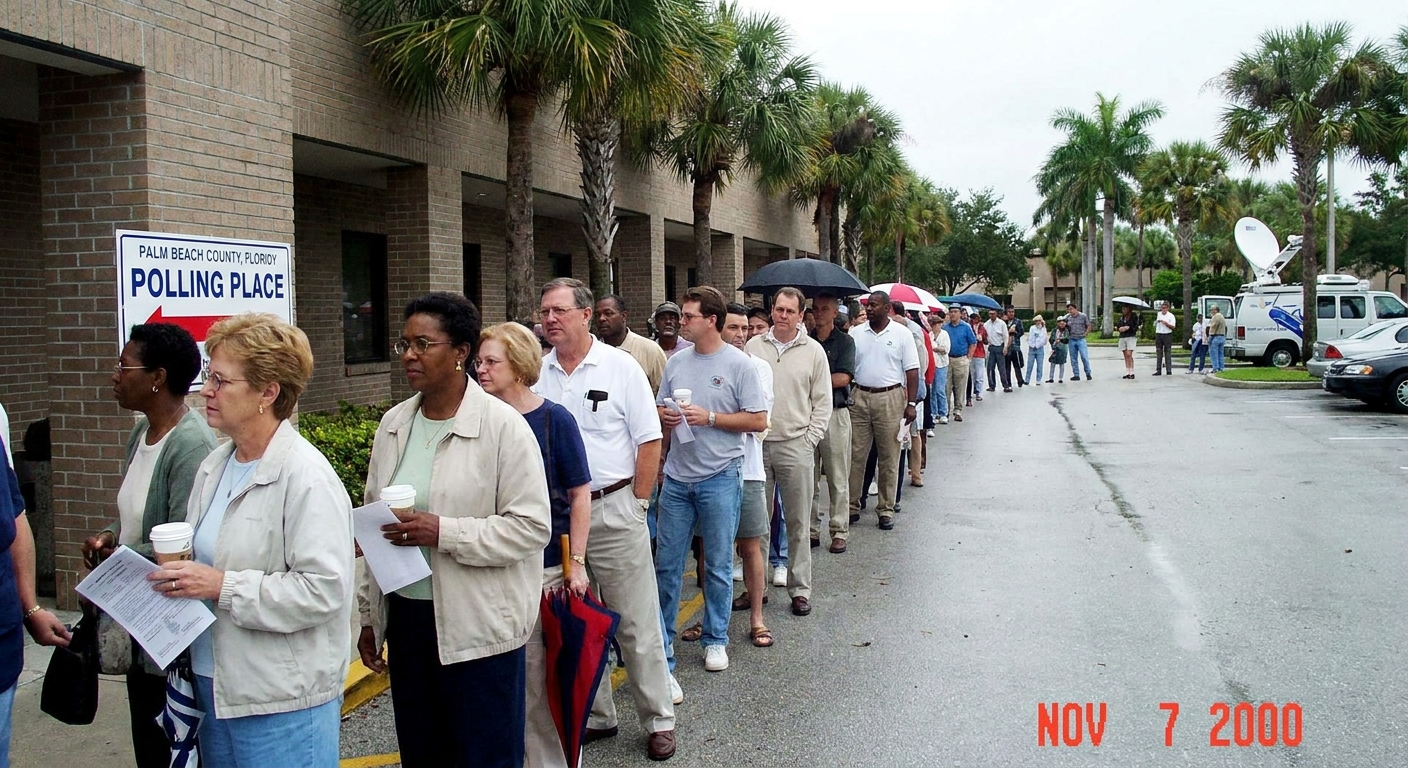
The Help America Vote Act of 2002, usually shortened to HAVA, is one of those moments. It is not a constitutional amendment. It is a statute passed after the 2000 election exposed something basic: even if everyone agrees on the ideal of fair elections, the machinery can still break in ways that change outcomes and shake public trust.
Join the Discussion
Why HAVA exists
HAVA was Congress’s attempt to address the most visible weaknesses revealed in the 2000 presidential election. The problems were not all ideological. Many were mechanical and administrative: confusing ballots, inconsistent standards between counties, outdated voting equipment, and no uniform way to handle voters whose eligibility could not be confirmed at the polling place.
So HAVA aimed at two goals that sometimes pull against each other:
- Make elections more accurate and reliable by modernizing voting systems and tightening procedures.
- Make elections more accessible by ensuring that eligible voters are not turned away because of paperwork errors, disability barriers, or inconsistent local practices.
In constitutional terms, HAVA lives in the space between state control of elections and federal oversight. States still run elections. HAVA sets minimum federal requirements for certain parts of that process, especially for federal elections, and backs those requirements with funding, reporting, and complaint mechanisms. In practice, many states apply these procedures more broadly than federal-only races because it is simpler to run one set of rules.
The voter-facing centerpiece: provisional ballots
If you remember one practical protection in HAVA, it should be this: the provisional ballot.
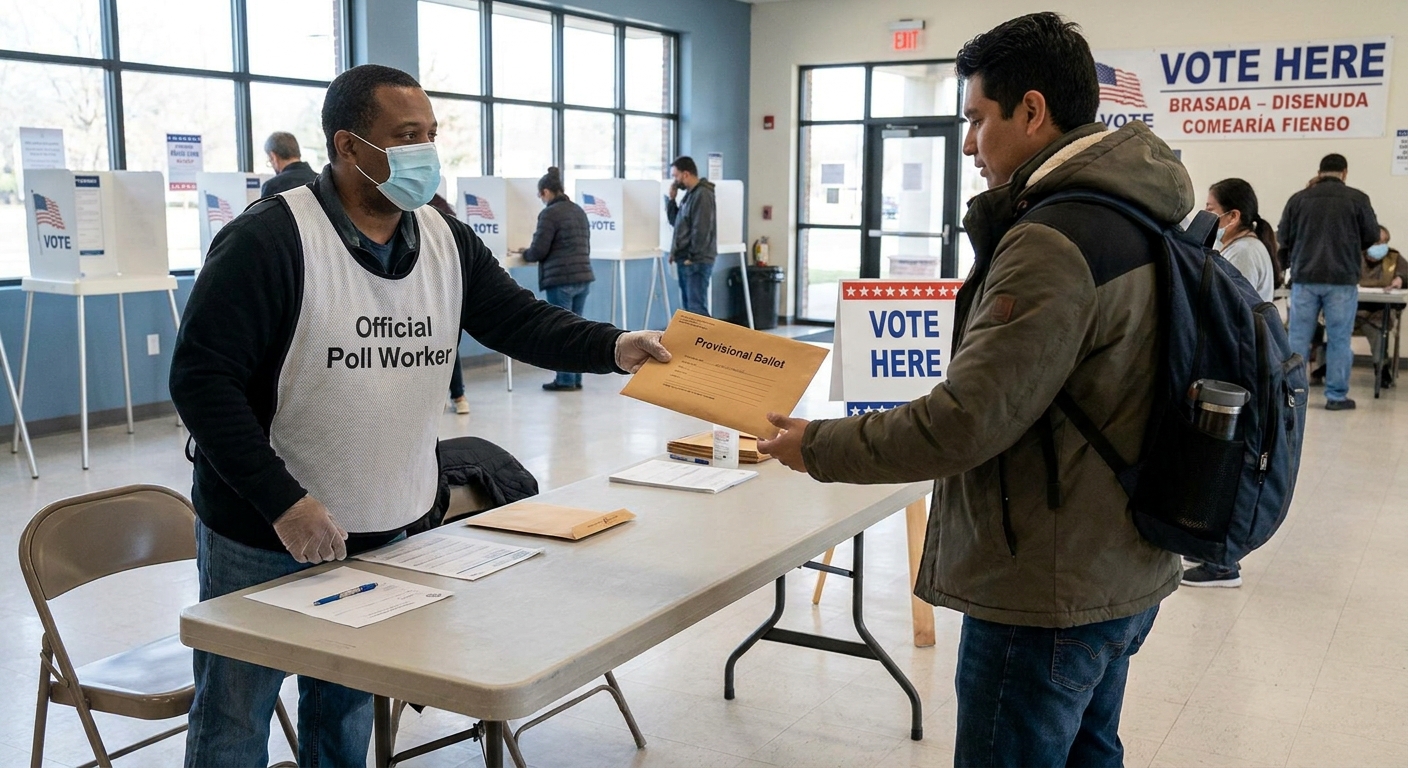
Before HAVA, many voters were simply turned away when a poll book did not list them, a registration record looked wrong, or someone challenged their eligibility. Under HAVA, if you show up to vote in a federal election and you are not on the official list (or an election official asserts you are not eligible), you must be offered a provisional ballot if you claim you are eligible. Many states also require you to sign a written affirmation of eligibility as part of that process.
When you can ask for a provisional ballot
Provisional voting is meant for situations like:
- Your name is missing from the registration list at the polling place.
- An election official says you are not eligible to vote at that location or in that election.
- Your eligibility is challenged.
- There is a clerical error in your registration record that cannot be fixed on the spot.
- You were issued an absentee ballot but show up in person and the system flags you.
What happens after you vote provisionally
A provisional ballot is not automatically counted. It is held aside until election officials can verify eligibility under state law. Depending on the state, you may also need to take a follow-up step by a deadline, such as providing additional information or documentation to “cure” a problem.
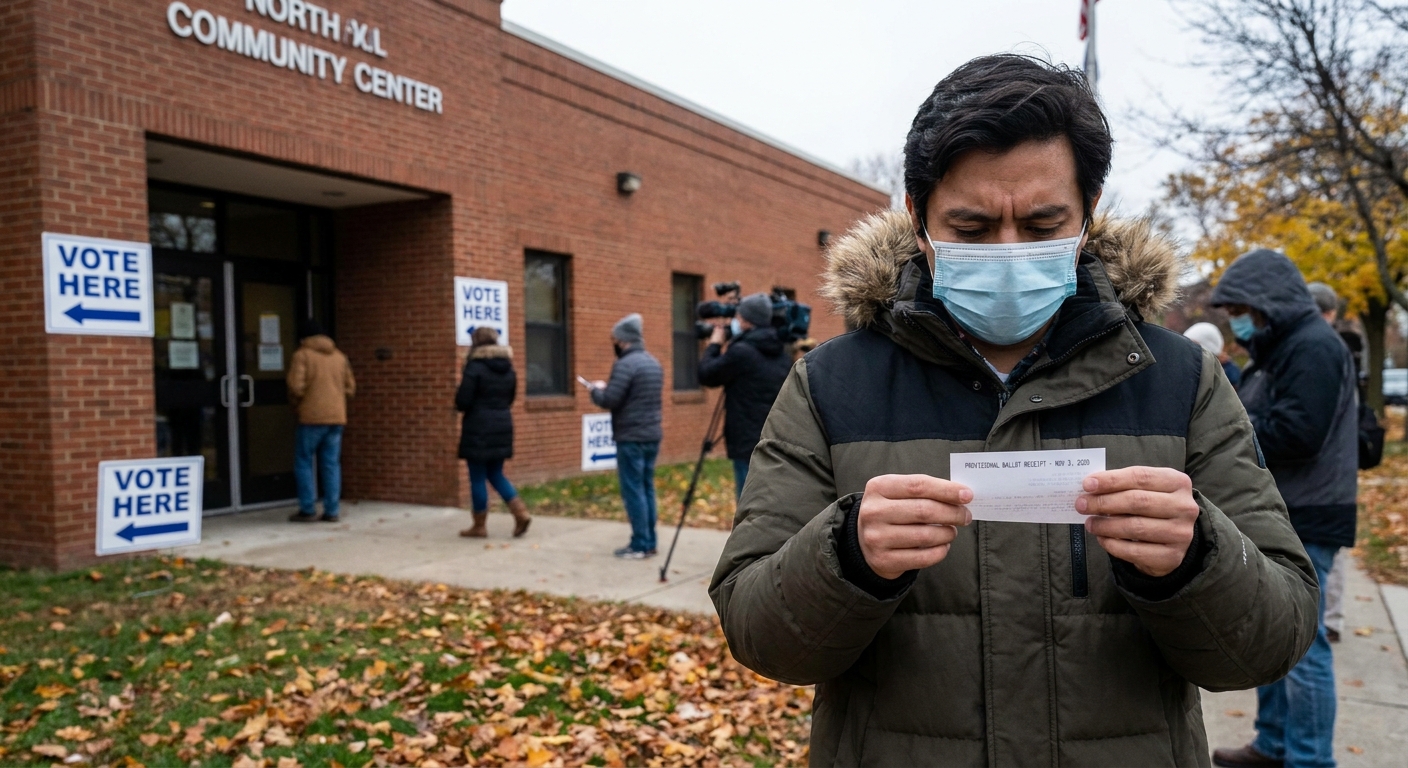
HAVA also requires a free access system, usually a phone number or website, that lets you learn whether your provisional ballot was counted and, if it was not, the reason it was rejected. (This applies to provisional ballots cast under HAVA’s procedures.)
That last piece matters because transparency is part of the protection. If your ballot is not counted, you are entitled to an explanation you can act on next time or use in a complaint.
Practical tip: Before Election Day, check your state election site for “provisional ballot status” or “provisional ballot tracking.” Some states make it easy to find, others bury it.
First-time voter ID rules
HAVA also introduced a federal identification requirement, but it is more limited than many voters assume. The basic target is first-time voters who registered by mail and did not provide a driver’s license number or the last four digits of a Social Security number (or could not provide those and did not submit an acceptable alternative).
What HAVA asks for
At a high level, covered first-time voters may be asked for:
- A current and valid photo ID, or
- A current utility bill, bank statement, government check, paycheck, or other government document that shows the voter’s name and address.
One extra point that clears up a lot of confusion: how you vote matters. If a covered voter is voting in person, they typically present ID at the polls. If the covered voter is voting by mail, they typically submit a copy of acceptable ID with the ballot. States implement the details in different ways, and some state voter ID laws go beyond HAVA.
If you do not have the required ID
Procedures vary by state. In many places, a missing-ID situation may route a voter into the provisional ballot process. In others, it may trigger a separate cure process, or the ballot may not count unless the voter provides ID by a deadline. The practical advice is consistent: if you believe you are eligible and you are being blocked, ask what your state’s rules are for voting provisionally and whether there is a cure step after Election Day.
Statewide voter lists
One of HAVA’s most consequential, least visible changes is its push for single, uniform, statewide voter registration list systems for federal elections. The idea is simple: your eligibility should not depend on a county office using a different database, a different format, or a different set of list maintenance habits.
In practice, statewide lists are meant to reduce duplicate registrations, improve updates when voters move, and make election-day check-in less like improvisation. They also create a single place where errors can spread, which is why list maintenance rules and auditing practices matter as much as the database itself.
Voting system standards
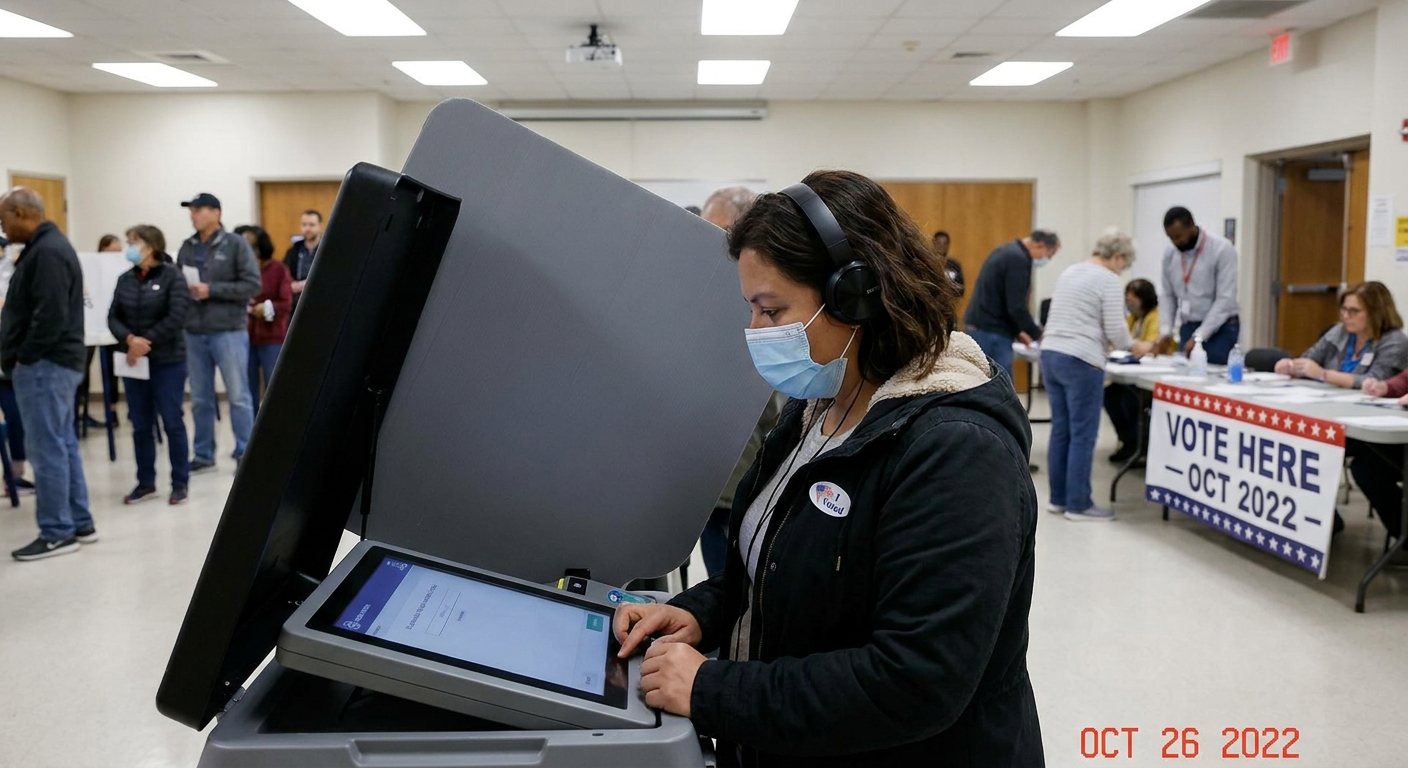
HAVA is partly about what happens before you ever enter the polling place. It pushed states away from older systems with high error rates and toward voting equipment that is more auditable, accessible, and standardized.
What HAVA expects voting systems to do
HAVA’s requirements are technical in the statute, but the big themes are voter-facing:
- Let voters correct mistakes before casting a ballot, such as selecting too many candidates in a race.
- Provide a private and independent voting experience for voters with disabilities, including at least one accessible voting system at each polling place.
- Create an auditable record and support recounts and audits, so errors can be detected and explained rather than buried.
- Meet baseline performance expectations reflected in federal guidance known as voluntary voting system guidelines.
The word “voluntary” is doing a lot of work there. HAVA does not federalize every machine decision. But it created a national pull toward common standards and professional testing, largely by tying federal funds to compliance and modernization.
The EAC
HAVA also created an institution that most voters never think about: the U.S. Election Assistance Commission, often called the EAC.
The EAC is not the Federal Election Commission, and it is not a national elections board that runs your local polling place. Instead, its role is more like infrastructure and standards support. At a high level, the EAC:
- Develops and updates voluntary voting system guidelines.
- Supports testing and certification frameworks for voting systems.
- Distributes certain federal election funds and tracks state compliance with HAVA requirements.
- Serves as a clearinghouse for election administration information and best practices.
One nuance worth keeping in mind: states choose whether to require EAC certification for voting systems. Many do. Some use other certification paths or layer state testing on top.
If HAVA is the law that forced elections into the modern administrative state, the EAC is one of the agencies built to keep that modernization from being a one-time patch job.
Voter info and poll practices
HAVA also leans on a simpler kind of election integrity: telling voters, in plain view, how the process is supposed to work. Among other things, it requires certain voter information to be posted at polling places for federal elections, and it encourages more professionalized administration through training, standards, and documentation.
This is not the part that makes headlines. But it is the part that helps voters and poll workers resolve problems in real time, before a mistake becomes a lost vote.
Your HAVA rights
HAVA is not a general “right to vote” statute. It is more concrete than that. It gives voters specific procedural guarantees that you can ask for at the moment something goes wrong.
- The right to a provisional ballot if you claim you are eligible but you are not on the official list, or an election official asserts you are ineligible at the polling place.
- The right to follow up through a free access system to learn whether a HAVA provisional ballot counted and, if it did not, the reason.
- Accessibility protections aimed at allowing voters with disabilities to vote privately and independently.
- Baseline statewide infrastructure including statewide voter registration list systems, so eligibility does not depend entirely on county-level improvisation.
If those sound bureaucratic, that is because they are. But bureaucratic rights can still be rights. They decide whether your vote disappears because a database was wrong, a form was misread, or a local office never updated its list.
How HAVA complaints work
HAVA is notably explicit about one kind of enforcement: it requires each state to maintain an administrative complaint procedure for certain alleged violations of Title III of HAVA.
What this means in practice
States must provide a way for individuals to file a complaint, and the process generally includes:
- A written complaint submitted by the voter (requirements vary by state).
- A timeline for the state to resolve the complaint, commonly within 90 days unless the complainant agrees to more time.
- An opportunity for a hearing in many cases, especially if facts are disputed.
- A determination and remedy if the state finds a violation.
Where to file
The details are state-specific. The usual starting point is your state election office, often the Secretary of State’s elections division or a state board of elections. Many states post a dedicated HAVA complaint form. If you cannot find it, search your state election site for “HAVA complaint” and your state name.
What to document
When election process rights are violated, memories compete. Paper wins. If you plan to complain, record:
- The polling place location and time.
- Names or descriptions of poll workers involved, if available.
- Exactly what you were told and what you requested (for example, that you asked for a provisional ballot and were offered one, or were refused).
- Any written notices, receipts, or instructions you were given.
- Names and contact info for any witnesses who were with you.
What HAVA does not do
It helps to know the edges of the law, because election debates often assume HAVA covers everything.
- HAVA does not create a single national voter ID law. It creates a limited first-time mail registrant rule, while states maintain broader authority.
- HAVA does not eliminate state control of elections. It sets minimum requirements for federal elections and ties some to funding and oversight.
- HAVA does not guarantee that every provisional ballot will count. It guarantees you can cast one when you are not on the official list or your eligibility is questioned, and that you can find out what happened next.
In other words, HAVA is less a sweeping declaration and more a set of guardrails. It does not end every fight over election rules. It tries to keep the process from failing in predictable, preventable ways.
The bigger constitutional point
The Constitution sets the structure. Statutes like HAVA determine whether that structure functions on a Tuesday in November when the line is long, the poll book is wrong, and your name is missing.
That is why HAVA still matters. It is one of the rare federal election laws written with ordinary voters in mind, not just parties and campaigns. It assumes something refreshingly practical: democracy is not only protected in court opinions. It is protected at the check-in table, when the system is allowed to say “not found” and the law forces it to offer a next step.