
You can tell when a foreign policy story is really a civics story because the argument is not about Iran. It is about who can promise what, for how long, and whether the next election can erase it.
That is the constitutional question underneath the latest back and forth: if Iran thinks it can wait out a midterm election to get a better deal, what does the Constitution actually say about a president’s power to negotiate, commit the United States, and make any agreement stick?
Join the Discussion
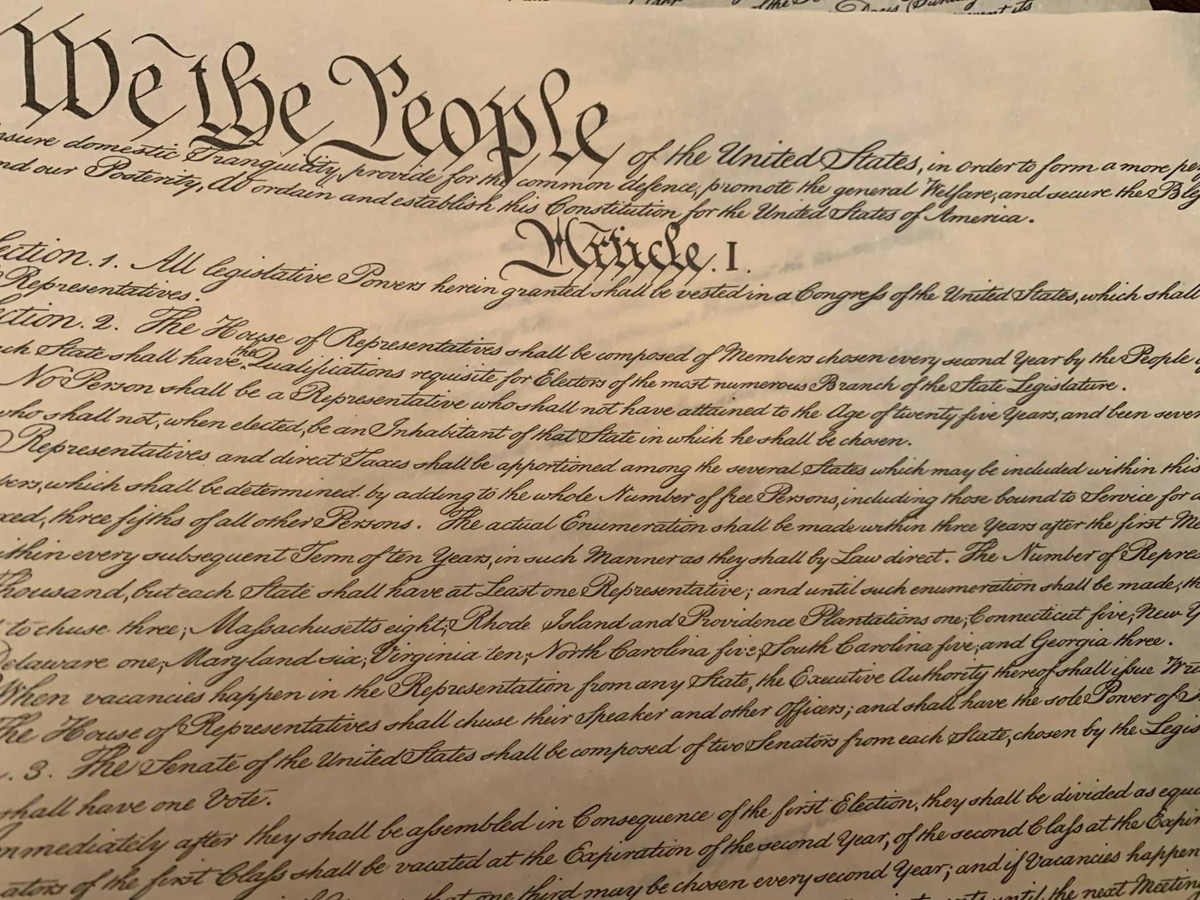
Start with the Constitution
Article II is short on foreign policy details, but what it does say matters. The president:
holds the “executive Power” (Article II, Section 1)
is Commander in Chief of the military (Article II, Section 2)
“shall receive Ambassadors and other public Ministers” (Article II, Section 3)
may appoint ambassadors and other public ministers, with Senate consent (Article II, Section 2)
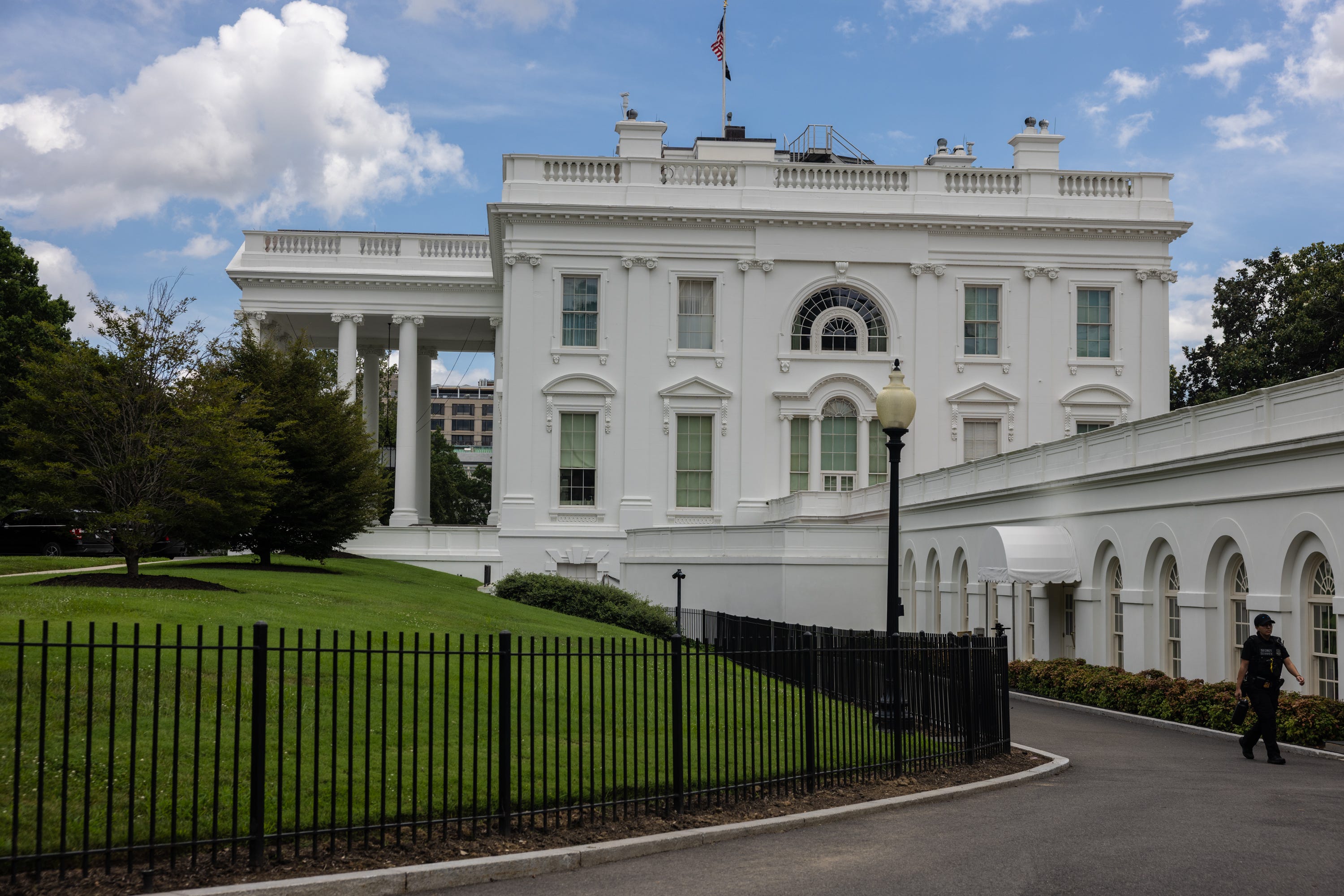
Put those pieces together and you get the modern baseline: the president is the nation’s primary diplomat and the public face of U.S. foreign relations. Negotiating with Iran, sending envoys, conducting talks, proposing terms, and signaling what the United States might accept all sit comfortably inside the president’s constitutional role.
That is why other countries usually bargain with the White House and the State Department first. It is not just political custom. It is how our system assigns the opening move.
Negotiating vs binding
Here is the part the Constitution makes easy to miss: presidents can negotiate a lot of things that do not automatically become durable law.
The Constitution gives the president power to make treaties, but only “by and with the Advice and Consent of the Senate,” and only when “two thirds of the Senators present concur” (Article II, Section 2).
So if an Iran arrangement is structured as a treaty, the president cannot lock it in alone. The Senate is not a spectator. The Senate is the gate.
That treaty requirement is one reason major, long-term arms control deals have often been framed as treaties. A treaty, once ratified, has a different kind of political and legal gravity because it carries Senate buy-in and becomes part of the “supreme Law of the Land” under Article VI.
If it is not a treaty
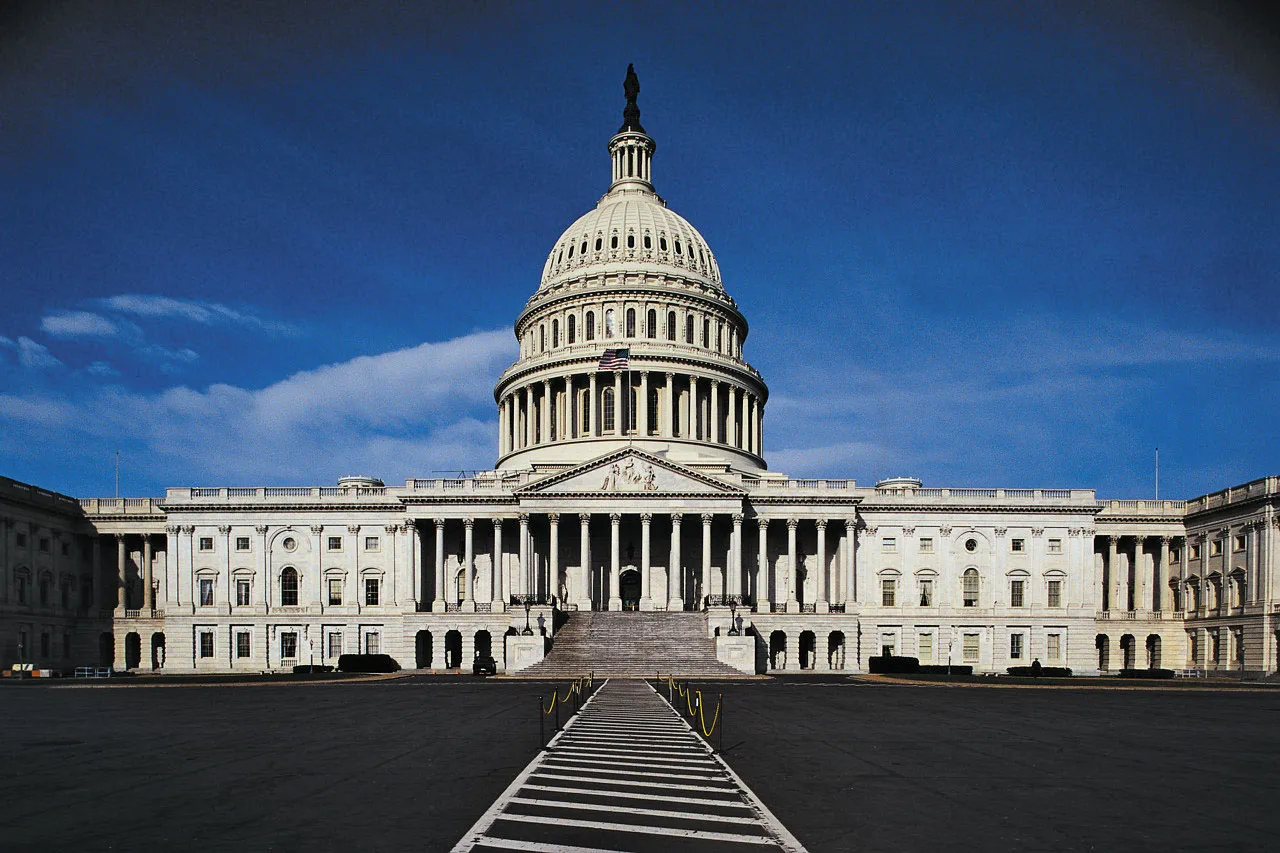
In modern practice, not every international commitment comes through the Treaty Clause. The United States also uses executive agreements, which generally come in two flavors:
Congressional-executive agreements, which rely on legislation or statutory authorization. Congress is involved, just not through the two-thirds Senate treaty vote.
Sole executive agreements, which rest on the president’s own constitutional powers. These are most vulnerable to reversal by a later president, and most likely to trigger separation-of-powers fights when they collide with existing statutes.
This is where election talk enters the room. If a deal is built primarily on presidential discretion, it can be reinterpreted, paused, or terminated by the next administration. That is not unique to Iran. It is a structural feature of executive power. Four-year elections create a natural instability for agreements that never passed through Congress.
So when you hear officials argue that a foreign government is “misreading U.S. presidential powers,” the subtext is often this: a president can negotiate quickly, but cannot always deliver permanence without Congress.
Congress still matters
If the president “owns” diplomacy, Congress “owns” a huge portion of what makes diplomacy real.
1) Sanctions are mostly statutory
Many U.S. sanctions regimes are created by Congress. A president may have waiver authority in some statutes, but the baseline rule is simple: the executive cannot bargain away a law. If an Iran understanding requires lifting sanctions that are written into federal statutes, Congress must act or the deal will be limited to what the president can waive temporarily.
2) Spending must be appropriated
Article I gives Congress the power of the purse. If implementation requires money, new programs, or sustained funding, Congress can refuse. That can function like a veto even when no formal vote on “the deal” exists.
3) Congress can legislate constraints
Congress can also change the legal terrain: requiring reporting, conditioning waivers, limiting funds, or setting triggers that force the executive branch to certify behavior before relief is granted.
This is why “Can a president make a deal with Iran without Congress?” has a maddeningly lawyerly answer: a president can make some deals, but not every deal can change U.S. law. If Congress has written the rules, Congress has leverage.
Do midterms matter
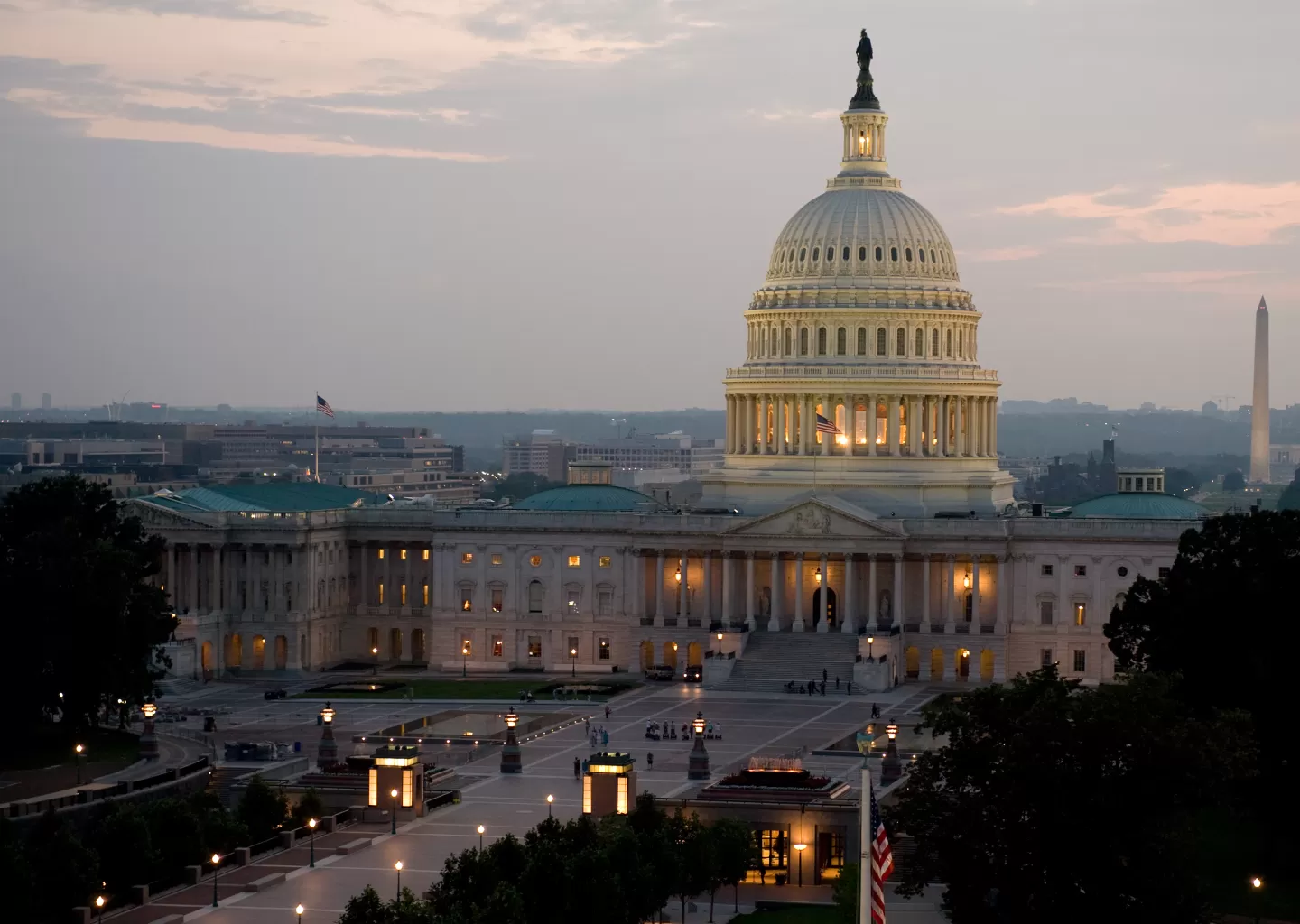
The Constitution does not say “midterm elections change foreign policy.” But midterms can change the composition of Congress, and that can change three practical realities that foreign governments care about:
Whether Congress will pass implementing legislation that makes an agreement durable.
Whether Congress will expand or restrict sanctions authorities, including waiver power.
Whether Congress will fund enforcement, verification, or security commitments.
Midterms also shape oversight. Hearings, subpoenas, investigations, and public pressure are not constitutional vetoes, but they can narrow an administration’s bargaining room by raising political costs.
From the outside, this can look like Washington speaking with two voices. Constitutionally, it is not a bug. It is the separation of powers doing exactly what it was designed to do: prevent a single official from binding the nation permanently, alone, in a high-stakes area like foreign commitments.
What courts will do
People naturally ask: can the Supreme Court settle this?
Sometimes. But foreign affairs disputes often run into judicial limits like standing and the political question doctrine. Courts are more likely to step in when there is a clear clash between an executive action and a statute, or when individual rights are implicated, than when the dispute is a pure power struggle between Congress and the president over how negotiations should proceed.
In other words, the courts can be a referee, but they are not always willing to take the field.

The durable takeaway
Under Article II, the president is the negotiator in chief. That is real power, and it is why diplomacy runs through the executive branch.
But the Constitution splits the difference between agility and permanence. A president can move fast. The Senate can make it stick as a treaty. Congress can shape or choke off implementation through sanctions and spending.
So if you are trying to understand who “actually has the power” in Iran talks, start here: the president controls the conversation. But Congress controls much of what turns a conversation into lasting national policy. Elections matter not because the Constitution rewrites itself every two years, but because the people keep choosing who gets to hold those levers.
Quick FAQ
Can a president make a deal with Iran without Congress?
A president can negotiate and can enter some forms of executive agreement, especially where existing law gives discretion. But if the deal requires lifting statutory sanctions, creating new programs, or appropriating money, Congress has to participate for the deal to be fully implemented and durable.
Is every international agreement a treaty?
No. Treaties require a two-thirds vote of the Senate. The U.S. also uses executive agreements, including congressional-executive agreements (backed by legislation) and sole executive agreements (grounded in presidential authority and often easier to unwind).
Why does the Senate matter if the president runs foreign policy?
Because the Constitution deliberately divides foreign commitments. The president leads diplomacy, but treaties need Senate consent. That design makes it harder for any single administration to bind the country long-term without broader political support.