
Fuel economy rules are one of those Washington phrases that sound simple until you ask the obvious question: who is actually in charge.
Politicians sometimes claim they have “terminated” an “EV mandate” by moving “fuel economy standards” in a new direction. That runs into a basic constitutional fact: the President is not Congress, and the President is not a federal agency. In modern government, most of the rules that shape what cars get built, what they cost, and what technology shows up under the hood are made through administrative law. That means statutes written by Congress, regulations written by agencies, and judges who can stay, vacate, or remand rules that skip the required steps.
Join the Discussion
What fuel economy standards are
There are two main federal rulebooks that people often mash together:
- CAFE standards (Corporate Average Fuel Economy), which require automakers to meet fleetwide fuel-economy targets across the vehicles they sell.
- Greenhouse gas emissions standards for vehicles, which limit pollution from cars and trucks and indirectly shape powertrains, including gasoline, hybrid, and electric vehicles.
Both sets of rules influence the same design decisions, but they do not come from the same legal source. That distinction matters because it determines which agency writes the rule, what procedures must be followed, and what a President can realistically change.
Who sets the rules
The Constitution gives Congress the power to pass laws. Congress then delegates limited rulemaking authority to executive-branch agencies to fill in the technical details.
For vehicle regulation, the key players are usually:
- NHTSA (National Highway Traffic Safety Administration), part of the Department of Transportation, which administers CAFE under the Energy Policy and Conservation Act (EPCA), as amended (including by the Energy Independence and Security Act of 2007, often called EISA).
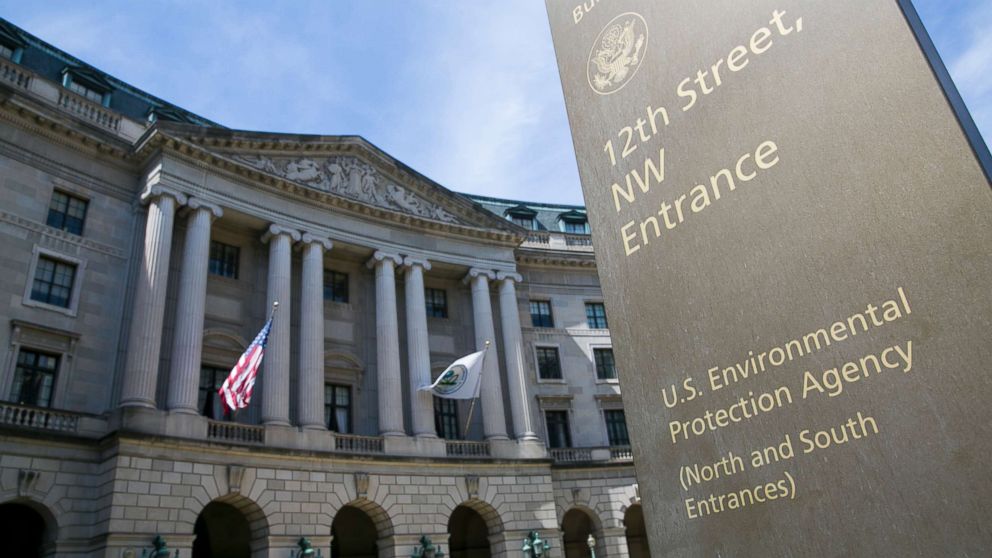
- EPA (Environmental Protection Agency), which regulates vehicle emissions under the Clean Air Act (CAA), including greenhouse gases.
- California, sometimes, because the Clean Air Act has a special waiver system that can allow California to set stricter emissions rules (not CAFE fuel-economy rules) that other states may adopt.
The President sits atop the executive branch and appoints the people who run these agencies. That is real power. But it is not magic-wand power. Agencies cannot rewrite binding regulations by press release, and the President cannot erase statutory duties that Congress put in law.

Can a President end mandates
A President can direct the executive branch to pursue different regulatory goals, but ending or replacing fuel-economy mandates depends on what, exactly, is being discussed.
1) If it is a statute, a President cannot end it
If Congress has commanded an agency to set standards, the President cannot simply decide the command no longer applies. The Constitution’s separation of powers runs straight through that scenario. Only Congress can repeal or amend a statute.
2) If it is an agency regulation, it can be changed, but not instantly
Most fuel-economy and emissions requirements that drivers feel in the showroom are implemented through regulations. Regulations can be revised or replaced, but the government must follow the process required by the Administrative Procedure Act (APA). That generally means:
- publishing a proposed rule with legal and technical justification,
- taking public comments,
- responding to significant comments in a reasoned way,
- and issuing a final rule that can survive judicial review.
Courts do not require an agency to keep the same policy forever. But they do require a reasoned explanation for a change, including grappling with important evidence and, in many cases, reliance interests that built up under the old rule.
3) If it is an EV mandate, it is usually shorthand
The federal government generally does not order consumers to buy an electric car. What people call an “EV mandate” is often the combined effect of emissions limits, fuel-economy targets, compliance credits, and state-level rules. Those tools can push manufacturers toward more EVs without a law that literally says “thou shalt sell EVs.” That is why political claims about “terminating” a mandate can be rhetorically powerful and legally imprecise.
What changes fastest
Even when rewriting a standard takes time, a new administration can move quickly in a few ways that are lawful and common:
- Pausing or reconsidering pending rules that have not taken effect yet, within the limits of the APA.
- Changing litigation positions, including whether to defend certain rules in court or to seek voluntary remand so the agency can reconsider.
- Shifting enforcement priorities, such as how aggressively to pursue penalties, audits, or compliance investigations. Agencies still must follow the law, but they have discretion in many enforcement decisions.
A key caveat: delaying a rule’s effective date can itself trigger APA requirements, and courts have struck down attempts to “freeze” rules without proper process. In other words, even the shortcuts have rules.
What takes years
To actually replace a major fuel-economy or emissions standard, the agency has to build a record. That record is what a court reads if the rule gets challenged.
Here is the constitutional tension hiding in the paperwork: agencies are part of the executive branch, but they make rules that look like legislation. Courts tolerate that arrangement because Congress authorized the agency to act and because the agency follows the APA’s procedures. This is also why fights over delegated power and the modern limits of agency authority tend to show up in big vehicle-rule cases.
For major rules, there is also typically review inside the executive branch, including Office of Management and Budget oversight through OIRA (the Office of Information and Regulatory Affairs). That is one way the White House can steer. But steering is still not the same thing as instant replacement.
If an agency issues a rule that appears untethered from its statute, ignores inconvenient evidence, or fails to answer serious objections raised during public comment, challengers can argue the rule is “arbitrary and capricious.” That is the APA’s most famous phrase, and it is where a lot of big regulatory fights are won or lost.
Timeline-wise, this is rarely quick. A significant rulemaking can take many months to multiple years, and automakers operate on model-year lead times that can make short-term policy swings feel like whiplash.
How drivers feel it
Fuel-economy and emissions rules affect consumers in ways that are easy to miss because the effects are indirect.
- Sticker price: Meeting stricter standards can increase manufacturing costs, especially in the short term. Those costs can be offset by technology improvements, scale, and competition, but the direction of pressure is real.
- Vehicle mix: Standards are fleetwide, so automakers may sell more high-mpg vehicles to balance less efficient trucks and SUVs, or they may redesign popular models to avoid compliance penalties.
- Technology adoption: Turbocharged smaller engines, hybrids, lightweight materials, stop-start systems, and EV platforms all become more or less attractive depending on the rule structure.
- Long-term fuel costs: Higher mpg reduces fuel spending over the life of a car. Whether a rule “saves money” overall depends on gas prices, financing, maintenance, and how long a buyer keeps the vehicle.
In other words, these are not just environmental policy. They are industrial policy, consumer-cost policy, and sometimes even national-security policy, because energy consumption and supply chains are part of the backdrop.
How manufacturers feel it
Automakers build products on long timelines. A platform decision made today can govern vehicles sold five to ten years from now. What they crave, regardless of politics, is predictability.
When standards swing hard from one administration to the next, manufacturers face a moving target. That is why industry responses often focus less on whether the number is high or low and more on whether the standard will remain stable long enough to justify investment decisions.
One practical complication is that the CAFE and EPA programs have often been coordinated in practice, but they remain legally distinct. When the programs drift out of alignment, compliance gets more complex, and the paperwork multiplies.
Legally, that creates a pressure point: courts sometimes view abrupt reversals skeptically, not because policy cannot change, but because the agency must explain why the old rule no longer makes sense under the statute or why new circumstances justify the shift. Administrative law does not ban flip-flops. It makes them expensive.
Where the Constitution shows up
Fuel-economy standards are a case study in the Constitution’s most modern battleground: the administrative state.
- Congress writes the statutes that authorize and constrain agencies.
- The President supervises the executive branch and sets regulatory priorities.
- Agencies write detailed rules through APA procedures.
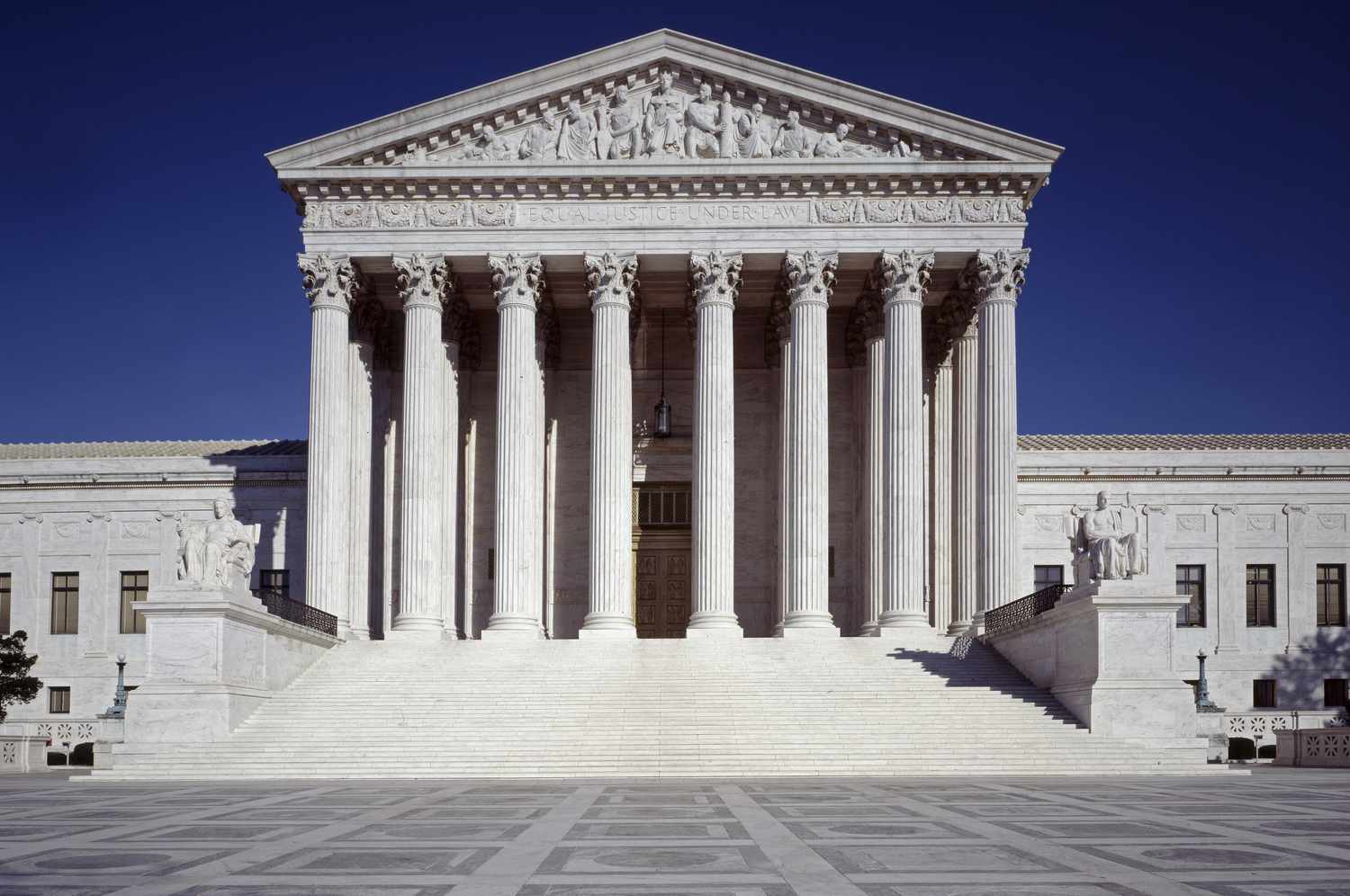
- Courts review whether agencies stayed within statutory authority and used reasoned decision-making.
This is not a technical footnote. It is the structure that decides whether a “new standard” is legally durable or just a temporary detour that collapses at the first lawsuit.
FAQ
Is there actually a federal law that forces Americans to buy EVs?
Generally, no. The federal system more often works through standards imposed on manufacturers, not purchase mandates imposed on consumers. Those standards can strongly encourage EV production, but that is different from forcing a specific purchase.
If a President announces new standards, are they automatically in effect?
No. Binding standards normally take effect only after an agency completes the rulemaking process and publishes a final rule with an effective date, subject to any court orders.
Can courts stop a new fuel-economy rule?
Yes. Challengers can seek a stay, and courts can vacate or remand rules that exceed statutory authority or violate the APA.
What is the quickest way to permanently change the system?
Congress can amend the underlying statutes. That is the most durable route because it changes the agency’s legal marching orders rather than just changing the marching tempo.
The bottom line
A President can set the direction, appoint the leadership, and tell agencies to rewrite rules. But the President cannot personally “terminate” fuel-economy mandates in the way a CEO cancels a company policy.
In constitutional terms, fuel-economy standards live in the space between branches: Congress authorizes, agencies regulate, courts review, and the White House steers. That system can produce major change, but it does so through procedure. And procedure is the point. It is how modern American power is supposed to leave fingerprints you can challenge in public.