
You can hear a sound without searching anyone. That is the common-sense starting point.
But modern policing is building a new chain of inference: a “bang” becomes a digital alert, the alert becomes a mapped “event,” and the event becomes a database query that can surface a list of vehicles that happened to be nearby. At the end of that chain could be a traffic stop, a search of a car, or other investigative steps. And somewhere along the way, the Fourth Amendment is supposed to have something to say.
This is the constitutional puzzle created when gunfire detection and automated license plate readers are sold as a single workflow. Sound becomes a police sensor, and sensors have a way of quietly turning the public square into a place where everyone is traceable, sortable, and suspicious by proximity.
Join the Discussion
The bundle
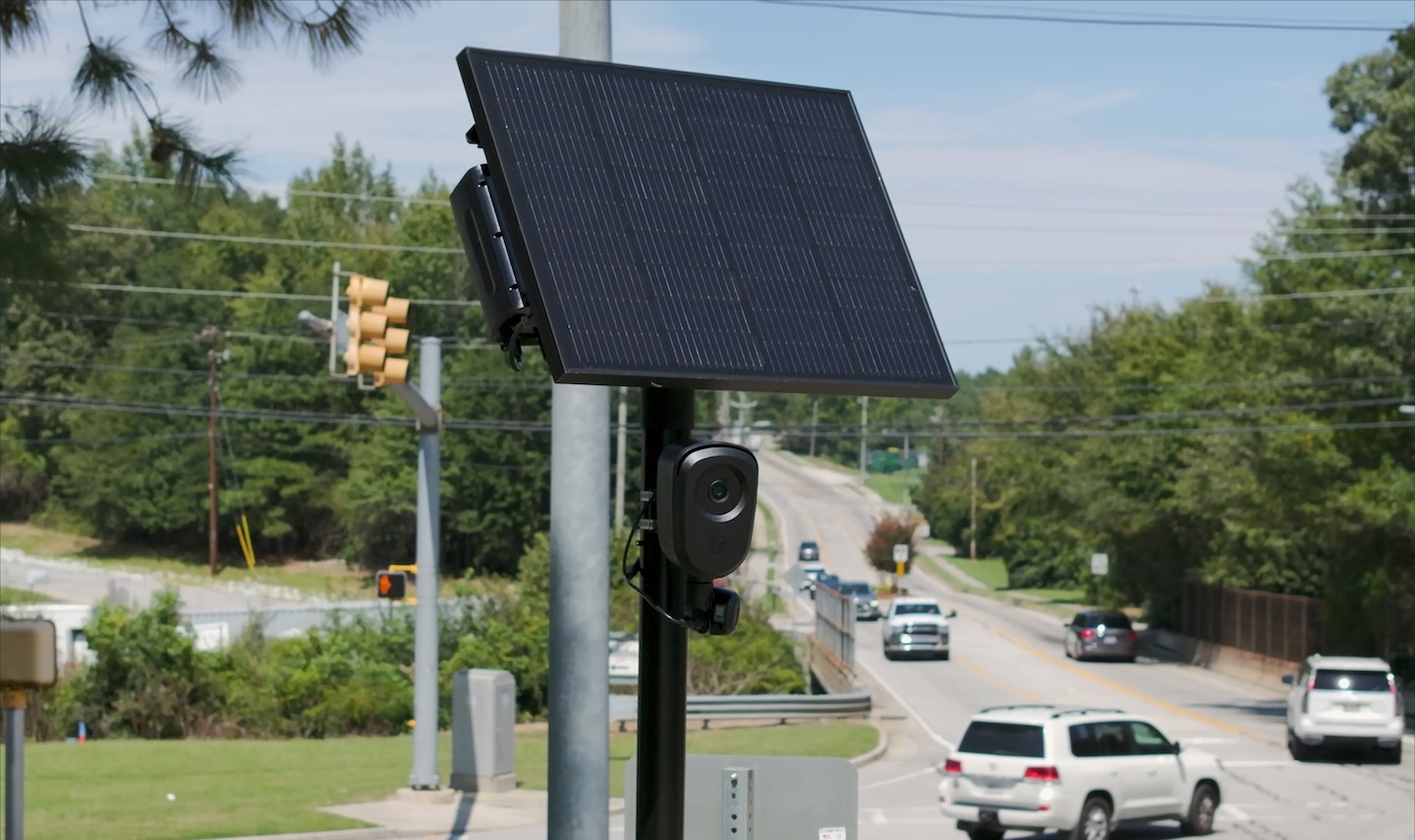
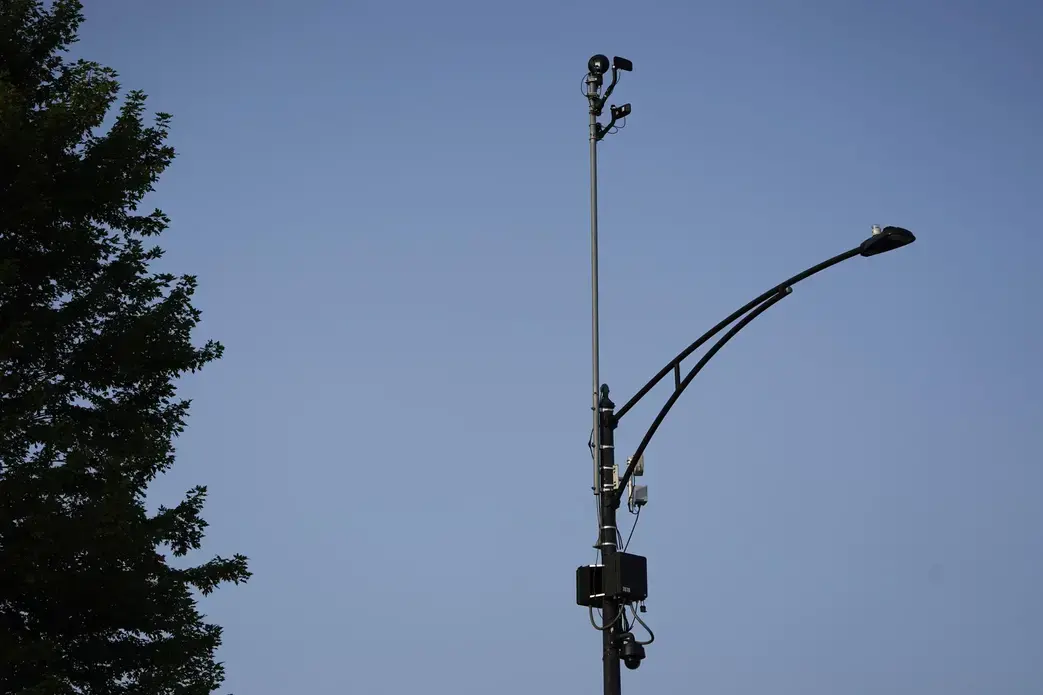
Flock Safety is best known for roadside cameras that scan passing cars. But Flock also offers a broader “Safe City” subscription that includes automated license plate readers (ALPRs), a live video camera, and a gunfire microphone.
The key issue is not merely that a city can detect a possible shooting faster. It is what happens next.
Flock’s own marketing describes the next step plainly: when the system treats an incident as a confirmed gunshot, it "can surface the vehicles seen entering or leaving the area around the time of the sound, using nearby Flock license plate reader cameras." That is not an officer canvassing witnesses. It is a machine turning sound into a list of plates.
Once that list exists, it is tempting to treat it like a suspect list, even though most of the vehicles on it will have done nothing except drive through a particular place at a particular time.
How common is this tech?
Gunshot detection is not a single device or a single vendor, and it is not easy to quantify. The Electronic Frontier Foundation’s Atlas of Surveillance documents nearly 250 gunshot-detection deployments and purchase plans nationwide, although that includes programs that have since ended.
Cities also use other approaches, including AI systems designed to detect visible firearms on video and systems that combine acoustic sensors with dual-sensor infrared cameras to detect gunshots. And gunshot detection is a real market: the global gunshot detection market has an estimated total value of $1.5 billion.
Why proximity is dangerous
Reasonable suspicion is supposed to be individualized. The Fourth Amendment tolerates brief investigative stops, but only when police can point to specific, articulable facts that connect a particular person to suspected wrongdoing.
Gunfire alerts threaten to blur that standard, because they are inherently location based. If the system declares “gunshot at X,” the next question becomes “who was near X?” That sounds practical. It is also the logic of a dragnet.
This matters even more after New York State Rifle & Pistol Association v. Bruen (2022), which recognized a constitutional right to carry a handgun in public for self-defense. In other words: seeing, or suspecting, armed people in public is not automatically the same thing as suspecting criminals.
That principle surfaced in United States v. Daniels (10th Cir. 2024), which involved the detention of an unarmed man who did not match a 911 caller’s description of armed men. The court noted that no crime was reported and, citing Bruen, said it "cannot look with suspicion on citizens presumably exercising their Second Amendment rights in a lawful way." The warning is straightforward: lawful gun ownership cannot be the shortcut that fills the gaps in weak Fourth Amendment suspicion.
Now add today’s reality: more than 20 million people have carry permits, and 29 states do not require them. If “proximity to a bang” reliably sweeps in lawful gun owners, then the system is not just detecting violence. It is manufacturing suspect pools that inevitably include constitutionally protected conduct.
False alerts, real consequences
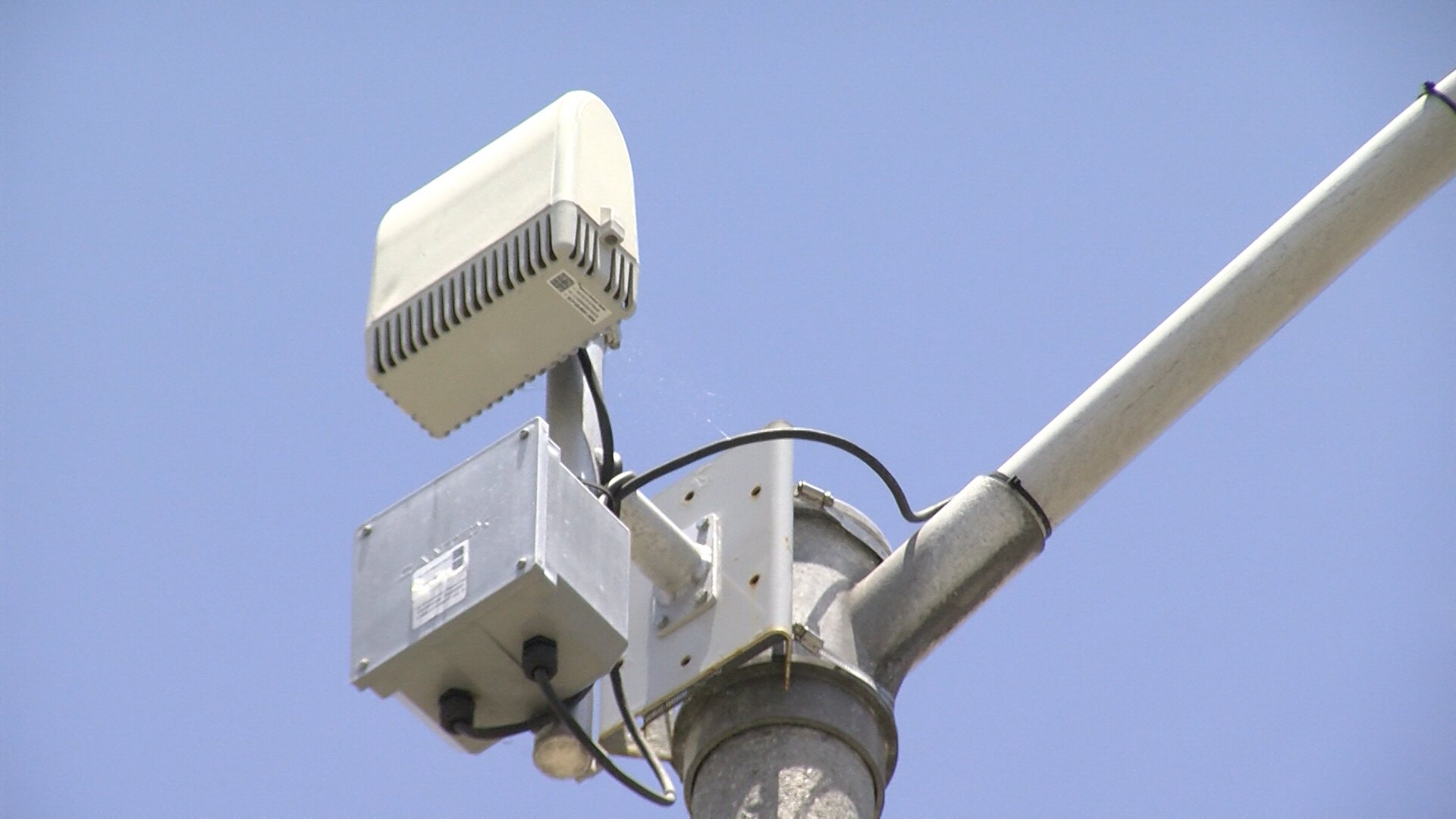
Gunshot detection is not magic. Systems can misclassify loud noises. Fireworks, construction, backfiring engines, and other sharp sounds can resemble gunfire, particularly when a system is designed to err on the side of alerting police quickly.
That technical reality becomes a constitutional reality the moment an “alert” is treated like evidence rather than a lead. An error at the sensor level does not stay small. It can become the first domino that triggers plate lookups, patrol responses, and stops that feel justified only because the system sounded confident.
The harder question is not whether police should respond to possible violence. Of course they should. The question is what constitutional friction we demand before a generalized “something happened here” turns into “these are the people we are going to investigate.”
What courts are doing
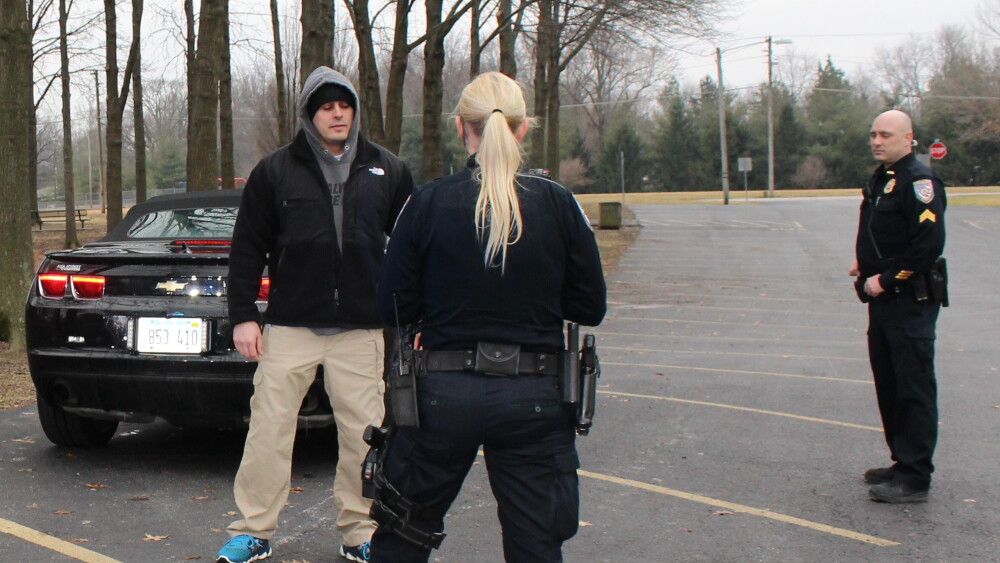
Courts are beginning to face these cases in the context most familiar to Fourth Amendment doctrine: the street stop.
In Commonwealth v. Foster (Pa. 2026), the Pennsylvania Supreme Court upheld a stop after officers responded within seconds to late-night gunfire-microphone alerts, encountered only two people near the area, and observed behavior the court viewed as evasive. That kind of fact pattern fits traditional Terry stop reasoning: quick response, limited potential subjects, and additional observations beyond the alert itself.
But the bigger risk is a different pattern: an alert triggers a plate sweep, and then the plate sweep becomes the “individualized” link that is treated as enough to justify stopping a vehicle. Proximity becomes the substitute for evidence.
That risk showed up in State v. Carrillo (N.J. App. Div. 2026) (unpublished), where a court ordered suppression after concluding a gunshot alert and an ALPR hit did not sufficiently connect a minivan to an alleged shooting from the day before. The police searched the minivan after obtaining a warrant. Prosecutors conceded a critical point: video claimed to show muzzle flashes from the minivan did not, in fact, show any muzzle flashes. The lesson is not subtle. If the underlying justification is weak, the Fourth Amendment can still bite, even when warrants enter the story later.
Is the query a search?
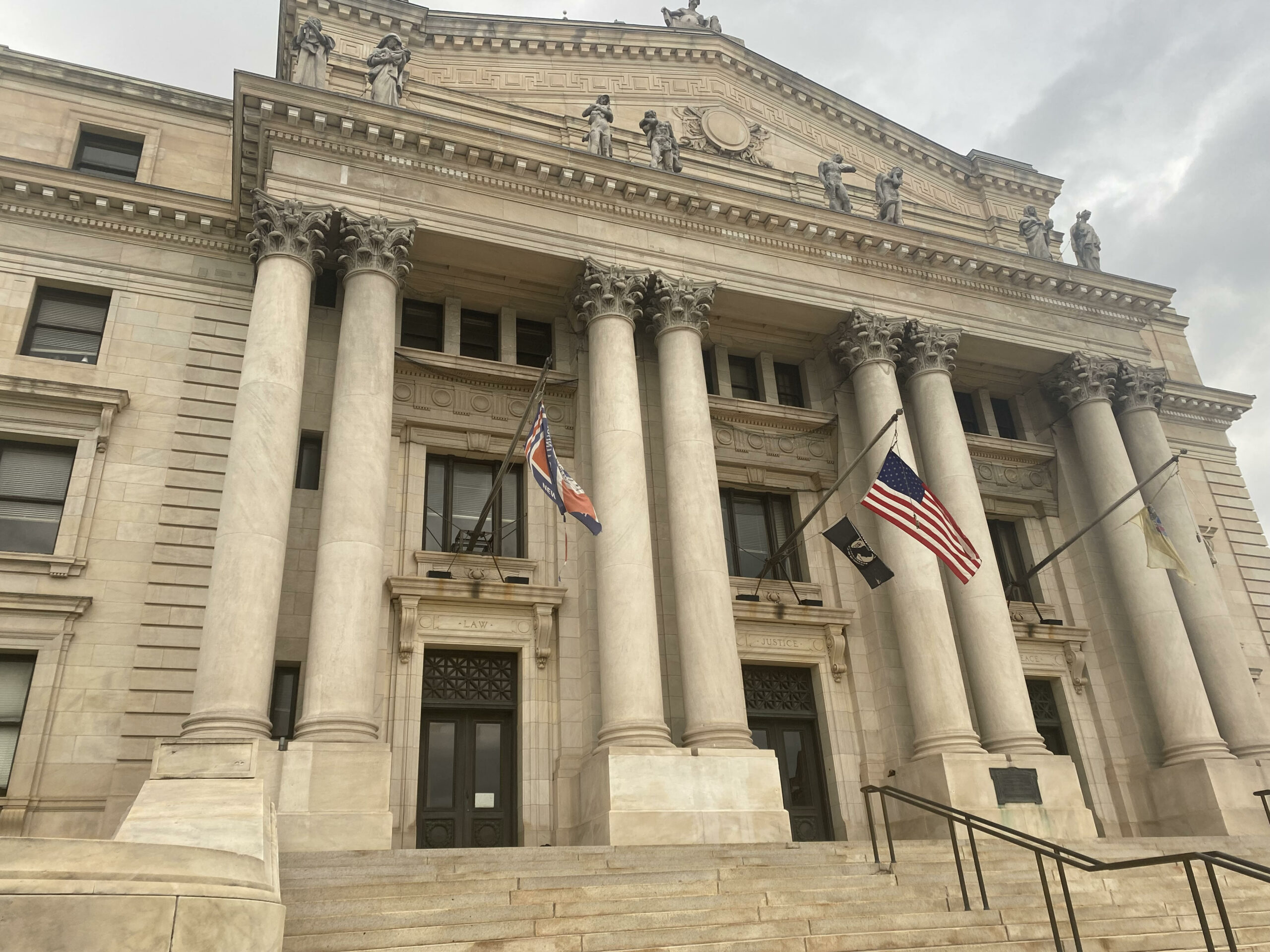
Searching a car is obviously a Fourth Amendment event. The more modern question is upstream: when police query a surveillance database to generate a list of vehicles near a place and time, have they “searched” in the constitutional sense?
Courts are split on related technology.
- United States v. Porter (5th Cir. 2026) held that using a 10-camera license plate reader network to locate a known vehicle was not a Fourth Amendment search.
- In Chatrie v. United States (2026), the Supreme Court held that obtaining Google location records to identify people near a crime scene was a search.
Those cases are not identical. License plate readers capture a car at specific points. Location histories can paint a portrait of a person’s movements across time.
Still, an alert-triggered “who was near here?” query has the same structural shape as the location-history problem. The government is not just tracking someone already suspected of wrongdoing. It is using a sensor event to identify the people who were nearby, and then working backward to build suspicion.
The Fourth Amendment has always been most anxious about that logic. General warrants were not hated because they were sloppy paperwork. They were hated because they inverted the order of things: search first, justify later.
Safety is not the end
Defenders of gunshot microphones will say that gunfire on city streets is usually illegal and that responding quickly saves lives and reduces violence. But effectiveness is not the same as constitutionality, and the empirical record is mixed.
A federally funded evaluation of ShotSpotter deployments in Chicago and Kansas City, Missouri found the system was associated with faster responses and more recovered firearms, but did not produce fewer shootings or higher clearance rates. That is not a moral verdict on the technology. It is a reminder that if a city is going to normalize sweeping surveillance workflows, the gains should be real, not assumed.
Four guardrails
If your city is buying or renewing these systems, the constitutional question is not whether police can ever use them. It is whether the city will build rules that prevent the system from turning ordinary movement, and lawful gun ownership, into machine-generated suspicion.
1) Warrants for plate sweeps
Except for true exigent circumstances, cities can require police to get a warrant before running an alert-triggered ALPR query. A warrant can impose time limits and geographic limits. That matters, because “nearby” can quietly expand from a small radius into an entire neighborhood.
2) No linking without a vote
Bundling changes the nature of the system. A city that authorized plate readers for car theft investigations may not have knowingly authorized a gunshot microphone that generates plate lists after loud noises. Linking those tools should require a public hearing and a vote.
3) Log, audit, delete
Fourth Amendment doctrine often turns on whether surveillance is targeted or routine. Auditable logs make abuse easier to spot, and deletion limits keep “not a suspect” from becoming a permanent database category.
4) No stops on proximity alone
This is the rule that protects the heart of reasonable suspicion. A stop or search based solely on “alert plus proximity” should not be allowed. If police need additional facts beyond proximity, the system becomes a lead generator rather than an automated suspicion machine.
The bottom line
Flock-style bundling forces a question the Fourth Amendment has not fully answered: when does ambient data collection become a search, not because of what an officer saw, but because of what a system inferred?
In the analog era, sound was a clue. In the sensor era, sound can be a trigger that automatically assembles a list of people to investigate. That is the shift. It is not only about technology. It is about the order of operations in a free society.
The Fourth Amendment was written for a world where government had to choose its targets carefully, because searching was expensive. Today, searching is cheap, and suspicion can be generated at scale. That does not mean the Constitution is obsolete. It means we have to insist, again and again, that technology does not get to rewrite the relationship between the citizen and the state.
Quick questions
Is an alert enough for a stop?
Not always. An investigative stop requires reasonable suspicion tied to a person or vehicle. Courts tend to look for additional facts, such as behavior, timing, witness reports, or a stronger connection than mere presence nearby.
Is an ALPR query a Fourth Amendment search?
Some courts have said no in certain contexts. But the Supreme Court’s recent approach to location-based digital dragnets suggests that broad “who was near here?” queries can cross the line, especially when they are used to identify suspects rather than to locate a known suspect.
What should citizens ask city council?
Whether gun detection alerts are linked to ALPRs, what the time and distance limits are on alert-triggered queries, how long data is retained, who can access it, and whether audits and deletion policies are mandatory.