
Here is the question I would put on the board if I still had my classroom: What happens to the Fourth Amendment when the police stop searching for evidence and start searching a database?
For most of American history, a “search” looked like a person. An officer turned a doorknob, opened a drawer, patted down a coat. The Fourth Amendment grew up around that physical world, where intrusion had a shape and a cost.
Now the intrusion is often a login.
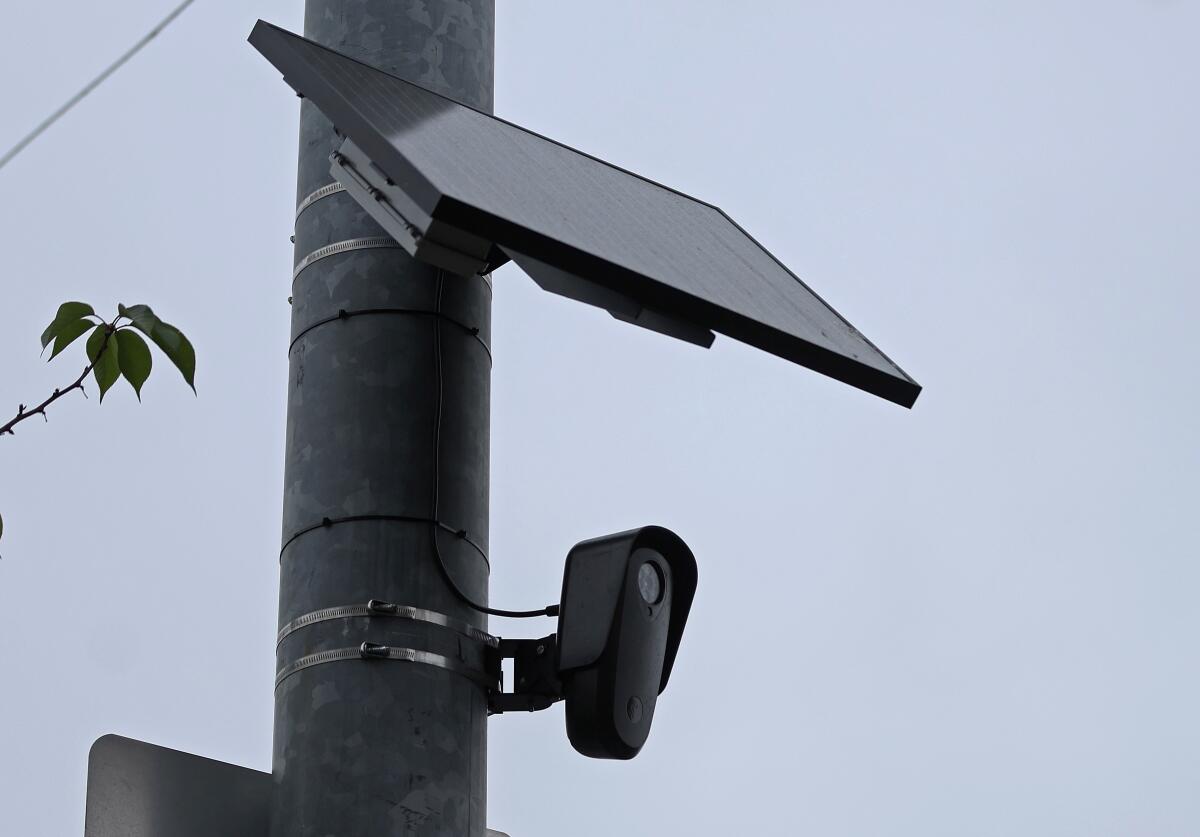
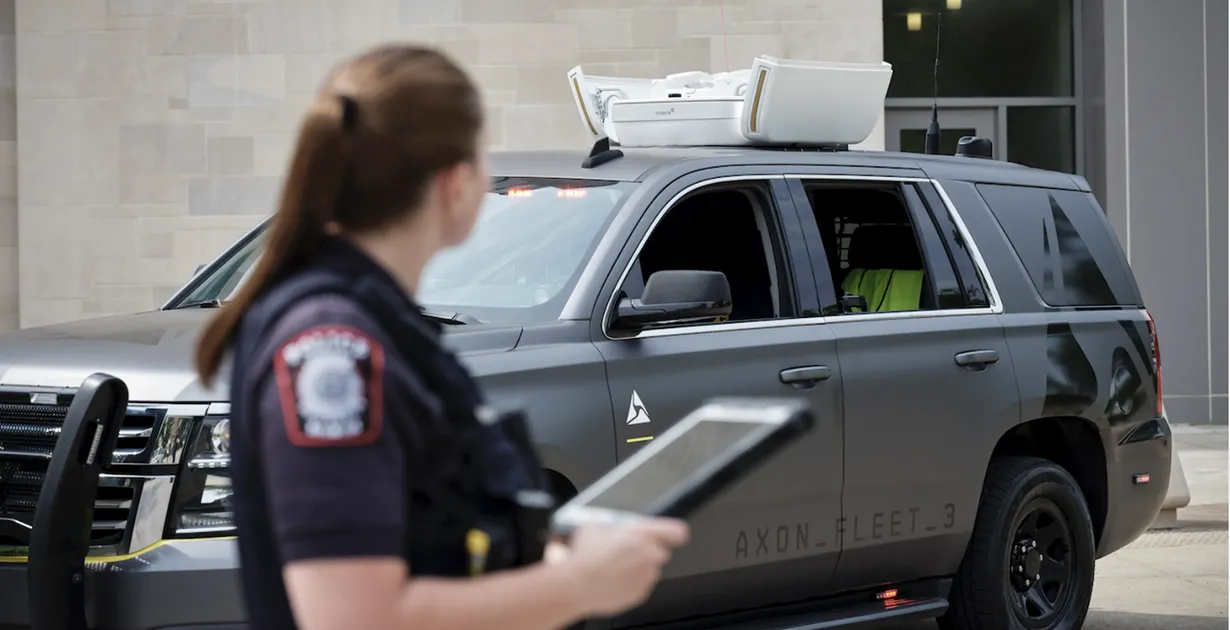
Automated license plate readers, or ALPRs, are a clean example because they are easy to understand. Cameras mounted on poles or patrol cars scan plates, stamp them with time and location, and feed the results into a searchable network. Agencies can share that network across city lines and state borders. With a few taps, an officer can pull up where a vehicle has been over time, sometimes across thousands of cameras.
And the uncomfortable truth is that these systems are increasingly used not only for the headline crimes that sell the technology, but for the small stuff, the messy stuff, and the stuff that looks a lot like curiosity.
Join the Discussion
The petty case problem
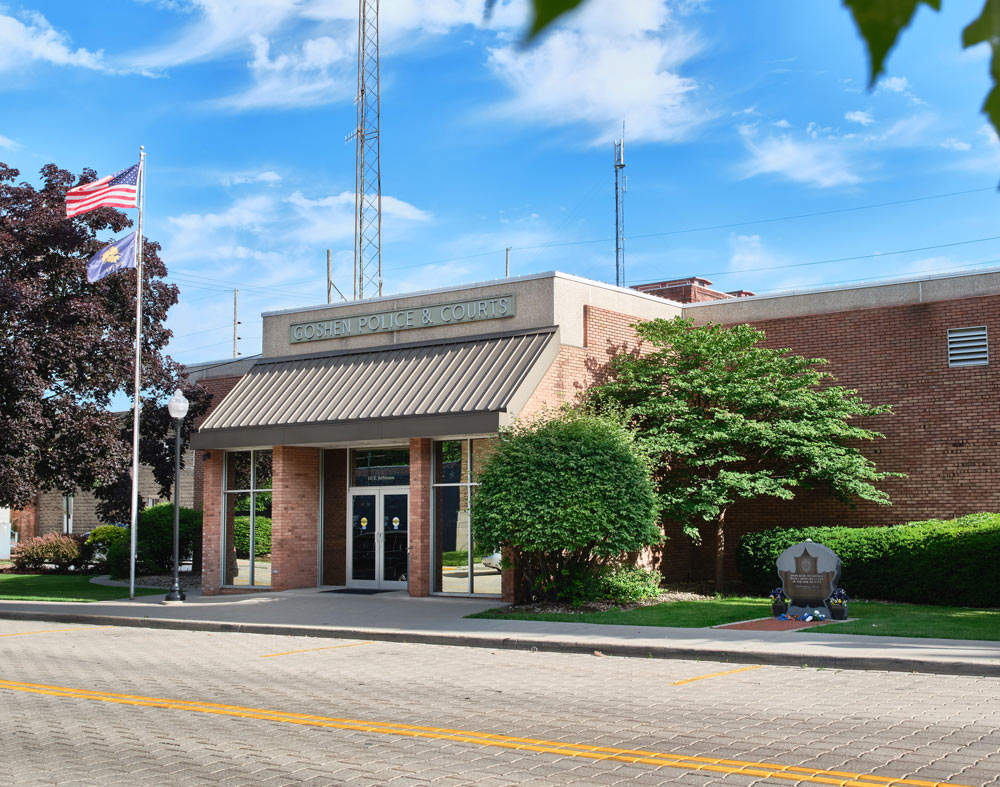
Public records have shown officers entering reasons for ALPR searches that read like a teenager texting in the back row. On May 7, 2025, a Goshen Police Department officer ran searches across 6,474 ALPR networks representing data from 82,413 cameras, and typed “idk” into the field meant to justify the search.
Other audit logs show “LOL,” “LMAO,” “Hehe,” “Haha,” and “TBD” being used as placeholders for “why I needed this person’s location history.” Some logs include insults or crude descriptors such as “sexy,” and in some cases officers appear to be mashing keyboard buttons rather than articulating the nature of their searches. One Pasco Police Department employee even wrote: “robbery i don't remember the case number leave me alone”.
If you need a scale check, here is one: more than 30 agencies ran more than 6,300 searches with “TBD” as the “reason.” The Priceville Police Department alone ran 1,954 searches with “TBD.”
There are two ways to interpret that. The generous interpretation is that officers are rushing, the software is clunky, and the justification box feels like paperwork nobody reads. The less generous interpretation is that the box is theater. Either way, the result is the same: a surveillance tool pitched as exceptional becomes routine, and routine becomes casual.
This is the heart of the petty-case problem. A mass surveillance system is not only capable of solving a kidnapping. It is also capable of checking whether a teenager “really” lives in a school zone, following up on a loud-music complaint, or seeing where an ex has been driving. The technology does not know the difference between emergency and nuisance. It just collects. It just remembers.
What the Fourth Amendment says
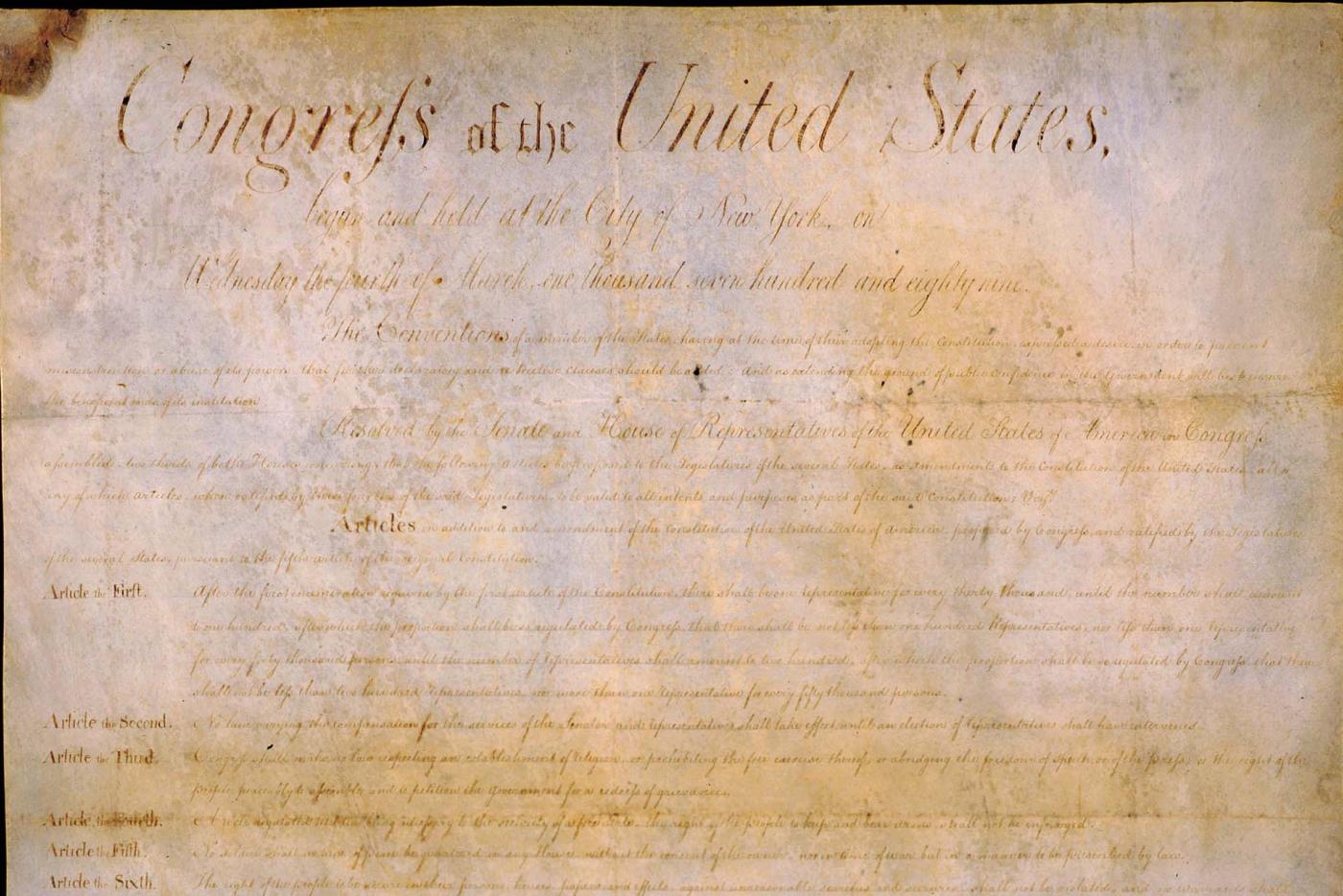
The Fourth Amendment does not say “no surveillance.” It does not even say “get a warrant for everything.” It says:
“The right of the people to be secure in their persons, houses, papers, and effects, against unreasonable searches and seizures, shall not be violated, and no Warrants shall issue, but upon probable cause...”
So the constitutional hinge is not technology. It is reasonableness. And the second hinge is what counts as a “search” in the first place.
If you want to understand why modern data tools cause so much legal confusion, start here: a system can be deeply invasive without looking like the kinds of intrusions the Founders had in mind. A camera in public feels, to many courts, like an officer watching a street corner. But a network of cameras with retention and easy sharing is something else entirely. It turns public movement into a personal dossier.
Observation and aggregation
In plain English, the law has long been comfortable with this idea: if you expose something to the public, the government can often observe it without a warrant. License plates are visible. Cars drive on public roads. People pass through intersections. Nobody has to break into your house to see any of that.
But ALPR systems are not just “seeing.” They are collecting at scale, retaining it, sharing broadly, and making it searchable.
That is where the doctrine gap opens up. Our instincts tell us that extended movement history is different from a moment of observation. The Fourth Amendment, as currently applied in many places, does not always treat it as different.
And that gap is exactly where petty investigations thrive. When a tool is cheap to use, hard to see, and often does not require judicial permission, it will be used for whatever walks through the door, not just the dramatic cases discussed at budget hearings.
What it does not require
This is the part readers often dislike, but it matters: the Fourth Amendment does not automatically demand a warrant every time the government collects data about you.
It requires that searches be reasonable, and it requires probable cause for warrants when warrants are required. But a lot of data gathering lives in the gray zone of “not a search” under older assumptions, especially when the data is created in public or obtained from third parties.
That is how you get a world where an officer can run a query on a person’s vehicle movements and treat it like checking a filing cabinet. It is also how you get agencies leaning on policy language, dropdown menus, and internal audits instead of judges.
Flock Safety has said it improved its system by requiring officers to select from a dropdown list of offense types before running a search. That may reduce the childish text entries in audit logs. It also makes it easier to hide improper searches behind the veneer of uniformity, because the system does not require proof that the dropdown reason actually matches the true purpose of the search.
What it should demand
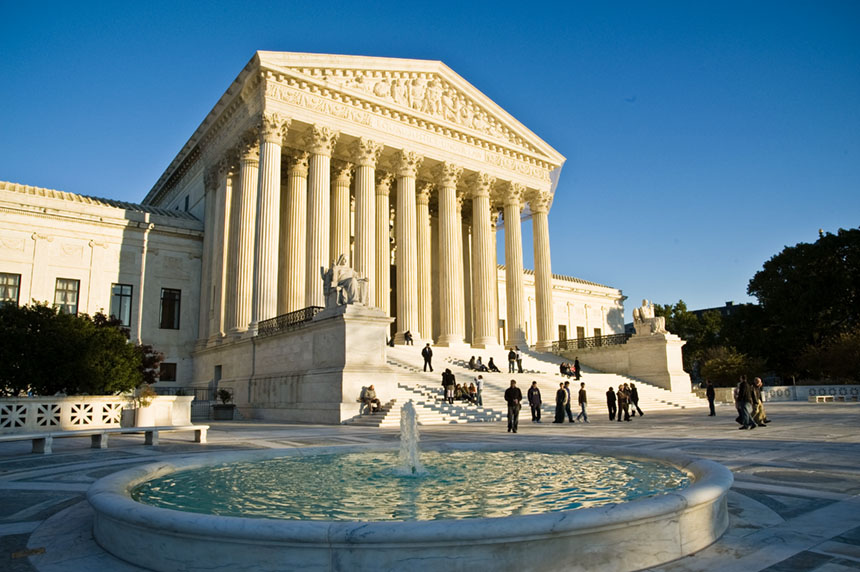
Even when the law is behind the technology, constitutional principles still give us a way to think clearly.
- Particularity: The Fourth Amendment’s warrant clause is obsessed with specificity for a reason. Mass databases are the opposite of particular. If the state can search everyone to find someone, it flips the constitutional default from targeted suspicion to general rummaging.
- Accountability: A “reason” field that can be filled with “idk” is not accountability. It signals a culture where meaningful auditing is not expected to bite very often.
- Proportionality: The Fourth Amendment does not use that word, but reasonableness has always had a proportional feel. Using a high-powered tracking network for low-level complaints is exactly the kind of mismatch that should trigger stricter rules.
None of this requires you to be anti-police or pro-crime. It requires you to be pro-constitutional limits. A free society is not one where the government never collects information. It is one where the government is forced to justify itself, in advance, when the tool is powerful enough to be abused.
The local question
City councils and county boards often hear a familiar pitch: ALPRs will help solve violent crime, recover stolen cars, and find missing people. Sometimes that is true. But the constitutional question is not whether the tool can do good. The question is whether the tool can be used without meaningful guardrails, without reliable audits, and without consequences when the rules are ignored.
And when agencies get caught, the responses can be telling. Richmond Police Department has said officers involved with “Hehe” and “idk” searches were “counseled.” The San Diego County Sheriff’s Department has said it checked the cases where “idk” was used and determined “there was an active investigation associated with the searches,” while also noting the reason field had been optional at the software level at the time.
So here is the question I would ask any department seeking to expand mass surveillance: What is the stopping point?
If the answer is a dropdown menu, or a policy that no one reads, or an audit that often only becomes visible after a public records request, then we have not built guardrails. We have built a bigger engine and told ourselves it will behave.
The Fourth Amendment is a mirror. In the age of databases, it reflects a hard truth: we have gotten very comfortable with searches that do not look like searches. And once a society learns to treat surveillance like a shortcut, it will use it for the petty cases first, because petty cases are where accountability goes to die.