

When people hear “Comstock Act,” they often assume it is a relic: a Victorian-era morality statute, technically still on the books but with little practical relevance today.
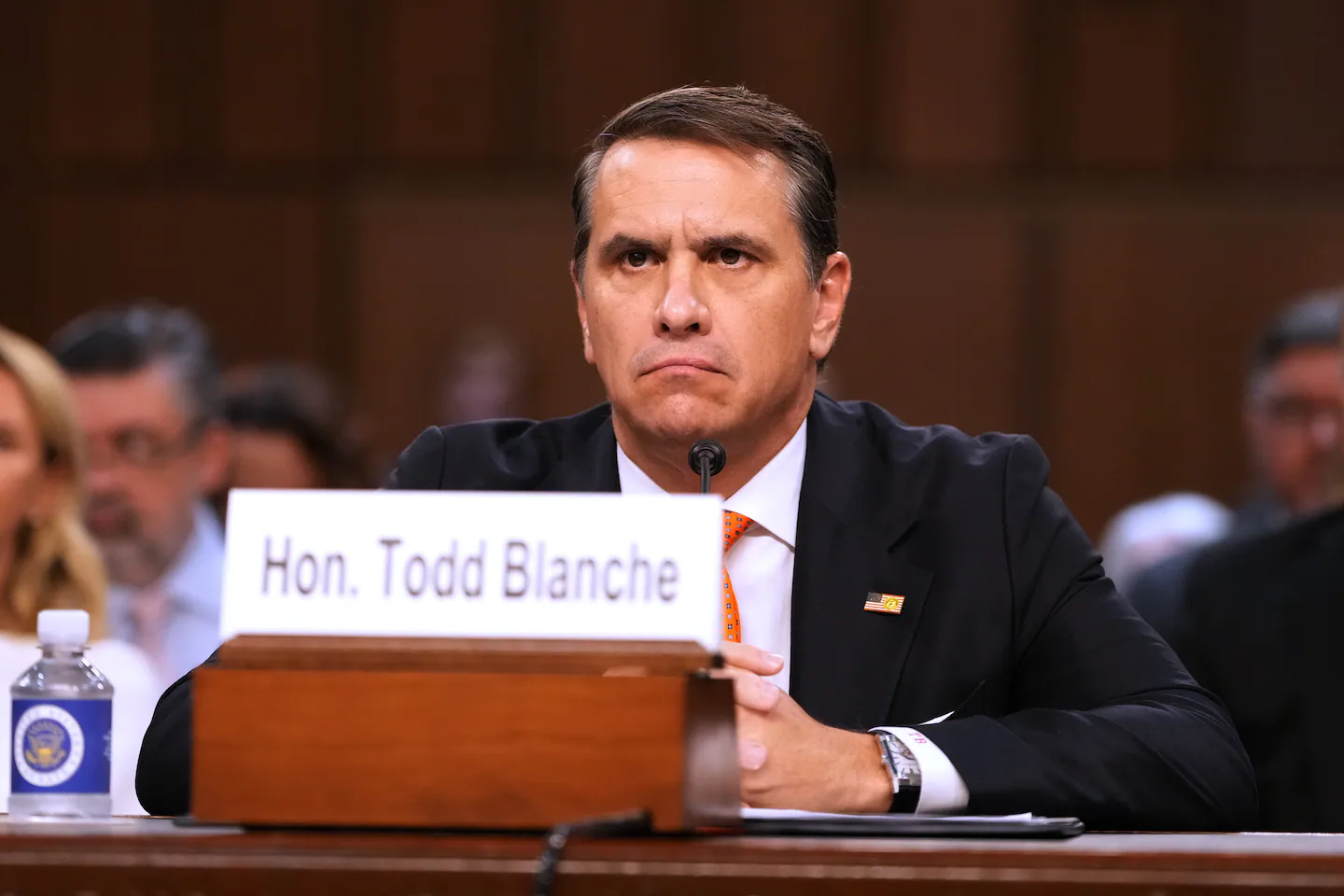
But the law is back in the spotlight after the Restoration of America Foundation urged Attorney General Todd Blanche to use it against mail-order abortion pill shipments. The group argues that sending abortion drugs through the mail violates the statute.
Join the Discussion
What is happening
The Restoration of America Foundation has released a new report calling on the Trump administration to take action against mailed abortion drugs. The group argues that Democrat-led states’ shield laws, which are designed to protect providers in blue states from being prosecuted by GOP state governments, allow providers to ship, or are being used by providers to ship, mifepristone into red states “with no in-person exam or verification of who takes them or whether they take them willingly.”
The organization is urging Blanche to enforce the Comstock Act, a federal law from 1873 that criminalizes sending certain abortion-related materials through the mail. The group argues enforcement would stop shield laws from protecting mail-order medication abortions.
What the Comstock Act is
The Comstock Act is an 1873 federal law that criminalizes using the mail for certain categories of abortion-related materials. In its report, ROAF frames the dispute as how that 19th-century statute should be applied in an era when medication abortions can be prescribed via telehealth and shipped to a patient’s home.
Why mailed pills are central
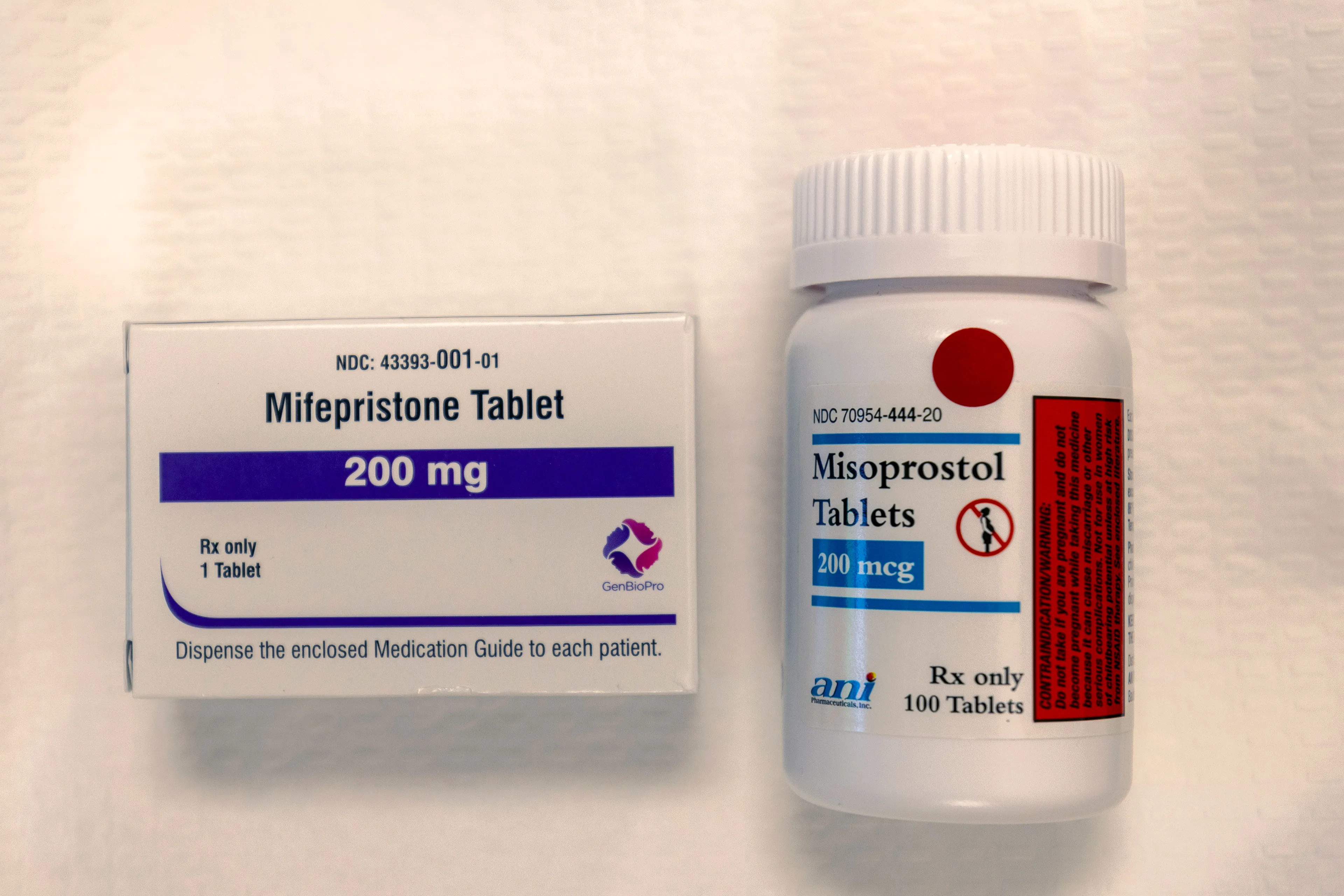
The controversy centers on medications used in a common drug regimen for abortion, including mifepristone and misoprostol. ROAF links the rise of mailed medication abortions to the way shield laws are being used across state lines.
The group also attributes growth in mail-order abortions in part to FDA policy changes that suspended the in-person dispensing requirement during the COVID-19 pandemic and later made the change permanent, allowing abortion drugs to be prescribed through telehealth and mailed to patients.
What DOJ said in 2022
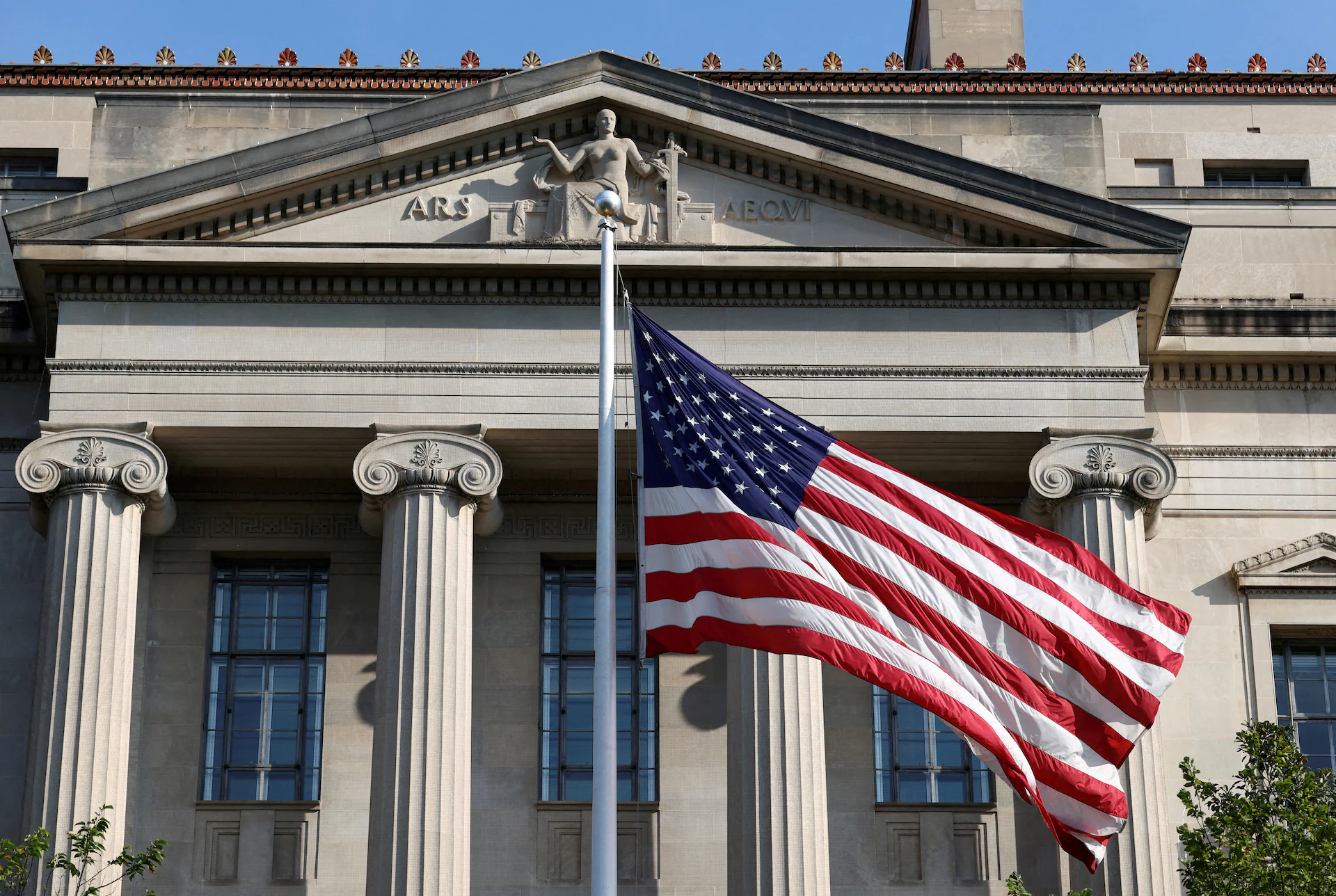
After the Supreme Court overturned Roe v. Wade, the Justice Department’s Office of Legal Counsel under the Biden administration issued a December 2022 opinion concluding that the Comstock Act does not prohibit mailing mifepristone or misoprostol when the sender lacks intent that the recipient use the drugs unlawfully.
ROAF is urging the department to withdraw that opinion.
What ROAF wants next
In addition to withdrawing the December 2022 OLC opinion, the Restoration of America Foundation says the Justice Department should investigate providers and organizations involved in mailing the drugs and enforce the 150-year-old federal law, which the group argues would effectively ban the mailing of abortion drugs nationwide.
Doug Truax, the group’s CEO, described the timing of the report as tied to Planned Parenthood’s 110th anniversary in the United States, with the nation’s largest abortion provider commemorating its Oct. 16, 1916, founding later this month.
“As we come up with this anniversary for Planned Parenthood, we think it's a good moment to release this paper. We really want to talk about the Comstock Act and the impact it could have on abortions going forward in this country,” Truax said.
Truax also put the request in straightforward terms: “The Comstock Act says it's illegal to put these drugs in the mail, so we're just asking them to enforce the law.”
And he argued the end of Roe changes the practical landscape: “We are asking the administration to take a step back and say, okay, when Roe was the law of the land, Comstock was unenforceable. But since Roe is out, Comstock is back on the table, and it is valid law, and it is illegal to put abortion drugs in the mail. You have thousands of people in basically blue states mailing a ton of pills around this country ... it's resulting in the amount of deaths that we're talking about here. So this is an illegal action that they're taking. We just want you to enforce Comstock, and it will save hundreds of thousands of lives going forward,” Truax said.
Truax also connected enforcement to politics: “It's a great way to get momentum back on our side in the pro-life community, which, frankly, I think the president and all conservatives around the country would appreciate now, as we head into November 3, and then, especially as we head into the next election cycle,” he added.
Blanche, for his part, said during his confirmation hearings over the summer that he would review how the Justice Department interprets the Comstock Act.
Key figures ROAF highlights
The Restoration of America Foundation’s report describes mail-order medication abortions as a rapidly growing share of abortion access. Among the report’s claims:
- Nearly 15,000 medication abortions each month were provided under blue state shield laws by June 2025.
- By the end of 2024, about 15% of all U.S. abortions were through medication mailed to women in states with abortion restrictions.
- The group estimated mail-order drugs were “directly responsible” for more than 300,000 abortions in 2025 alone.
- The group cited an insurance claims analysis it said found serious adverse health events following 10.9% of drug-induced abortions from 2017 through 2023, which it described as roughly 22 times the rate reported on the FDA-approved label for the regimen. The group said the rate reached 11.2% in 2023.
The bottom line
ROAF is asking the Trump administration and Attorney General Todd Blanche to treat mailed abortion pills as illegal under the Comstock Act and to reverse the Biden-era OLC interpretation that focused on the sender’s intent. Blanche has said he plans to review how the Justice Department interprets the law.