
The headline makes it sound like a single switch got flipped: a federal judge ordered the Department of Homeland Security (DHS) to restore voter verification features tied to the SAVE system. But the story underneath is older and more structural. It is about what the federal government can provide, what states control, and what federal law requires when someone claims they are a U.S. citizen on a voter registration form.
Note: Court fights over SAVE access tend to turn on case-specific details, such as what DHS changed, which users were affected, and what a judge actually ordered. If you are reading this because of a particular ruling, treat this as a general explainer unless you have the case name and order in front of you.
SAVE is not a voter list. It is not a ballot database. It is a DHS verification tool that approved agencies can query to confirm a person’s immigration status and, in some cases, citizenship-related information reflected in DHS records. Whether and how a state uses it in election administration sits at the intersection of state-run elections and federally protected rules for federal elections.
Join the Discussion
What SAVE is (and what it is not)
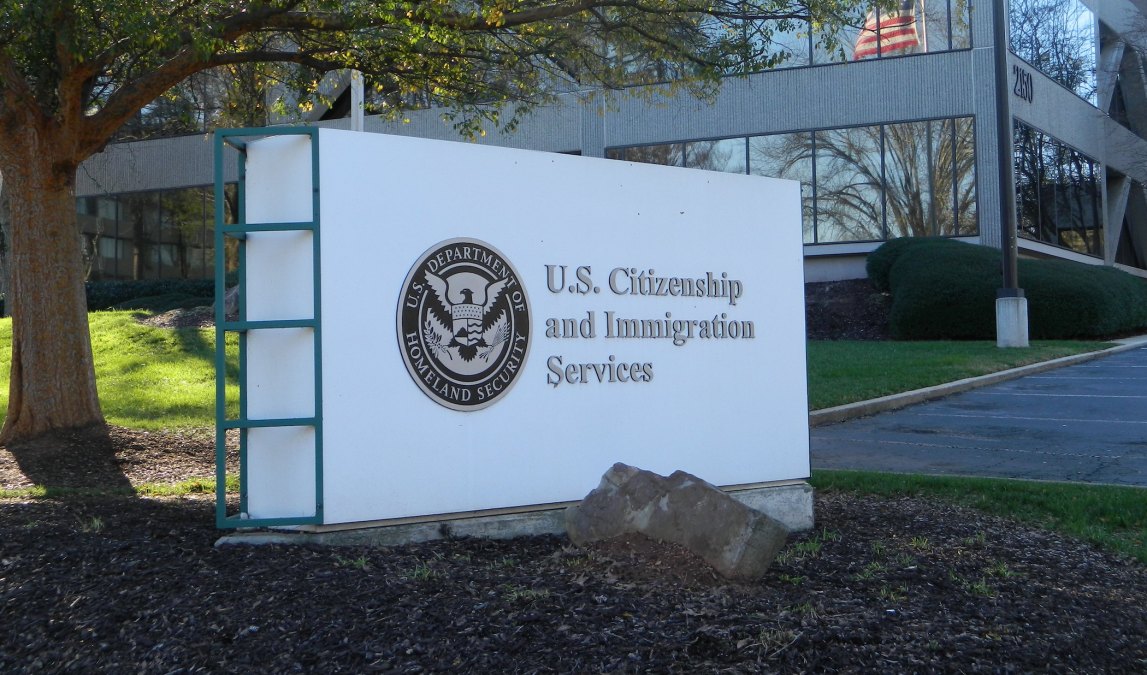
SAVE stands for Systematic Alien Verification for Entitlements. It is a DHS program, administered through U.S. Citizenship and Immigration Services (USCIS), that lets approved users verify an individual’s immigration status using information drawn from DHS records.
What SAVE does
- Verifies immigration status information based on DHS data when a requesting agency has a lawful reason to check.
- Returns a response that can help an agency determine whether someone is eligible for a benefit or service that depends on immigration status.
- Provides follow-up steps for additional verification when an initial response is incomplete or needs clarification.
What SAVE does not do
- It does not create or maintain voter rolls.
- It does not decide who is eligible to vote under state law.
- It does not record whether someone voted.
It is also worth being precise about a common assumption: SAVE is designed for status verification in the entitlements context. Citizenship verification can be more limited and depends on what DHS records reflect, which means an eligible U.S. citizen can still trigger a non-match or an inconclusive response because of data lags, name changes, record mismatches, or naturalization updates that are not reflected the way a state expects.
In other words, SAVE is a federal data tool. States run elections. The controversy usually starts when states want to use federal verification tools to enforce citizenship-based eligibility rules, and critics argue that the method or implementation conflicts with federal election rules or burdens eligible voters.
What “verification features” can mean
Court filings and agency guidance often use broad phrases like “verification features” to describe very specific operational choices. In the context of voter registration, those features usually involve some combination of the following:
- Whether election officials can run SAVE checks on applicants whose paperwork raises questions about immigration status or prior noncitizen documentation.
- How quickly and at what volume election offices can submit queries, including any caps, delays, fees, or extra steps DHS requires.
- What identifiers can be used to match records accurately, such as an alien registration number (A-number) or other DHS-linked identifiers.
- Whether there is a clear pathway for additional verification when an initial response is inconclusive.
A judge ordering DHS to “restore” features generally signals a dispute over whether DHS changed access, functionality, or terms of use, and whether those changes unlawfully interfered with a plaintiff’s ability to carry out legal duties. The exact scope depends on the order itself: what features existed, what changed, and what the court concluded DHS must reinstate.
Concrete example: An applicant may have an older immigration identifier in a government record because they once held a noncitizen status, then later naturalized. If a state uses that identifier to query SAVE and the match comes back inconclusive, the practical question becomes what happens next. Good process matters, because mismatches can affect eligible citizens as well as ineligible applicants.
Who can vote in federal elections
If you are searching because you saw “noncitizen voting” in a post or breaking-news clip, the basic rule is simple: only U.S. citizens may vote for federal offices.
That rule is enforced through a mix of constitutional structure and federal statutes. States administer elections, but Congress can set ground rules for federal elections, and federal law prohibits noncitizen voting in federal contests.
Eligible voters for federal offices generally include
- U.S. citizens who meet their state’s age, residency, and registration requirements.
- Citizens living overseas who remain eligible under federal and state absentee voting rules.
Who cannot vote for federal offices
- Noncitizens, including lawful permanent residents (green card holders), people on visas, and undocumented immigrants.
Local elections are a different category. A small number of jurisdictions have experimented with noncitizen voting for local-only offices where state law permits. Even in those places, that does not extend to voting for federal offices, and ballots and procedures must still comply with federal rules for federal contests.
State control and federal rules
Election administration in the United States is intentionally split. The Constitution gives states the front-end responsibility, and then gives Congress authority to override or standardize certain aspects for federal elections.
The Elections Clause
Article I, Section 4 provides that the “Times, Places and Manner” of congressional elections are prescribed by state legislatures, but Congress may at any time make or alter such regulations. This is one of the key reasons federal voter-registration law exists at all.
Presidential elections
Presidential elections run through the Electoral College structure, with states appointing electors. But federal constitutional amendments and federal statutes still constrain how states run those elections, particularly around discrimination and baseline access.
That split helps explain why disputes about SAVE can become constitutional. A state may say: we have a duty to keep noncitizens off the rolls. Critics may say: your verification method conflicts with federal election law or creates barriers for eligible citizens. And the federal government may say: we control our databases and terms of use. Courts end up refereeing which side has the legal authority in that specific context.
Federal registration rules and the battle lines
Most of the friction comes from how federal law structures voter registration for federal elections.
The NVRA
The National Voter Registration Act (NVRA) encourages registration through motor vehicle agencies and other public offices and sets rules for list maintenance. It is designed to increase registration while limiting certain state practices that could wrongly remove eligible voters.
The federal form and citizenship attestation
Federal law requires the federal registration form to include a citizenship question and an attestation, signed by the applicant. The form’s language is commonly described as being signed under penalty of perjury. If you are analyzing a specific dispute, it is best to compare the exact attestation language on the form and the state’s process for handling questions, notice, and cure.
This is also where older proof-of-citizenship disputes fit in. The recurring legal question is not whether citizenship is required for federal voting, it is what states may demand at the registration stage for federal elections, and whether federal requirements preempt additional state documentation rules.
SAVE enters the picture as an attempted middle path: rather than demanding every voter produce citizenship documents, officials may try targeted verification when records or applications raise specific concerns. Whether that is lawful depends on how it is implemented and whether it conflicts with federal requirements for the federal election registration process.
What a court can order DHS to do
Federal courts can order executive agencies to comply with governing statutes and administrative law requirements. In disputes involving DHS tools like SAVE, orders often turn on questions such as:
- Statutory authority: Did DHS have legal authority to limit, alter, or discontinue a feature that plaintiffs were entitled to use?
- Administrative procedure: Was a change effectively a “rule” that required a specific process?
- Arbitrary and capricious review: Did the agency provide a reasoned explanation grounded in the record?
- Injury and remedy: Did plaintiffs show a concrete harm, and is restoration an appropriate remedy?
Courts generally do not run election administration. But they can require an agency to stay within legal bounds when agency choices are alleged to violate statutes, contracts, or administrative law principles.
Penalties for noncitizens who register or vote
This is the part that tends to get lost in the noise. The law does not treat false citizenship claims as a minor paperwork mistake.
Federal criminal exposure
Federal statutes make it a crime for a noncitizen to vote in a federal election, and separate statutes can apply to false statements and fraudulent registration depending on the facts. For example, 18 U.S.C. § 611 addresses voting by aliens in federal elections.
Immigration consequences
Separate from criminal penalties, false claims of U.S. citizenship can trigger severe immigration consequences, including inadmissibility and removal consequences under immigration law. For example, 8 U.S.C. § 1182(a)(6)(C)(ii) covers certain false claims to U.S. citizenship.
That is one reason verification systems draw attention: the stakes can include both election integrity concerns and life-altering consequences for a person who makes a false claim on a government form.
What to watch next
If the news cycle keeps moving, these are the durable questions that determine what any SAVE-related order changes in real life:
- Scope: Which functions or access pathways must be restored, and for which users?
- Timing: Does an order affect upcoming election administration deadlines?
- Interplay with federal election law: How will courts reconcile state verification efforts with federal registration requirements?
- Process protections: What notice and cure opportunities exist if a verification check returns a mismatch or an inconclusive response?
- Implementation: Will DHS restore access uniformly, or through technical and contractual conditions?
The constitutional lesson is not that Washington “runs” elections now. It is that modern election administration is a shared project: states set qualifications and administer the machinery, while the federal government sets enforceable rules for federal contests and controls the databases and enforcement tools that states increasingly want to use.