
Temporary Protected Status, or TPS, is one of the most misunderstood parts of U.S. immigration law because the word protected can sound like a permanent guarantee. It is not. TPS exists because Congress wrote a statute that lets the executive branch temporarily shield certain people already in the United States from removal when returning home would be unsafe due to extraordinary conditions.
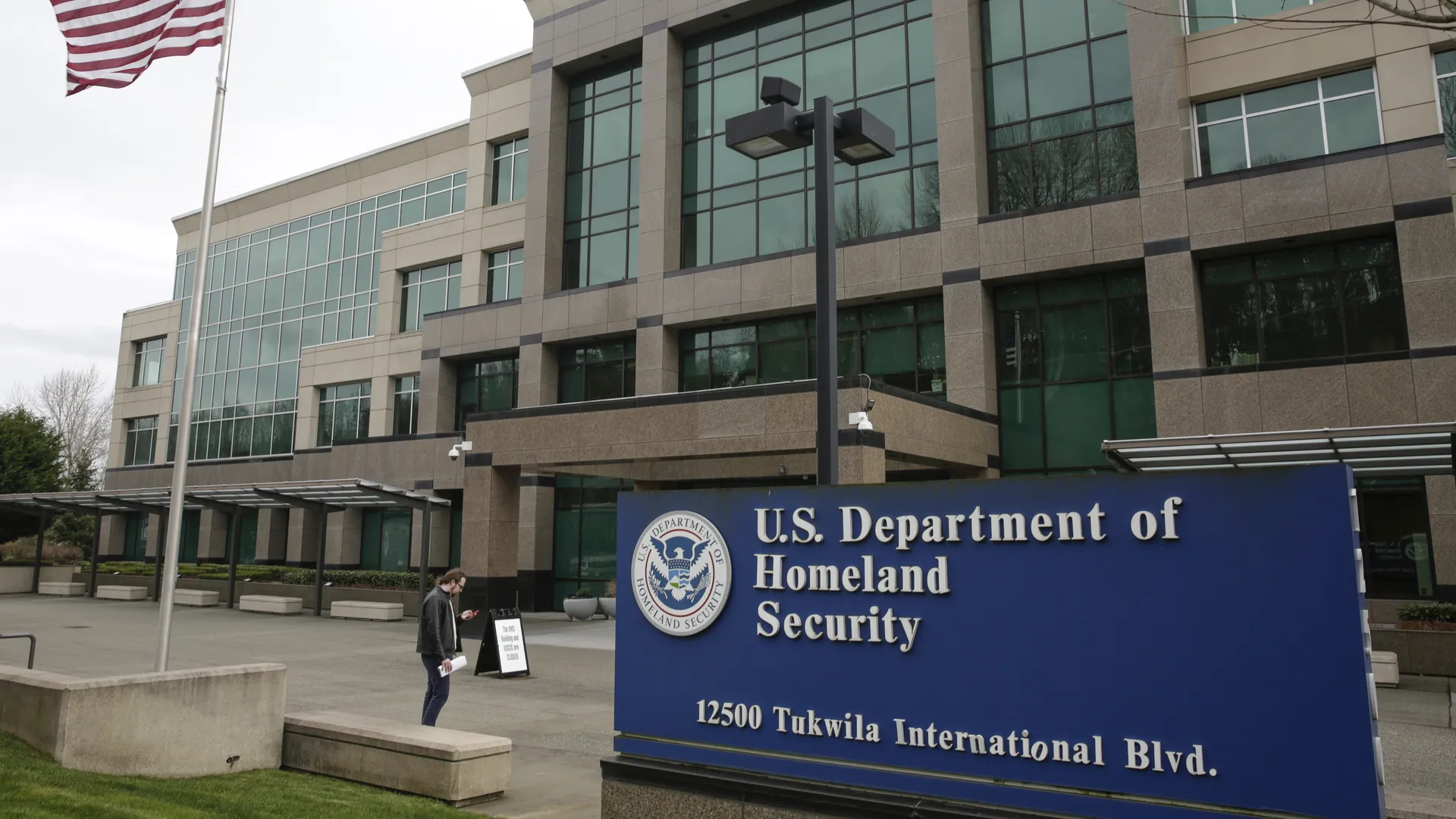
So when you see a headline saying a court has “cleared the path” for a TPS designation to end, the real civics story is not the headline. It is the structure underneath it: a congress-created program, administered by the Department of Homeland Security, shaped by executive discretion, and reviewed by federal courts under limits Congress also wrote into the law.
Join the Discussion
What TPS is and what it is not
TPS is a temporary immigration status the federal government can grant to eligible nationals of a designated country (or to people who last habitually lived there) if specific conditions make it dangerous or impracticable to return.
TPS does
- Protect against removal for the duration of the designation period, as long as the person remains eligible.
- Authorize work through an Employment Authorization Document (EAD), after applying.
- Allow limited, pre-approved travel if the person obtains advance authorization in advance (often called advance parole or advance permission, and the details can be technical and fact-specific).
TPS does not
- Automatically create lawful permanent residency or U.S. citizenship.
- Erase prior unlawful presence for all purposes. It is a shield, not a time machine.
- Guarantee a future extension. The whole point is that it can end.
- Apply to people outside the U.S. as a way to come in. TPS generally protects people already here by specific cutoff dates.
That last point matters because TPS is often confused with refugee admissions, humanitarian parole, or asylum. Those are different legal pathways with different standards, different agencies, and different procedures.
Where TPS comes from: a statute
TPS itself is not in the Constitution. It is part of the Immigration and Nationality Act, specifically INA § 244 (8 U.S.C. § 1254a), created by Congress and then implemented by the executive branch through DHS and U.S. Citizenship and Immigration Services (USCIS).
The Constitution gives Congress power over naturalization, and courts have long recognized broad federal authority over immigration as part of national sovereignty. But TPS is a statutory program with statutory rules.
This matters for two reasons.
- Congress wrote the rules: eligibility requirements, registration procedures, criminal bars, and what “temporary” means.
- Congress also shaped court review: many immigration decisions are reviewable only in narrow ways. When TPS terminations are challenged, lawsuits often turn on administrative law questions like procedure, explanation, reliance, and statutory authority, and on whether the particular claims are even reviewable in federal court.
In other words, the TPS debate is frequently a debate about who gets to decide and how much explanation the law requires when the government changes course.
How a country gets TPS
DHS may designate a country for TPS if statutory criteria are met, such as:
- ongoing armed conflict that poses a serious threat to personal safety,
- an environmental disaster or epidemic creating extraordinary but temporary conditions, or
- other extraordinary and temporary conditions that prevent safe return.
Designation is published through formal notices and sets key dates, including a continuous residence date and a continuous physical presence date. Those dates effectively define who is in the eligible group.
That design feature is not accidental. TPS is structured as a time-limited protection for a defined population already present, not an open-ended humanitarian visa.
Who qualifies for TPS
TPS eligibility is both nationality-based and individual. Even if a country is designated, a person must still qualify.
Common requirements
- Nationality (or last habitual residence) in a designated country.
- Presence in the U.S. by the dates in the designation notice.
- Timely registration during the registration window, with limited late-filing exceptions.
- No disqualifying criminal history and no certain inadmissibility or security bars.
TPS is administered case-by-case through applications. It is not a blanket amnesty. It is also not self-executing. People generally must apply, pay fees or seek fee waivers, provide biometrics, and maintain eligibility through re-registration when DHS extends a designation.
One practical note that often gets missed: some TPS holders are also in removal proceedings, or have been in the past. TPS can still function as protection from removal while it is valid, but it does not make the underlying immigration case disappear.
How TPS ends
TPS ends in two basic ways.
1) Individual loss of status
An individual can lose TPS if they fail to re-register, become ineligible, or are found in violation of TPS requirements. That is a personal determination.
2) Country-wide termination
DHS can also terminate a country’s TPS designation. That decision is the one that triggers major news cycles because it changes the legal position of a large group at once.
When a termination takes effect, people who only have TPS and no other lawful status generally lose the TPS-based protection and work authorization. Some may return to an earlier lawful status if they still have one, but many people do not have an “old status” to revert to in any practical sense (for example, if they entered without inspection, or if a prior visa stay had already expired). The key point is that the TPS umbrella closes unless another legal basis to stay applies.
DHS often sets a future effective date in the Federal Register notice, creating time to transition, but the length and details of any wind-down period depend on the notice and any court orders that may affect it.
Why TPS for Haiti can end
TPS is often described in moral terms, and it is understandable why. The practical stakes are personal and immediate. But legally, the question DHS answers is narrower: whether the statutory basis for designation continues to be met, and whether DHS has decided to extend or terminate as a matter of policy judgment within the statute’s framework.
That means two things can both be true at the same time:
- Conditions in a country can still be unstable or dangerous.
- The executive branch can still decide to terminate TPS if it concludes the legal criteria are no longer satisfied or if it changes its assessment, and it explains its reasoning in the way the law requires.
This is one reason TPS fights end up in court. Plaintiffs often argue that the government ignored evidence, failed to consider reliance interests of long-term residents, used impermissible factors, or failed to follow required procedures.
The civics hook: who decides
TPS sits at the intersection of three kinds of power.
Congress’s power: writing the program
Congress defines TPS by statute. That includes who can receive it, the duration, renewal mechanics, and what happens when it ends.
Executive power: administering and enforcing
DHS administers TPS, and the executive branch also controls removal priorities and enforcement discretion. Even after TPS ends, the executive has practical choices about enforcement resources, timing, and prosecutorial discretion. Those choices are real, and they are often politically contested, but they are also built into the modern immigration system.
Judicial power: reviewing what the law allows
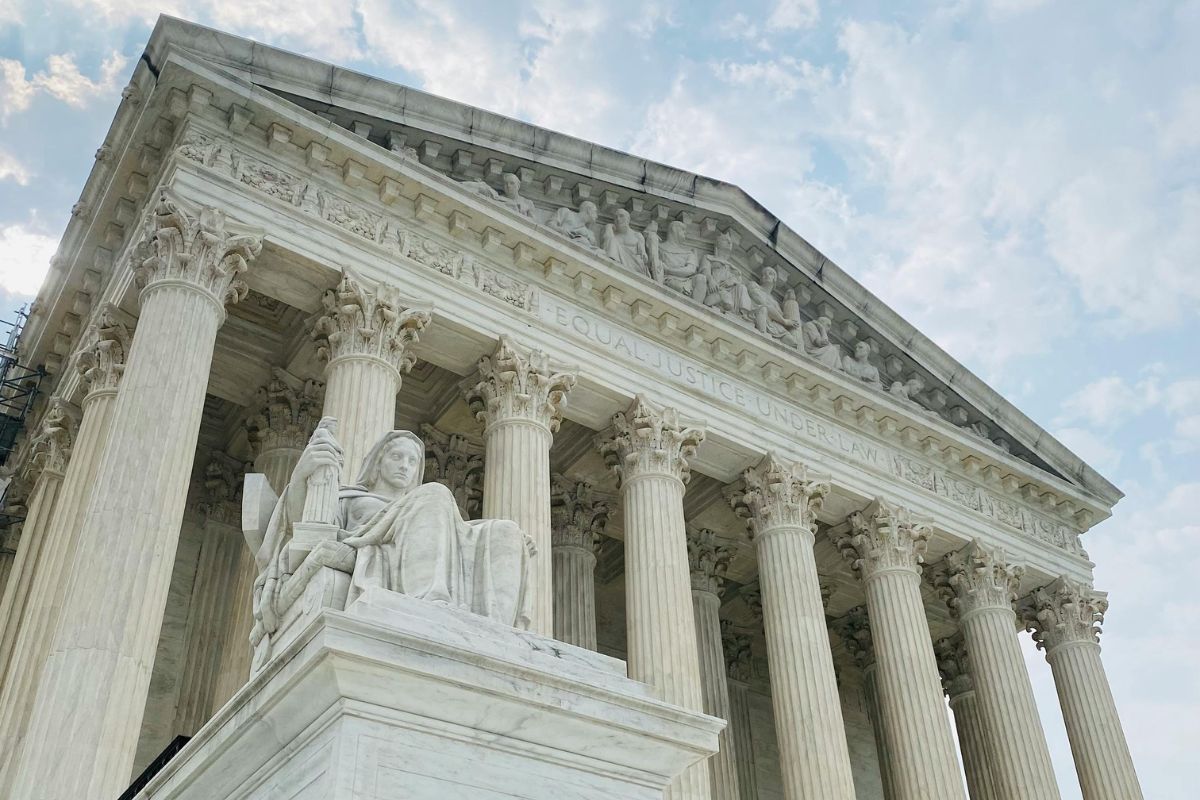
Federal courts do not run DHS. They review agency action for legality. Challenges to TPS terminations often raise familiar administrative-law questions: Did the agency act within statutory authority? Did it provide a reasoned explanation? Did it follow required procedures? Did it consider reliance interests where the law requires it?
And just as importantly, courts also ask a threshold question: Is this the kind of decision Congress allowed courts to review at all? In immigration law, reviewability often varies by claim and by the statute’s channeling rules, so litigation can turn as much on jurisdiction and standards of review as on the underlying facts.
What “cleared the path” often means
Because this is an evergreen civics explainer, it is best to treat “cleared the path” as shorthand for a common procedural moment rather than as a reference to a single specific case. In practice, that phrase usually signals that one of the legal obstacles to a termination has been removed.
Depending on the procedural posture, that can mean:
- a prior injunction has been dissolved or narrowed,
- the case was sent back to a lower court with instructions that change what happens next,
- plaintiffs failed to meet the demanding standard for emergency relief, or
- the court found the termination decision likely lawful under the governing statute and administrative-law standards.
That does not necessarily settle every question for every person with TPS. Individual cases can involve separate applications, separate bars to removal, or separate claims for relief.
But it does tend to settle the big structural question: whether DHS has the authority to end the designation, and whether the courts will stop it while litigation continues.
What happens when TPS ends
When a country designation ends, people with TPS generally face a menu of possibilities, depending on their individual history:
- They may have another lawful status (for example, a different visa category) and remain in that status.
- They may seek another form of protection if eligible, such as asylum, withholding of removal, or relief under the Convention Against Torture. Those standards are distinct from TPS and usually harder to meet.
- They may seek family-based or employment-based options, if available, though these often involve complex eligibility rules and timing constraints.
- They may become removable if they have no other status and no relief applies.
There is also an important practical reality: “removable” is not the same thing as “immediately removed.” Immigration enforcement involves priorities, resources, and procedure. But TPS ending does change the legal baseline.
A simple example: someone who has lived and worked legally under TPS for years might still need a separate legal pathway, such as a family petition or an individualized protection claim, to remain in the United States after the TPS designation ends.
A durable takeaway
TPS is one of the federal government’s pressure valves. Congress created it so the United States could avoid returning people to extraordinary danger without rewriting the entire immigration code each time a crisis erupts.
But Congress also made it temporary, and it delegated key judgment calls to the executive branch. That design inevitably produces litigation when administrations change course, because lives are built on what was described as “temporary” and then extended again and again.
If you want to understand the Haiti TPS story, start here: TPS is not a constitutional right that the courts must preserve. It is a statutory status that DHS can grant and, under the statute, can later terminate, with federal courts policing the boundaries of that authority and the procedures used to exercise it.
That is not the end of the conversation. It is the beginning of the civics.
Quick TPS FAQ
Is TPS the same as asylum?
No. TPS is country-based and temporary. Asylum is individualized, requires proving persecution or a well-founded fear based on protected grounds, and can provide a path to permanent status.
Can a president end TPS alone?
TPS is administered by DHS under authority Congress gave in a statute. The executive branch can terminate a designation through the lawful process DHS uses, but it is not a free-form constitutional power. It is delegated statutory authority, constrained by the statute and administrative law.
Does TPS give a green card?
Not by itself. Some TPS holders may later obtain permanent residency through other immigration pathways if eligible. In addition, questions about travel permission, “inspection,” and adjustment of status can be legally complex and fact-specific, so people often need individualized legal advice to understand their options.
Can courts stop a TPS termination?
Sometimes, temporarily, if plaintiffs meet the demanding standards for injunctive relief and if the court concludes the claim is reviewable and likely to succeed. But courts also often defer to agencies on immigration judgments, especially where Congress limited judicial review or where the agency followed required procedures.