
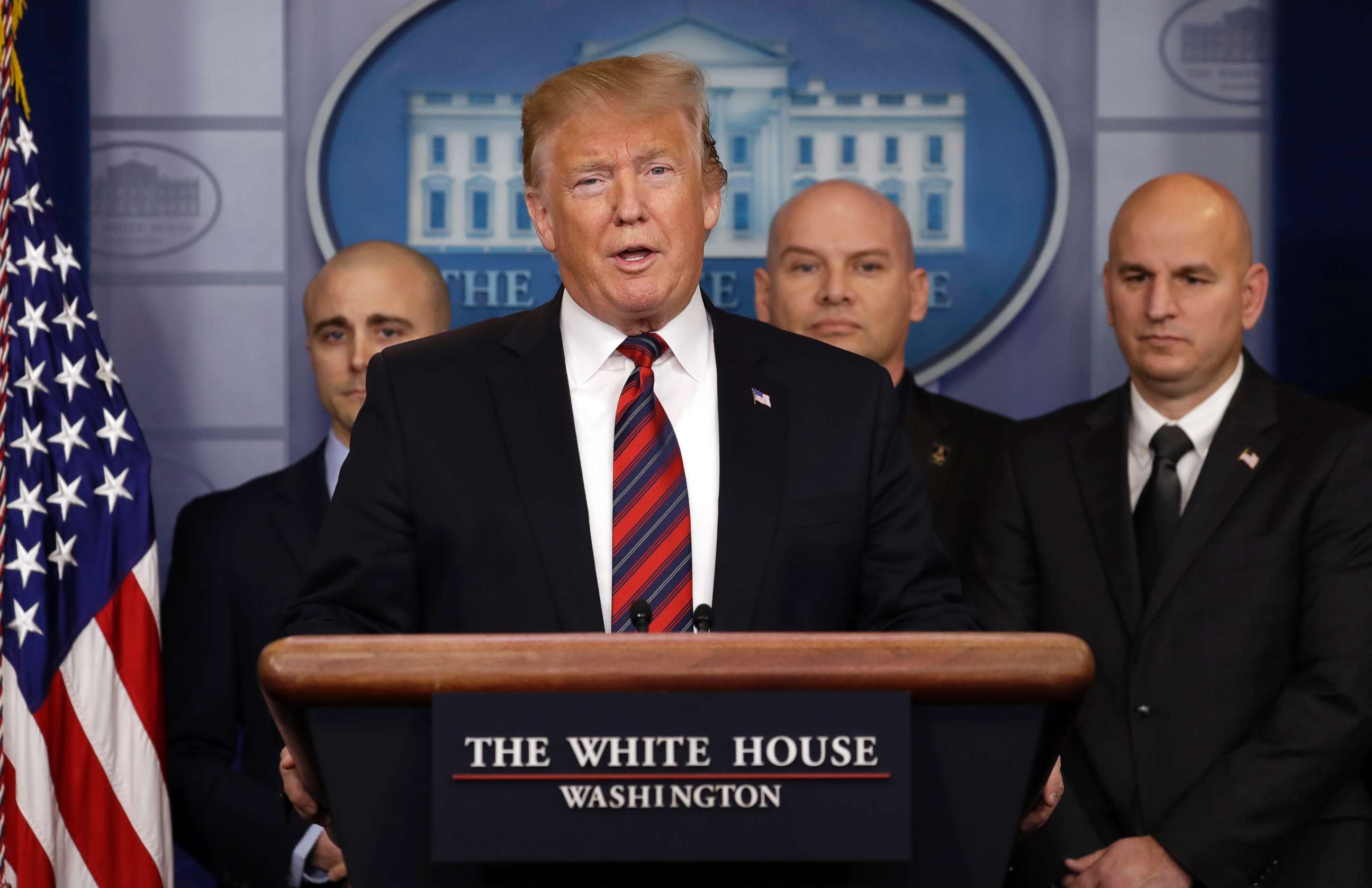
A president can cancel a meeting. A president can move a carrier strike group. A president can also, apparently, tell the Pentagon to dial down decades of joint military exercises with a treaty ally, then explain it to the public in the language of personal relationships.
That is the constitutional question hiding inside the newest geopolitical argument: President Trump said he instructed Defense Secretary Pete Hegseth to “substantially reduce” long-running U.S.–South Korea joint military exercises after South Korea declined to join U.S. operations against Iran and refused to support a push for Iranian denuclearization. Trump also pointed to his “very good relationship” with North Korean leader Kim Jong Un as part of the backdrop for the decision.
To some Americans, this looks like a hard-nosed bargaining tactic. To others, it looks like a self-inflicted wound to deterrence on the Korean Peninsula. But underneath the arguments about strategy is a structural reality about our system: the Constitution gives the president immense day-to-day control over the military, while giving Congress the power to fund, regulate, and ultimately constrain it. When those two realities collide, alliances become the proving ground.
Join the Discussion
What actually changed, and why it matters
U.S.–South Korea exercises are not a ceremonial tradition. They are rehearsal. They test whether two militaries can communicate, move units, share intelligence, and execute a plan under pressure. They also serve as a public signal: the United States is present, invested, and prepared.
These drills have been a pillar of the alliance for decades, part of the post-armistice security architecture that has shaped Northeast Asia since the Korean War era. Cutting them back is not the same as leaving the alliance. But it does change the texture of U.S. commitment in a way that adversaries watch closely.
Critics framed the cut as a gift to North Korea and a warning shot to a close ally. Sen. Mark Kelly warned that “hollowing out these joint exercises is shortsighted and a mistake,” emphasizing that the two Koreas remain technically at war and that interoperability is the difference between a coordinated defense and confusion. Former Rep. Adam Kinzinger argued the decision accelerates alliance erosion and could push countries like South Korea and Japan to think harder about their own nuclear options.
Supporters see it differently: expensive drills, they argue, can be provocative and unnecessary, and a president is entitled to re-balance priorities when an ally refuses to help with a major U.S. initiative elsewhere.
Both narratives are political. The constitutional story is quieter: joint exercises sit squarely in the zone where the executive branch has room to act first, and Congress has to decide whether it wants to respond.
The president’s real lever: command, posture, and planning
Article II makes the president the Commander in Chief. That title does not automatically include a blank check to start wars. But it does include operational control over how forces are trained, deployed, and used, within the bounds of law and appropriations.
Joint exercises are, legally speaking, closer to “training and readiness” than “declaring war.” They are typically planned and executed through the Department of Defense under existing authorities, existing budgets, and existing alliance arrangements. That makes them uniquely vulnerable to rapid executive changes, for three reasons:
- They are discretionary in practice. Even if exercises are expected, the exact scale, timing, and scope are usually not locked into statute.
- They can be altered without renegotiating the treaty. A treaty can remain on paper while its day-to-day implementation is thinned out.
- They are hard for Congress to “undo” quickly. Congress can hold hearings tomorrow. Rebuilding readiness takes longer than reducing it.
This is one of the executive branch’s most underappreciated powers: not simply the ability to fight, but the ability to shape the military’s habit of cooperation with allies. Alliance management is often treated as diplomacy. In practice, it is also scheduling, staffing, logistics, and doctrine. Those are bureaucratic knobs the president can turn fast.
Treaty ally does not mean “the president can do whatever he wants”
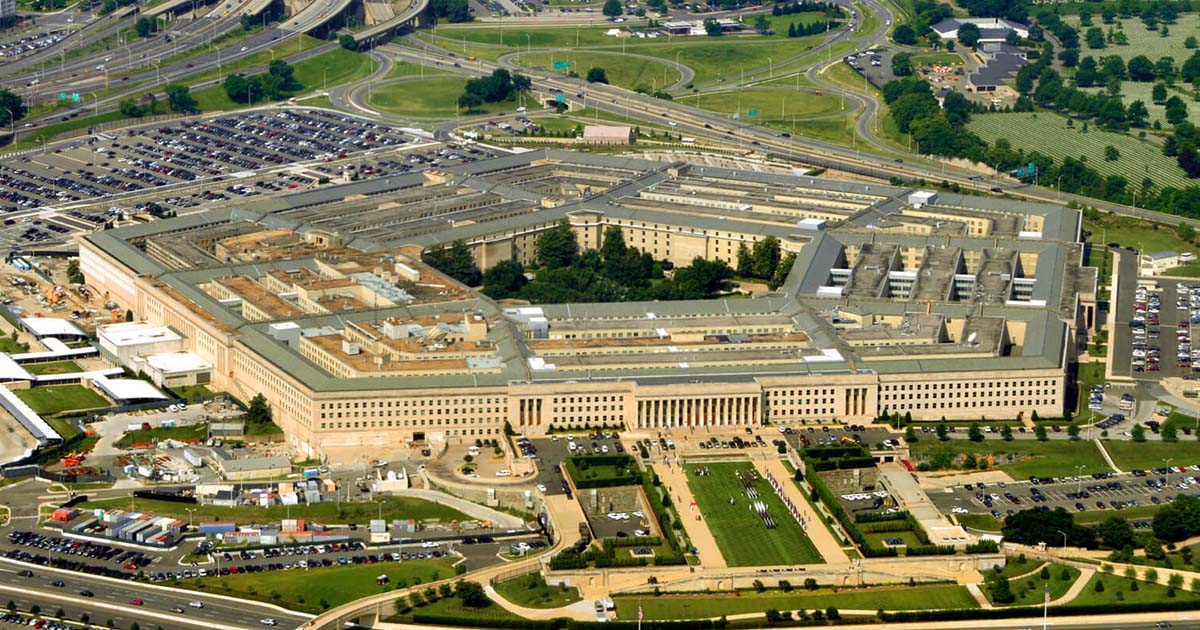
The United States and South Korea have been bound together by a defense treaty framework for generations. People often assume a treaty works like a domestic contract, where either side breaches and a court enforces performance. That is not how American constitutional design treats foreign commitments.
In U.S. law, treaties are the “supreme Law of the Land,” but most defense treaties are not self-executing in the sense that they force specific military actions on a specific timetable. They create commitments and expectations, then the political branches translate those into concrete posture and operations.
Which means a president can weaken an alliance without formally leaving it. And Congress can strengthen an alliance without being able to force a president to love it.
The constitutional system tolerates that tension because it divides power on purpose. But the cost is real: allies must constantly ask whether America’s promises are institutional or personal.
Is scaling back exercises “war powers”? Not in the way most people mean it
When Americans hear “war powers,” they think of bombing campaigns, troop surges, and the War Powers Resolution. But readiness decisions often matter just as much as the shooting, and they rarely trigger the same legal tripwires.
Reducing training exercises is not an “introduction of U.S. Armed Forces into hostilities.” It is a posture decision. And posture decisions are where presidents often enjoy maximum discretion.
That does not make posture decisions harmless. Deterrence is partly psychological. A drill is a message written in logistics: we can move together, we can fight together, and we have practiced the plan.
When the White House ties exercise cuts to a dispute about Iran, it turns readiness into leverage. That is the part that alarms many national security critics: it suggests alliance commitments can be conditioned on participation in unrelated conflicts.
Congress’s tools: money, rules, and oversight
If presidents can change military exercises quickly, what can Congress do besides complain?
More than people think, but less than people want. Congress’s tools are powerful, but they are slower and often require bipartisan cooperation.
The power of the purse
Congress can earmark or condition funds for specific readiness activities. It can require that certain exercises occur, or that certain capabilities be maintained, or that allied training not be reduced below specified levels. It can also prohibit spending on certain forms of drawdown or reallocation.
But the details matter. A broad defense appropriation gives the Pentagon room to shuffle priorities. A narrowly drafted appropriation can tie the executive’s hands. Congress has to choose how much it wants to micromanage.
Statutory reporting requirements
Congress can require the Defense Department to provide certifications and reports before major changes to posture or readiness cooperation. This does not stop a president from acting, but it raises the political cost and creates a paper trail that future administrations and committees can use.
Confirmation and hearing leverage
Senators cannot command the armed forces. They can, however, drag the policy into the sunlight. Hearings force witnesses to articulate what “substantially reduce” means, which units are affected, and what readiness gaps are created. Oversight cannot substitute for training, but it can shape what happens next.
The North Korea factor: personal diplomacy meets institutional deterrence
Trump framed the exercise reduction partly through the lens of his relationship with Kim Jong Un. That rhetorical move matters constitutionally because it highlights a recurring modern tension: presidents increasingly conduct national security as personal diplomacy, while alliances rely on institutional predictability.
Personal diplomacy can lower temperatures, open channels, and prevent miscalculation. It can also create a fragile bargain, because it depends on the continuing preferences of one person in one office.
Military exercises are not only about preparing for war. They are also a stabilizer, because they reduce the chance of incompetence and confusion if a crisis erupts. When those exercises become a bargaining chip, deterrence becomes a negotiation tactic. That can work. It can also backfire, especially if the other side interprets reduced readiness as reduced will.
Can a president do this without Congress? Usually, yes
If you are looking for the clean constitutional rule that says “a president may not reduce joint exercises with an ally,” you will not find it.
The Constitution is specific about some things and vague about others. It is specific about who declares war and who funds armies. It is vague about the daily mechanics of alliance maintenance, because the Founders did not write a clause for “annual combined field training schedules.”
So the default is executive discretion, constrained by law and funding. And unless Congress has written an explicit statutory requirement tied to these exercises, the president typically can reduce them as a matter of command policy.
The question becomes not “is it constitutional,” but “what are the consequences, and who bears them?” That is where accountability lives in a separated-powers system.
What to watch next
- Definition creep. Does “substantially reduce” mean fewer live-fire drills, more simulations, smaller troop participation, shorter timelines, or postponements that become a quiet cancellation?
- Linkage politics. Is the administration establishing a precedent that alliance cooperation is conditioned on support for unrelated theaters (here, Iran)?
- Congressional response. Look for hearings, reporting mandates, and appropriations language aimed at locking in exercise levels.
- Allied hedging. When allies doubt reliability, they diversify. That can mean independent capabilities, closer ties with other partners, or, at the far end, renewed domestic debate about nuclear deterrence.
In civics class, we talk about the president as Commander in Chief and Congress as the war-declaring branch. In real life, power often shows up in quieter places: training calendars, contingency plans, and the muscle memory of allied forces learning how to fight as one.
That is why this fight about exercises is not just a foreign policy spat. It is a live demonstration of executive power in the modern national security state: the ability to alter America’s commitments without touching the treaty text, and without asking voters for permission first.
FAQ
Is the U.S. ending its alliance with South Korea?
No. A reduction in exercises is not the same as terminating a defense treaty. But it can weaken the practical functioning of an alliance by reducing readiness and signaling diminished commitment.
Can Congress force the president to run joint exercises?
Congress cannot issue orders like a commander. But it can use appropriations, conditions on spending, and reporting requirements to make reductions difficult or politically costly, and to push the Pentagon back toward robust training.
Does this violate the Constitution?
Not on its face. Exercise scheduling and military readiness decisions generally fall within the president’s Article II command authority, unless Congress has imposed statutory constraints or the action conflicts with existing law.