
When a president’s party takes a midterm beating, the real contest starts afterward: the battle to define what went wrong, who is to blame, and what the next agenda should be.
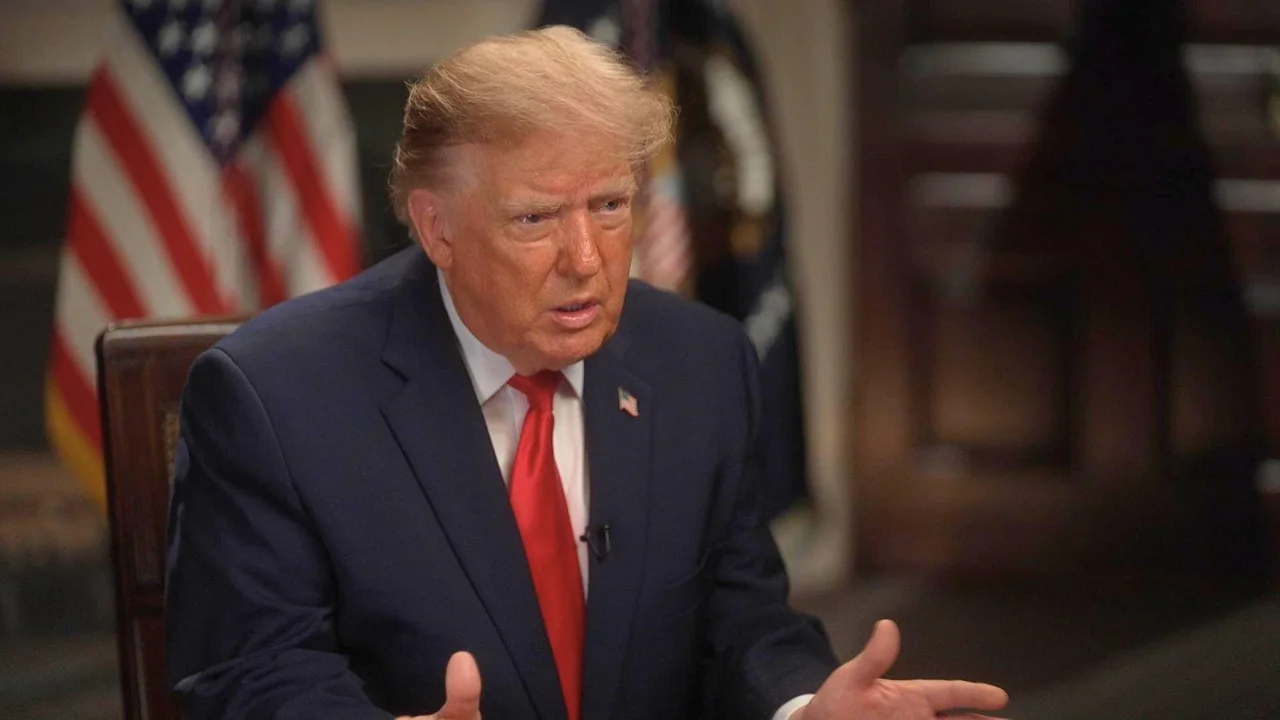
Days after Republicans suffered bruising losses, President Trump tried to do two things at once. He defended his biggest decisions and insisted the economy is strong. At the same time, he conceded his team had “bad messaging” on economic issues and, notably, acknowledged his administration’s deportation push was “too tough” at times.
The interview offered a preview of the arguments Trump wants to have next and the changes he suggested could follow.
Join the Discussion
The results
Republicans lost more than 40 House seats and at least seven Senate seats on Tuesday, with some races still uncalled, including in places Trump carried by double-digit margins two years earlier. Exit polling found 63% of midterm voters disapproved of Trump’s job performance, and 44% said one reason for their vote was to express opposition to him.
Those numbers do not settle every internal Republican debate. They do explain why the conversation quickly turned into an argument about causes, responsibility, and what should change next.
His explanation
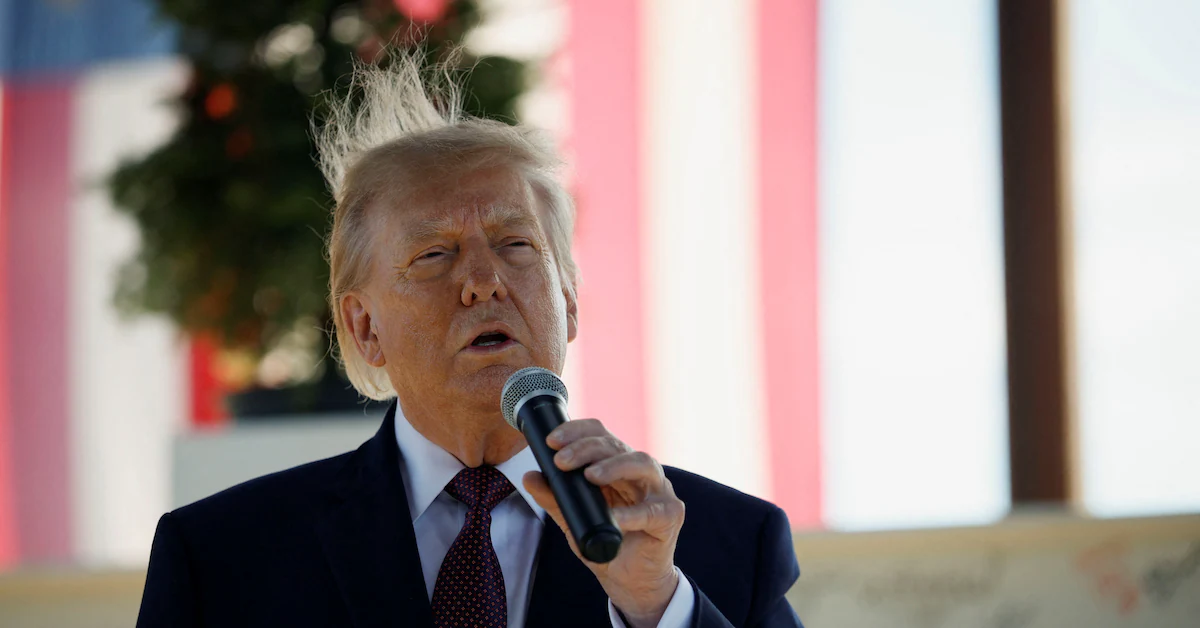
Asked for his analysis of the losses, Trump pointed to two forces he said voters rejected: the war with Iran and the soaring gas prices he said it triggered.
He also returned to a claim he has made repeatedly since Election Day: the biggest problem was that he himself was not on the ballot. In Trump’s telling, his endorsements and rallies helped candidates and brought them closer to winning.
Pressed on why that message did not translate into votes after he told supporters to “pretend that I’m on the ballot,” Trump pointed to turnout and candidate preference: “I think they didn’t vote, really. I think they didn’t vote. I think in some cases, they didn’t like the candidates. And that’s, you know, their prerogative,” he said.
Candidate picks
The candidate-quality argument gets more complicated because Trump weighed in on primaries and backed specific Republicans.
He endorsed Texas Attorney General Ken Paxton over incumbent Sen. John Cornyn in Texas’ GOP Senate primary. He also endorsed Sen. Darline Graham, who was appointed to fill her late brother’s South Carolina Senate seat, and encouraged her to run for a full term.
Asked about that dynamic, Trump argued “Cornyn would have lost also.”
Economy and messaging
On the economy, Trump defended his stewardship and said “the numbers are phenomenal.” He pointed to retirement accounts as an example: “401(k)s are at their all-time high by a lot,” he said. “401(k)s have made people rich.”
When it was noted that not all Americans have large retirement savings, he answered: “But a lot of people do.”
Exit polling, however, showed three-fourths of midterm voters rated the economy as either poor or not so good, and 70% of that group voted for Democratic House candidates. Voters were especially worried about prices of gasoline, food, utilities, and health care. And two-thirds believed Trump’s tariff policies hurt the country’s economy.
Trump said the problem is that “we couldn’t get the word across.” “I think it was bad messaging, maybe by me,” he said. He predicted Americans are “going to notice it in the next two, three, four months,” arguing his policies will bring a resurgence of manufacturing jobs.
Iran: no rush
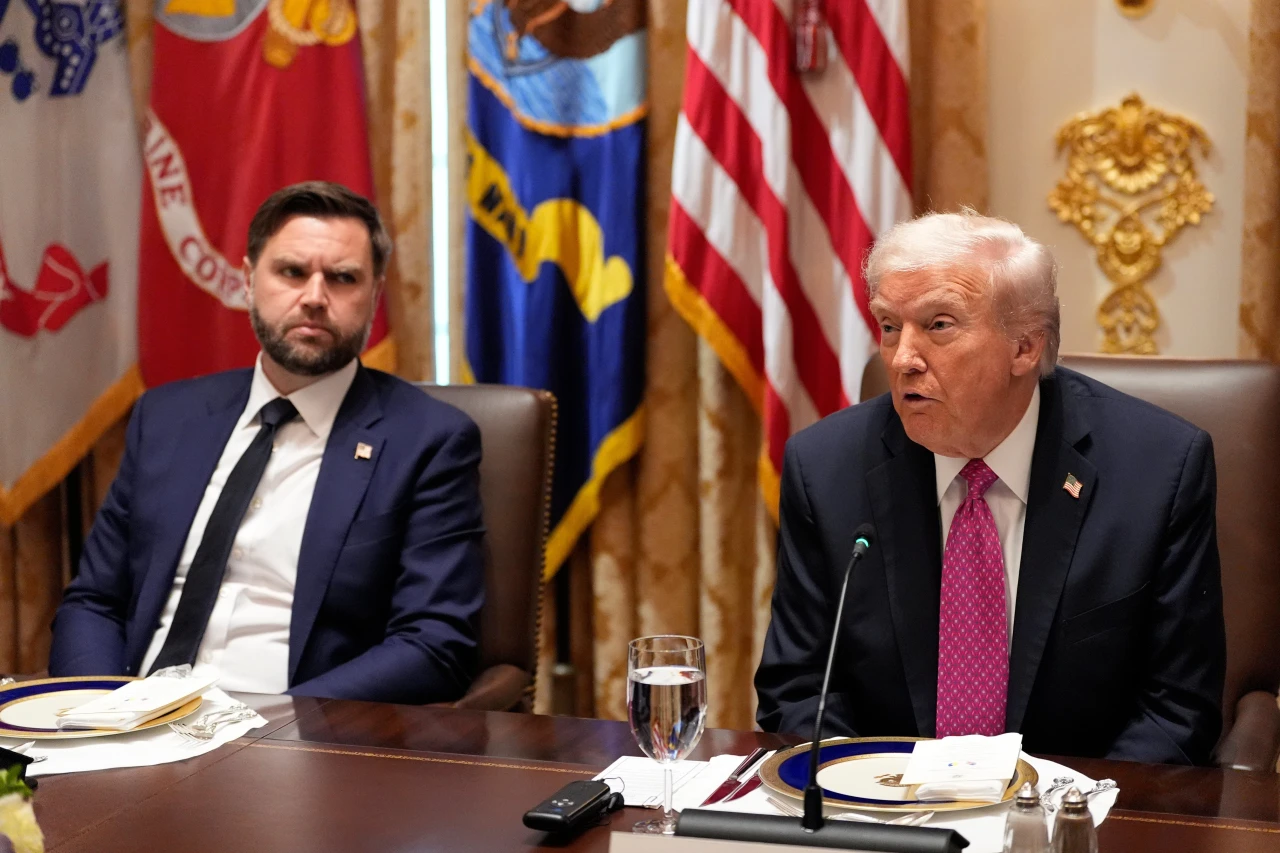
Trump also addressed the political drag from the Iran war. Vice President JD Vance called it “the broadly unpopular Iran war,” and Trump did not reject the basic diagnosis, saying, “I don’t disagree” with Vance “other than one thing.”
That “one thing” was the underlying decision. Asked whether he would attack Iran again, Trump said his answer is an “emphatic yes,” arguing Iran’s conventional military has been degraded and its nuclear program has been set back.
“I think historically, this will be a very good decision,” he said. “Is it a good decision for today and tomorrow? Maybe not? But … I have to go with what’s right for our country.”
Asked whether he plans to escalate the war now that the midterms are over, Trump said: “Well, I’m not looking to. I don’t think there’s any reason to.” He also said he believes Iran is close to striking a deal, but the election outcome “gives them a little bit of a hope certificate.”
Immigration: “too tough”
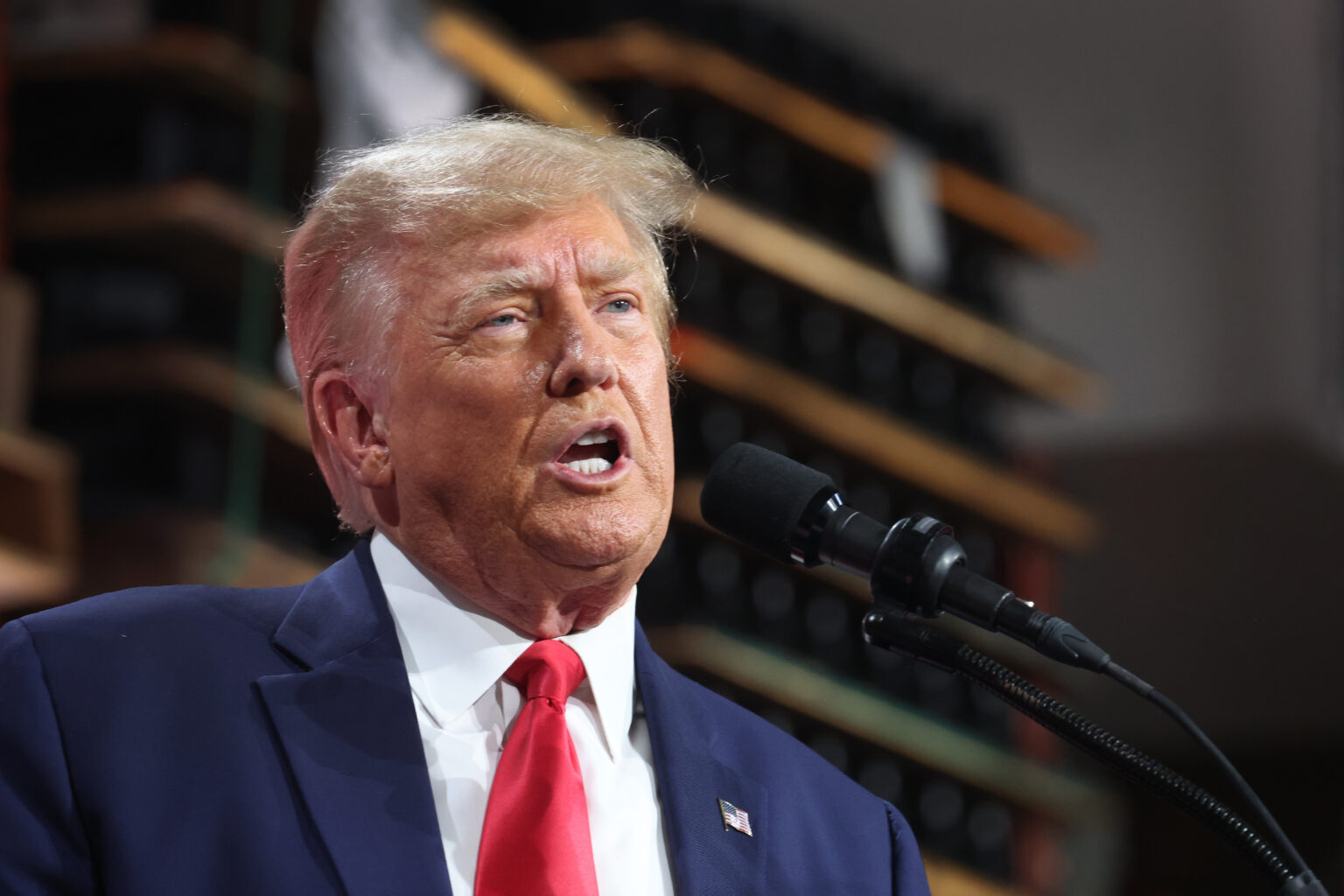
Immigration was where Trump made his clearest concession. Exit polling showed 58% thought the administration’s actions on immigration have gone too far. Trump described immigration as an issue that “both helped and hurt,” saying, “I think I got an A+ for closing up the border.”
But he drew a distinction between deporting people he described as dangerous and deporting people who were otherwise working and stable. “For getting people out, I get very high marks for getting the bad ones out,” he said. “But I get hurt because we also took people that had good jobs, that created one violation, or breaking of the law, and that was that they came into the country illegally.”
He described a country split between those who favor removal in nearly all cases and those who would allow some long-term, working residents to remain. Then he summed it up plainly: “I think it was too tough,” he said of his deportation policies.
One hour after the interview, Trump announced that White House chief of staff Susie Wiles would depart and be replaced by Stephen Miller, who is widely viewed as an architect of the administration’s immigration enforcement strategy and who last year pressed Immigration and Customs Enforcement to conduct at least 3,000 arrests per day.
Trump also said he would “love to do something on immigration” with congressional Democrats.
Personnel shifts
Trump suggested other changes could follow. Asked if he expected to fire anyone after the losses, he said: “I do, yeah. Little bit.” He added that “I love my Cabinet,” but “I’ll … be doing maybe a few changes.”
He also said he had confidence in Defense Secretary Pete Hegseth and criticized calls from Democrats to impeach him. “They want to impeach him. Very unfair,” Trump said. “We had two wars, we won both. We won Venezuela, we won Iran.”
Pardons
Trump said he intends to use clemency aggressively. “I intend to issue tremendous numbers of pardons,” he said, joking that “anybody that got within a thousand miles of the Oval Office” could get one.
He said he does not expect to attempt the legally untested maneuver of pardoning himself, but added “it’s certainly not unreasonable.”
He also said: “I pardoned the J6ers. I don’t think any group’s been treated more unfairly than them, and to this day, when they see me they cry.” Asked about rioters who attacked police officers, he argued that “there were some that got rough, but, you know, they were rough to them, too.”
2028 endorsement
With the 2028 election two years away, Trump was asked whether he plans to endorse a Republican primary candidate. He said “probably,” but “not necessarily,” adding that Republicans “have a tremendous bench” and that he has “so many people that I have great relationships with.”
“I may or may not get involved. I don’t know,” he said. “Maybe I’m better off not getting involved.”
Money and conflicts
Asked about his net worth rising since returning to office, Trump said, “So did everyone.” When it was noted that not everyone’s wealth increased on that scale, he replied, “Well, you should’ve had stock.”
“I devote almost no time to my net worth. I don’t care,” he said. “I have a lot of money, and far more than I ever thought I’d have. And I guess it’s gone up. I don’t even know.”
He denied prioritizing his own financial interests, saying his stock holdings are invested in broad indexes and his sons run his company. “I have a company. My sons run the company. It’s hard to say to them, ‘Don’t do anything anymore for four years because I’m president,’” he said. He also argued that “every president has had this problem” involving people leaving government for private industry and that “no matter what they do, there’s a conflict.”
UFOs and pilots
Trump said one of the most frequent questions he gets is about what the military calls unexplained anomalous phenomena, also known as UFOs. He pointed to meetings with Air Force pilots and said they have “told me things that are very strange.”
What it signals
Across the interview, Trump largely defended the decisions he wanted to defend, while conceding that messaging and enforcement choices can carry political costs.
- On the losses, he pointed to the Iran war and gas prices, and repeated that “I was not on the ballot.”
- On the economy, he called the performance “phenomenal” and faulted “bad messaging” and an inability to “get the word across.”
- On immigration, he said enforcement was “too tough” at times, even as the White House shifted its leadership to Stephen Miller.
- On clemency, he promised “tremendous numbers of pardons,” language that is likely to keep the pardon power in the political spotlight.
It is not a detailed road map. It is the outline of the case the president is making about what happened and what he believes should happen next.