
Keep your place. Ask another question.
This week’s federal courts of appeal did what they often do best: turn big constitutional phrases into smaller, practical rules. “Process” becomes a five-minute public comment window during a drought. “Jurisdiction” becomes where a supposedly deceived customer actually lives. “Quorum” becomes whether a pandemic-era voting workaround can shake an entire statute.
Here are a few rulings worth pulling off the shelf, with the constitutional ideas they put in motion.

Join the Discussion
What’s coming at the Court
This Tuesday, Dec. 1, the Supreme Court is set to hear oral argument in Jouppi v. Alaska, an Institute for Justice case about forfeiture and the Excessive Fines Clause. After a passenger on his charter flight got busted for sneaking several cases of beer into a dry town, the state took bush pilot Ken Jouppi’s $95k Cessna. The Alaska Supreme Court ruled that the forfeiture of his plane wouldn’t be excessive even for a single six-pack.
Quorum Clause and proxy voting
The most structurally constitutional dispute this week came out of the Fifth Circuit sitting en banc. By a 9–8 vote, the court held that the Pregnant Workers Fairness Act was enacted unconstitutionally because COVID-era House rules allowing members to vote by proxy violated the Constitution’s Quorum Clause.
The immediate takeaway is narrow and explosive at the same time. Narrow, because the holding targets the passage of one law. Explosive, because the reasoning points to a broader question about how Congress counts “present” members and what “doing business” means when bodies are not in the room.
The court also reserved, for now, two questions that will matter in the next chapter: whether tele-presence would have sufficed and what this means for the rest of the Consolidated Appropriations Act of 2023.

Off-duty speech and disruption
A First Amendment case in the Second Circuit started with a New York state public-benefits hearing officer and a vituperative argument on Facebook, where he criticized expansion of public-benefits programs. When it got back to his bosses, they transferred him to a non-public-facing job.
The constitutional hinge here is familiar: government, as employer, has more leeway to regulate employee speech than government, as sovereign, has over everyone else. The Second Circuit emphasized that public employers are allowed to discipline employees for off-the-job speech that risks disrupting government operations, and that fact disputes about whether there was such a risk can preclude summary judgment.
A dissent flagged the hazard of letting a jury decide that disruption question, given the danger jurors will be swayed by whether they like the speech.
Personal jurisdiction and flashlights
The Third Circuit delivered a jurisdiction lesson that will sound simple until you try to apply it. An Illinois flashlight maker believed its Chinese competitors were falsely advertising their products’ brightness, so it sued them in Pennsylvania. The hook was thin: the plaintiff’s Pittsburgh lawyers ordered flashlights to their offices.
The Third Circuit rejected that as a basis for personal jurisdiction. In plain terms, your lawyers can’t manufacture a defendant’s connection to a state by buying the product there. You need to show there’s an actually deceived consumer in the forum state.
The panel also noted the bigger problem of doctrinal drift: “Five of our sister circuits have addressed similar facts … , reaching four different holdings.”
Drought process and five minutes
In times of drought, the California State Water Resources Control Board can implement emergency curtailment orders that forbid diverting water from certain streams. The Ninth Circuit accepted the premise that the state can impose emergency restrictions, but raised a constitutional concern about how those restrictions get rolled out when property-like rights are on the line.
For people claiming vested rights to use the water, the court suggested they may deserve more process than “five minutes of comment at a public hearing.” Emergencies can justify speed. Speed does not erase the obligation to provide a meaningful chance to be heard when the government is cutting off a claimed entitlement.
Qualified immunity and prison care
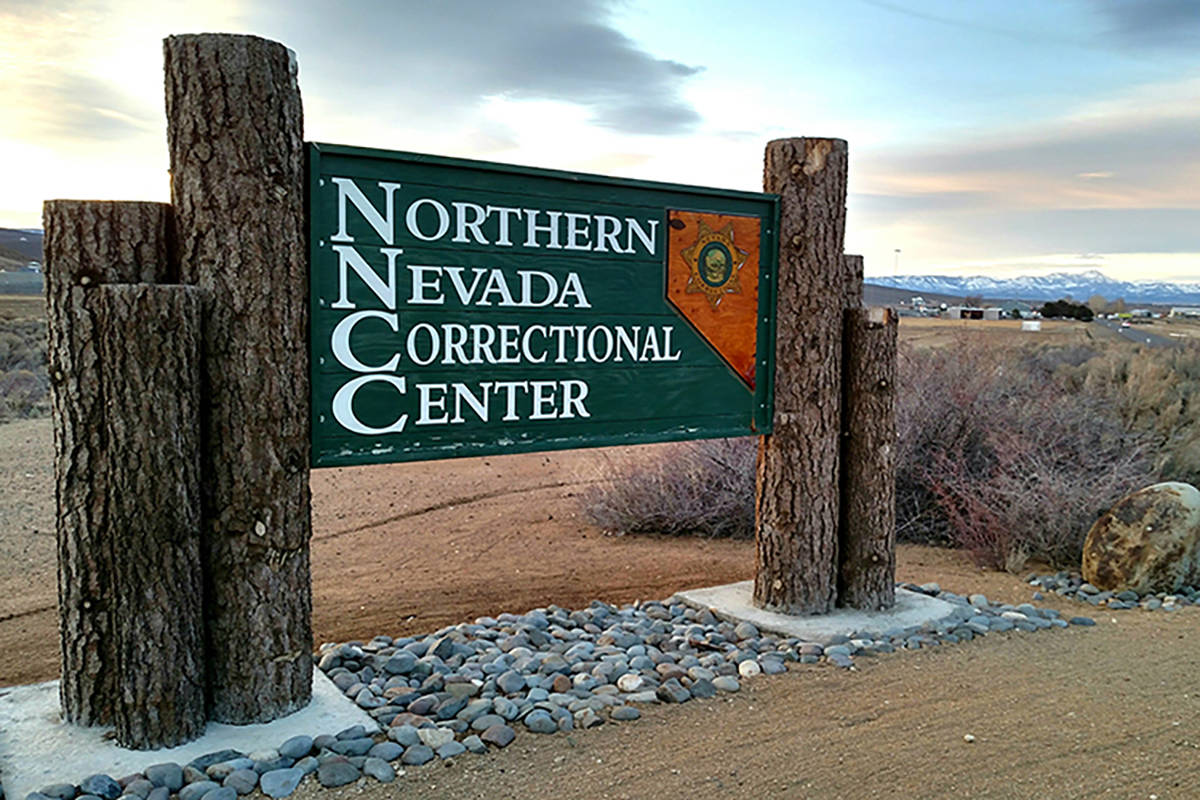
Another Ninth Circuit decision shows how qualified immunity can end a case without answering the underlying constitutional question. A Nevada inmate complained of vision loss, dizziness, tremors, nausea, and more to prison doctors for three years. He wasn’t sent to outside specialists until a district court ordered it. The specialists recommended a different course of treatment.
At what point does failing to get an inmate some outside help become a constitutional problem? The Ninth Circuit’s answer in this case was effectively: it will not decide that here. Qualified immunity.
Carry permits and association
A case about a concealed-carry permit turned into a reminder that constitutional litigation has multiple layers: who the proper defendant is, whether the dispute is still live, and which rights are actually being burdened.
Nearly 80 years after Wino Willie and several other WWII vets created the Boozefighters Motorcycle Club in 1946, the San Diego sheriff revoked a man’s concealed-carry permit due to his association with the club, despite the man’s protests that they focus on charitable work and his lack of a criminal history. A district court concluded the sheriff was an arm of the state enforcing state law, so neither she nor the county could be sued. It also held the Second Amendment claim was moot and the First Amendment claim failed.
The Ninth Circuit disagreed across the board, calling each of those district court conclusions wrong.
FOIA: “not good enough”
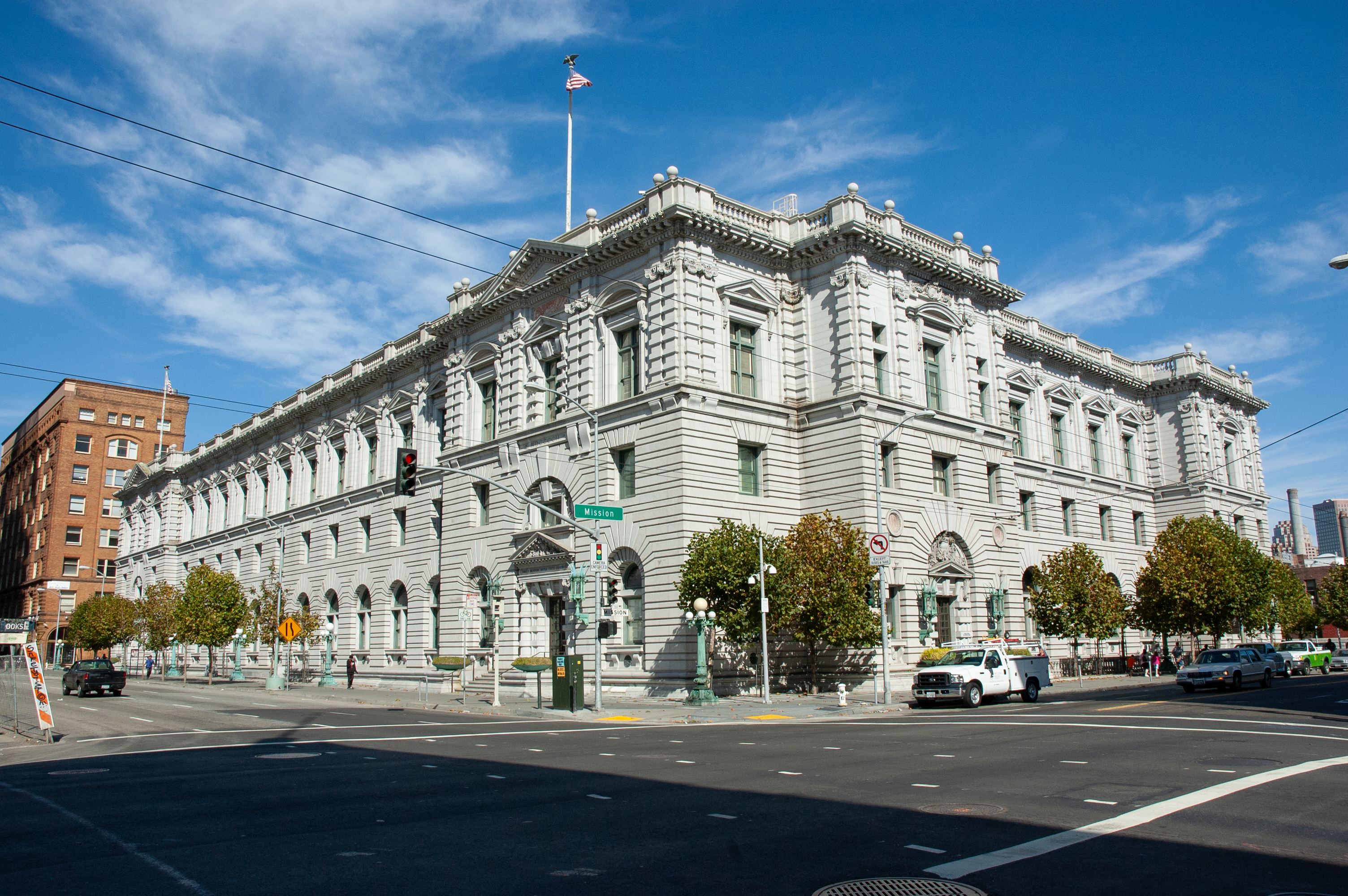
In a FOIA dispute, the Ninth Circuit told the FBI it needed to do better. A Hawaiian news group wanted the FBI to release a few more of the 39,000 pages of investigative files it has on two state politicians who accepted cash, casino chips, and gifts to help along the legislative priorities of a wastewater-services company owner. The three pleaded guilty.
A district court accepted the FBI’s argument that further release might interfere with an ongoing public-corruption investigation, concluding that no fewer than seven FOIA exemptions justified the withholding.
Over a dissent, the Ninth Circuit disagreed with the adequacy of the agency’s explanations, calling them “tautological, vague, and just not good enough.” Some material may still be properly withheld. The point is that the agency has to come back with something more concrete.
Long-arm statute meets Luxembourg
Also in the Ninth Circuit: a civil dispute with international flavor. A Luxembourg-based shell company allegedly bought a life-insurance policy on an elderly Californian and then collected a seven-figure payout when he died. The plaintiff called the arrangement an illegal stranger-originated life-insurance policy.
The company argued it could not be sued in California. The Ninth Circuit disagreed and revived the case, a reminder that “foreign” is not a jurisdictional magic word. Courts still ask what connections the defendant has to the forum and whether due process permits the suit to proceed.
Mask bans and immigration fights
Fans of old timey cases from the days of Chief Justice John Marshall should enjoy a Fourth Circuit story involving the limits of federal power, the U.S. versus Virginia, and the Contracts Clause. In an un-Marshallian twist, Virginia comes out on top, reversing a preliminary injunction and letting it prevent state officials from participating in immigration enforcement.
Even so, its ban on federal agents wearing masks gets hooded, over a dissent.
Deportation, due process, and a stay
An Egyptian permanent resident gets busted for drugs and assault, but isn’t sent home because there’s a strong possibility he’d be tortured. Instead, the federal government keeps him in prison and then sends him to Equatorial Guinea. Where he is being tortured.
Bring him back to sort out his due process claims? District court: yes, do it now. Ninth Circuit, over a dissent: order stayed.
One more page in the notebook
If you have ever wondered why federal civil-rights lawsuits so often stick to federal constitutional claims, there is a procedural reason. Anthony Sanders, director of the Center for Judicial Engagement, offered a cautionary explanation of the obstacles that can await state-constitutional claims in federal court, including jurisdiction complications and abstention doctrines.
That is a theme worth remembering: constitutional rights do not live only in majestic language. They also live in filing choices, forum rules, standards of review, and which court gets to answer which question.
Keep your place. Ask another question.