
You can feel the shift in Washington before a single committee gavels in.
When an election changes who controls Congress, the agenda changes with it. And after a brutal midterm showing, Republicans are already arguing about what went wrong, and who made it worse.
Among some GOP operatives, aides, and insiders, one argument is being made plainly: these losses were driven by President Donald Trump, not just a random wave.
Join the Discussion
The numbers
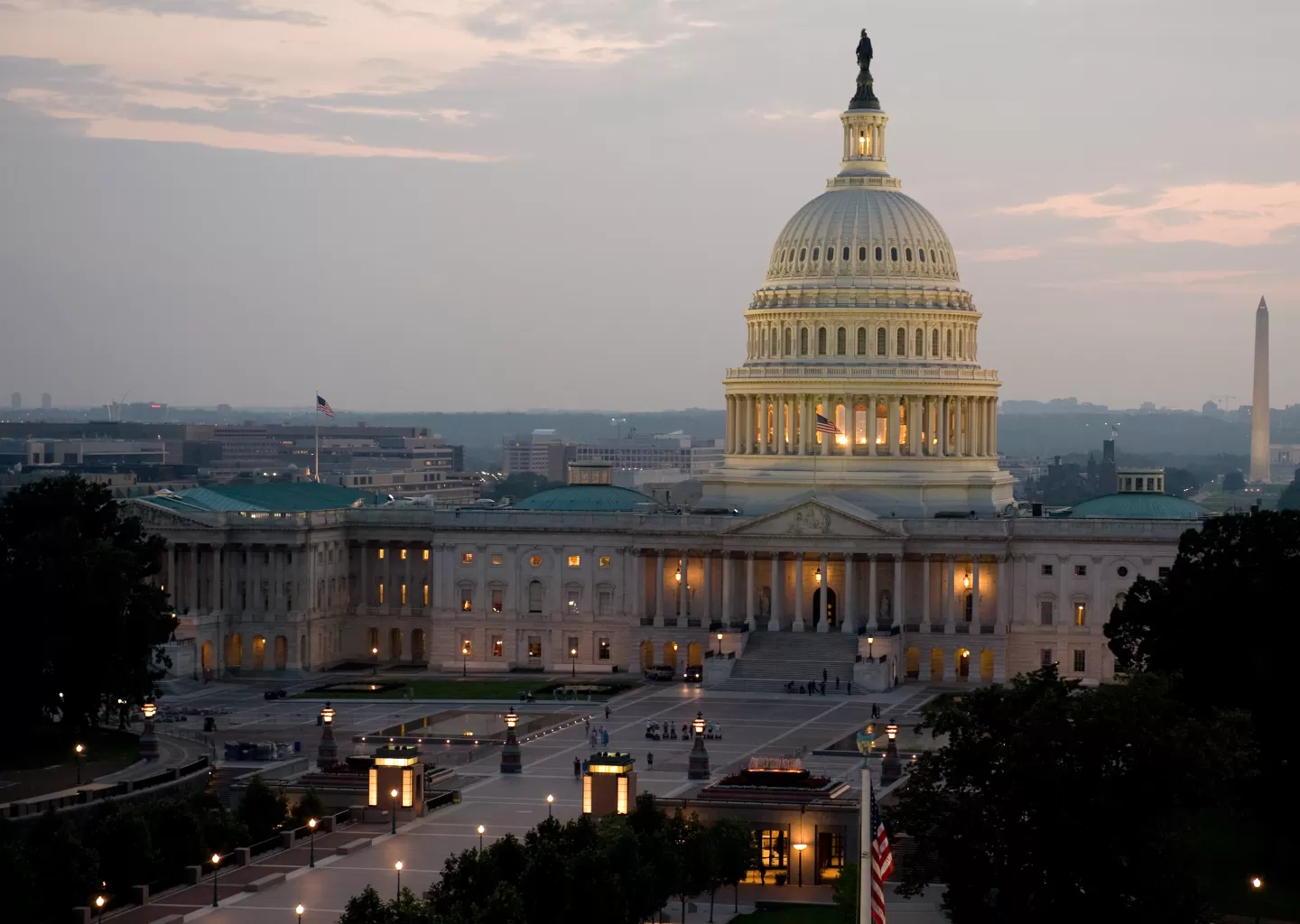
The blue tsunami Tuesday tore the GOP’s coalition asunder, flipping the balance of power in both chambers heading into the final two years of the Trump administration, even as a handful of races remained uncalled.
- Senate: Democrats scored seven pickups on Election Night, with Alaska and Mississippi still waiting to be called.
- House: Democrats logged 27 pickups, with several races still outstanding.
As Republicans sift through the wreckage, the blame game is already underway, and some of it starts at the top.
"This is a Trump loss"
The cleanest indictment came from prominent Republican donor Dan Eberhart.
"Look, first and foremost, this is a Trump loss," Eberhart said. "He wanted to be ... he wanted people to consider him on the ballot. And unfortunately, as a Republican, that's what we got."
For Republicans making this case, the complaint is straightforward: Trump wanted the election read through him, and they believe the party paid for it.
What they point to
In the days after the vote, Republicans have pointed to a cluster of decisions and conditions they believe drove the backlash.
Among the grievances being aired:
- The Iran war
- Ignoring the economic hurt squeezing voters
- Attacking sitting Republicans
- Tariffs
The Senate map
One reason the recriminations are so sharp is that many Republicans saw the Senate terrain as favorable. Republicans held a 53-seat majority heading into Election Night, and the map was viewed as an uphill battle for Senate Minority Leader Chuck Schumer, D-N.Y., and Democrats to put a dent in it.
But after Democrats notched seven pickups, with Alaska and Mississippi still outstanding, some Republicans are arguing the map was not the core problem.
A GOP aide described Trump’s approach as a "primary revenge tour" that antagonized senators and opened up the field for Democrats to pounce.
Endorsements and fallout
As Republicans trade blame, Trump’s role in primary fights and endorsements has become a central target of the intraparty argument.
Republicans point to losses and vulnerabilities tied to Trump-backed or Trump-influenced choices, including:
- Trump’s backing of Texas Attorney General Ken Paxton.
- Trump’s backing of Sen. Darline Graham (R-S.C.).
- Trump’s fight with Sen. Thom Tillis (R-N.C.) last year, which Republicans say ended in Tillis retiring and created an opening for Democrats in North Carolina.
Republicans also cited "stunning losses" in Maine, Kansas, Ohio, and Iowa as part of what "kneecapped" their chances of keeping power in the upper chamber.
One Republican aide put the economic critique in stark terms: "Trump ignored affordability completely" and "Ousted good members", then argued he "hijacked" what they believed was a favorable Senate map.
The House backlash
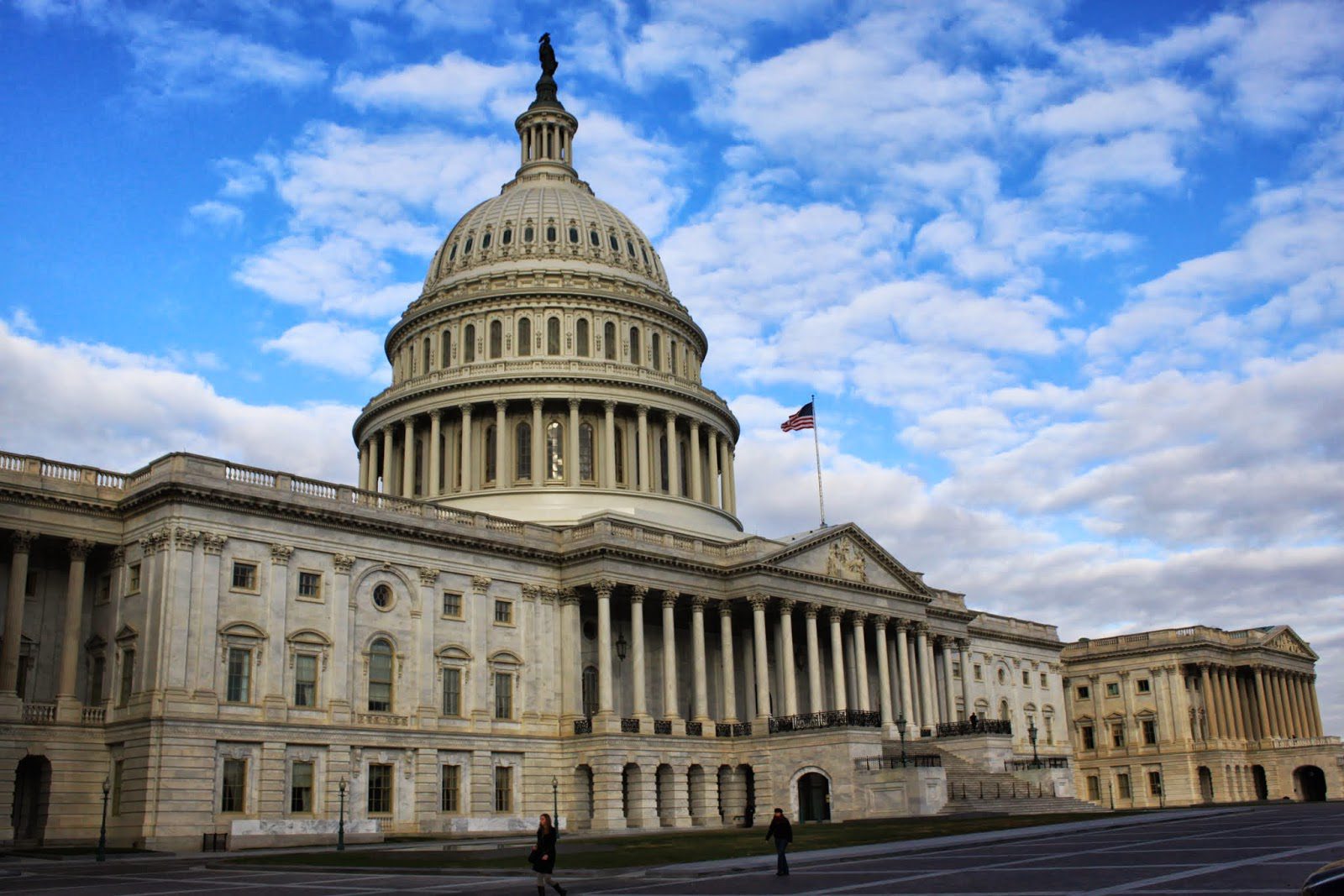
On the House side, Republicans are airing a similar set of grievances. Democrats are on pace to potentially win upward of 250 seats.
One House Republican complained leadership was too invested in "bluster" rather than "doing the job".
The same lawmaker singled out symbolic rebranding efforts as unnecessary, citing "All the name changes" such as "Gulf of America, Lake of America, Department of War."
Another House Republican listed a broader indictment that included:
- Concerns about the "quality and character" of some candidates
- Immigration enforcement
- Tariffs
- Affordability pressures
- Historic midterm headwinds
- A "departure from traditional conservatism in favor of populism"
Allies blame candidates
Not everyone around Trump accepts the premise that the losses were driven from the top down. Some in his orbit faulted the people who ran.
Trump outside adviser Alex Bruesewitz posted on X that "most Republican candidates this cycle were uninspiring, lazy, and thoroughly ineffective communicators."
"I’m not all that surprised by some of these outcomes," he said.
The lame duck warning
Some Republicans are expecting a massive shift in Trump’s base of support in Congress as he heads toward a lame duck stretch likely punctuated by investigations and stalled agendas.
Eberhart framed the political impact in personal terms: "I think Trump being a lame duck starts today," he said, adding that anyone thinking about 2028 would want "space from Trump."
In other words, for Republicans making this argument, the fight is not only about why Republicans lost. It is also about how Republicans behave on Capitol Hill now that the balance of power has flipped, with a few contests still left to settle.
What comes next
For Republicans who are pinning the losses on Trump, the next phase is less about a clean reset and more about open maneuvering. Some say they expect lawmakers with 2028 on their minds to look for distance, while others anticipate a lame duck period defined by investigations and stalled agendas.
The election delivered the shock. Now Republicans are arguing about who caused it.