
There are two kinds of presidential power that matter in the real world. The first is the kind we teach in civics class: statutes, court orders, constitutional clauses, and the slow grind of enforcement. The second is the kind nobody can enjoin: the power of the stage.
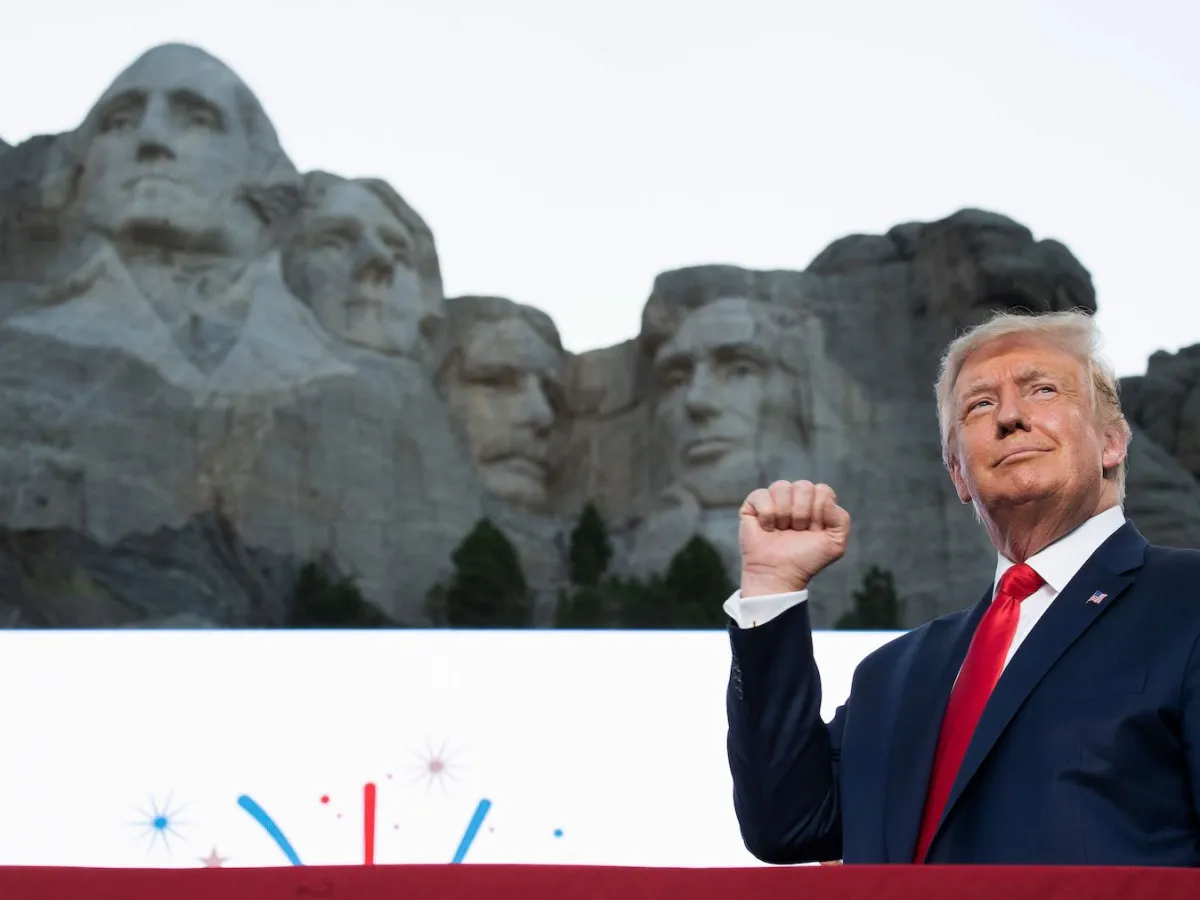
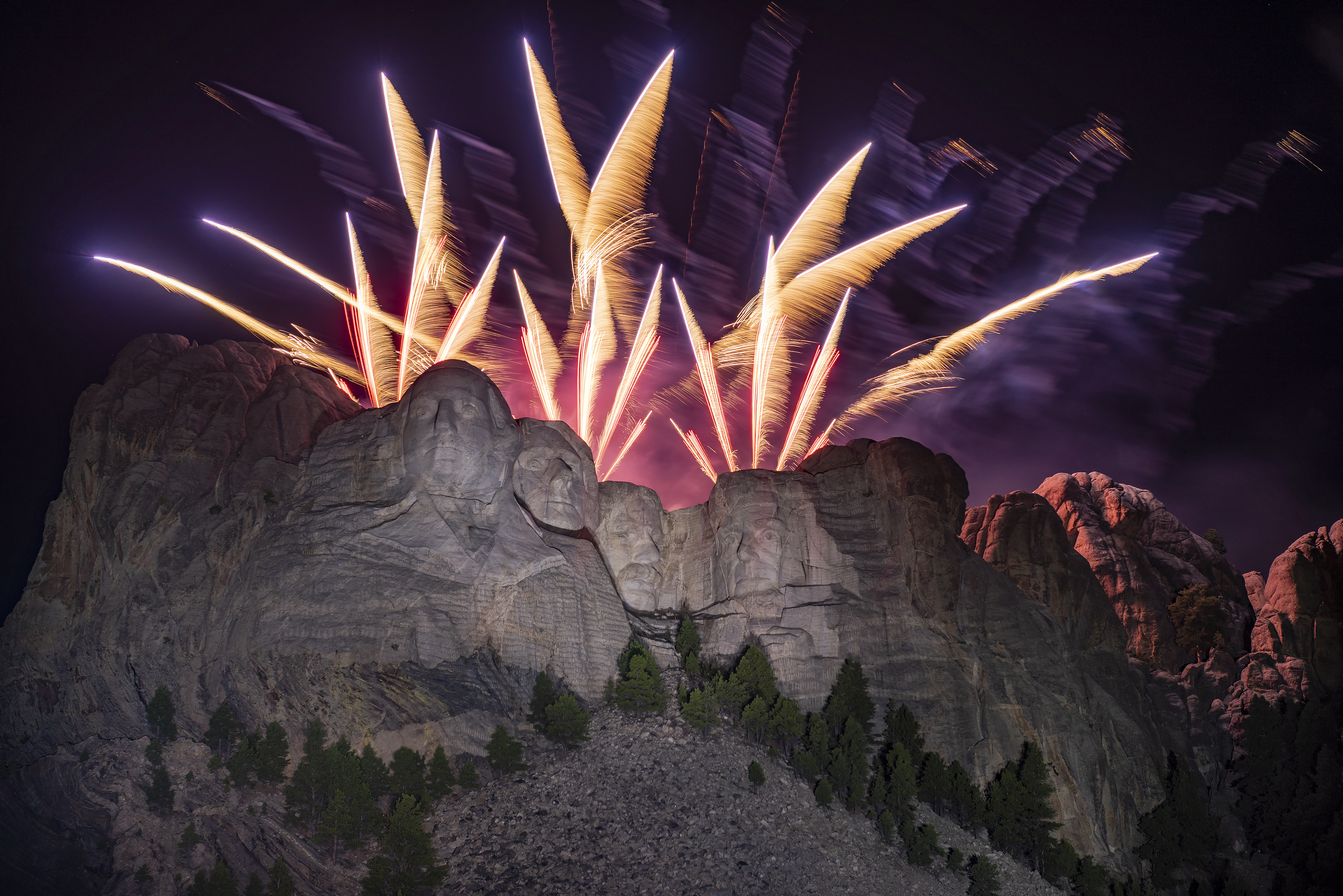
Tonight, President Donald Trump heads to South Dakota late Friday to make remarks at Mount Rushmore National Memorial ahead of the memorial’s fireworks show, part of the weekend’s America 250 celebrations. And while most political coverage will treat this as just another presidential trip, the constitutional question underneath it is sharper: what can symbolism do that law and courts cannot?
Join the Discussion
America 250 is not just a party
July 4 is a familiar holiday, but it is also a federal one, on the books since 1938. That matters because federal holidays are not just days off. They are civic signals, official reminders about which events the nation has chosen to ritually remember.
Now scale that up to America 250, the 250th anniversary of the Declaration of Independence. This is not simply a commemoration of a historical document. It is a nationwide argument about national identity, told through speeches, flags, songs, and locations that carry their own moral weight.
And this weekend, the planning itself is being shaped by something that does not care about anyone’s talking points: extreme heat. Organizers in Washington closed the Great American State Fair on the National Mall for the afternoon as temperatures hit 99 degrees and the heat index climbed above 110. Videos on social media broadcast an announcement that the Freedom 250 event was postponed, and the organization explained moments later that the delay was due to the heat.
“The safety and well-being of our guests, volunteers, performers, vendors, and staff is our highest priority. Conditions are expected to improve later this afternoon, and we look forward to welcoming everyone back at 5:00 p.m. as preparations continue for this evening’s festivities,” Freedom 250 said in a post on X.
A parade planned for Friday in Philadelphia was canceled hours before it was set to start, also due to the heat.
That detail is more than weather. It is a reminder that even the most carefully designed civic ceremony can be knocked off schedule by reality. And when reality interrupts, presidents often respond the way modern politics trains them to: they find the most camera-ready version of the moment that still delivers the intended message.
Why Rushmore matters
Courts can tell a president “no” in a specific way. They can strike down an order. They can narrow an interpretation. They can demand a process. But courts cannot stop a president from making a claim about legitimacy through symbolism, because that claim is not a legal act. It is a cultural act.
Mount Rushmore is not neutral scenery. It is a carved thesis statement about American leadership, permanence, and greatness. Put a president at that site, with fireworks overhead, and the message is implicit: this is what the country looks like when it is confident.
That is why the setting matters even before we know what Trump will say. The place does half the talking. It borrows authority from a national monument and hands it to the speaker like an invisible microphone.
Persuasion vs permission
Our system is built on limits. Article I writes the rules of money and lawmaking. Article III gives courts the last word in cases and controversies. Even Article II, with all its muscle, is supposed to be bounded by law.
But here is the tension that students usually feel before they can name it: a president does not need legal permission to shape public expectations. And public expectations, over time, become political reality. Political reality becomes legislative pressure. Legislative pressure becomes new statutes, new norms, and occasionally new judicial doctrines.
In other words, symbolism is often upstream from law.
That is why presidents fight so hard over the visuals. Not because visuals are “just optics,” but because optics can be the opening move in a longer constitutional chess match. If you can convince enough Americans that something looks like leadership, you can sometimes make the country tolerate actions that would otherwise trigger resistance.
Two speeches, one birthday
On Friday morning in New York, Mayor Zohran Mamdani used the nation’s birthday to frame a different kind of civic moment. “This will be no ordinary day of celebration,” he said from City Hall, arguing that 250 years is “a rare opportunity for more than 340 million people to turn together, both toward one another and toward ourselves, to take measure of who we are as a nation.”
That is the other use of symbolism: not to crown power, but to interrogate it. To turn patriotism into an exam instead of a victory lap.
So here is the question I would put on the board if I were still teaching: When leaders wrap themselves in national symbols, are they inviting accountability or trying to preempt it?
The takeaway
If you want a clean civics story, you will look to the courts. If you want the messier truth about how power works, you will watch the ceremonies.
America 250 will produce a thousand images. Families under flags. Crowds on the Mall. Fireworks reflected in cell phone screens. But the presidency is usually hunting for one image that can do what a legal brief cannot: make an argument feel inevitable.
Trump’s trip to Mount Rushmore is built for that purpose. Whether you cheer it or recoil from it, do not underestimate the constitutional force of a picture that tells Americans, silently, who is “in charge” of the national story.