
When a president goes “underwater,” we usually treat it like a mood ring. The public is annoyed. The headlines get rough. The next election starts creeping into every conversation.
But there’s a harder civics question underneath the approval numbers: what exactly is the public reacting to when it turns on a president? Character? Competence? Cost of living? Or the creeping feeling that national decisions are being made far away from everyday consequences?
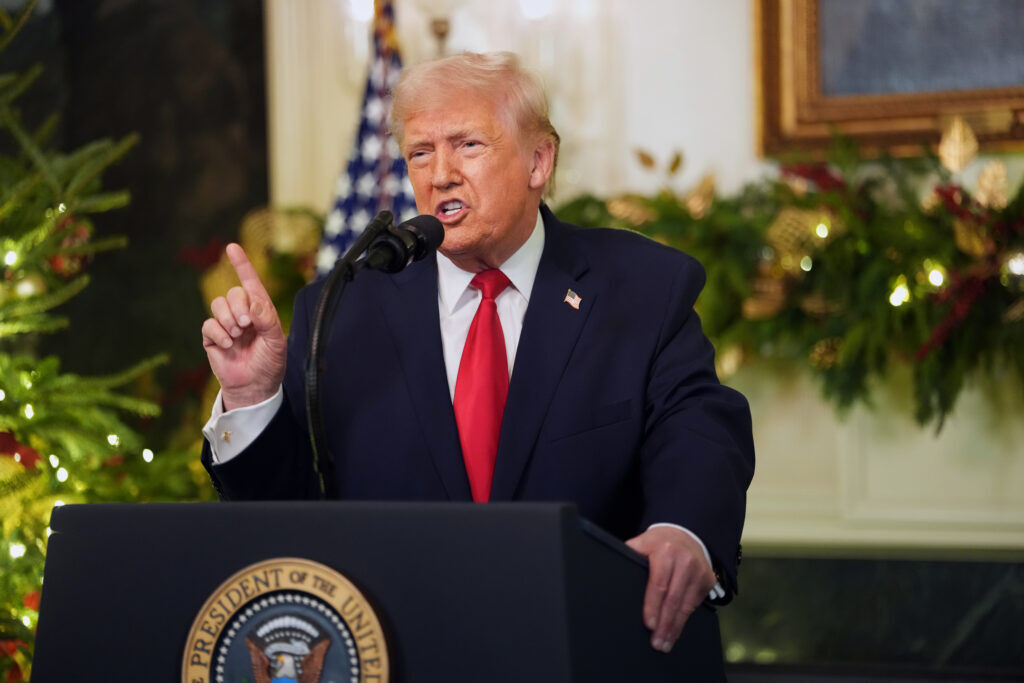
Right now, President Donald Trump is learning the old lesson in a new setting. A long-running polling tracker that has monitored presidential job approval since 2009 places him at a net approval rating of negative 25 percentage points, his lowest point in that tracker and the worst any president has reached within it.
Join the Discussion
The number that matters
Most people hear “approval” and think it’s a single percentage. It is not. Many modern trackers focus on net approval, which is simply approve minus disapprove. A net figure can reveal when support has hardened into a durable negative, not just a temporary wobble.
In this case, the tracker draws on YouGov survey data and has been operating continuously since 2009. In that series, Trump’s net rating has sunk to -25.
That is not just a “bad week.” It suggests the country is settling into a posture of dissatisfaction. And dissatisfaction tends to look for a cause it can name.
Iran and gas price politics
Foreign policy becomes domestic policy the moment it hits the gas pump. The Iran war has helped push energy costs into the daily conversation, and that is where presidential arguments get stress-tested.
The administration is involved in negotiations with Tehran over a nuclear weapon agreement and reopening the Strait of Hormuz, a major oil trading corridor. Most Americans do not need to follow every diplomatic twist to feel the stakes. They just need to fill up their tank.
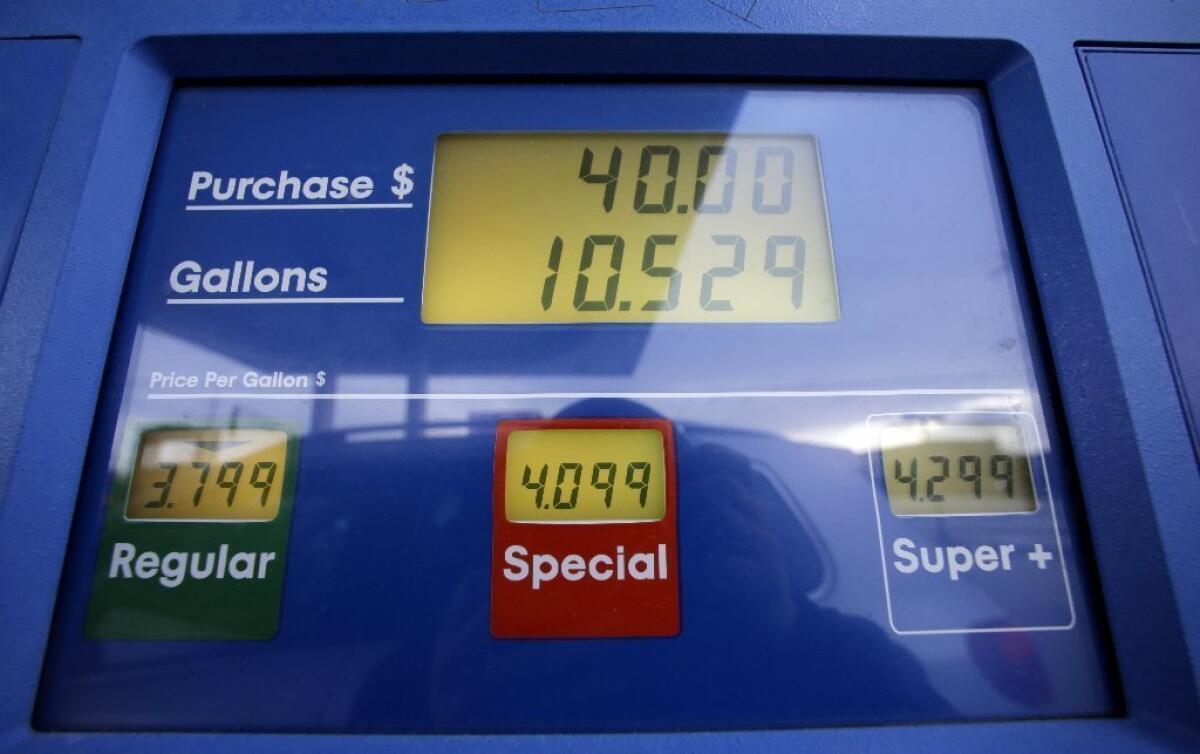
As of Thursday, the national average price of gas was more than $4 per gallon, up from around $3 per gallon at the same point last year, based on AAA tracking.
That single fact explains a lot about modern presidential politics. You can deliver a hundred policy arguments, but you cannot argue with a giant number on a roadside sign that people pass twice a day.
Inflation and approval
There is a reason every administration fears inflation more than almost any other issue. Inflation often feels like a pay cut imposed by forces nobody elected and nobody can easily stop.
In the same polling analysis, Trump’s weakest area is inflation and prices, where his net rating is -43. That is not a minor underperformance. That is a flashing warning light.
Notice what this can mean politically: even if voters give a president partial credit on jobs or broader economic indicators, they often reserve their real judgment for the simplest question imaginable.
“Am I falling behind?”
When the answer feels like yes, presidents tend to pay a price no matter whose spreadsheet says the macroeconomy is improving.
The White House case
White House officials have characterized rising energy prices as short-term pains in exchange for long-term stability in the region. That is a familiar executive-branch logic. The president sees a global board. The public sees fuel and household budgets.
Trump himself has been blunt about the tradeoff. In May, he told reporters: “I don’t think about Americans’ financial situations” when it comes to talks with Tehran. He added, “I don’t think about anybody. I think about one thing: We cannot let Iran have a nuclear weapon.”
Set aside whether you agree with the policy. The political impact is obvious. Voters usually tolerate sacrifice more readily when leaders acknowledge it. When leaders appear to dismiss it, sacrifice starts to look less like shared purpose and more like neglect.
War powers and backlash
This is where civics stops being academic.
Presidents can benefit from a “rally around the flag” effect when conflict begins. That bump can fade quickly if a war looks open-ended, costly, or legally unmoored. The public might not cite Article I, but it recognizes the underlying idea: major national commitments should not rest on one person’s will alone.
In the House, four Republican lawmakers crossed party lines to approve a war powers resolution aimed at curtailing the Trump administration’s military operations against Iran. Whatever you think of the resolution’s strength, the symbolism matters. Dissent is no longer only coming from the opposite party.
Trump responded on Truth Social by calling the House vote “meaningless,” while also referring to Democrats as “Dumocrats.”
Here’s the constitutional tension in plain English. Congress has the power to declare war. Presidents have the power to direct the military. In real life, those powers overlap, and every modern conflict tests the seam. When approval drops during a conflict, it is often because voters feel that seam straining. Not just policy failure, but process failure.
Where he holds up
The same analysis suggests Trump performs comparatively better on several other issue areas, including jobs and the economy, foreign policy, immigration, and crime.
This combination is telling. It suggests the public may still credit the administration for certain categories of strength or priorities, while simultaneously punishing it for the everyday experience of rising costs. In other words, voters can hold two ideas at once:
- “I like his posture.”
- “I cannot afford this.”
Presidents lose political oxygen when the second sentence becomes more urgent than the first.
The uncomfortable question
Approval ratings are not the Constitution. But they pressure-test it. When a president’s support slides during war and inflation, the question is not merely whether he can recover politically.
The question is whether the presidency is becoming the place we deposit our anger about problems no president fully controls, and whether presidents respond by reaching for more unilateral power to prove they are “in control.”
If voters feel poorer and less secure, they often demand a stronger executive. If they also feel unheard, they withdraw consent. That is how a republic gets jittery.
Trump’s net approval at -25 and his inflation rating at -43 are not just political numbers. They are signals. The public is asking for relief, clarity, and some proof that the burdens of national strategy are not being offloaded onto ordinary households without so much as a second thought.