
In civics class, I used to ask students a simple question that never stayed simple: What does the public actually judge a president on? Character. Competence. Results. Values. Crisis leadership. And, when everything gets real, the price of what you need to live.
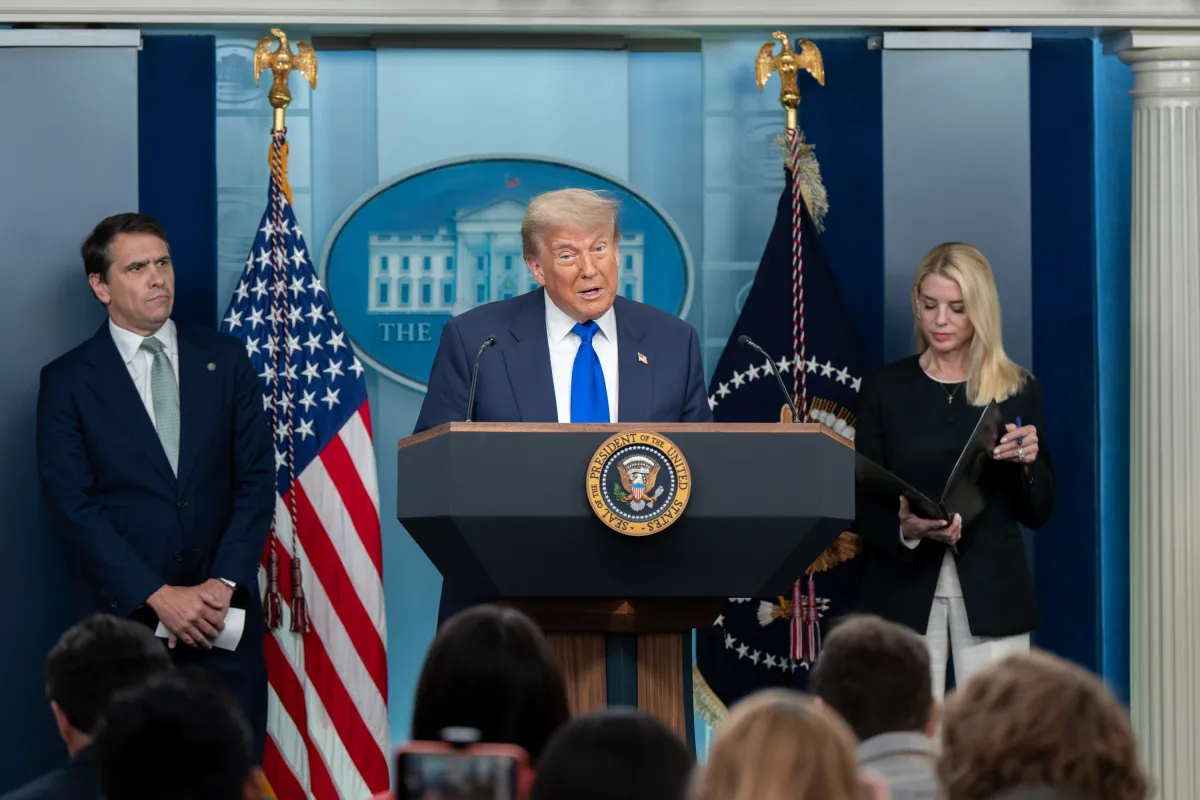
Right now, one number is catching attention because it points to a basic political reality: President Trump is not just polarizing. He is losing ground.
Join the Discussion
The headline: net approval at -25
A long-running polling tracker that has monitored presidential job approval since 2009, using YouGov survey data, now places Trump’s net approval at negative 25 percentage points.
In that tracker’s historical comparison, that is the lowest point any president has reached.
Net approval is a blunt instrument. It is approval minus disapproval. It does not explain why people are upset, but it does reveal something important for constitutional politics: when the public’s confidence drops far enough, presidential actions can start to be received less as leadership and more as imposition.
Prices are a major drag
If you want a clear place to look for what may be weighing on Trump, start with the issue voters feel in their bones. On inflation and prices, Trump’s net rating in the analysis is negative 43 percent.
That number matters because inflation is not an abstract debate about charts. It is a referendum on whether the government is protecting the basic bargain of ordinary life: work should buy stability. When prices stay high, the public rarely cares whose economic theory was correct. They care whose watch it happened on.
Notably, Trump performs comparatively better in the same analysis on other categories, including jobs and the economy, foreign policy, immigration, and crime. That contrast is telling. It suggests some voters may agree with parts of his agenda and still decide that the day-to-day cost of living is becoming unacceptable.
Iran, energy, and the gas pump
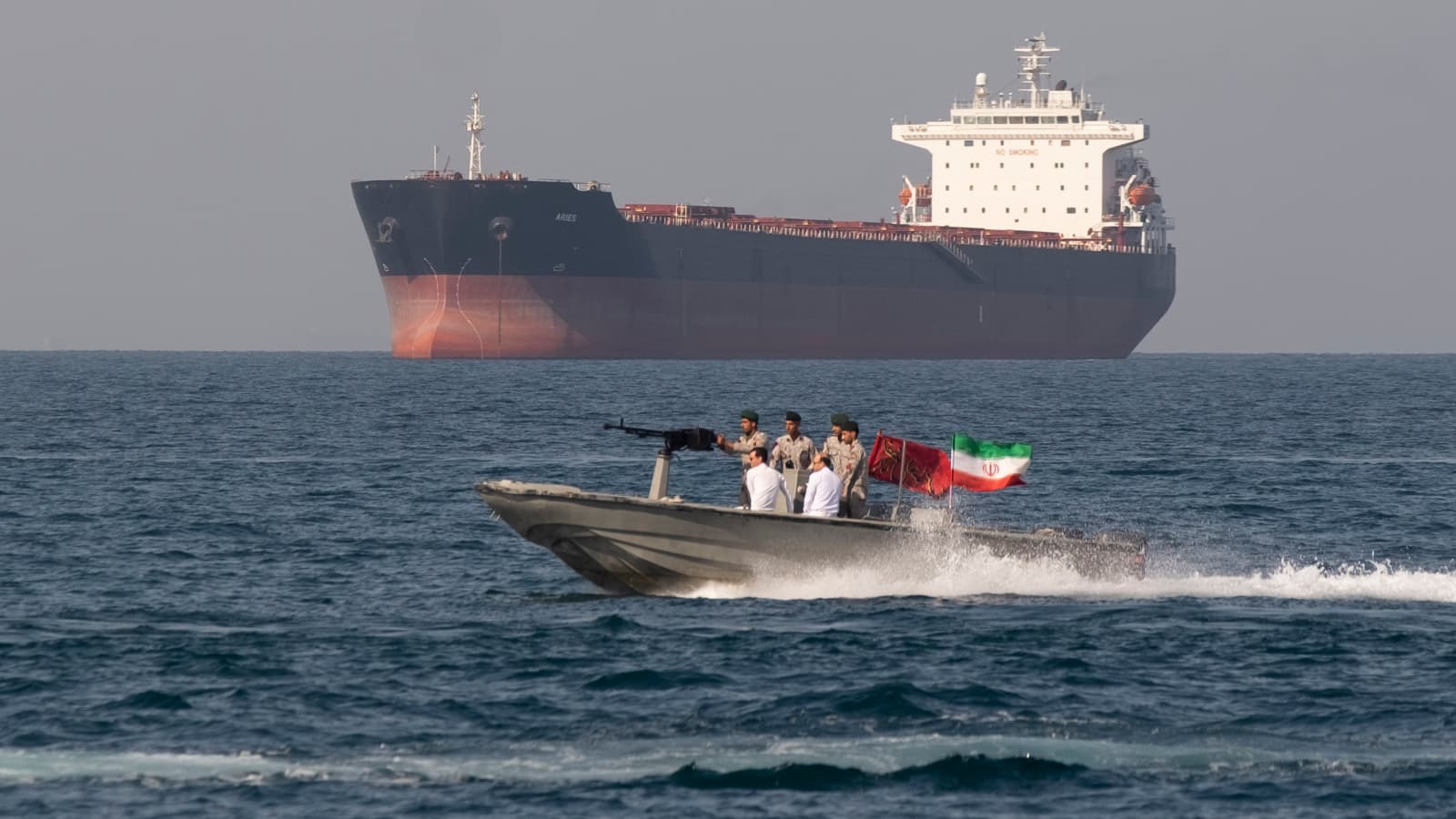
Another pressure point is the Iran war and the spillover it can create in energy markets. The administration is involved in negotiations with Tehran over a nuclear weapon agreement and reopening the Strait of Hormuz, a major corridor for global oil trade.
At home, that story is being translated into a simpler one: energy costs are up, and Americans are paying the bill.
By Thursday, the average U.S. gas price was more than $4 per gallon, up from around $3 a gallon at the same time last year, based on AAA’s national tracking.
White House officials have characterized rising energy prices as short-term pains in exchange for long-term stability in the region. In a household budget, short-term pain still hurts.
A revealing line
Presidents are allowed to prioritize national security. They are also expected to explain the cost in a way the public can live with.
Trump did something different in May, when he addressed the economic consequences of Iran policy. He told reporters: “I don’t think about Americans’ financial situations” in the context of talks with Tehran.
He added: “I don’t think about anybody. I think about one thing: We cannot let Iran have a nuclear weapon.”
You can admire the singular focus and still recognize the political risk. The Constitution gives the president vast responsibility in foreign affairs, but it does not give him a separate electorate. A president who signals indifference to daily economic strain risks a familiar dynamic: voters begin treating foreign-policy moves as if they were paid for with their grocery money.
War powers pushback
Even inside Trump’s own party, the war has drawn more open criticism, including from Republicans who have highlighted its economic impacts.
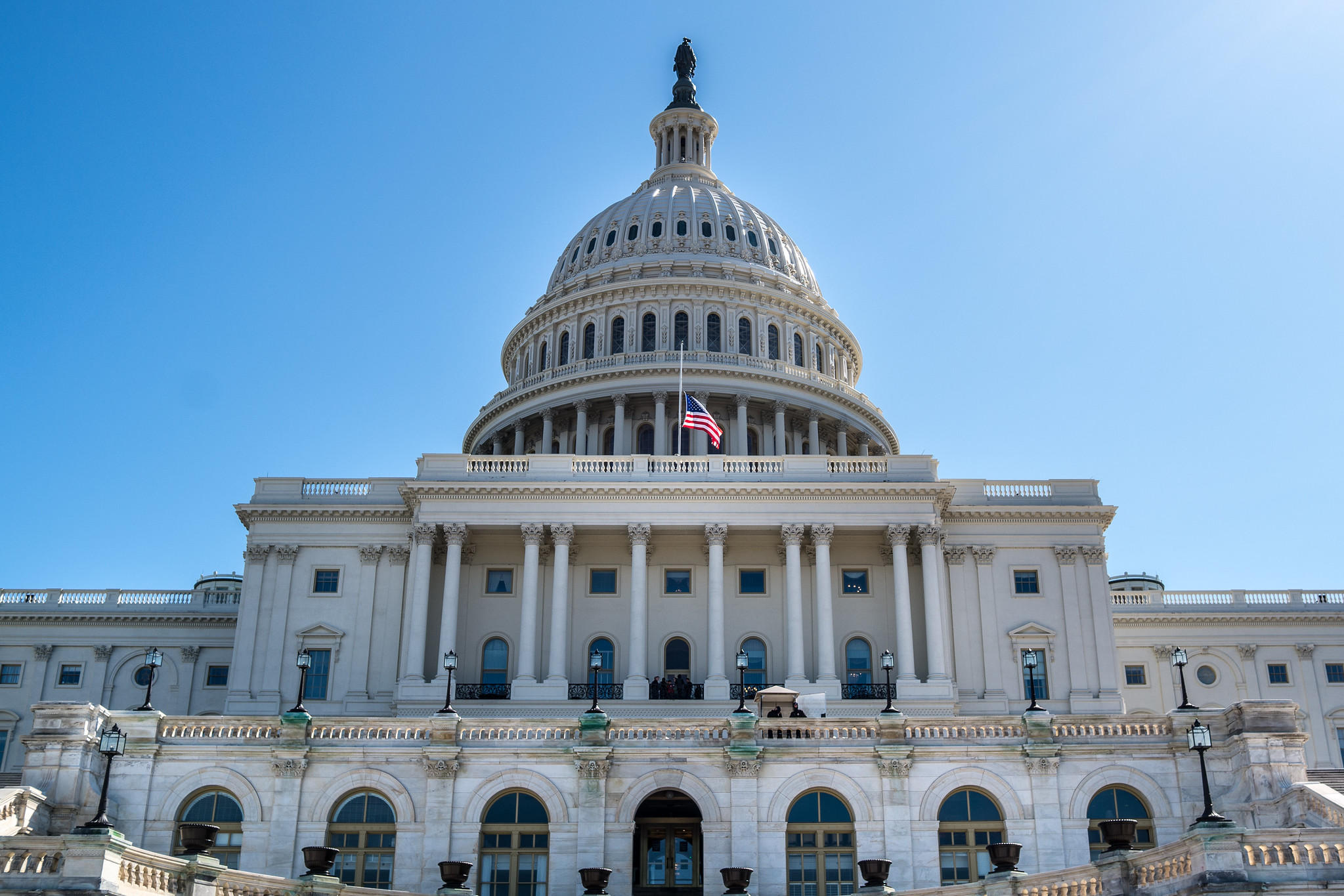
Four Republican lawmakers crossed party lines on Wednesday afternoon to approve a war powers resolution aimed at curtailing the administration’s military operations against Iran.
Trump dismissed the House vote as “meaningless” in a Wednesday morning post, criticizing what he called “4 bad Republicans” and “the Dumocrats,” and framing the vote as an attempt to limit his authority during what he described as final negotiations to end the war with the Islamic Republic of Iran.
Here is the constitutional tension that keeps resurfacing in American history: Congress wants to reclaim leverage over war, presidents want freedom of action, and the public wants safety without sticker shock. When safety feels uncertain and prices climb, the president’s practical margin for unilateral action can shrink, even if the legal theory stays the same.
The question under the poll
Polls do not amend the Constitution. But they do shape the environment in which constitutional powers are exercised.
When a president is this far underwater, hard decisions tend to become harder to sell, and “necessary sacrifice” is less likely to land as shared burden. That is not just a messaging problem. It is a governance problem.
The central question for the months ahead is not only whether Trump can negotiate with Iran or out-argue Congress on war powers. It is whether the administration can persuade Americans that the costs of this moment are linked to a payoff they can actually feel.
Because in the end, the public does not live in Article II. They live at the gas pump and the checkout line.