
For most of us, “Temporary Protected Status” sounds like an internal immigration term that only matters to lawyers. But when a TPS designation ends, it can quickly become a very ordinary, very human question: Do people who have built lives here get told to leave, and how fast?
That question is now tied up in a fresh clash between a federal district court in Massachusetts and the Supreme Court’s recent effort to limit what lower courts can do in TPS fights. On Friday, U.S. District Judge Brian Murphy issued an administrative stay that temporarily preserves TPS protections for Ethiopian nationals while his court sorts out what claims, if any, can still move forward after the Supreme Court’s June decision.
Murphy is the second jurist in Massachusetts to issue an order blocking the Trump administration’s effort to end TPS protections for migrant groups, adding fuel to a growing dispute over how far lower courts can go after the Supreme Court narrowed the rules.

Join the Discussion
What the judge did
Judge Murphy’s order is best understood as a pause button, not a final ruling on whether Ethiopia’s TPS termination is lawful. In African Communities Together v. Mullin, he entered an administrative stay, keeping the TPS protections in place temporarily while the court evaluates whether the plaintiffs may pursue constitutional claims under the boundaries set by the Supreme Court.
This distinction matters. An administrative stay is often used to prevent immediate, potentially irreversible consequences while a court determines what it is allowed to decide. In immigration cases, those consequences can include losing work authorization or facing removal-related uncertainty before a court even answers the threshold question of what it can review.
What the Supreme Court changed
The backdrop here is a 6–3 Supreme Court decision in June, Mullin v. Doe, that significantly narrowed the ability of lower federal courts to block decisions by the Department of Homeland Security to designate or terminate TPS.
That does not necessarily eliminate all judicial involvement. What remains, and what Judge Murphy is now focusing on, is whether plaintiffs can bring constitutional claims that survive even when the underlying TPS decision is treated as largely committed to the political branches.
This is where many of these cases pivot. A court may be barred from second-guessing the agency’s policy judgment, but still asked to consider whether a decision was made in a way that violates the Constitution.
Why Ethiopia TPS is in court
The litigation follows a decision announced in December 2025 by then-DHS Secretary Kristi Noem that conditions in Ethiopia no longer warranted TPS and that the designation would terminate.
If that termination takes effect, Ethiopian nationals who relied on TPS could lose protections that often include relief from removal and eligibility for work authorization during the designation period. Even when those outcomes are not the legal question a judge ultimately decides, they are the practical stakes that make timing and temporary orders matter.
DHS response: “mutiny”
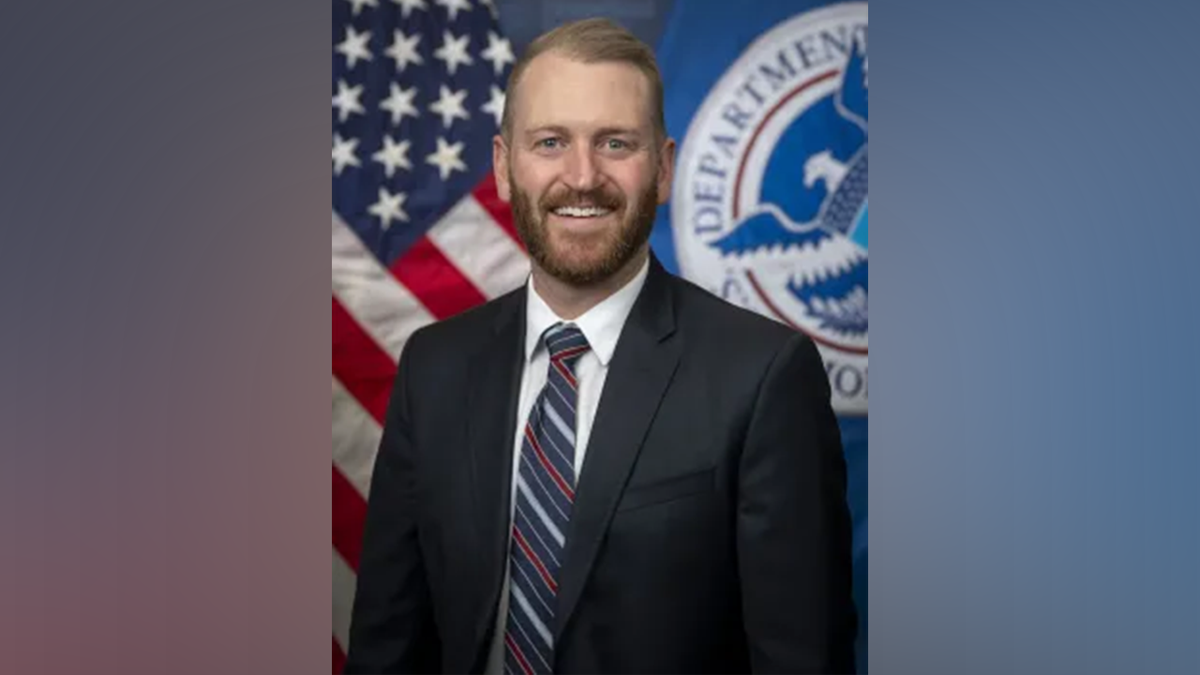
The stay drew an unusually sharp public response from DHS General Counsel James Percival, who accused Judge Murphy of “mutiny” against the Supreme Court and criticized the order as “lawless.”
Percival also tied the judge’s TPS order to earlier controversy, writing on X: “Remember when that district judge rerouted a plane with child rapists headed for South Sudan? The judge made ICE land in Djibouti to face Malaria and terrorist rocket attacks from Yemen. Fun fact: it was the very same Judge Brian Murphy who entered a lawless TPS order today!”
In short, DHS cast the stay as a direct conflict with the Supreme Court’s June ruling.
The Djibouti dispute
The reference to Djibouti points to a prior dispute in which DHS blamed Judge Murphy’s May 2025 order for disrupting a deportation flight to South Sudan and for leaving ICE officers at a U.S. military base in Djibouti. DHS officials said at the time that officers faced malaria exposure and security threats, including the threat of rocket attacks from terrorist groups in neighboring Yemen.
Why does that history matter in a TPS case? Because it underscores a recurring pressure point in immigration disputes. Even temporary court orders can have real-world effects on enforcement operations and logistics.
Can a court do this now?
The practical question is whether an administrative stay like this fits inside the Supreme Court’s narrowed approach.
1) The new rule still has to be applied
When the Supreme Court narrows what lower courts can review, district courts still have to apply that new rule to the case in front of them. That often means determining what claims, if any, remain legally viable.
2) Constitutional claims are the main path
Even when review of an agency’s discretionary determination is limited, constitutional claims can sometimes proceed. That is because the Constitution remains a limit on what the government may do, even when statutes give the executive branch broad discretion.
3) Higher courts can be asked to step in
If the government believes a lower court has gone beyond what the Supreme Court allowed, it can seek fast appellate review. That is a general pathway in cases like this, even if no such move has been announced here.
What to watch next
- Whether plaintiffs reframe their case as a constitutional challenge. That is the most likely route if the underlying TPS termination is largely insulated from review.
- Whether the government seeks immediate appellate intervention. Emergency motions can move quickly when the government argues a district court is conflicting with a Supreme Court decision.
- How courts define “constitutional claim” in TPS cases. The difference between a genuine constitutional issue and a repackaged policy dispute will be a key line.
For now, the administrative stay means time. For the people covered, it is time to keep life stable while the next order takes shape. For the legal system, it is time to see how the Supreme Court’s limits get enforced in real cases, not just in theory.
Quick takeaway
If you only remember one thing from this story, make it this: the fight is not just about immigration policy. It is about who gets the last word when the Supreme Court sets a rule and a lower court says there is still a constitutional question left to answer.