
Every July 4, the country does what it does best: it turns a hard argument into a holiday. We light fireworks, wave flags, and tell ourselves a comforting story about a clean break from tyranny. Then the calendar rolls on and the questions we avoided come rolling after it.
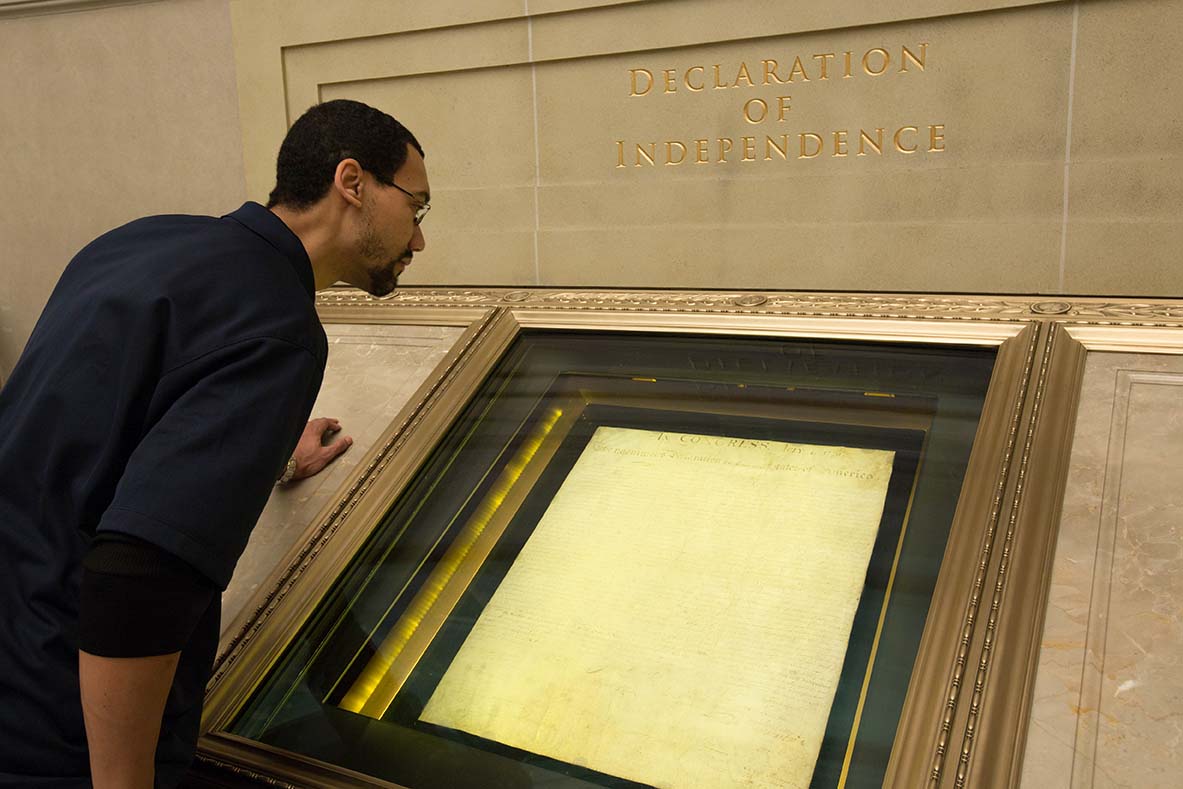
Here is the civic truth behind the cookouts. July 4 commemorates the adoption of the Declaration of Independence in 1776. That is the event. That is what the date is tied to. But what Americans have chosen to do with that event, politically and morally, has never been settled.
Join the Discussion
What happened on July 4, 1776
Independence Day is celebrated annually on July 4 because that is the anniversary of the Declaration of Independence’s adoption in 1776. The date has earned the holiday its popular nicknames: “the Fourth of July” and “July 4th.”
If you want the constitutional angle, notice what is not being celebrated. The Constitution was written later. July 4 is about a political claim and a moral argument, not a governing framework. It is a day built around a declaration, not a law.
How independence went mainstream
It is easy to imagine the colonies marching in lockstep toward separation. They did not. When the initial battles of the Revolutionary War broke out in April 1775, few colonists desired complete independence from Great Britain. Those who did were considered radical, the kind of neighbor everyone rolls their eyes at until history changes its mind.
That shift came fast. By the middle of the following year, many more colonists had come to favor independence, thanks to growing hostility against Britain and the spread of revolutionary sentiments. One spark was Thomas Paine’s bestselling pamphlet Common Sense, published in early 1776, which helped put plain, forceful language to feelings many colonists had been hesitant to voice.
June 7 and the drafting committee
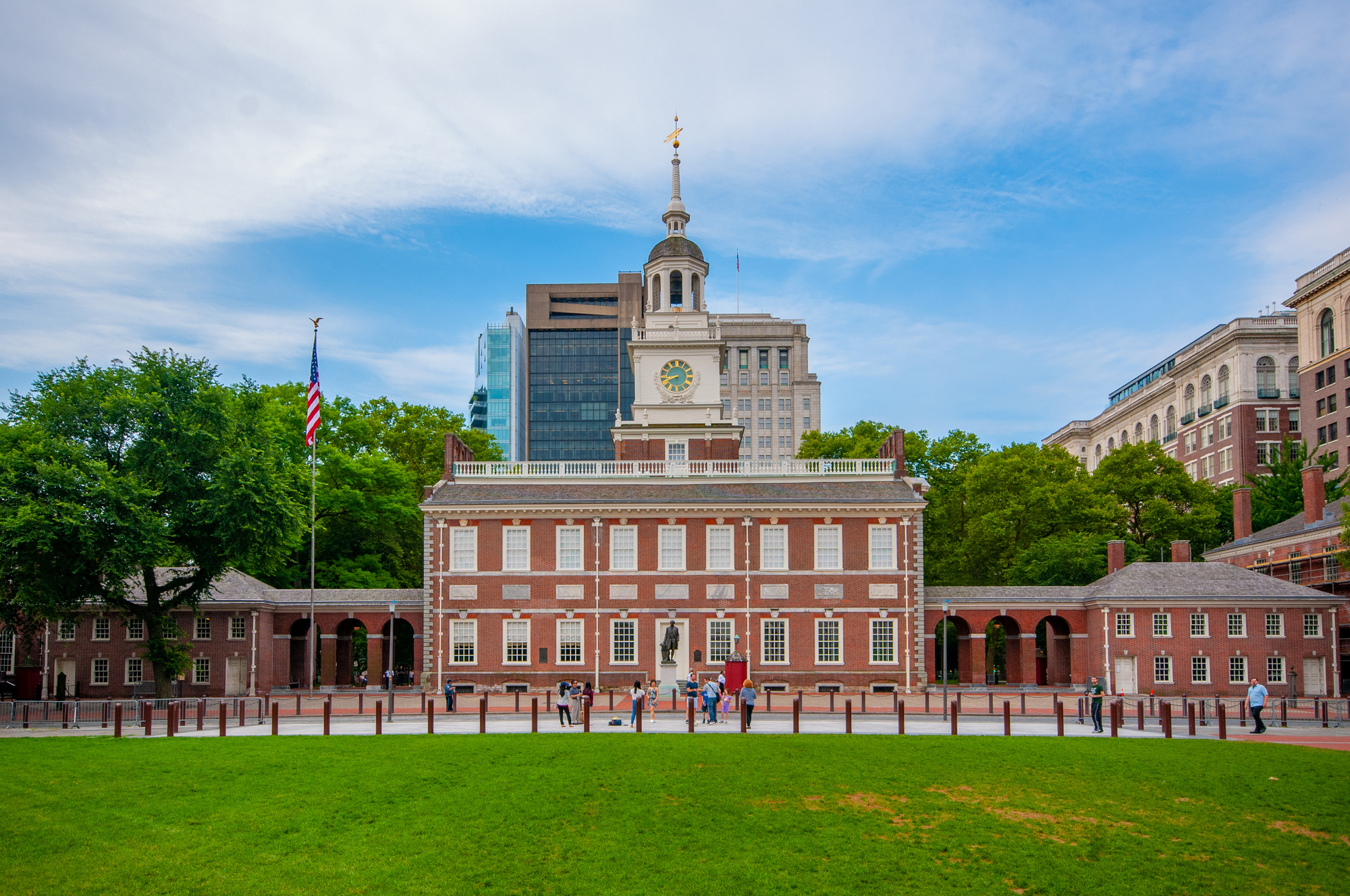
On June 7, the Second Continental Congress met at the Pennsylvania State House in Philadelphia, later known as Independence Hall. The Virginia delegate Richard Henry Lee introduced a motion calling for the colonies’ independence.
Amid heated debate, Congress postponed the vote on Lee’s resolution, but it did something just as consequential: it appointed a five-man committee to draft a formal statement justifying the break with Great Britain.
- Thomas Jefferson (Virginia)
- John Adams (Massachusetts)
- Roger Sherman (Connecticut)
- Benjamin Franklin (Pennsylvania)
- Robert R. Livingston (New York)
This detail matters because it tells you what the Revolution understood about itself. A rebellion can be fueled by anger. Independence, if it is going to be legitimate, needs reasons. The Declaration was meant to be that public justification, written for an audience larger than the thirteen colonies.
When the date hits a weekend
Independence Day does not just live in history books. It also lives in calendars and timecards. In 2026, Independence Day is on Saturday, July 4. Most federal employees are granted the day off, and many businesses are closed in observance.
When the Fourth of July falls on a weekend, it is typically observed on the closest weekday, either Friday or Monday, to fit modern work life. The calendar adapts, even when the underlying debate does not.
The name and the argument
Now comes the question polite speeches try to dodge. If July 4 marks independence in 1776, why do so many Americans argue that the holiday name itself is misleading?
Because the Declaration’s promise was not distributed evenly. In 1776, huge numbers of people inside the new nation’s boundaries did not experience “independence” as liberation. The founding language pointed toward universal equality, but the lived reality was narrower, and in many places brutally so.
That tension is why the argument over renaming the holiday keeps resurfacing. One side says the day should be called something that acknowledges the gap between ideals and reality. Another side insists that changing the name concedes too much, as if admitting the contradiction means the ideals were fake.
I have never found either side fully satisfying. The better civic habit is to keep the original name and stop using it as an escape hatch. If we call it Independence Day, then we owe each other the uncomfortable follow-up: independence from what, and independence for whom?
A civics teacher’s bottom line
July 4 is not just a birthday party for the United States. It is a yearly quiz on whether we can hold two truths at the same time.
- Truth #1: July 4 commemorates the adoption of the Declaration of Independence in 1776, a world-shaking claim that legitimate government rests on the consent of the governed.
- Truth #2: In 1776, consent and liberty were not extended to everyone living under American rule, and the country has spent generations fighting over how to make its founding words mean what they said.
If you want fireworks, enjoy them. But if you want to honor the day, do what the Declaration itself demands: make an argument. Ask whether the nation is getting closer to the promises it announced to the world in 1776. Then decide what you, personally, are going to do with the answer.