
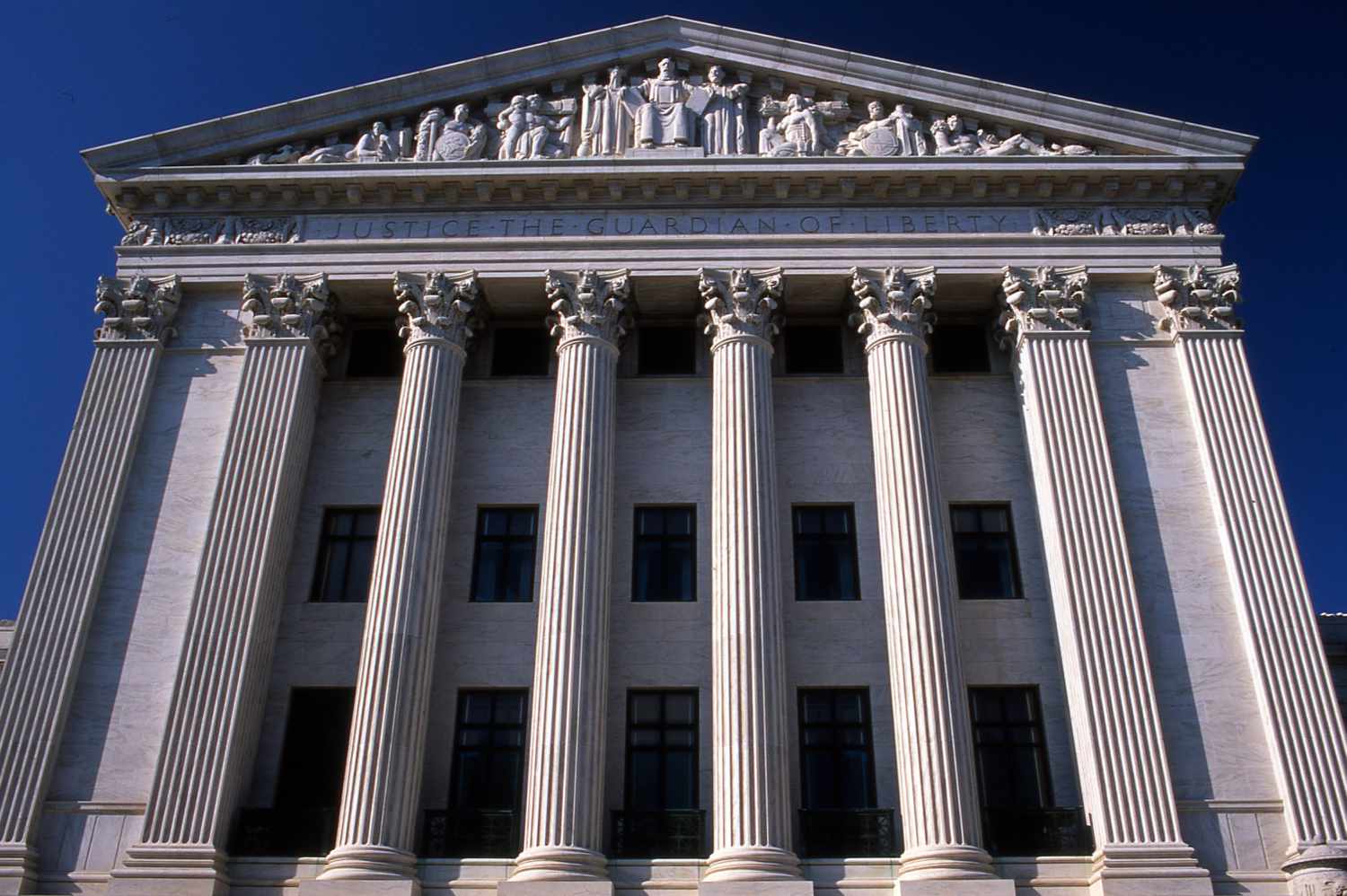
Prediction markets force a blunt constitutional question that America keeps dodging: when citizens put money behind a belief about the future, are they gambling, or are they participating in something closer to a public information system?
That question is no longer academic. State regulators argue these platforms can look like sports wagering with a tech wrapper. The federal commodities regulator says at least some of these contracts belong in a national marketplace governed by federal law. And when states and Washington both claim the badge, the Supreme Court can end up with the last word.
Join the Discussion
Why this could reach the Court
The clearest path to Supreme Court review is a disagreement among federal appeals courts. That possibility is now on the table.
In April, the U.S. Court of Appeals for the Third Circuit sided with Kalshi in its dispute with New Jersey, finding that federal commodities law overrode the state’s gambling laws for the platform’s contracts. The ruling affirmed a lower-court decision allowing Kalshi to continue operating in the state.
Other cases are moving through other circuits, and at least some judges have appeared unconvinced by the companies’ position. Earlier this year, a Ninth Circuit panel heard arguments tied to Nevada’s effort to enforce its gambling laws against event contract platforms, and the judges appeared skeptical of the arguments made by three prediction market companies. Meanwhile, over the past two months, Kalshi has appealed to the Second Circuit in response to adverse rulings by federal judges in New York and Connecticut.
If even one appeals court sides with the states over Kalshi, that would create a circuit split, the kind of conflict that often makes Supreme Court review far more likely.
The real fight: who regulates
It is tempting to frame this as a morality play about gambling. That is not the center of the conflict. The deeper issue is structural: do states get to treat these contracts as local betting, or does federal law preempt state law because the contracts are swaps or futures under the Commodity Exchange Act?
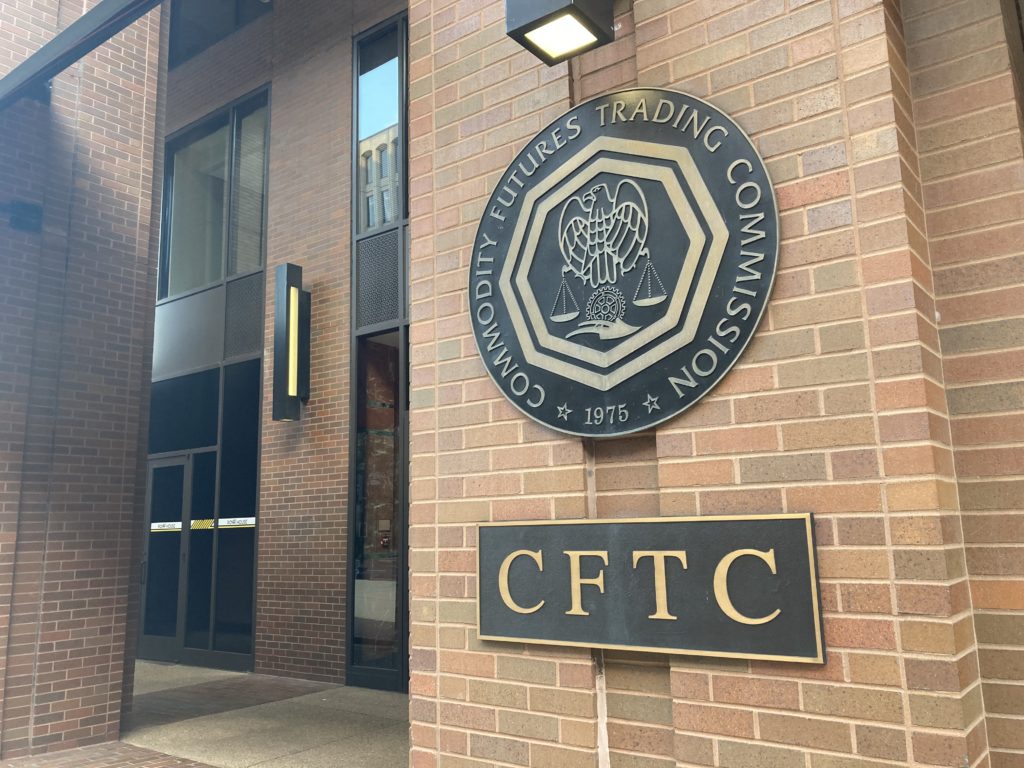
Under the Trump administration, the Commodity Futures Trading Commission has taken a more accommodating stance toward the platforms, arguing that event contracts traded on CFTC-registered exchanges fall under its exclusive authority. States have pushed back, saying that contracts tied to sports amount to unlicensed wagering. The standoff is especially high-stakes in states that rely heavily on gaming revenue.
Prediction markets have proliferated in the United States over the past two years, which has raised the volume on the jurisdiction fight. PredictIt Chief Strategy Officer Flip Pidot, a prediction market executive with nearly 20 years of experience in the industry, described the current situation as the kind of intergovernmental conflict that can draw the Court in quickly: “When you have a high-stakes intergovernmental conflict where a federal regulator like the CFTC is opposed in their position to a supermajority of state attorneys general… then that can get the Supreme Court’s attention.”
What the justices would decide
If the Supreme Court takes one of these cases, it might not answer the question people want most: is this gambling? Courts often decide cases on narrower grounds, especially where labels are slippery.
Expect the justices to focus on a few pressure points:
- Statutory classification: Do these contracts fit within the Commodity Exchange Act’s definitions, and if so, under what conditions?
- Preemption scope: Even if the CFTC can regulate, does federal law fully crowd out state gambling enforcement, or can states still police the conduct as wagering?
- Federalism limits: Where does the Tenth Amendment leave room for state control of gambling and gaming revenue?
- Agency posture: How much deference, if any, should courts give to the CFTC’s view of its own reach?
Those questions sound technical until you translate them into civics. The case is about who writes the rules of a national market when that market smells like vice to the states and looks like finance to the federal government.
Sports betting and the Tenth
States have a fresh memory here. In 2018, the Supreme Court ruled that the federal government could not prevent states from allowing sports betting because doing so violated the Tenth Amendment. The decision allowed each state to decide whether and how to regulate sports betting.
Now turn the prism. Because prediction market contracts can resemble sports bets, states argue that a federal commodities regulator is taking away power the Court just reaffirmed. The CFTC counters that the Commodity Exchange Act gives it sole power over swaps and futures contracts, preempting state laws.
This is the constitutional tension that makes the dispute bigger than one industry. The Court may be asked to reconcile two principles that often collide:
- States have traditional police powers over gambling within their borders.
- Congress can create national markets and preempt conflicting state law.
Money, markets, and disruption
The economic stakes are not background noise. Prediction markets threaten established gambling businesses like casinos and can disrupt Native American economies that rely heavily on gaming revenue. At the same time, companies and institutions are increasingly exploring prediction markets as financial tools for hedging risk.
Prediction markets lawyer Stephen Piepgrass, a partner at law firm Troutman Pepper Locke, explained why Supreme Court review can look less optional as the stakes grow: “This is top of mind for so many Americans… It has a huge potential impact on the economy, and we’ve only scratched the surface of it.”
A possible First Amendment argument
This part is not the current core of the litigation posture described above, but it is a plausible future argument if the fight keeps escalating. Prediction markets are not just about money. They are about beliefs, aggregated, priced, and broadcast. People use them the way they use polls, forecasts, and expert models: to learn.
So could there be a First Amendment interest in information markets? Maybe. But tread carefully. The First Amendment protects speech. These platforms also involve conduct, transactions, and settlement. Courts traditionally give government more room to regulate economic activity than political expression.
Still, a sharper framing is easy to imagine: if a platform produces valuable public information by letting people buy and sell predictions, then banning the platform is not just vice control. It is a government decision to shut down a method of generating knowledge. The strongest counterargument is equally plain: calling something informational does not immunize it. A book about poker is speech. Running a poker room is regulated conduct.
What happens next
Everything turns on timing and outcomes in the courts of appeals. If the Second Circuit or Ninth Circuit produces a ruling that conflicts with the Third Circuit, the odds of Supreme Court review rise sharply.
Pidot expects a split could develop as soon as November and, if the Supreme Court chooses to hear a case on that schedule, a ruling would likely come next June.
Frequently asked questions
Could the Supreme Court rule as soon as next year?
Yes. Flip Pidot has suggested a split could develop as soon as November and, if the Supreme Court grants review on that timeline, a ruling would likely come next June.
Is the CFTC definitely the regulator?
No. The CFTC argues that event contracts traded on CFTC-registered exchanges fall under its exclusive authority, but whether particular event contracts fit within the Commodity Exchange Act is exactly what courts are being asked to decide. States also claim authority when contracts look like unlicensed wagering.
Is the First Amendment part of the current court fight?
Not as described in the current disputes. The First Amendment angle is better understood as a possible future argument about whether these markets function as a tool for generating and distributing information, even though the platforms also involve regulated transactional conduct.