
If you have to pay a recurring fee to keep living in the house you already bought, do you really own it?
That question is no longer just a late-night complaint about the annual bill. It is the animating idea behind a growing, state-by-state movement aimed at cutting property taxes and, in some places, setting the conditions for their elimination on owner-occupied homes. And because property taxes are mostly local, the fight usually runs through state and local rules about what can be taxed, how much, and who gets to decide.
Join the Discussion
Why it feels personal
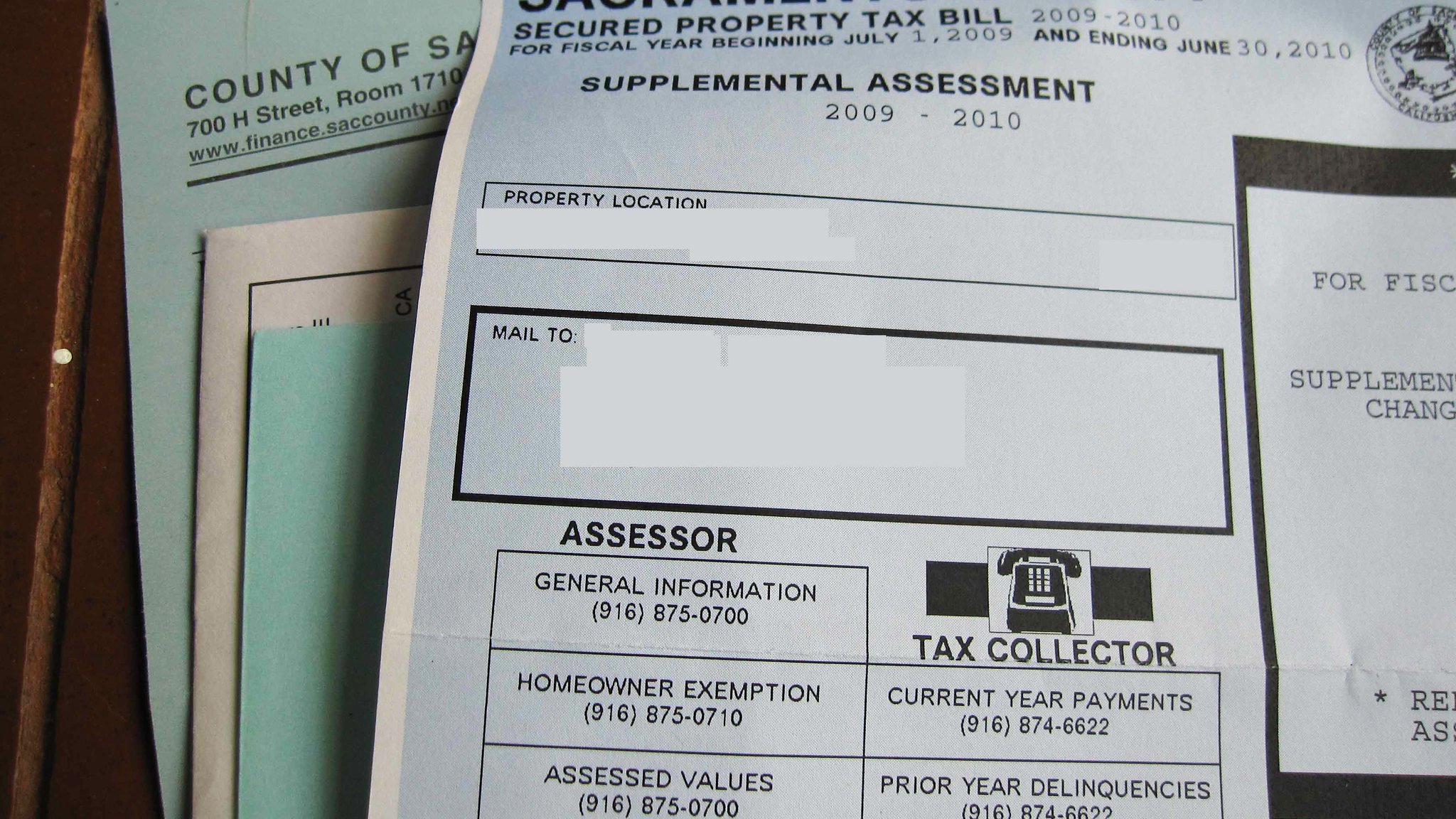
Sales taxes at least let you change your behavior. Buy less, pay less. Income taxes rise and fall with paychecks. Property taxes are the stubborn cousin. For many homeowners, the bill arrives whether your income went up, down, or nowhere at all.
They also rise for reasons homeowners do not control. Assessments track market values that swing with supply and demand. So when prices soar, people who did nothing but stay put can end up paying more simply because the neighborhood got hotter.
That insecurity is the emotional core of the revolt. A home is supposed to be the stable asset, the place you can plant roots. But a tax that must be paid every year can make ownership feel conditional.
Liberty vs. the budget
Property taxes are unpopular. They are also foundational. In fiscal year 2023, property taxes comprised 28.9 percent of total state and local tax collections in the United States, more than any other source of tax revenue, even though they are levied almost exclusively at the local level.
Economist Vance Ginn frames the argument in first principles: Property is the foundation of liberty
and, in his view, taxing property every year after it was purchased with after-tax dollars undercuts genuine ownership. He argues that property taxes operate like an annual wealth tax or unrealized capital-gains tax, applied regardless of income or ability to pay.
Tax policy analyst Jared Walczak approaches the issue from a different angle. He argues that spending restraint can reduce burdens, but any talk of elimination has to face the math: property taxes account for about 70 percent of local tax collections nationwide and upwards of 90 percent in some states. Walczak also stresses a point economists return to again and again: because land is an immobile asset, taxing property does less to distort market decisions than taxing income or even sales.
There is also a power question hiding inside the tax question. Property taxes are usually imposed locally. Many alternatives are state-level revenues, which can shift authority away from local communities and toward state government.
Rates and the real map
Property tax burdens are not uniform. Typical effective rates range from roughly about 0.5 percent to just under 2 percent of assessed home value.
- States with heavy reliance include New Hampshire at 1.5 percent in 2024 and Texas at 1.4 percent in 2024.
- Some of the lowest include Alabama at 0.37 percent in 2024, Arizona at 0.48 percent, Hawaii at 0.29 percent, and Utah at 0.48 percent.
- High effective rates include Illinois at 1.88 percent in 2024 and New Jersey at 1.88 percent.
These comparisons matter because they hint at different governing arrangements. Places that rely heavily on property taxes, like New Hampshire and Texas, also tend to leave more government responsibility in local hands that might be handled at the state level elsewhere.
Meanwhile, some states with high property taxes also tax heavily across the board to support large and intrusive governments.
The assessment spike
The current revolt is not happening in a vacuum. Rising valuations have pushed bills higher even for homeowners who did not move, expand, or upgrade, though localities can and sometimes do adjust tax rates to offset rising values.
Between 2019 and 2023, the median value of annual property taxes increased nearly 25%. That kind of jump turns a theoretical gripe into a political identity. It also helps explain why the push for relief has been gaining traction in more than a dozen states, generally through measures that reduce bills rather than erase the tax entirely.
Florida test
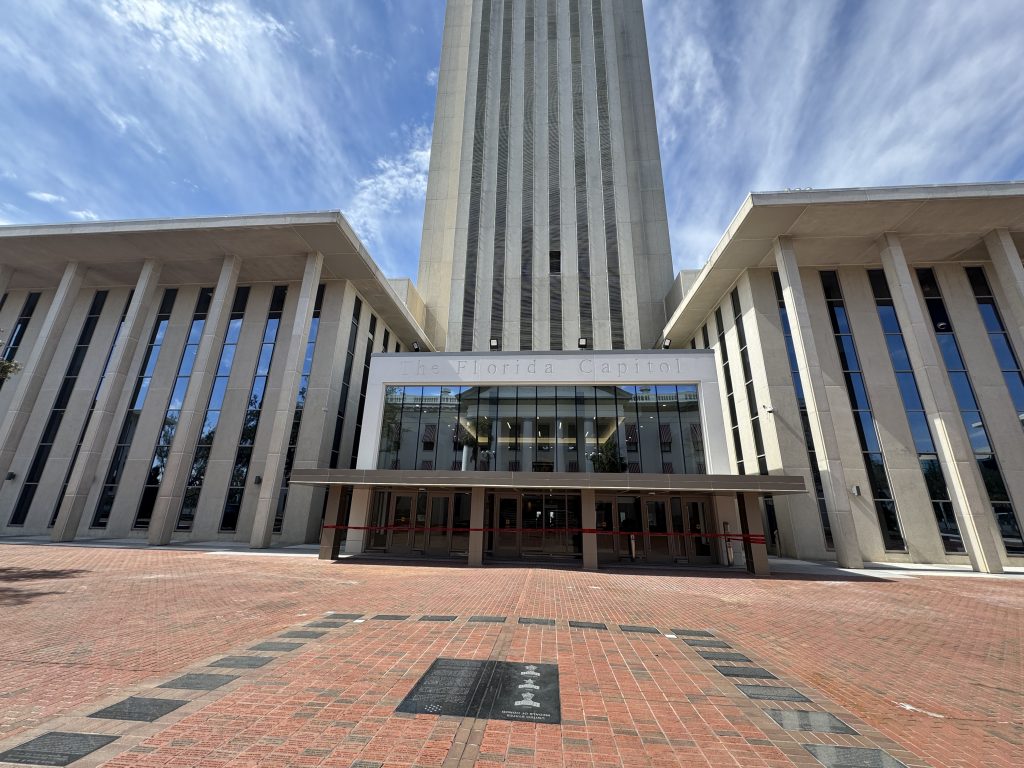
The next major battleground is Florida, where a proposed constitutional amendment, known as Amendment 3, would reshape what “homeownership” means under state tax law.
The measure would incrementally raise the homestead exemption to $250,000. It also would require the Legislature to prescribe a uniform procedure allowing counties and municipalities, for their respective levies, to increase the homestead exemption up to full assessed value. In plain terms, it creates a mechanism that could allow local governments to effectively abolish property taxes on owner-occupied dwellings, if they choose to use that authority.
Because it is a constitutional amendment, it needs a 60 percent vote to pass. Polling has shown more support than opposition, but not necessarily at the supermajority level required for victory.
Replacing the money
Cutting property taxes runs straight into a hard question: what replaces the revenue if state and local governments keep spending and providing services at the same level?
The Tax Foundation offers one vivid illustration of the scale in Florida: the statewide average sales tax rate would have to rise from 7.02 to 15.34 percent to replace the property tax
with equivalent revenue. Rates could widely vary if localities implemented sales taxes instead of leaving them to the state.
Ginn’s response to replacement-tax math is not to deny it but to push the argument deeper. He says the failure lies not only in how the money is raised, but also in how much government spends. If the revolt is really a revolt against the size and cost of government, then the political choice is not only between one tax and another, but also between higher revenue and less spending.
What the fight is
Property taxes sit at an uncomfortable intersection of American ideals.
- Homeownership is treated as a cornerstone of independence.
- A large share of local government is funded through a tax many people experience as an annual rent payment.
- Property taxes can strengthen local power, while alternatives can shift authority upward to the state level.
Economists can praise property taxes as relatively efficient because land is immobile. Regular people can still hate them because the bill shows up regardless of income and can rise with market forces beyond their control.
The movement to cut or abolish property taxes is not just anti-tax energy. It is a fight over what ownership means, what local self-government costs, and whether voters prefer a visible annual bill, a different tax base, or a smaller public sector.