
Power in a state legislature can look deceptively ordinary. A committee chair gavels in a hearing. A caucus negotiates. A senior lawmaker counts votes.
Then a federal indictment lands, and the same question suddenly governs everything: what happens to democratic legitimacy when one of the system’s most influential operators becomes the system’s most scrutinized defendant?
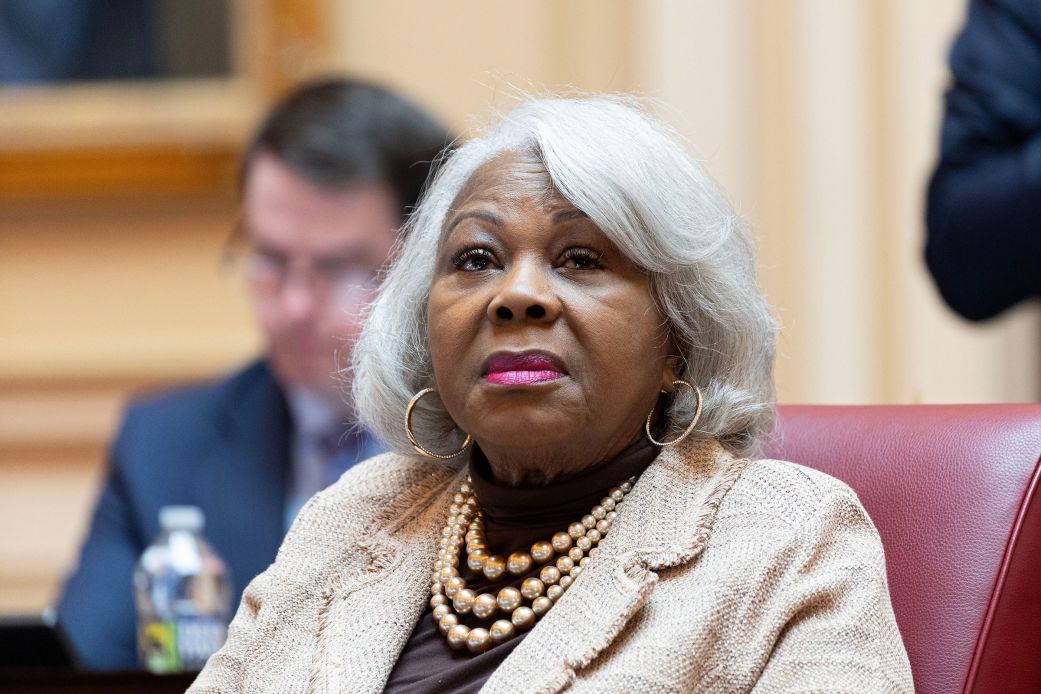
That is the constitutional and civic tension sitting underneath the federal charges now filed against Virginia state Sen. L. Louise Lucas, a prominent Democrat whose name is suddenly being spoken far beyond Richmond. The case is being described as a public-corruption prosecution. And depending on how you first encountered the story, you may have seen references to drug trafficking, money laundering, and fraud related counts.
Join the Discussion
What we actually know from the charging posture
Federal prosecutors have charged Lucas in a case characterized as public corruption. Public-corruption cases are not a single, neatly labeled crime in the way people assume. They are a category of prosecutions where the government alleges that public office was used as leverage, cover, or currency for some improper benefit.
In this matter, the allegations have been framed in connection with offenses that include drug trafficking, money laundering, fraud, or related counts that commonly travel with corruption theories. The key point is not which headline word hits hardest. The key point is that federal charging decisions typically reflect a strategy: prosecutors build a story around conduct, then choose statutes that match the conduct and expand their ability to prove intent, trace money, and flip witnesses.
That is why the same case can be described in very different shorthand while still being the same underlying prosecution.
Why federal charges hit differently than a local indictment
A state or local case can be politically destabilizing. A federal case is structurally different, and not just because it sounds more ominous.
- Federal jurisdiction is a signal. It usually means prosecutors believe the alleged conduct crosses lines the federal system is designed to police, such as financial channels, organized schemes, or crimes that implicate federal enforcement priorities.
- Federal investigations tend to be slower and broader. By the time charges are filed, prosecutors often believe they can tell a coherent narrative supported by documents, cooperating witnesses, and financial records.
- The political timetable is unforgiving. Legislatures run on sessions, elections, caucus dynamics, and committee deadlines. Federal court runs on continuances, motions practice, and discovery. The two calendars collide, and the defendant is the one trapped between them.
So when a prominent state senator is charged federally, the prosecution is not only a criminal matter. It becomes a governance problem for the institution the lawmaker serves.

The “who” matters: Lucas is not a backbencher
Corruption stories spread fastest when they attach to a name people recognize. Lucas is being treated as a major political figure in Virginia, not a minor character.
Her prominence is part of what turns this into a broader political story. It is also why redistricting keeps surfacing in discussions about her role in the state. Redistricting is one of the most power-dense acts in American politics: it determines who gets a realistic chance to win, which communities get coherent representation, and how legislative majorities are built and sustained.
When someone associated with major party strategy, including redistricting efforts, becomes a federal defendant, the fallout is not confined to one district or one election cycle. It becomes a question about the party’s brand, the legislature’s credibility, and the stability of internal power arrangements.
Public corruption is a constitutional story, not just a scandal story
We tend to treat public corruption as a morality play: a “good government” problem, a “bad actor” problem, a “throw them out” problem.
But corruption is also a constitutional problem because it attacks the basic bargain of representative government. The Constitution does not promise you perfect politicians. It promises a system designed to channel ambition, restrain abuses, and preserve legitimacy through public accountability.
That is why the public-corruption label matters. It is an allegation that the representative relationship itself was distorted: that public authority was traded, monetized, or repurposed. When that allegation involves conduct described with words like trafficking, laundering, or fraud, the constitutional injury is not only the underlying act. It is the suggestion that the machinery of representation may have been used as a tool within a larger criminal scheme.
How a criminal case can reshape legislative power
A legislature is a human institution. It has rules, but it also has gravity: seniority, relationships, institutional memory, and informal influence. Federal charges can disrupt all of it in predictable ways.
1) The “ability to govern” question
Even before guilt or innocence is adjudicated, the legislature has to decide whether a charged member can still effectively perform core tasks: negotiating, fundraising, leading coalitions, and representing constituents without every act being reinterpreted through the lens of indictment.
2) The caucus management question
Political parties in legislatures run on message discipline. A high-profile federal case forces a party to spend time answering for a person when it would rather talk about policy. That pressure creates incentives for distancing, internal conflict, or rapid leadership adjustments.
3) The institutional legitimacy question
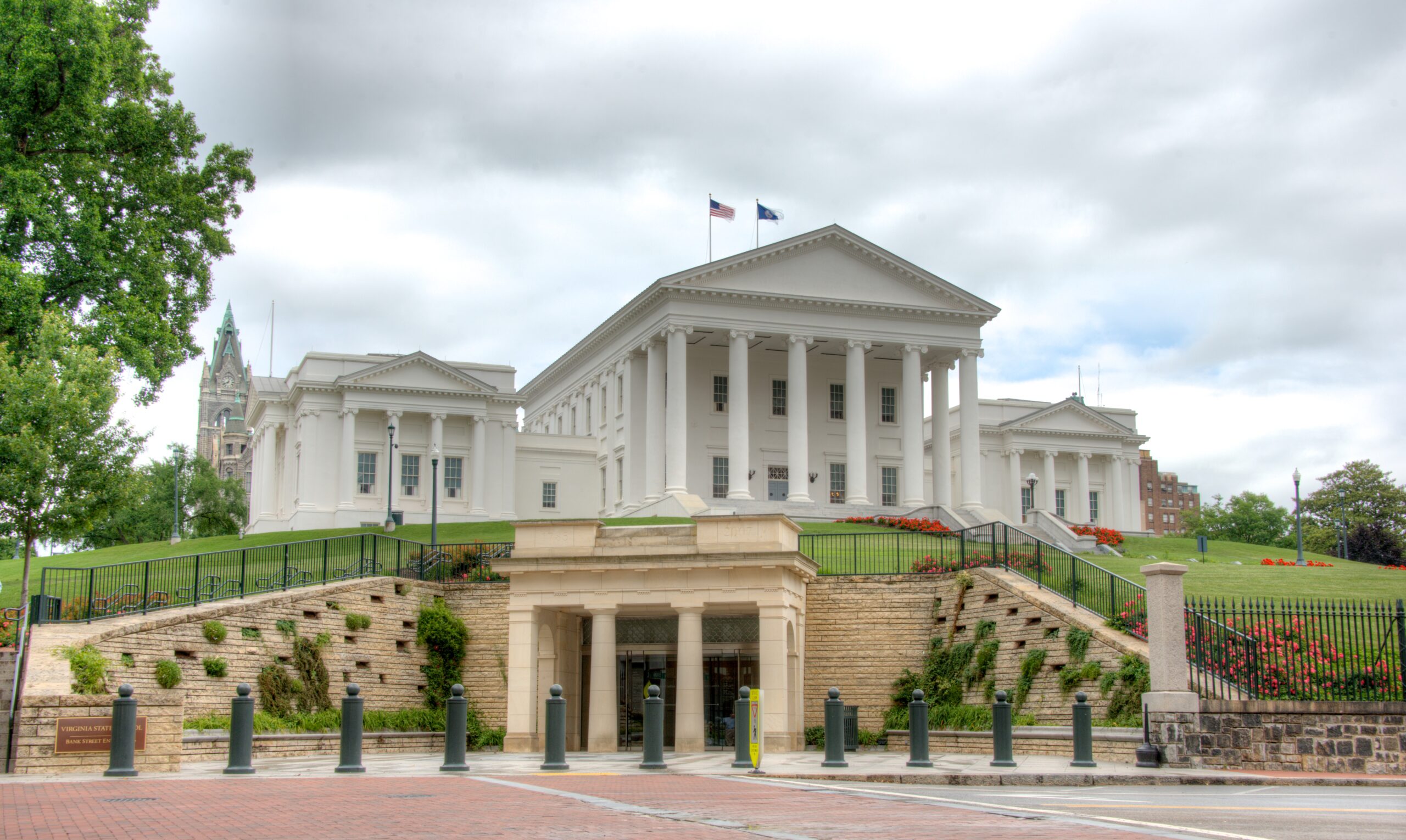
State government depends on public acceptance. When a prominent lawmaker is charged with offenses framed as corruption, citizens start to wonder what else they have not been told, and whether the system rewards insiders while punishing outsiders.
Why “drug trafficking” and “money laundering” language escalates the civic stakes
Not all public-corruption cases sound alike. Some revolve around gifts, favors, or undisclosed conflicts. Others use financial or enterprise crimes to explain how an alleged scheme functioned.
When a case is framed with terms like drug trafficking and money laundering, it does two things at once:
- It broadens the narrative beyond politics. The allegation becomes not merely that public office was misused, but that it intersected with serious criminal markets or financial concealment.
- It changes what the public imagines the government must prove. People start asking about supply chains, bank records, intermediaries, and whether other actors are involved.
Those questions are natural. They are also why federal prosecutions in this space can expand outward. A case that begins with a public official can evolve into a map of relationships, money flows, and alleged participation by others.
What to watch next (without pretending we can predict it)
Federal cases are built in court filings and motions, not in speculation. Still, there are durable civic questions worth tracking as the prosecution proceeds:
- What is the core theory? Is the government primarily alleging misuse of office, financial concealment, participation in broader criminal conduct, or all of the above?
- What does the timeline look like? Delays can matter as much as verdicts in political life, especially if elections, committee assignments, or legislative leadership decisions come up while the case is pending.
- How do state institutions respond? The legislature’s internal decisions can shape public trust: whether to reassign responsibilities, whether to call for resignation, and how to handle votes where the margin is thin.
None of these are mere process questions. They are the practical mechanics of legitimacy.
A final constitutional lens
The Constitution is often taught as if it is mostly about grand clashes: war powers, free speech, presidential elections, Supreme Court rulings.
But the republic is just as vulnerable in smaller rooms. In the committee meeting. In the backchannel. In the negotiation where power quietly changes hands.
That is why the federal case against Sen. L. Louise Lucas matters beyond the courthouse. If prosecutors can prove what they have charged, the story becomes one of institutional breach. If they cannot, the story becomes one of institutional strain inflicted without justification. Either way, the constitutional stakes are real: public trust is not a side issue. It is the operating system.