
Property taxes feel like the most ordinary kind of government power. A bill arrives. A due date follows. Life moves on.
But when a city rolls out a new surcharge aimed at second homes, ordinary turns into something sharper. A government notice can carry real consequences. And that is where the Constitution quietly shows up, not to decide whether the tax is wise, but to insist the government follow fair steps before it acts.
Join the Discussion
A ruling about procedure
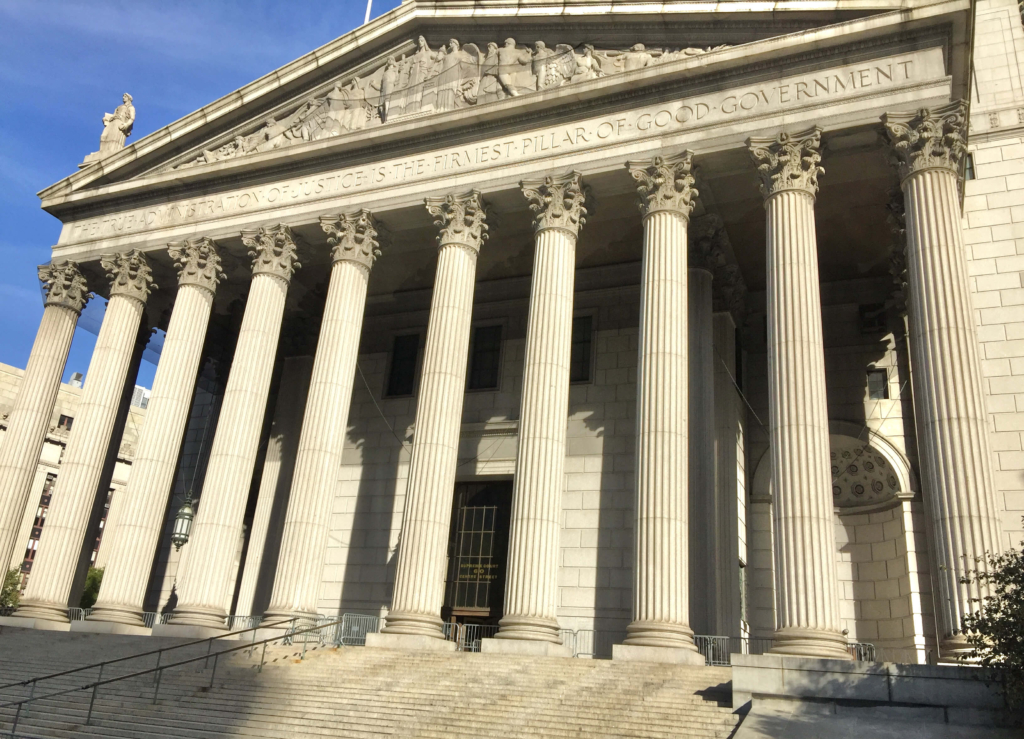
A New York judge, Wayne Ozzi, on Tuesday ordered New York City to cancel previously mailed notices connected to Mayor Zohran Mamdani’s second-home tax rollout.
Ozzi found that the notices were “arbitrary and capricious, affected by errors of law, and in violation of the recipients’ due process rights.”
The decision did not say the city lacks power to impose the surcharge at all. Instead, it focused on what the city did before those notices went out.
Due process basics
When people hear “due process,” they often think of criminal law. Arrests. Trials. Lawyers. Juries.
But due process rights also come into play when the government takes steps that affect property. In broad terms, due process is about making sure the government uses legally required procedures when it acts.
In this dispute, Ozzi’s conclusion was procedural: the city failed to follow the required steps before mailing notices tied to the second-home tax.
What the order changes
For homeowners who received them, the practical effect of the order is straightforward. Previously mailed notices tied to the rollout must be canceled.
At the same time, the ruling leaves the city a path to keep pursuing the surcharge. Ozzi wrote that the city can still apply the tax, but only after it takes corrective steps, including pulling the existing online list and starting over with proper procedure and compliant notice.

What the city can do next
Ozzi wrote that the city can still apply the tax by removing the current list of taxed properties from the city’s website and posting a corrected list after following the proper procedures.
New notices must then be mailed in compliance with the law.
City Hall response
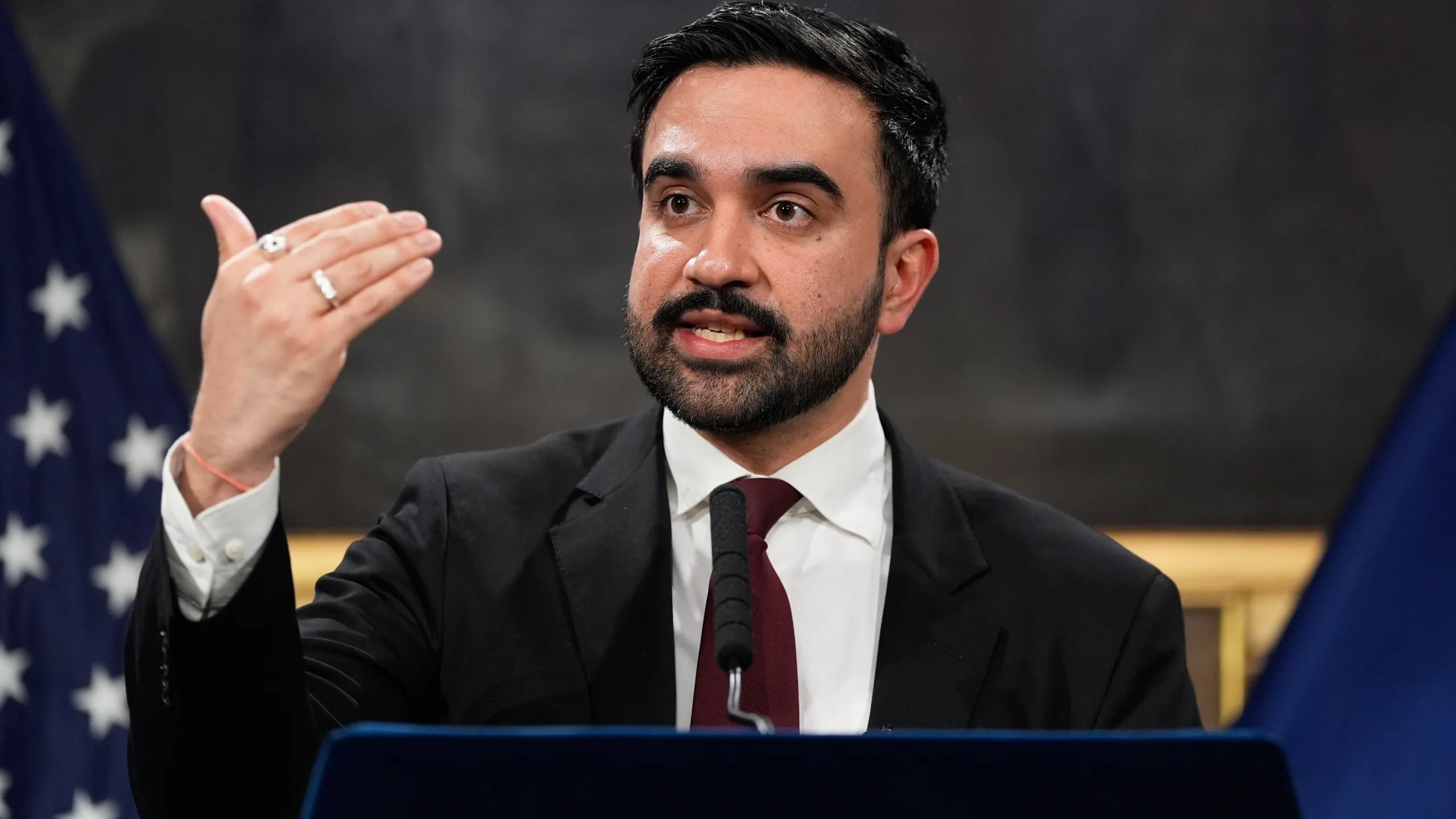
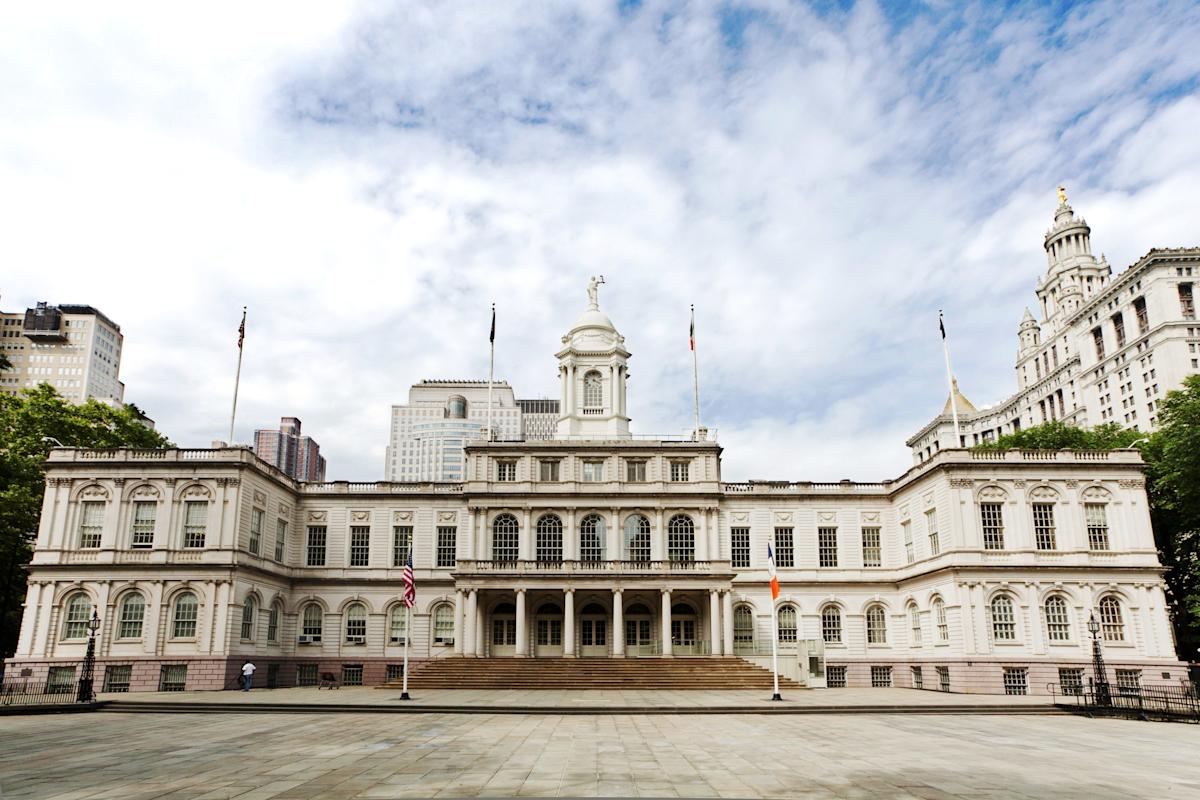
Matt Rauschenbach, a spokesperson for the mayor, defended the tax rollout, calling the pied-à-terre surcharge a “basic principle of fairness” tied to funding city services, and arguing that New York City should not be a “tax haven for the wealthy few.”
“If you can afford a luxury second home in New York City, you can afford to pay your fair share for the schools, streets and parks that make this city work,” Rauschenbach said.
“Our Administration is fighting every day to deliver for working New Yorkers. The ultra-wealthy are fighting in court to avoid paying their fair share. They have filed lawsuit after lawsuit to protect their privilege, and we will not back down.”
After the decision, the administration’s position was: “Today’s decision is wrong, and we will invoke a stay of the injunction. With a stay, we will continue implementing the surcharge fairly, efficiently and in full compliance with the law, as we have since day one.”
Key takeaways
- Courts can require a reset. Here, the judge ordered the city to cancel previously mailed notices tied to the rollout.
- Procedure can drive the result. Ozzi’s ruling turned on required steps the city had to follow before notices went out.
- The surcharge is not necessarily over. The order describes how the city can proceed by correcting its process, including updating the list of taxed properties and sending new, compliant notices.
The bottom line
The fight here is not only about whether New York City should tax luxury second homes. It is also about whether the city followed the required procedures before it acted.
Judge Ozzi’s order makes the point clearly: New York City can pursue the surcharge, but it has to do it the right way.