

Public education is where America’s biggest cultural arguments keep finding a stage, from transparency demands to disputes over identity and curriculum.
A first-of-its-kind, 50-state ranking is now putting numbers to those fights by grading every state and Washington, D.C., across the policies that have dominated school-board meetings, legislative sessions, and parent advocacy in recent years.
The result: a map of where states are drawing their lines on parental rights, DEI, gender and sexuality rules, teacher and union policy, and foreign influence in education.
Join the Discussion
What the ranking covers
Defending Education released its first-ever Rankings on Integrity in State Education on Thursday, scoring all 50 states and Washington, D.C. across five categories:
- Parental rights
- Diversity, equity and inclusion (DEI)
- Gender and sexuality
- Teacher and union policies
- Foreign influence
The rankings do not account for test scores or graduation rates. The goal is to show how states are approaching today’s hot-button education issues as parents push for greater transparency.
Overall leaders and laggards
Red states dominated the overall results.
On the overall ranking, Tennessee claimed the top spot, followed by Alabama, Florida, North Carolina, and Iowa.
At the bottom sat Washington, D.C., followed by Rhode Island, California, Oregon, and Illinois.
Parental rights: who topped the list
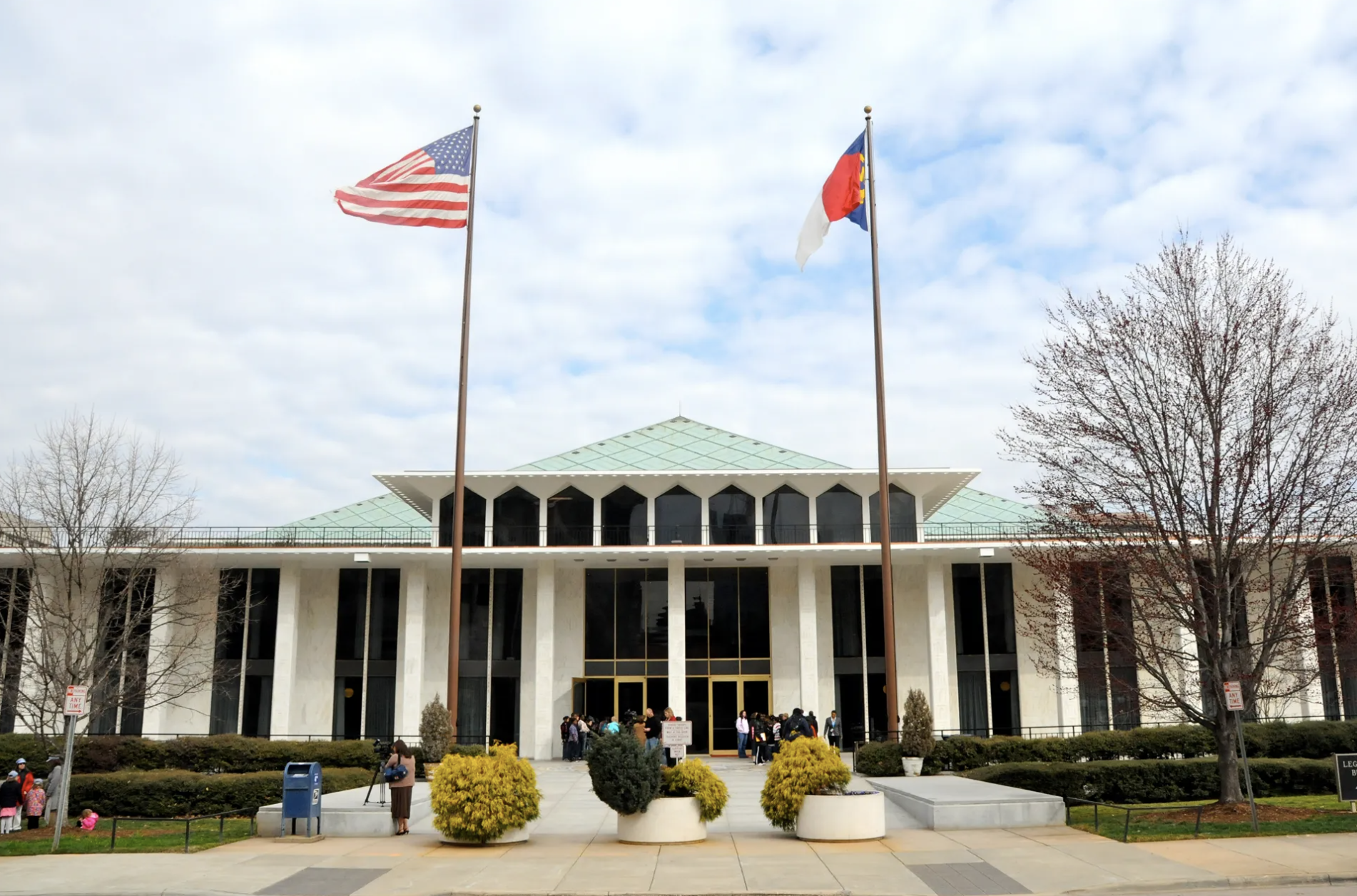
The parental-rights category ended in a four-way tie: North Carolina, South Carolina, Tennessee, and West Virginia earned the top spot.
In this category, states were awarded points for policies that give parents more say over:
- Student gender transitions
- Sex education instruction
- Whether their children participate in those lessons
DEI: the top states
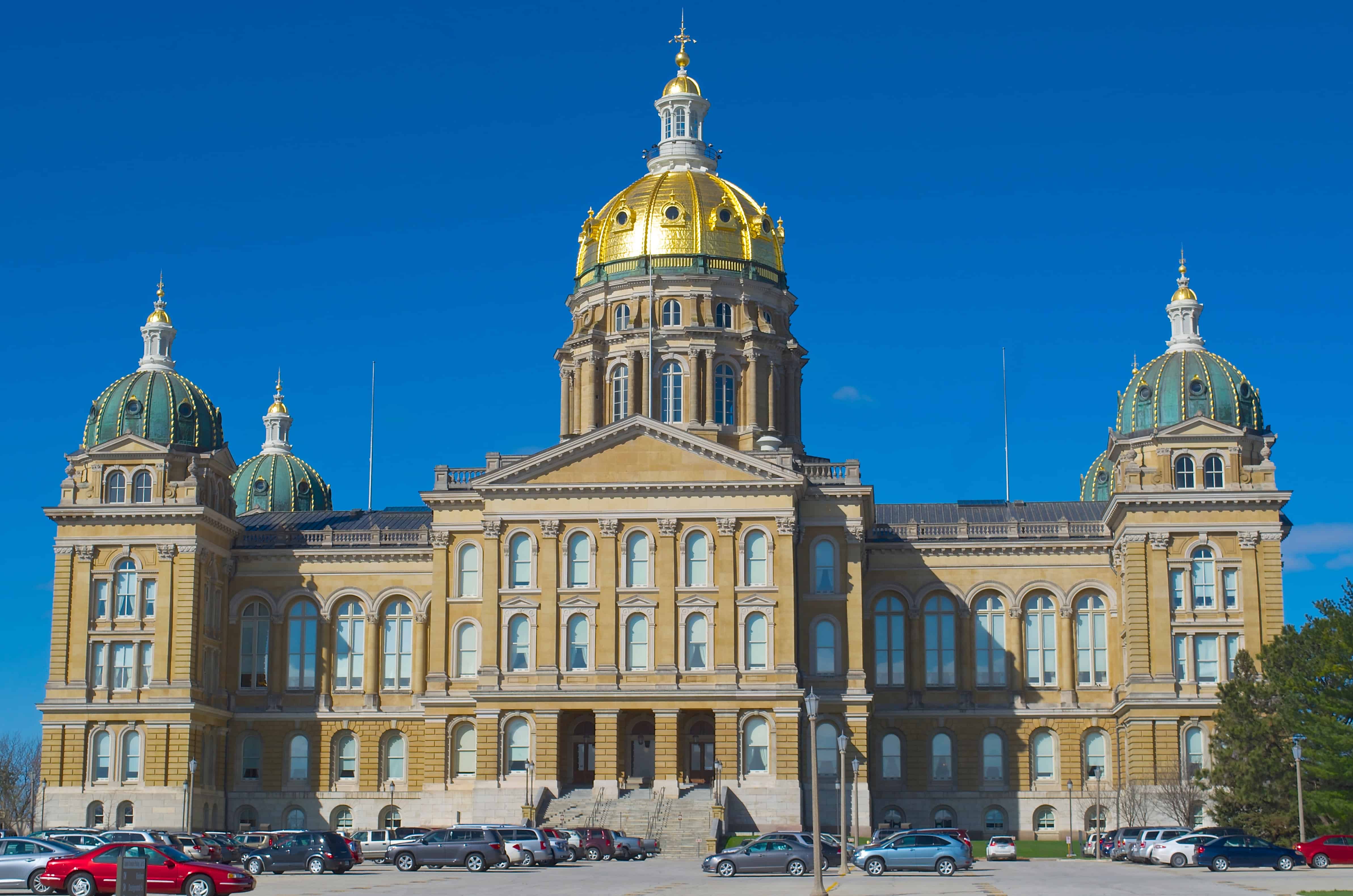
In the DEI category, Iowa, Missouri, and West Virginia topped the rankings after receiving high marks for laws restricting DEI initiatives and other policies related to restorative justice, teacher diversity, and antisemitism.
Gender and sexuality: where policy is tightest
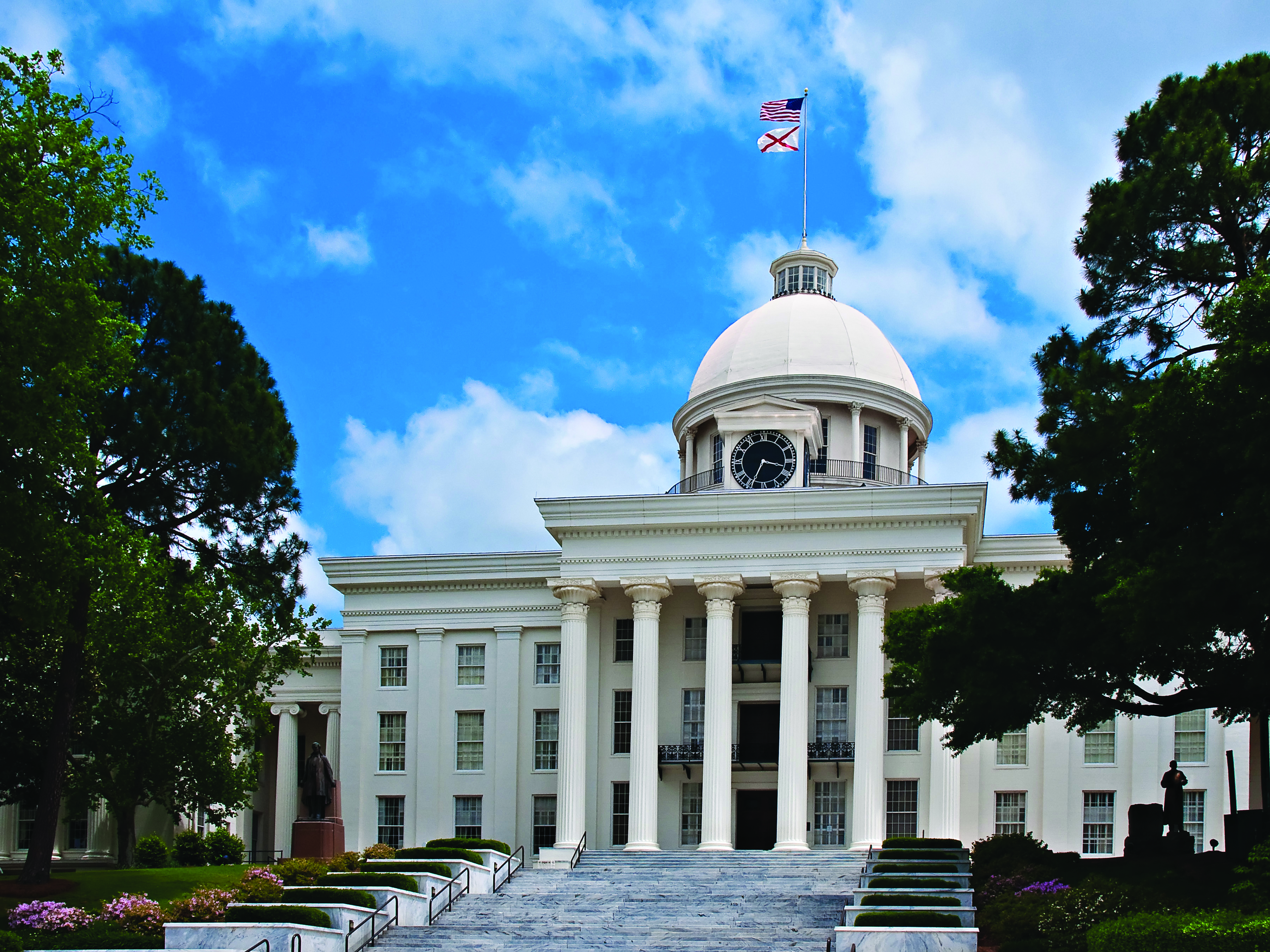
The report examined state policies blocking LGBTQ-specific curriculum, restricting transgender athlete participation, and state nondiscrimination and anti-bullying laws related to gender identity.
It found Alabama, Florida, and Indiana tied for the highest scores.
Teacher and union rules: perfect-score states
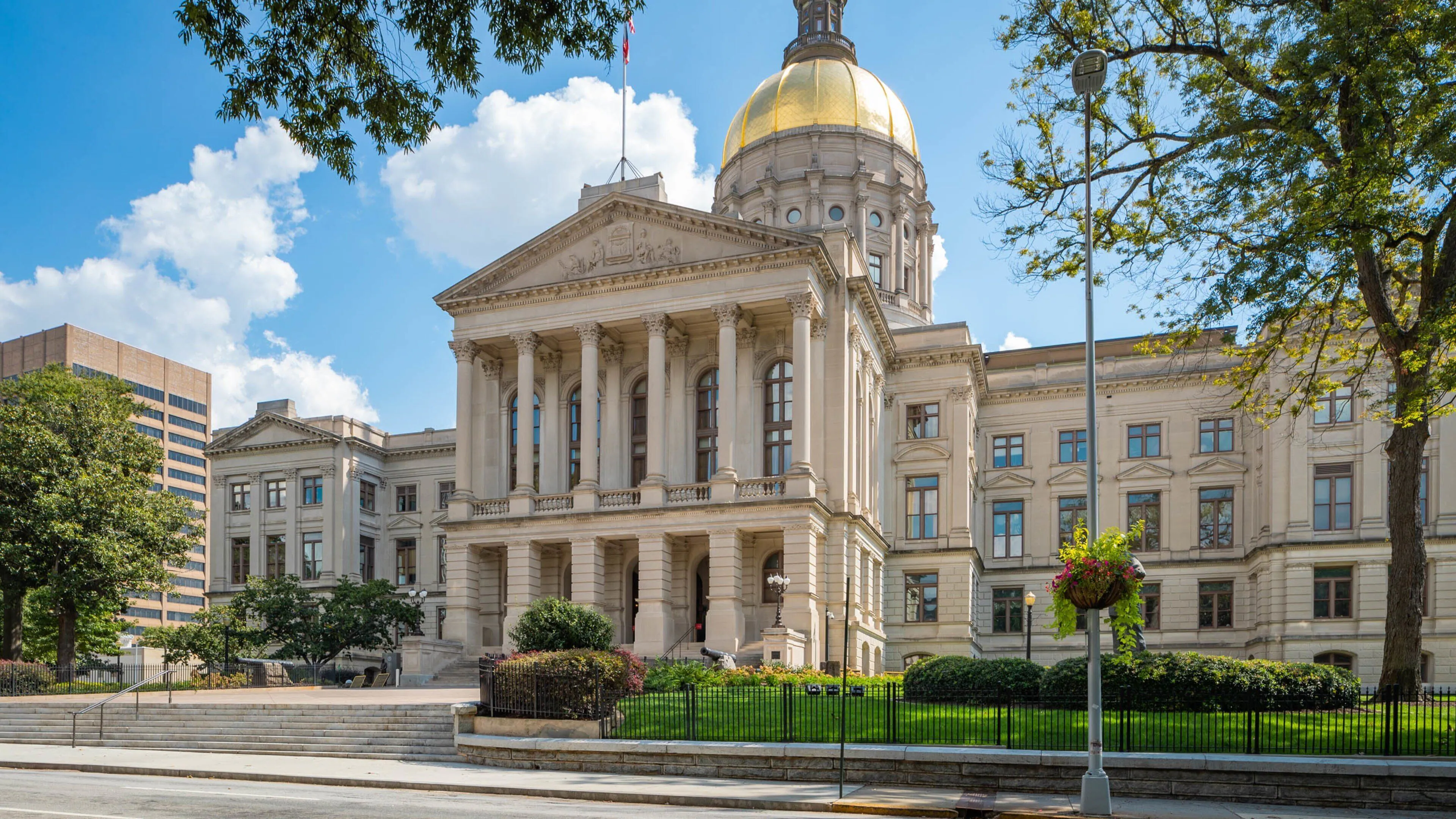
Georgia, Mississippi, North Carolina, and South Carolina received perfect scores on teacher policies.
Laws governing teacher unions, strikes and collective bargaining, along with work authorization requirements, were key factors in the scoring.
Foreign influence: seven states that aced it
Seven red states received perfect scores for laws limiting Chinese government influence in education, including restrictions connected to Confucius Institutes, China-backed language and cultural education centers.
Alabama, Florida, Indiana, North Carolina, Ohio, Tennessee, and Texas received perfect scores in that category.
Why Defending Education says this matters
Paul Runko, senior director of strategic initiatives at Defending Education, described the rankings as a practical tool for parents:
"For the first time, parents have a single resource to see how their state handles the issues they've voiced concerns about over the last five years, empowering them to evaluate local schools and hold leaders accountable at the ballot box," he said.
Dr. Terry Stoops, Defending Education’s director of government affairs, praised states that scored highly:
"If your state is at the top of Defending Education's rankings, congratulations!" he said. "You live in a state with public school policies that prioritize sound academics over shameless antics."
He also criticized the lowest-scoring states, saying elected leaders had "sacrificed educational excellence at the altar of social justice."
"For parents in bottom-feeder states who value rigor over ridiculousness, the choice is either fight or flight," he said.
Despite more blue states embracing DEI and social justice policies, the group said it wants parents to have a clearer picture of where their state stands on education and how those policies could impact their children and future generations.
Quick FAQ
Is this about test scores?
No. The rankings do not account for test scores or graduation rates.
Why is Washington, D.C. included?
The ranking measures all 50 states and Washington, D.C.
What issues drive the scoring?
The index focuses on parental rights, DEI, gender and sexuality, teacher and union policies, and foreign influence in education.