
Primary nights are supposed to be about nominees. In reality, they are stress tests for political narratives. They reveal which candidates can survive scrutiny, which factions can coordinate, and which signals still move voters when the rubber meets the ballot box.
The latest round of midterm primaries surfaced a familiar set of pressures: a rare setback for a Trump-backed candidate; a contest complicated by unresolved questions about a missing member of Congress; and a pop-culture detour, with Spencer Pratt as a reference point in some commentary, that floated into the mix without necessarily changing any outcome on its own. Taken together, the point is simple: primaries do not just pick names. They expose how parties make choices when information is incomplete, coalitions are fragile, and incentives reward spectacle.
Join the Discussion
1) Endorsements are not automatic
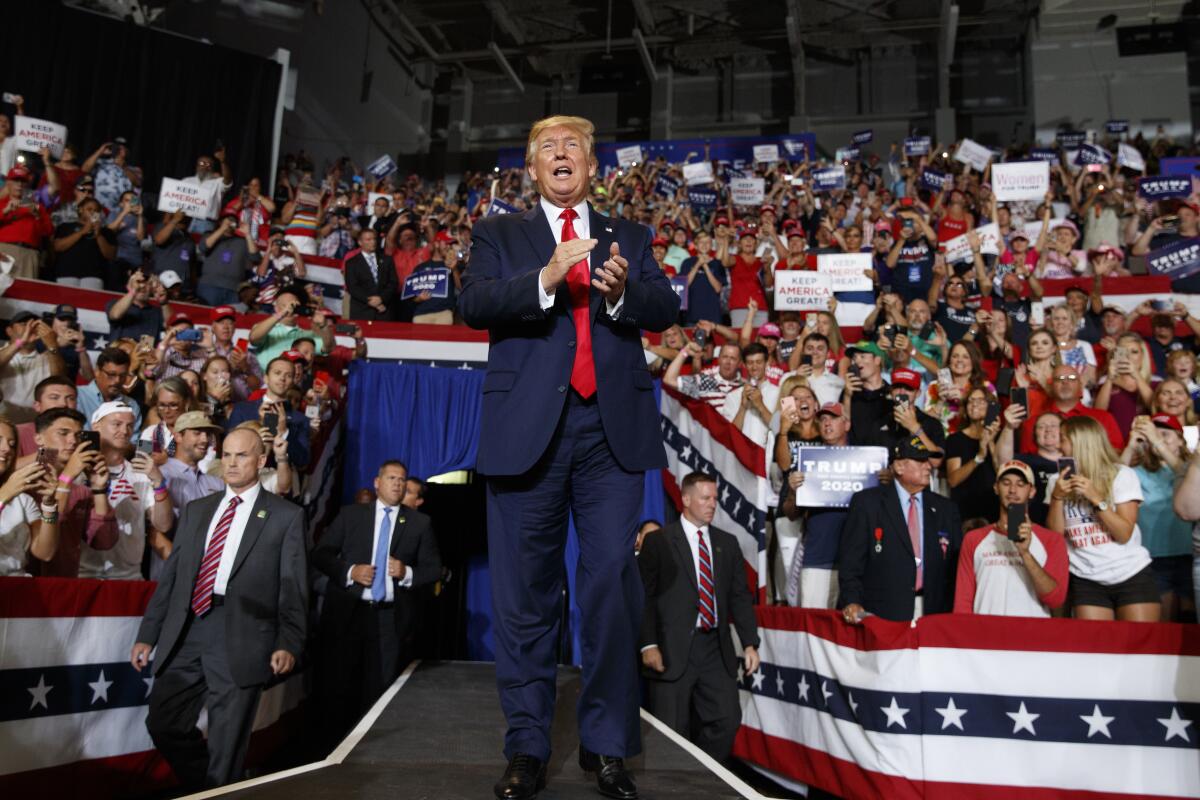
For years, the shorthand has been familiar: a Trump endorsement in a Republican primary can act as a powerful sorting mechanism, especially in crowded fields. This round of primaries offered a reminder that the signal is influential, but not invincible.
As a takeaway, that matters less as a scoreboard item and more as a boundary marker. Even a rare setback can complicate the assumption that endorsements always end debates inside a party.
It is not the end of Trump’s influence. It is simply a sign that endorsement and control are not the same thing, and that in some races voters may treat a high-profile backing as one factor among several.
2) Uncertainty reshapes choices
When a contest is touched by uncertainty, the campaign can stop being only a choice between ideologies and start becoming a choice about basic competence and trust.
That is what makes questions surrounding a missing member of Congress politically disruptive. Even when publicly available details are limited or still developing, the presence of unanswered questions can pull oxygen away from policy and toward something simpler: what voters feel they need to know in order to judge representation, availability, and readiness to serve.
In a primary, that uncertainty can also scramble incentives. Allies may wait for clarity, opponents may press for it, and some voters may decide based less on alignment and more on whether they think the situation is being explained clearly enough.
3) Process becomes the message
When a candidate’s visibility becomes part of the story, campaigns often get dragged into process questions that have little to do with ideology and a lot to do with day-to-day proof of presence.
That can mean voters and rivals focus on practical signals: Who is showing up to events? Who is answering questions from constituents? Who is speaking on the candidate’s behalf, and what do they say about timing and readiness? None of that requires assumptions about motive. It is simply how politics tries to fill gaps when the normal rhythms of campaigning and representation feel disrupted.
The broader lesson is structural. Modern campaigns can end up litigating logistics and accountability as much as policy, and parties have to decide how they want to handle that pressure without pretending they can force certainty on demand.
4) Attention is not turnout
Modern campaigns chase the gravitational pull of fame because it can compress what usually takes months into a single viral moment. But primaries keep re-teaching the same lesson: attention does not translate cleanly into votes.
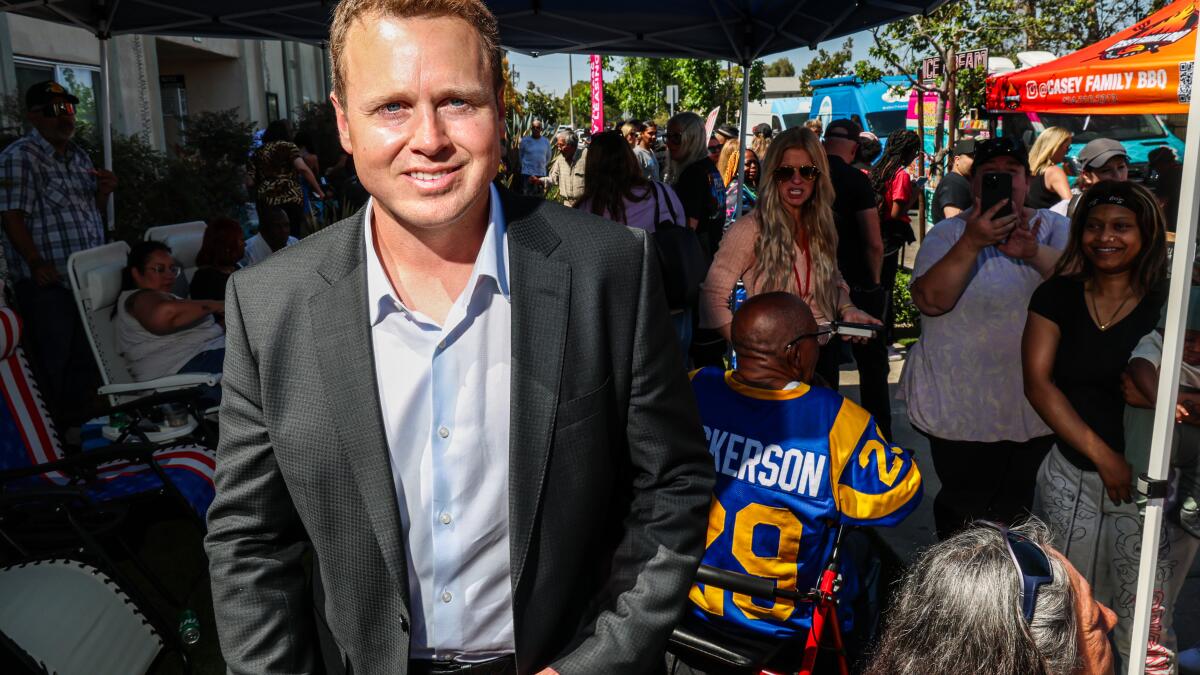
The Spencer Pratt reference point works mainly as a snapshot of the attention economy, showing how pop culture can become a shorthand in political chatter without being a governing force in the race itself. Celebrity can generate conversation, but elections are still won with the slow infrastructure of politics: local credibility, turnout operations, and voters who are not treating the race as a content feed.
The democratic point here is not snobbery. It is accountability. A ballot is one of the last places in American life where fame, by itself, does not have to be a credential.
5) Primaries set the fall frame
Primaries turn big offices from abstract possibilities into concrete matchups. Once nominees are set, the general election becomes easier to define, easier to target, and easier to nationalize.
This primary round underscores how the fall frame often gets written early, and not always by policy. Endorsements, uncertainty around representation, and the attention economy can all become shortcuts campaigns use to tell voters what a race is “really” about.
The practical takeaway is straightforward: the most important primary results are often the ones that clarify what the fall fight is likely to be about, and what each side will try to make it about.
6) The post-primary fight
Primaries are intraparty arguments held in public. The general election is where those arguments either heal or harden into lasting fractures.
After a night like this, the next phase is often shaped less by left versus right and more by competing definitions of what each party is supposed to be. Is it a party of cues or judgment? Of spectacle or organization? Of loyalty signals or proof of performance?
Those questions sound philosophical, but they have concrete consequences. They shape what candidates are rewarded for doing in public life, and they influence what voters will accept as normal behavior from people asking for public power.
What to watch next
- Endorsement politics: After a rare setback, do future candidates treat Trump’s backing as decisive, or as one validator among many?
- Demand for clarity: If questions about a missing member remain unresolved, the race may hinge on communication, basic visibility, and who is expected to provide answers.
- Attention vs. coalition: Pop-culture chatter can spike awareness. Organization still wins elections. Watch who builds the latter.
Primaries do not promise wise outcomes. They promise a method. Nights like this are where you can see the gears, and the vulnerabilities, clearly.