
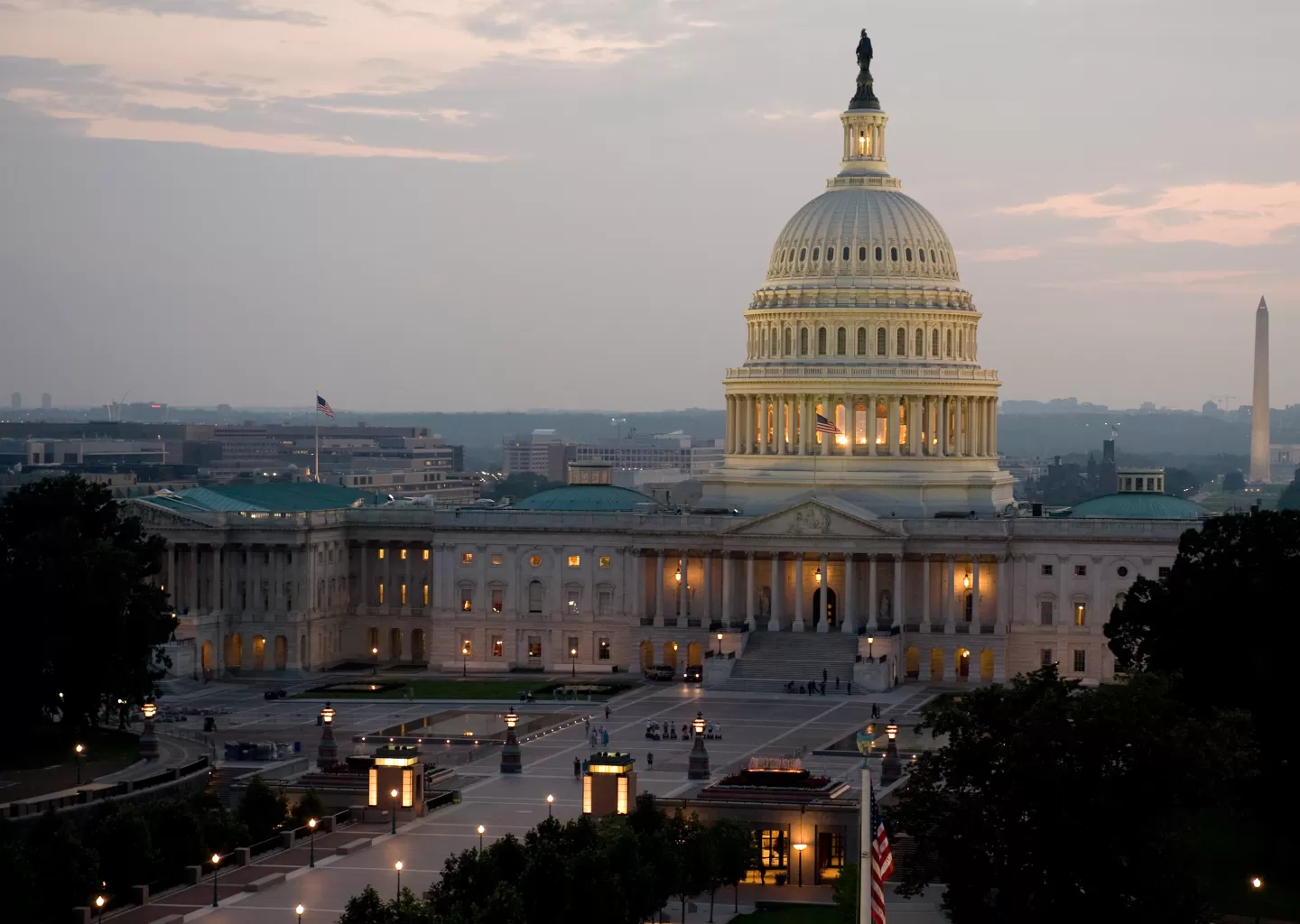
Most political stories are easier when they stay in one lane. Congress. The White House. Courts. Culture. This week did not cooperate. The headlines sprawled, but the connecting tissue was the same as ever: power moves land hardest when they collide with process and voters feel the friction.
Here are four developments that make that point from different angles. The House passed a funding bill aimed at avoiding a shutdown ahead of the 2026 midterm elections. President Donald Trump announced he is nominating Hung Cao to be Navy secretary. Trump asked the Supreme Court to allow the immediate firing of 29 transgender military service members. And in Massachusetts, Sen. Ed Markey is projected to defeat Rep. Seth Moulton in a Democratic primary.
None of these stories are the same story. But together they show the modern governing formula: legislation as damage control, personnel as policy, courts as accelerator, and elections as the deadline that never moves.
Join the Discussion
Funding: the shutdown clock
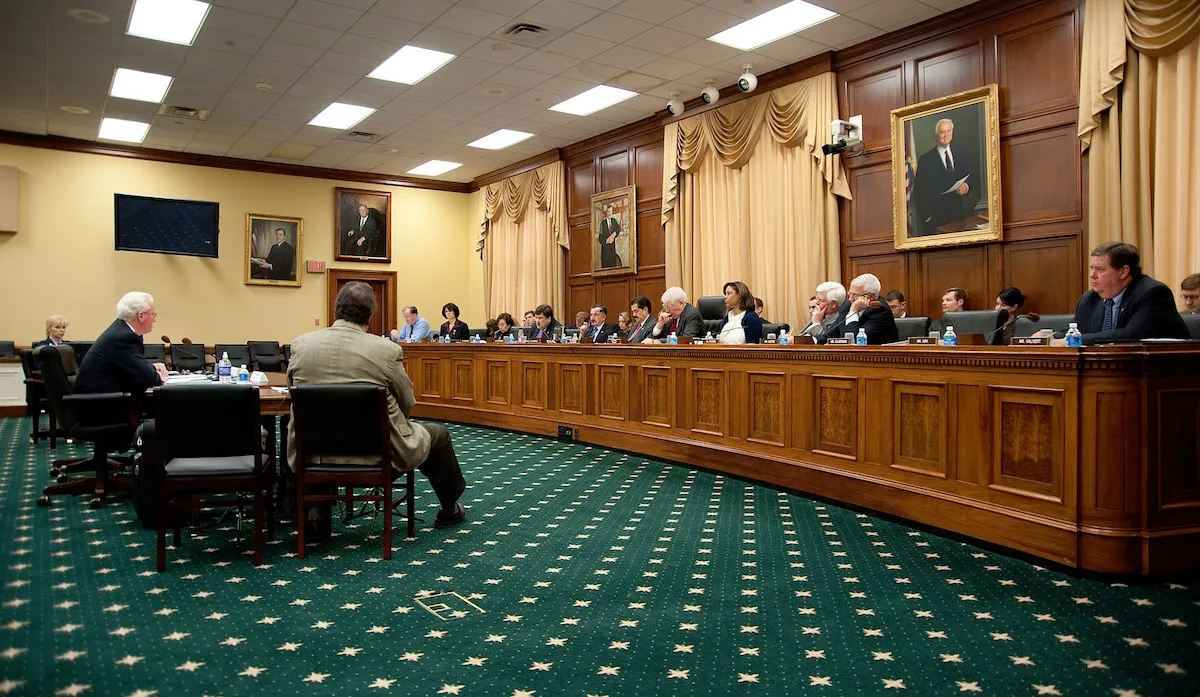
The House passed a funding bill aimed at avoiding a shutdown ahead of the 2026 midterms. That reads like a routine procedural update, until you remember what it implies for everyone outside the building.
First, it is a reminder that Congress still governs the old-fashioned way: by passing a bill. Second, it is an admission that the shutdown threat has become a recurring test of competence. A shutdown is not just a budgeting problem. It is a legitimacy problem, one that can spill quickly into the things people actually notice, like slowed federal office work, delayed processing, and the everyday uncertainty of what is open and what is not.
The House vote is a step toward avoiding a shutdown. But the politics do not reset. They move to the next negotiation, the next deadline, and the next round of must-pass decisions that keep the government functioning like something other than a temporary arrangement.
Personnel: Hung Cao
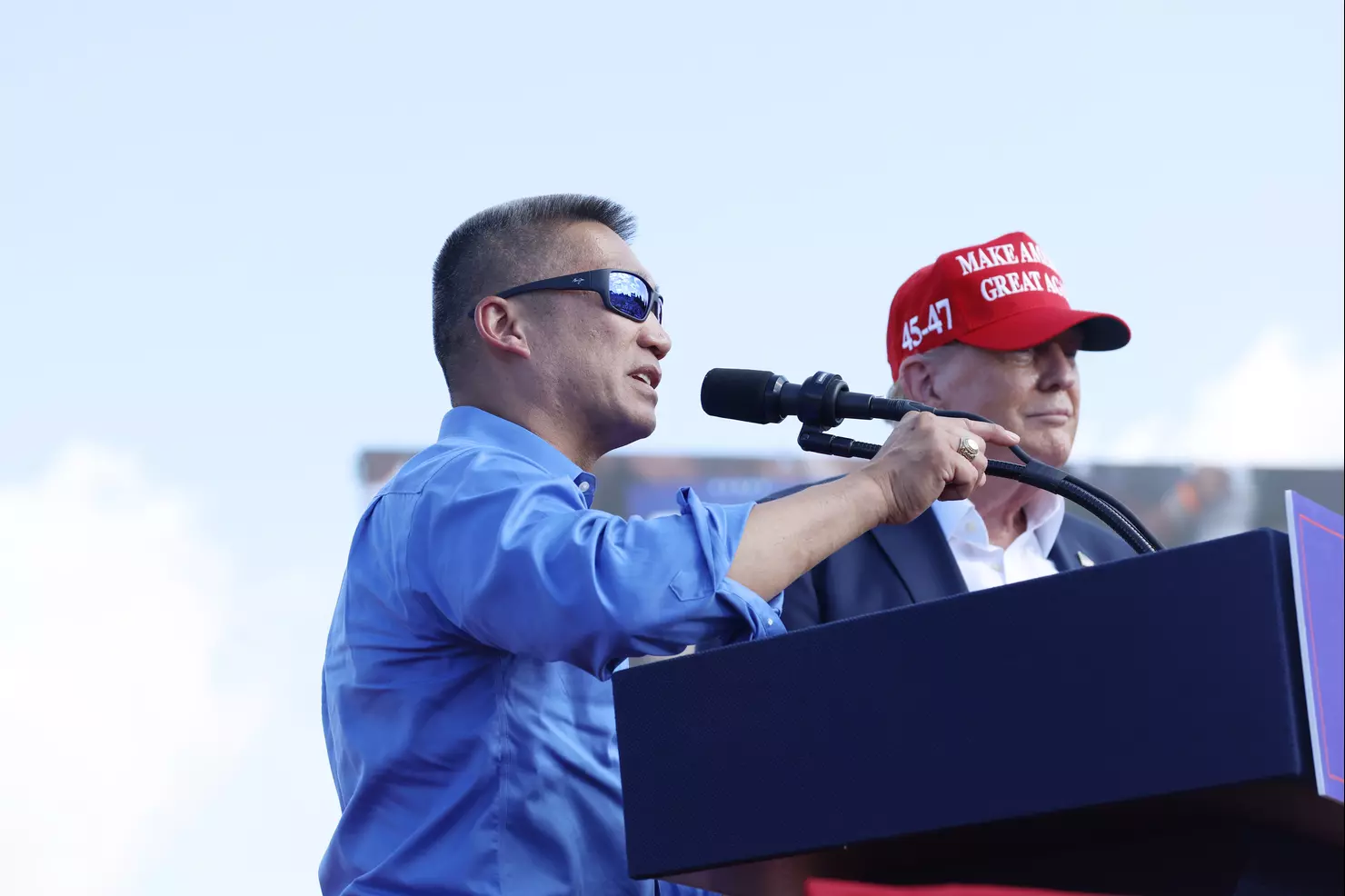
Trump said he is nominating Hung Cao to be Navy secretary. In Washington, nominations are often described as staffing. That is too small a word. Staffing is ideology with a badge and a budget.
The Navy secretary is not just a managerial role. It sits at the intersection of procurement, readiness, recruitment, and the day-to-day bureaucracy that translates a president’s priorities into memos, contracts, and orders. A nomination signals where a president wants leverage, what fights they are willing to pick, and what parts of government they want to bend faster than the rest.
Confirmation, of course, is its own reality check. The Senate can turn a nomination into a clean yes, a slow walk, or a political referendum. That is not a side plot. It is part of the constitutional design.
Courts: trans troops

Trump asked the Supreme Court to allow immediate firing of 29 transgender military service members. That single request carries a lot of constitutional weight, because it asks the judiciary to bless speed.
In the abstract, the branches can look tidy: Congress writes rules, the executive enforces them, courts interpret them. In real life, the question is often timing. Who gets to act first, and who has to clean up later. A push for immediate action is a bet that urgency itself will do some of the persuading, that disruption is a feature, not a bug.
For the affected service members, “immediate” is not rhetorical. It is a calendar, a paycheck, a career, and a personal life that has to absorb a government decision on the government’s schedule.
Elections: Markey vs. Moulton
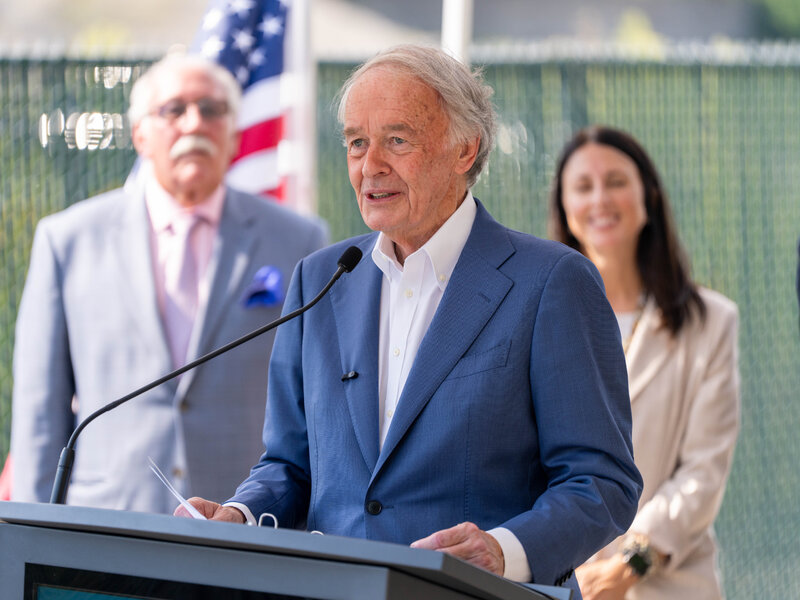
In Massachusetts, Sen. Ed Markey is projected to defeat Rep. Seth Moulton in a Democratic primary. The details of a single primary can be parochial. The lesson is not.
Primaries are the country’s most direct form of internal accountability. They are where parties decide whether incumbency is an asset or a liability, whether seniority is stability or stagnation, whether a new voice is renewal or risk. A projected win is also a warning to everyone else watching: the electorate inside the party is not a museum audience. It is an active participant.
And because 2026 is the frame around everything right now, every big primary becomes a preview of the arguments that will spill into November: what “governing” should look like, what “winning” should require, and how much turbulence voters will accept from their own side.
What to watch next
If this week felt like a jumble, watch for the pattern in what comes next:
- Does the funding measure hold up as the next deadline approaches? Avoiding a shutdown once is relief. Avoiding it repeatedly is a governing style.
- How does the Navy secretary nomination move through the Senate? The pace will signal whether lawmakers treat it as routine or consequential.
- What does the Supreme Court do with the request for immediate firings? The justices could grant, pause, or decline emergency relief, and any choice will shape not only policy but the tempo of policy.
- Do primaries continue to punish or protect incumbents? Markey’s projected win is a data point, not the dataset.
In other words: the week’s stories looked different, but they asked the same question. Can the system still translate conflict into outcomes without breaking trust along the way?