
You can learn a lot about the Constitution by watching what people fight over when real money is on the table.
That is why the phrase pocket rescission keeps showing up in commentary and legal criticism as late-year spending deadlines approach. The label is not a formal term in federal budget law. It is a contested way of describing a timing maneuver that can function like a cancellation of spending Congress already approved, without Congress passing a rescission statute.
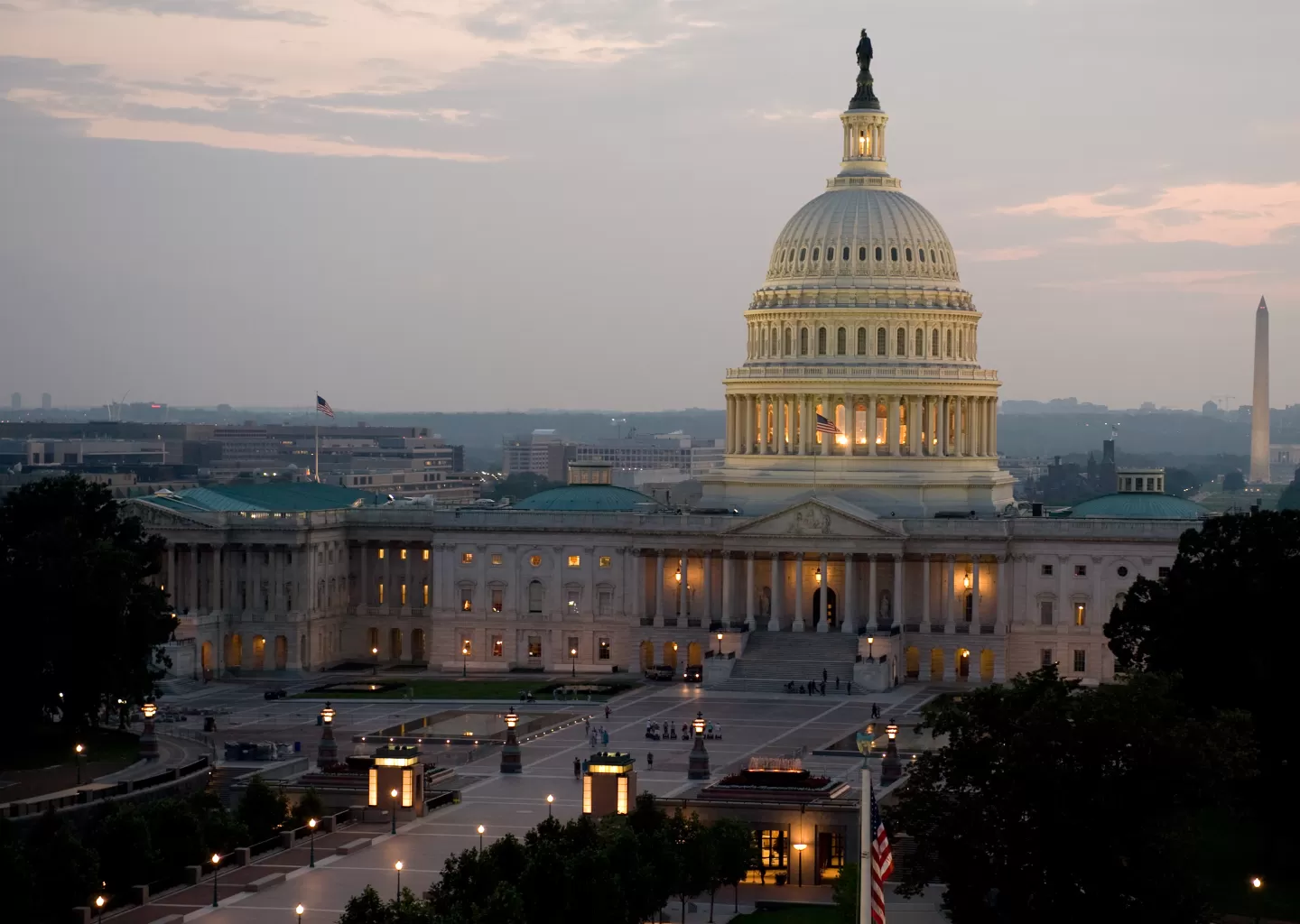
However you feel about any particular dispute, the underlying question is simple and very constitutional: who controls federal spending, Congress on Capitol Hill or the White House.
Join the Discussion
The constitutional hook
The Constitution is unusually blunt about where spending power lives. Article I, Section 9 contains the Appropriations Clause:
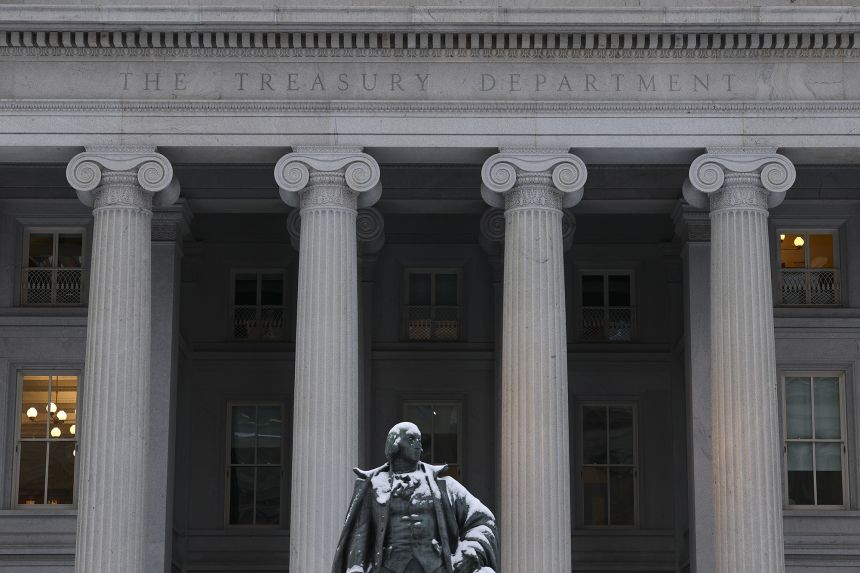
“No Money shall be drawn from the Treasury, but in Consequence of Appropriations made by Law.”
That sentence does two things at once.
- It gives Congress control. Federal money can only be paid out when Congress has enacted the legal authority to do so, and subject to the limits and conditions Congress wrote into that authority.
- It limits the president. The executive branch cannot spend on its own simply because it thinks something is necessary or urgent.
In practice, Congress provides “budget authority,” and executive agencies carry out the work by obligating funds (signing contracts, awarding grants) and later making outlays (actual payments). That distinction matters because pocket rescission fights often turn on whether money was obligated before the clock ran out.
But there is a quieter implication that matters for rescissions: if Congress has appropriated money, does the president have the power to not spend it anyway?
What a rescission is
A rescission is a cancellation of budget authority. Congress appropriates funds, then later those funds are withdrawn so they cannot be spent.
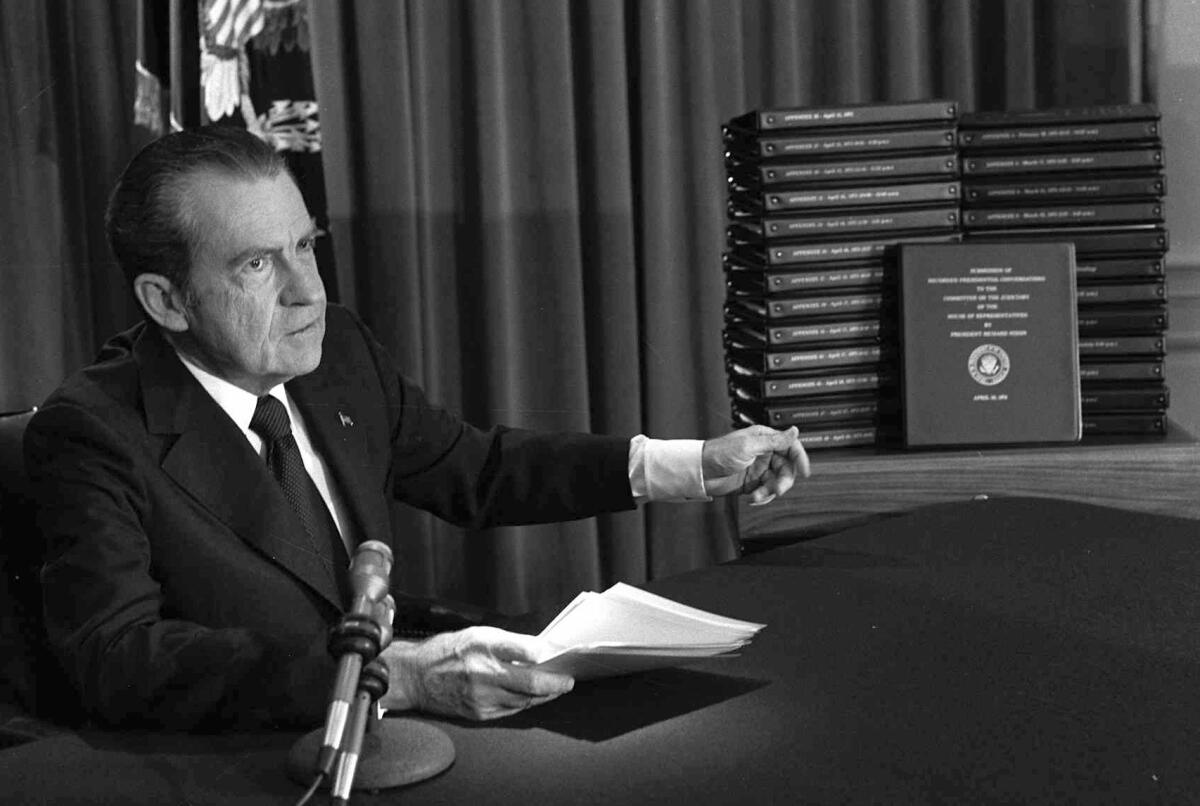
In modern practice, rescissions are usually handled through a statute called the Impoundment Control Act of 1974. That law was Congress’s response to presidents who tried to withhold money for policy reasons, most famously during President Richard Nixon’s impoundment battles.
Under the Act, a president can propose rescissions, but the key point is this: Congress has to agree. If Congress does not approve the rescission within the legal window, the funds are supposed to be made available consistent with the appropriation and other legal constraints on timing and administration.
For added precision: the Act sets procedures and timelines, but real-world availability can still be shaped by apportionment, program statutes, and legitimate administrative constraints. The hard disputes are over delays that are not just administrative, but policy-driven and cancellation-like.
Related but different: the Act also addresses deferrals, meaning delays in spending. Not every delay is unlawful.
What is a pocket rescission?
A pocket rescission is not a procedure defined in the Impoundment Control Act. It is a shorthand for a theory about how timing can make a proposed rescission “stick” in practice, even if Congress never votes to approve it.
The theory works like this:
- Congress appropriates money that is available only for a limited period, often until the end of the fiscal year (or another fixed expiration date).
- The president transmits a rescission proposal late enough that, as a practical matter, Congress cannot complete action before the money’s availability expires.
- Agencies may be directed or constrained (including through apportionment or other administrative controls) so that obligations do not occur before the deadline.
- Once the deadline passes, unobligated budget authority may expire and no longer be legally available. This is most relevant for one-year or otherwise expiring appropriations.
- The administration then treats the money as effectively canceled, even though Congress never enacted a rescission law.
That is why it is called “pocket.” It resembles the logic of a pocket veto, not because it uses the same constitutional mechanism, but because it relies on timing and inaction by Congress to produce a lasting result.
One simple example timeline looks like this: Congress funds a grant program with one-year money; in late September the White House sends a rescission message; agencies slow or stop new awards while Congress debates; whether that pause reflects lawful administrative limits or unlawful policy withholding is the dispute; the fiscal year ends; unobligated funds expire; the rescission never passes, but the money is gone anyway.
Pocket rescission vs. veto
People understandably hear “cancel spending” and think “veto.” But a veto happens at the front end, before a bill becomes law.
- Regular veto (Article I, Section 7): The president rejects a bill passed by Congress. Congress can override with two-thirds majorities.
- Line-item veto: A president cancels parts of a spending law while signing the rest. The Supreme Court struck down the federal line-item veto as unconstitutional in Clinton v. City of New York (1998), holding that the president cannot unilaterally amend statutes.
A pocket rescission is different because it comes after the spending law exists. The legal question becomes whether cancellation (rescission) or delay (deferral) is simply execution of the law, or an unconstitutional effort to rewrite what Congress enacted.

Pocket rescission vs. impoundment
Impoundment is a broad term for withholding or delaying congressionally appropriated funds. Sometimes it is logistical, like delays in contracting or grant processing. Sometimes it is policy, like withholding money because the president disagrees with the program.
Congress passed the Impoundment Control Act to box in policy impoundments. The logic was straightforward: the president executes the laws, including spending laws. If the president wants to cancel spending, Congress must pass a rescission bill.
A pocket rescission is controversial because critics argue it is a workaround: it uses the calendar and an expiration date to accomplish what the Act says requires congressional approval.
Supporters typically respond that the executive branch cannot obligate or spend money after budget authority expires, and that in late-year conditions it may be impossible to obligate funds responsibly. On that view, expiration is a lawful consequence of time limits, not defiance.
Is a pocket rescission legal?
“Legal” here depends on what you mean: legal under the statute, legal under the Constitution, and enforceable in court can point in different directions.
1) Under the Impoundment Control Act
The Act was designed to prevent presidents from unilaterally canceling spending. A pocket rescission raises the argument that the Act is being sidestepped if funds are withheld until they expire rather than being made available once Congress fails to approve the rescission.
These disputes often turn on mechanics, not slogans: whether the funds were actually available for obligation, whether an agency had time to award them, how apportionment and administrative steps affected timing, and whether a “delay” functioned as a cancellation.
2) Under the Constitution
The Appropriations Clause is a strong textual anchor for Congress, but it does not spell out every detail of how appropriations must be executed. The president has executive discretion in administering programs, but not a free-floating power to negate statutes.
The core constitutional question is whether a pocket rescission is best understood as:
- faithful execution of time-limited appropriations and administrative realities, or
- an executive cancellation of spending Congress commanded.
3) In court
Spending disputes can be difficult to litigate quickly. Plaintiffs must show standing, timing can moot practical relief once funds expire, and remedies can be complicated after an obligation window closes. Those hurdles are part of why timing maneuvers can be so tempting.
It is also why the “run out the clock” theory is highly fact-dependent: many appropriations are multi-year or no-year, so there may be no near-term expiration to exploit.
What facts matter
The cleanest way to think about these cases is that the legality often turns on whether an agency is facing a real execution problem or manufacturing one.
- Historic obligation patterns: Did the program normally obligate most funds earlier, or is the late-year slowdown a sharp break from the usual pace?
- Apportionment signals: Do OMB apportionments, footnotes, or conditions effectively freeze the account, even though the program statute and appropriation would allow obligations?
- Internal direction: Are there written instructions to pause awards for policy reasons, as opposed to documented workload, compliance, or procurement constraints?
- Time actually remaining: Was there still enough time to obligate responsibly, or would last-minute obligations predictably violate procurement rules, grant standards, or program safeguards?
- Selective treatment: Are some accounts sped up while the targeted account is slowed down, suggesting the bottleneck is strategic rather than operational?
None of those facts is dispositive by itself, but together they help answer the real question: was the executive branch administering a time-limited appropriation, or rewriting it by delay.
Why this matters
The Constitution’s separation of powers is not an abstract diagram. It is a set of incentives.
If a president can effectively cancel spending by waiting out the clock, then Congress’s power of the purse becomes less of a command and more of a suggestion, at least for funds with short availability windows.
If Congress can force the executive branch to obligate every dollar instantly regardless of real-world timing, contracting limits, or program design, then the duty to execute the laws becomes rigid in ways that can also distort governance.
The enduring constitutional challenge is drawing the line between administration and amendment. The president may manage how to implement a program, but Congress decides whether the program exists, how much money it gets, and how long that money stays available.
Quick FAQ
Can a president cancel congressionally approved funds?
Not unilaterally in the ordinary way. Under the Impoundment Control Act, presidents can propose rescissions, but Congress must pass a law to approve them. Disputes arise when funds expire or are delayed in ways that look like cancellation.
Is a pocket rescission the same as a pocket veto?
No. A pocket veto is a constitutional veto mechanism tied to how bills become law. A pocket rescission is a budget-timing theory tied to expiring budget authority and late congressional action. The similarity is strategic, not textual.
What is the difference between an obligation and an outlay?
An obligation is the government legally committing to spend (for example, a signed contract or awarded grant). An outlay is the actual payment. Expiration fights usually focus on obligations, because once budget authority expires, agencies generally cannot create new obligations using it.
What is the constitutional principle at stake?
The Appropriations Clause and separation of powers. Congress controls whether money can be drawn from the Treasury. The president’s role is to execute the spending laws Congress enacts, not to rewrite them through timing.
What typically happens next in these fights?
Congress can respond with oversight, new appropriations language that changes how long funds remain available, tighter reporting requirements, or litigation. Courts may get involved, but timing and standing can make these disputes hard to resolve before the money is gone.