
Luigi Mangione’s federal guilty plea in the killing of UnitedHealthcare CEO Brian Thompson has immediately put his separate Manhattan murder case in jeopardy. The reason is New York’s double-jeopardy law, which can bar a second prosecution when the cases are tied to the same criminal act or occurrence.
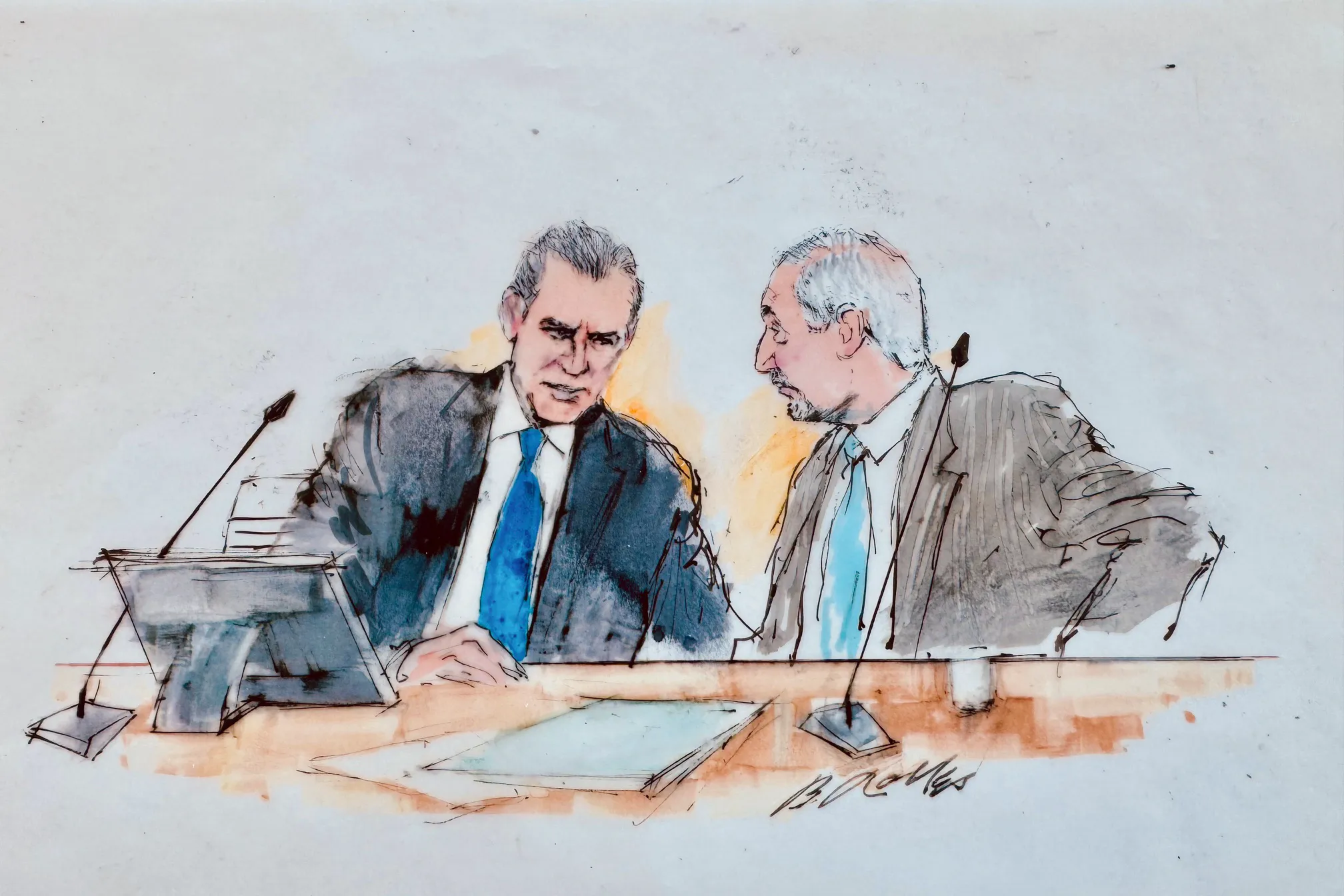
After Mangione pleaded guilty in federal court to stalking charges in connection with Thompson’s death, his lawyers moved to dismiss the state case, arguing New York cannot prosecute him again for the same act or offense.
Join the Discussion
What he pleaded to federally
Mangione pleaded guilty to two federal charges: interstate stalking resulting in death and cyberstalking through use of interstate facilities resulting in death. Both counts carry a potential maximum sentence of life in prison.
During his allocution, Mangione admitted to the core conduct at the heart of the state prosecution as well, telling the judge: “I shot Mr Thompson in Manhattan and he died.”
The plea is tied to the 4 December 2024 shooting outside a Midtown hotel in Manhattan.
Where the state case stood
Before the federal plea, Mangione’s Manhattan case was on a fast track toward trial. He appeared in state court on Tuesday for the final pre-trial conference, and jury selection was slated to start in early September.
The federal plea came as a surprise to observers who expected the state trial to begin in less than a month.
Why double jeopardy is the fight
The defense argument is straightforward: the federal stalking conviction and the state murder prosecution overlap because they arise from the same real-world event, the shooting that killed Thompson.
As Neama Rahmani, founder of West Coast Trial Lawyers and a former federal prosecutor, put it: “Dual prosecutions are prohibited if they’re part of the same criminal act or occurrence.” Rahmani said the issue turns on what he called “the magic language,” namely “the same criminal act or offense.”
Anna Cominsky, a professor of law and director of the criminal defense clinic at New York Law School, said Mangione’s lawyers are “making an argument that because of what will be a conviction in federal court, the state is precluded from prosecuting the same conduct in state court”.
New York’s protections can be broader than the federal baseline. Under the state constitution, a person cannot be tried twice “for the same or substantially similar acts, unless there is some clear independent crime that wasn’t covered by the original prosecution”.
What the judge does next
The state judge, Gregory Carro, now needs to set a briefing schedule for both sides. The court may also hold a hearing or another appearance focused on the double jeopardy question.
Cominsky said the procedural reality matters as much as the legal standard: “All of that has to be resolved before jury selection.” She added that even if the case proceeded, “it’s not going to start on September 8.”
Cominsky also pointed to Mangione’s federal-court admission as central to the state court’s analysis: “What’s key to me is what he [said] in court today.” She said his statement was focused on the same elements the state would have to prove, and that the state may struggle to distinguish the factual allegation from the state accusation.
Ron Kuby, a longtime criminal defense attorney, was blunter: “The state case is dead. It hasn’t been taken off life support yet, but it will be.” He added: “Nothing is going to happen on September 8th.”
Prosecutors plan to fight
Manhattan prosecutors have said they will oppose the defense bid to end the state case. In a statement, the Manhattan District Attorney’s Office said it had been preparing to pursue a trial conviction in New York State Supreme Court for the alleged “cold-blooded murder” of Brian Thompson.
The office added: “We are encouraged that Mr Thompson’s family received a measure of accountability today.” It said that while federal sentencing is pending, it is prepared to litigate the defense motions and remains committed to seeking justice for Thompson and his family.