
A federal judge has temporarily blocked the Trump administration from using a streamlined method to check citizenship status through a federal database as part of voter eligibility efforts. The dispute centers on a long-running tension in election administration: how to keep voter rolls accurate while avoiding the accidental removal of eligible voters.
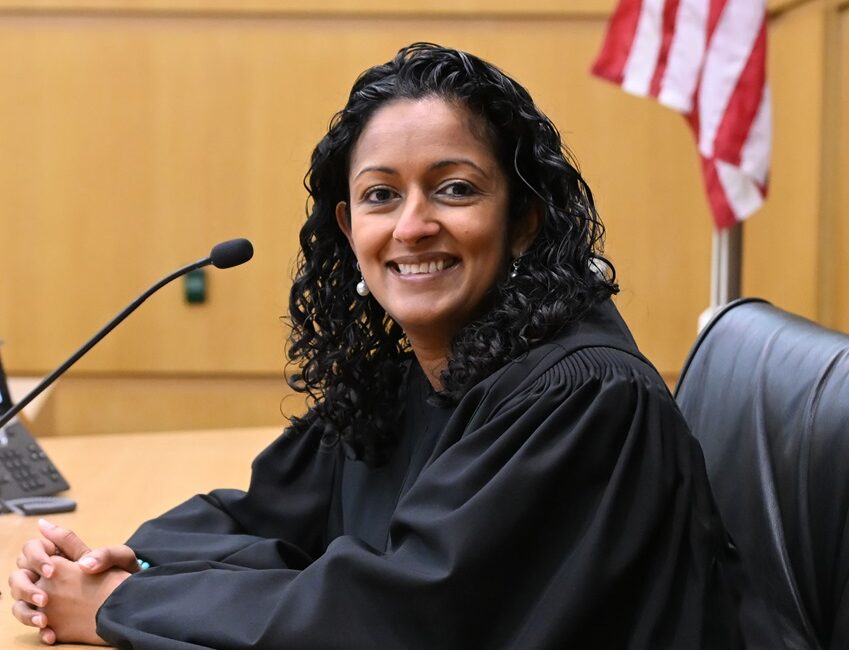
The order came from U.S. District Court Judge Sparkle Sooknanan, a Biden appointee and an immigrant from Trinidad and Tobago. In her written ruling, she framed the case as one involving competing constitutional interests, writing: “This case implicates two fundamental rights that protect Americans from government overreach: the right to privacy and the right to vote.”
Join the Discussion
What the administration wanted to use
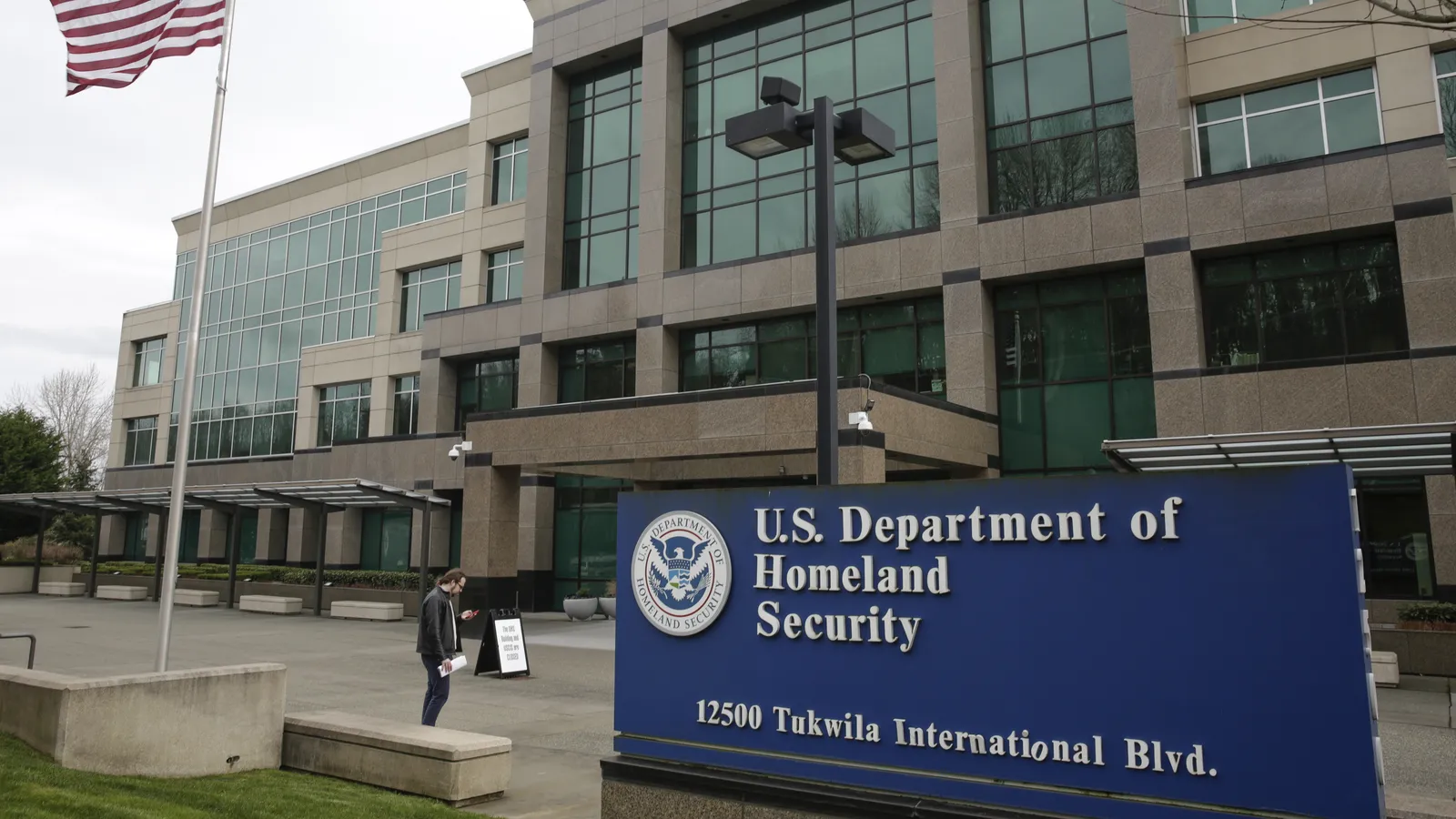
At the center of the case is the federal government’s Systematic Alien Verification for Entitlements (SAVE) program, a database tool used to verify immigration or citizenship status for certain government purposes.
The Trump administration sought to use a streamlined version of SAVE for voter-roll maintenance and eligibility checks, allowing states to run faster verification queries. The key operational change in dispute was that the updated workflow would no longer require entry of all nine digits of a voter registrant’s Social Security number to run the check.
Supporters of the change argued that easing the input requirements would make it simpler for state election officials to identify noncitizens on voter rolls and act on that information more quickly.
Why the judge put the brakes on it
Judge Sooknanan’s ruling highlights a basic reality of election administration: voter-roll programs are only as good as their data and their safeguards. Even well-intentioned verification efforts can create serious problems if the process is too blunt, too fast, or too opaque.
Her decision emphasizes two risks in particular:
- Privacy concerns, especially when sensitive identity information is used across systems or in ways voters do not expect.
- Vote-denial risk, meaning eligible citizens could be flagged incorrectly and removed or forced to jump through extra hurdles to stay registered.
In plain terms, the Constitution does not treat “cleaning up the rolls” as a free pass. When government action could interfere with the ability of eligible citizens to vote, courts often require stronger justification and carefully tailored procedures.
What critics say, and what they want next
The ruling quickly drew criticism from several prominent conservatives who argued that the decision undermines election integrity efforts. Some of that backlash focused sharply on the judge herself, including her background, rather than only on the mechanics of the SAVE update.
White House Deputy Chief of Staff Stephen Miller reacted on X, writing: “Judge Sparkle decrees that America belongs to any random alien on planet earth, just like our founders intended.”
Sen. Mike Lee of Utah also criticized the decision, focusing on the practical result of halting the expanded use of SAVE by states. In a post, he wrote: “Judge Sparkle Sooknanan worries about citizens being removed from voter rolls. But instead of requiring safeguards or heightened review, she shut down the expanded SAVE database used by states to check their rolls for noncitizens.” He added: “That’s not protecting voters. It’s weakening election integrity. Time to appeal this ruling (or perhaps seek an extraordinary writ of mandamus) and pass the SAVE America Act.”
The constitutional questions underneath the headlines
If you are trying to make sense of this dispute without getting lost in partisan noise, it helps to separate the policy question from the constitutional one.
1) Who runs elections, and who sets the rules?
States administer elections, but federal law and the U.S. Constitution set important boundaries. Congress has authority over the “Times, Places and Manner” of federal elections, while states handle the day-to-day mechanics. That shared space often produces conflicts like this one, especially when federal tools are offered or required for state use.
2) Voting rights versus administrative accuracy
American election law generally allows states to maintain accurate rolls, but it also treats mistaken removals as a serious harm. Courts often weigh how verification programs work in real life: What triggers a flag? How easy is it to correct? How many eligible voters could be caught in the net?
3) Privacy and data matching
Modern eligibility checks typically rely on matching records across databases. That can be useful, but it can also produce false matches, create new security risks, and raise questions about whether the government is using personal data for purposes beyond what citizens reasonably expect.
What happens next
In cases like this, the most common next steps are:
- An appeal by the federal government, asking a higher court to reverse or narrow the order.
- Revisions to the process, potentially adding safeguards or narrowing how the streamlined SAVE workflow is used.
- Legislative proposals in Congress seeking to authorize, standardize, or constrain citizenship verification approaches.
For voters, the immediate takeaway is simple: this ruling does not change who is allowed to vote. It changes whether a particular federal verification shortcut can be used right now in the ongoing work of checking voter eligibility records.
Why this matters to everyday voters
Most Americans will never interact with SAVE directly. But you can still feel the impact of these systems if you have ever had to fix an address error, replace a name after marriage, or resolve a registration mix-up.
That is why courts scrutinize these cases so closely. The right to vote is not just an abstract promise. It is a practical ability to cast a ballot without needless barriers. At the same time, election officials do have a legitimate responsibility to keep the rolls accurate. The hard part is designing a system that does both.