
The First Amendment does not promise journalists a reserved seat inside every government building. But it also does not allow the government to hand out access like a reward and take it away like a punishment.
That tension is now playing out in one of the most symbolically loaded workplaces in America: the Pentagon.
Join the Discussion
The order
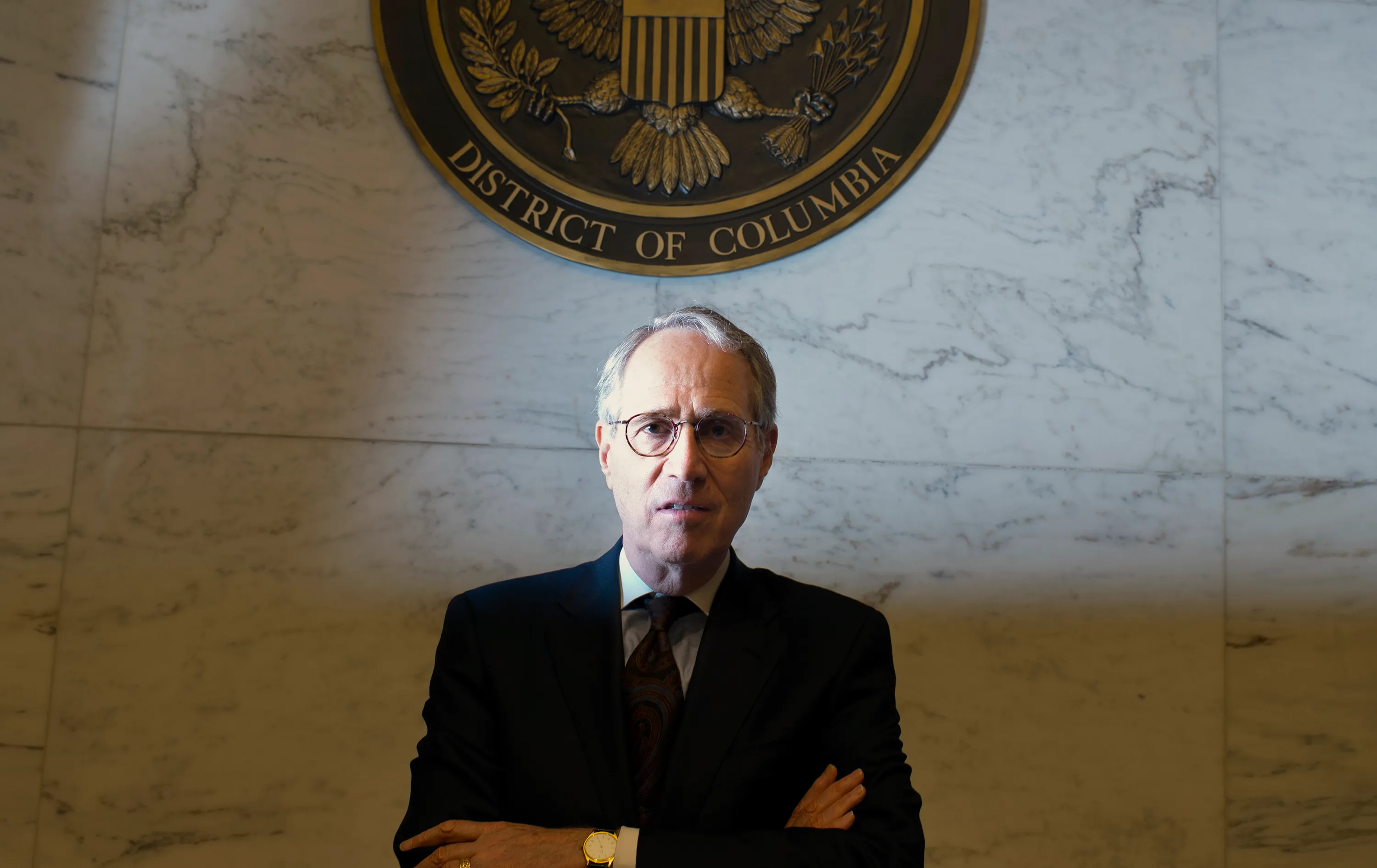
On July 1, 2026, U.S. District Judge Paul L. Friedman in Washington ordered the Department of Defense to temporarily stop enforcing a policy requiring New York Times journalists to be accompanied by an official escort while inside the Pentagon.
Judge Friedman said the escort requirement violated the First Amendment and issued a preliminary ruling Tuesday barring the requirement while the legal fight continues.
The order, as written, did not specify whether journalists from other organizations would also get relief. That detail matters because selective access is where press freedom fights often turn from abstract to concrete.
Why an escort rule is not neutral
On paper, an escort can sound like a bland security measure. In practice, it can function like a throttle.
If a reporter must be accompanied by a government official, the government gains leverage over basic newsgathering functions, including:
- Time (you move when the escort is available).
- Place (you go where the escort allows).
- Sources (spontaneous conversations become harder when someone is always listening or visible).
- Perception (a reporter who appears “under supervision” can be subtly delegitimized).
Even without a single explicit gag order, the structure changes the reporting environment. The First Amendment is not only about what the government bans. It is also about what the government can quietly make difficult or unrealistic in practice.
The dispute so far
This latest ruling is one chapter in a months-long conflict over who gets to report from inside the Pentagon and on what terms.
The New York Times sued the Defense Department again in May, its second lawsuit in five months. The paper had previously sued in December over rules imposed by Defense Secretary Pete Hegseth seeking to limit media access.
Earlier this year, Judge Friedman struck down prior restrictions, finding they violated the rights of Times reporter Julian E. Barnes and the newspaper. The Pentagon’s escort policy was implemented in March after that ruling. In April, the judge ruled that an interim policy violated his March order.
Part of Judge Friedman’s ruling was stayed while the government appealed, and the appeals process is ongoing. But the escort policy remained in place, and it has now been halted again by the district court while the broader case continues.
What each side is saying
The New York Times praised the ruling. Charlie Stadtlander, a spokesperson for the newspaper, said: “Today’s well-reasoned decision reaffirms the First Amendment rights of the press to cover the Pentagon without restrictions designed to prevent the public from knowing what the military is doing.” Stadtlander added that “the Pentagon’s hastily implemented new policy was a clear violation of the Constitution.”
The Pentagon framed the escort requirement as basic risk management. Spokesman Sean Parnell posted on X late Tuesday that the department “strongly disagrees” with the decision and warned: “This ruling strips away reasonable security measures and will make it easier for sensitive and classified information to reach our adversaries.”
Those two statements capture the clash: the press sees a restriction that interferes with coverage, while the department describes a precaution meant to reduce risk. The court’s job is to decide whether the Constitution allows this particular tool in this particular setting.
The First Amendment question
It is worth separating what is known from what is suspected.
What is known is that Judge Friedman found a First Amendment violation and blocked the policy on a preliminary basis.
What people often debate in cases like this is motive. If access rules are crafted or applied to single out specific outlets, critics will argue the policy looks less like a neutral security measure and more like retaliation or viewpoint control. That is analysis, not a factual finding in the public statements here, and it is exactly the kind of question courts scrutinize closely when government burdens fall unevenly on press organizations.
The Constitution does not require the Pentagon to open every hallway to every camera. But once the government creates a press system, it cannot administer that system as a loyalty test.
Access is not a right to secrets
It is important to say what this fight is not.
No First Amendment doctrine gives reporters a privilege to obtain classified information. The Pentagon can enforce classification rules, protect secure spaces, and prosecute unauthorized disclosures under laws Congress has passed. Nothing about Judge Friedman’s order changes that.
The question is narrower and more foundational: can the government impose an escort requirement on New York Times journalists as a condition of doing routine reporting work inside a public-facing facility?
Why this matters
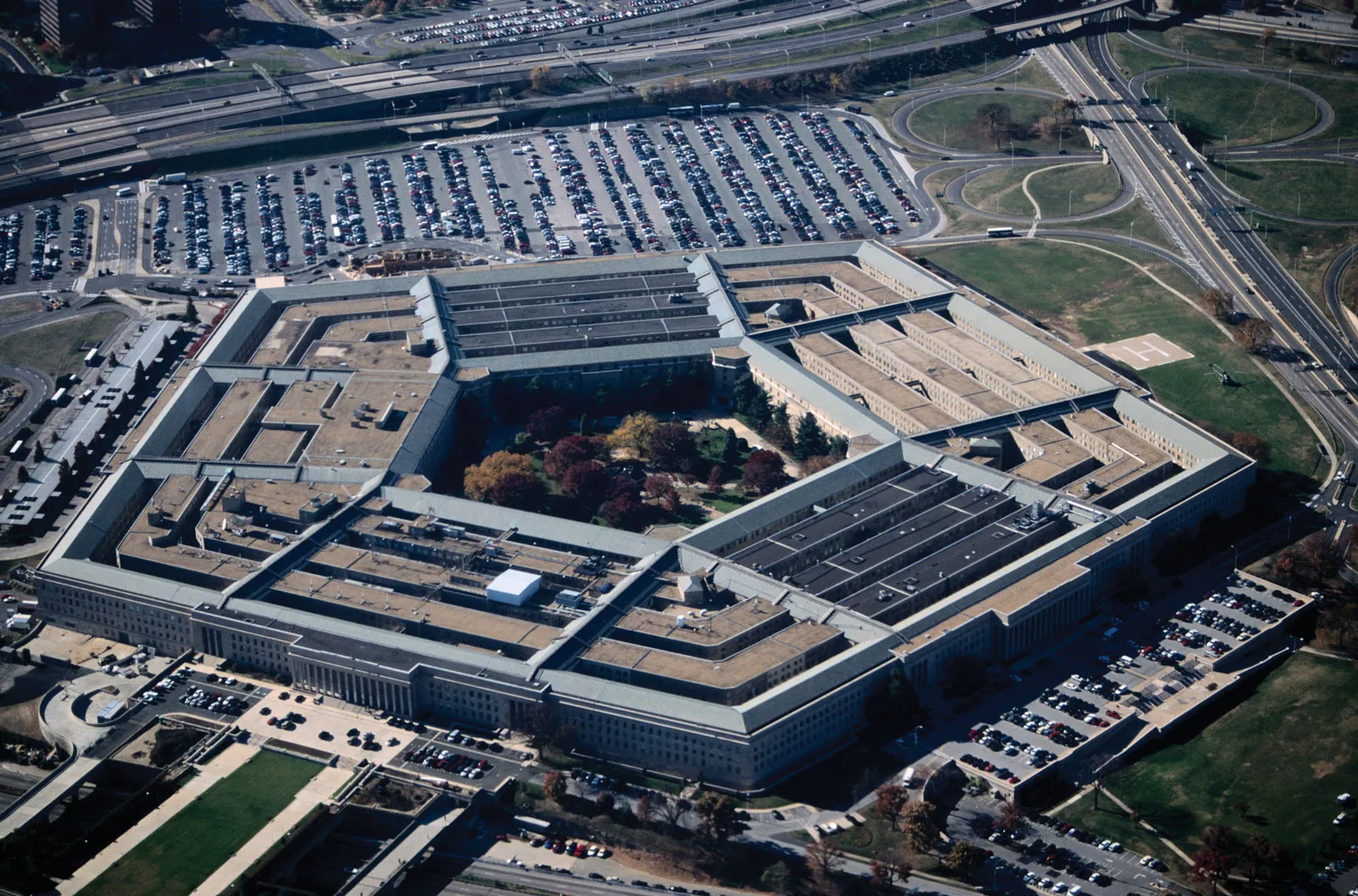
The Pentagon is not just an office complex. It is a central node for information about war, readiness, spending, and national security decisions that shape lives far beyond Washington.
When access tightens there, the impact radiates outward. It affects not only one newsroom, but the public’s ability to evaluate how military power is used, how it is funded, and how leaders explain their decisions.
Press corps changes
This dispute has also included a reshaping of who counts as the “inside” press.
In October, the Times and other outlets walked out of the Pentagon rather than agree to Hegseth’s restrictions. They continue to cover the U.S. military from outside the building. A new press corps approved by the department currently occupies the Pentagon space.
That kind of rearrangement raises a civic question beyond any one policy: if the government can replace its press corps with a handpicked roster, does the public still get independent coverage, or something closer to credentialed proximity?
What happens next
Judge Friedman’s ruling is preliminary, meaning it is not the final word on the merits. It pauses the escort requirement while the case continues, and parallel appellate proceedings remain in motion.
Still, preliminary injunctions matter. They are the judiciary’s way of saying: a likely constitutional problem is serious enough that it should not become the default while litigation drags on.
In press freedom fights, “temporary” can be the whole ballgame. Policies that chill reporting do their work quickly, often long before final judgments arrive. That is why courts sometimes have to move at the speed of the harm.
The takeaway
The Constitution’s promise of a free press is not an ornament. It is a structural safeguard. It exists because the public cannot supervise what it cannot see and cannot debate what it cannot learn.
Every administration will invoke security. Some of those invocations are legitimate. But when security becomes an all-purpose word that justifies limiting scrutiny, the First Amendment asks whether the restriction is genuinely about safety, and whether the tool is narrowly tied to that goal.
That is the question behind the Pentagon escort dispute: who gets to decide how much friction is “reasonable” when journalists cover a building that shapes national security policy.