
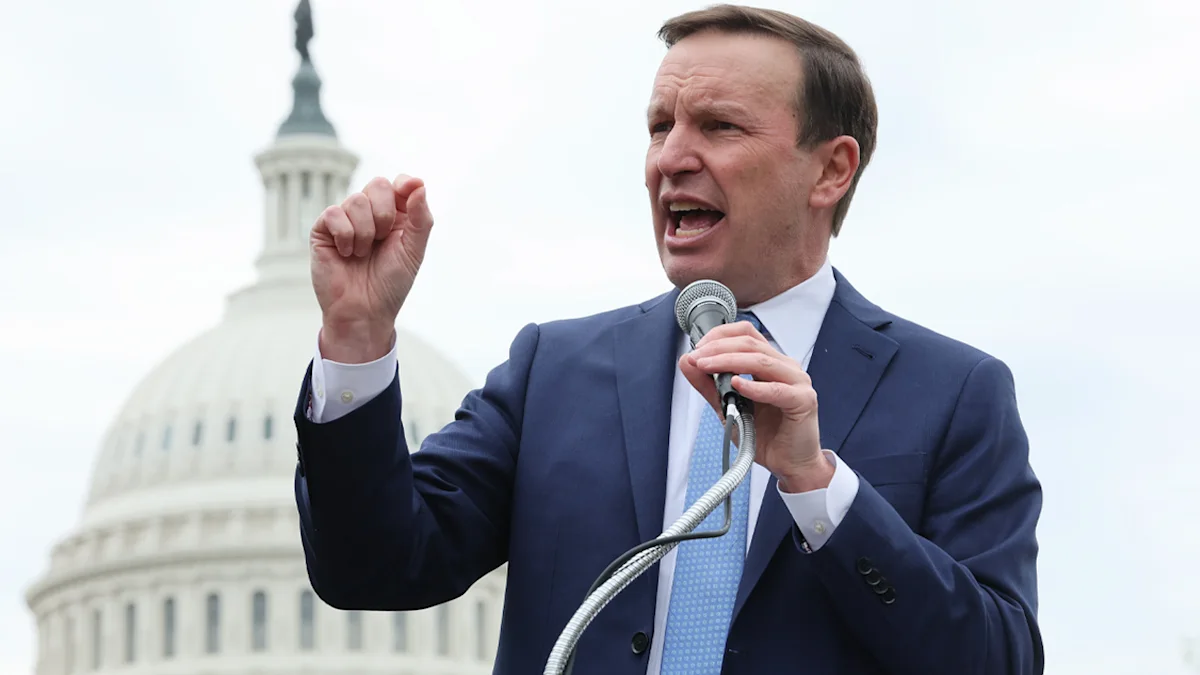
When lawmakers talk about “regulating the internet,” it can sound like a simple fix for a complicated civic problem. But constitutionally, it is anything but simple. Sen. Chris Murphy recently argued on the “I’ve Had It” podcast that government should take on projects that reduce loneliness and powerlessness, and he included “regulating the internet” so people spend less time alone on platforms like Instagram. He connected that idea to politics, saying Americans would then be less likely “to fall for a bulls--- demagogue like Donald Trump.”
That is an arresting claim because it points straight at the First Amendment. Depending on what “regulating the internet” means in practice, the policy questions could be mostly about product design, data practices, or market power. Or they could become something else entirely: government action that affects what people can read, watch, share, and argue about online.
Join the Discussion
What Murphy said
Murphy’s comments were part of a broader argument tied to his book “Crisis of the Common Good.” He described two conditions he thinks many Americans feel: powerless and lonely. In that framing, the government should build “a set of rules” that makes people feel more powerful and more connected. As an example, he said: “That’s why regulating the internet so that you’re spending less time alone on Instagram should be an important government project.”
He then drew a political conclusion: “And if people are feeling more powerful and less lonely, then they are going to be less likely to fall for a bulls--- demagogue like Donald Trump.”
Murphy also framed the point as a longer-term warning about politics and civic health: “The book basically says unless you fix what’s broken with the culture, you’re going to be stuck with people like Trump for a long time.”
Those quotes matter because they help identify the constitutional pressure point. Regulating internet companies for privacy, fraud, or competition raises one set of issues. Regulating in a way intended to steer people away from certain political appeals raises a very different one.
The First Amendment issue
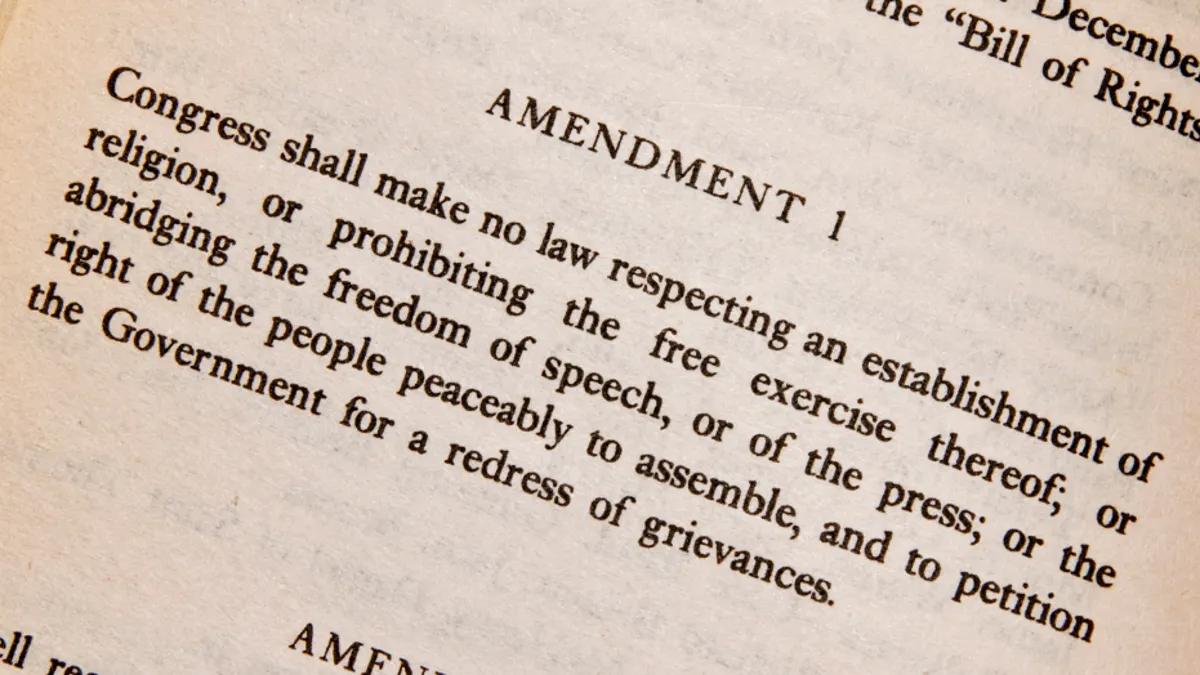
The First Amendment starts with a simple command: “Congress shall make no law … abridging the freedom of speech, or of the press.” Over time, courts have built a large body of doctrine around that sentence, but the core principle is easy to state in plain language.
The government generally may not restrict speech because it dislikes the message or thinks the message is politically dangerous.
If a regulation is aimed at making citizens less likely to “fall for” a particular kind of political figure, that purpose can begin to look like viewpoint discrimination, meaning the government is favoring some political viewpoints over others. Viewpoint discrimination is the constitutional third rail of free speech law. When the government tries it, courts typically apply the most demanding form of review.
Even well-intentioned goals do not automatically save a law. In American free speech tradition, the cure for bad ideas is usually understood to be more speech, not a government gatekeeper.
What regulation can mean

One reason this debate gets confusing fast is that “internet regulation” is a bucket that holds very different tools. Some are content-based, and some are not.
Options that are often easier to defend
- Privacy rules (limits on how platforms collect, store, and sell personal data).
- Consumer protection and anti-fraud enforcement (scams, impersonation, deceptive advertising).
- Competition policy (antitrust enforcement focused on market power, not viewpoints).
- Transparency requirements (for example, clearly labeling political ads or bot-driven campaigns, depending on how a law is drafted).
These approaches typically regulate conduct, business practices, or market structure rather than singling out particular political messages.
Options that are constitutionally risky
- Mandating or banning political viewpoints (directly or indirectly).
- Government pressure on platforms to remove lawful speech because officials consider it harmful.
- Rules designed to reduce exposure to certain leaders or movements by tweaking feeds, rankings, or recommendations for explicitly political ends.
When the government’s aim becomes shaping what citizens can hear and believe, the First Amendment concerns intensify. That is why the details of any proposed “regulation” matter as much as the slogan.
Federal power limits
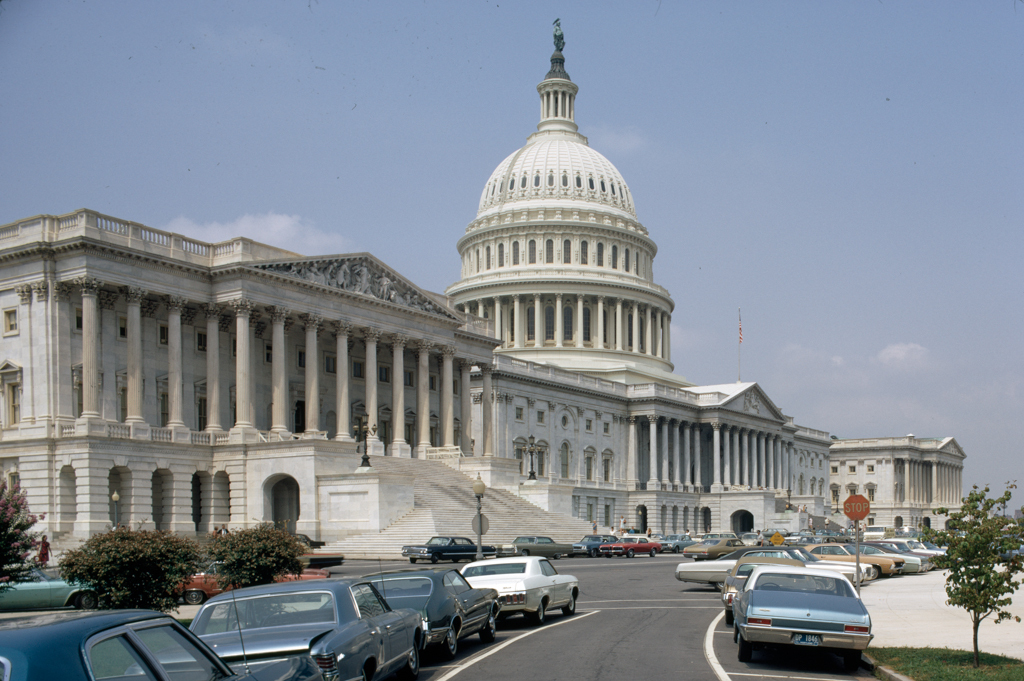
Even if a proposal avoids the First Amendment trap, the next question is basic civics: what gives Congress the power to do it?
Congress does not have a general “police power” to regulate anything it wants for the public good. Most broad public-health-and-safety authority belongs to the states. Congress must tie national internet rules to an enumerated power, most commonly the Commerce Clause.
Because online services often operate across state lines, federal authority is usually plausible for many internet-related rules. But “plausible” is not the same as “limitless.” Courts still ask whether Congress is regulating economic activity, channels of interstate commerce, or something closely connected to those categories.
And even when Congress can legislate, agencies cannot simply improvise speech rules because “the internet is bad for us.” Agencies need a statute. Then that statute has to survive constitutional review.
Platforms and speech
This is where internet speech gets tricky. The First Amendment does not only protect individuals holding signs. It also protects publishers and speakers making editorial choices. In the online context, a platform’s decisions about ranking, recommending, removing, labeling, and organizing content can look a lot like editorial judgment.
That means laws that force a platform to carry speech, or to demote speech, or to treat speakers “equally” in a rigid way can collide with the platform’s own First Amendment rights. At the same time, platforms are not the government. They can and do write their own rules, and the First Amendment generally does not require them to host everyone’s speech.
The constitutional conflict shows up when government tries to use law to steer those private editorial choices toward political outcomes.
The stated goal matters
Murphy framed internet regulation as part of a project to reduce loneliness and strengthen civic life, which is an understandable public concern. But the specific justification he offered, reducing the likelihood that people “fall for” a “demagogue like Donald Trump,” is the part that most obviously triggers First Amendment alarms.
To be clear, Murphy did not lay out a detailed regulatory blueprint in these remarks. Still, in a constitutional system built around self-government, the state does not get to act as a referee for which political appeals are legitimate. The fear is not only censorship in the obvious sense of bans and arrests. The fear is subtler: a regulatory regime that nudges lawful speech out of view because officials believe citizens are too persuadable.
Once that door opens, it rarely stays limited to one party’s definition of “demagogue.”
What fits free speech
There are ways to address online harms while staying closer to traditional constitutional comfort zones:
- Enforce existing laws against fraud, threats, stalking, and harassment, while respecting the line between unlawful conduct and protected speech.
- Increase transparency around political advertising and large-scale manipulation campaigns, with carefully drafted rules that avoid viewpoint discrimination.
- Support digital literacy through voluntary, locally controlled education initiatives. Teaching people how to evaluate sources is generally safer than the government deciding which sources are allowed.
- Encourage competition so users have real choices among platforms, which reduces the pressure to treat any one company as a quasi-public utility.
None of these options is a magic wand. But they align better with a First Amendment culture that assumes citizens can argue, learn, and decide for themselves.
Bottom line
“Regulating the internet” can mean reasonable rules about privacy, fraud, transparency, and competition. It can also mean government efforts that directly or indirectly affect what lawful political speech people see. Murphy’s remark, especially the stated aim of making people less likely to fall for a “demagogue,” will inevitably prompt the question of which version is being proposed.
If Congress or a federal agency ever tried to implement speech-shaping regulation for explicitly political ends, it would not just spark a policy fight. It would trigger a constitutional one.
Quick FAQ
Does the First Amendment apply to Instagram?
The First Amendment restrains government, not private companies. Platforms can set rules for users. The constitutional problem arises when government tries to force platforms to carry, remove, or downgrade lawful speech for political reasons.
Can Congress regulate the internet?
Yes, but Congress must rely on a valid constitutional power (often the Commerce Clause), and any law must still comply with the Bill of Rights, including the First Amendment.
Is regulating time spent online different from regulating speech?
Sometimes. A rule aimed at product design or addictive features might be framed as regulating conduct, not viewpoints. But if the government’s intent or effect is to suppress certain political messages or speakers, courts will treat it as a speech problem very quickly.