
Independence Day is our favorite national shortcut. Light the fireworks, unfurl the flags, rehearse the familiar lines about freedom, and let the founding feel settled.
But America 250 does not really allow shortcuts. A quarter of a millennium after July 4, 1776, we are forced to hold two truths at the same time: the Founders put forward one of the most radical public claims about human equality ever committed to paper, and a huge portion of the people living under that new banner were not free when the ink dried.
This is not an effort to dim the celebration. It is an effort to make it worthy.
Join the Discussion
The promise matters
The Declaration of Independence is not a legal code. It does not establish a court system, define crimes, or lay out voting rules. It is a justification, a public argument aimed at the world and at the future.
And its core argument is still combustible: “All men are created equal.” The Founders claimed people are endowed “with unalienable rights” that include “Life, Liberty and the pursuit of Happiness.” They insisted governments derive their power from “the consent of the governed.”
Notice what those sentences do. They do not say liberty is granted by Parliament. They do not say rights are permission slips from a king. They take authority away from rulers and locate it in the governed themselves. That is why the Declaration reads, even now, like a dare.
How it happened
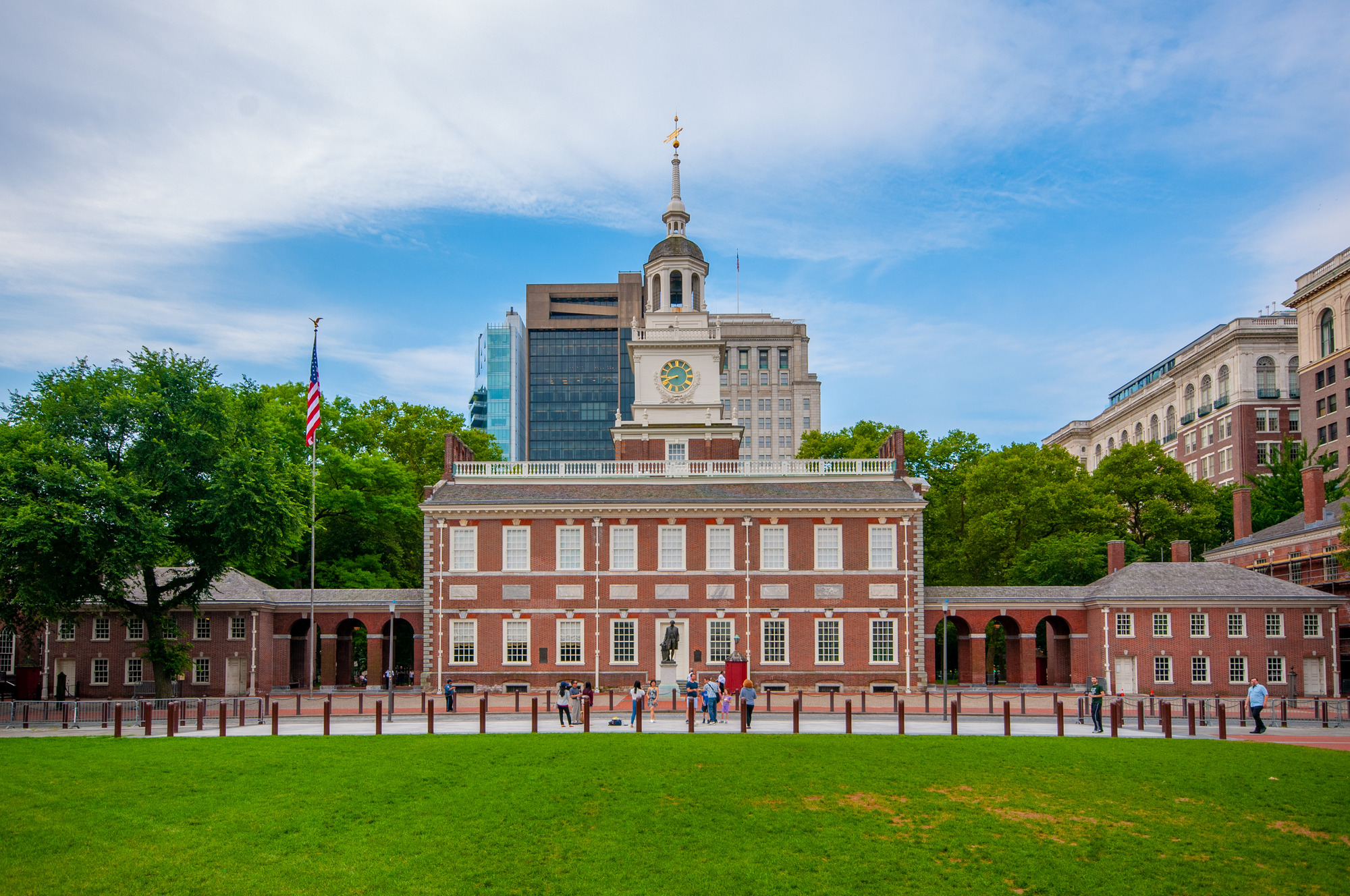
The founding story is often told as inevitability. In real time, it was not. In June 1776, Richard Henry Lee made the motion to declare independence, and not everyone was ready. The Continental Congress debated whether the moment was premature, even as the break with Britain was already being fought in practice.
Congress agreed to have Thomas Jefferson draft a declaration, and the text was later subject to the editing of Benjamin Franklin and John Adams. The final version was approved on July 4.
The process matters because it reminds us what this document is: a human artifact, argued over and edited, produced by fallible people attempting something unprecedented.
The charge and the duty
The Declaration is not shy about what drove it. It declares, “The history of the present King of Great Britain is a history of repeated injuries and usurpations, all having in direct object the establishment of an absolute Tyranny over these States.”
And it frames the response as obligation as much as permission: it was not only the colonies’ right, but their duty, to throw off such a government and “provide new guards for their future security.”
That is what makes Independence Day more than a birthday party. It is a reminder that liberty, in the American telling, is something people claim, defend, and organize around, or else lose.
The tension we cannot ignore
Here is the part that a mature patriotism does not evade: in 1776, the soaring language did not match the lived reality for everyone in America.
Enslaved people were held as property. Women were excluded from political membership in nearly every meaningful sense. Many Native communities were treated as obstacles to expansion rather than as nations with inherent rights. Even for white men, liberty often depended on property, religion, and social status.
So what do we do with the Founders’ “all men” in a nation where many were legally denied personhood?
We do the only honest thing. We admit the contradiction. Then we decide what we will do with the sentence anyway.
Because the most important feature of that promise is not that it was perfectly applied in 1776. It is that it was stated in absolute moral terms, in public, as a standard against which future Americans could measure the country and find it wanting.
From ideals to structure
If the Declaration is the nation’s thesis, the Constitution is its operating system. It was designed to restrain power, divide it, and make it answerable. And it gave later generations tools to fight over the meaning of liberty through law rather than bloodshed alone.
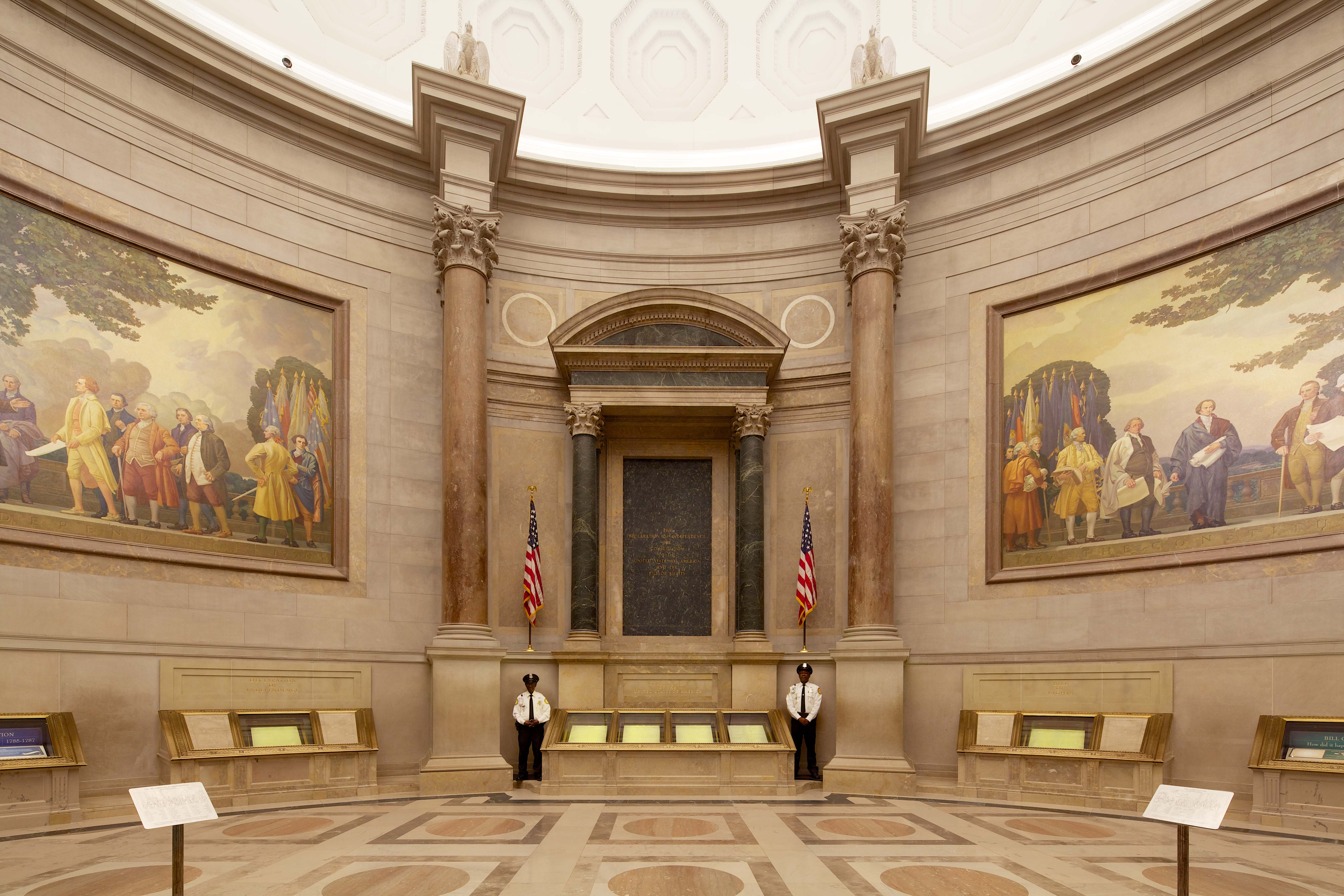
That is why Independence Day should send you not only to the fireworks display, but back to the documents themselves: the Declaration, the Constitution, and the Bill of Rights. They are not museum pieces. They are arguments that still govern.
When we talk about “living up to” the Founders, we are not talking about reenacting their world. We are talking about continuing their project, which is exactly what constitutional amendments, civil rights movements, and landmark court fights have tried to do: narrow the gap between declared principles and real freedom.
Liberty needs courage
One of the most revealing lines ever written about American freedom comes from Justice Louis Brandeis: “Those who won our independence believed that the final end of the State was to make men free to develop their faculties … They believed liberty to be the secret of happiness and courage to be the secret of liberty.”
That last part is not decorative. “Courage to be the secret of liberty” is an instruction. Liberty is not a substance you inherit once and keep forever. It is a relationship between citizen and government that requires maintenance. That maintenance can be loud, and it can be unpopular.
George Washington captured the same idea in simpler language: “Liberty, when it begins to take root, is a plant of rapid growth.”
A plant grows quickly, yes. It also needs care. It can be choked. It can be trampled. It can be starved of light.
America 250
A country that can celebrate 250 years is a country that has endured. That endurance is worth gratitude. But gratitude is not the same as complacency.
If you want an Independence Day ritual that fits the anniversary, try this: read the Declaration out loud, slowly, including its warning about “absolute Tyranny.” Then read the Constitution and the Bill of Rights, too.
Then ask the uncomfortable question the holiday is built for: Who is still waiting for the blessings to reach them?
That question does not cancel the celebration. It redeems it.
Because the Founders did not pledge comfort. They pledged risk. They pledged, in the Declaration’s closing, “to each other our Lives, our Fortunes and our sacred Honor.” We are not asked to replicate their sacrifice. But we are asked to remember what kind of experiment this is: one that depends on citizens who care enough to keep the promises honest.
What to do now
- Read the words again. A free people should not outsource its civic memory.
- Hold the contradiction without surrendering the ideal. The gap between principle and practice is not proof the principle is false. It is proof the practice needs work.
- Practice consent of the governed. Voting, speaking, organizing, serving on juries, showing up at local meetings. Liberty is not only national. It is profoundly local.
- Teach the next generation the whole story. Civic education is not propaganda. It is preparation.
Enjoy the holiday. Enjoy the family. Enjoy the three-day weekend many Americans will be lucky enough to have. But let the celebration do what it is supposed to do: not merely reassure us that we are free, but remind us why freedom was declared, and how easily it can become selective when citizens stop paying attention.
Happy Independence Day.