

The Ninth Circuit just did something that looks procedural but reads like a signal: it stayed Miller v. Bonta, the ongoing challenge to California’s ban on so-called “assault weapons,” while it waits for the U.S. Supreme Court to weigh in on a closely related set of questions.
In practical terms, the case is on pause. The court has not ruled on the merits, and the pause reflects the reality that an impending Supreme Court decision could reshape the legal framework lower courts use to analyze these bans.
Join the Discussion
What was stayed
Miller v. Bonta challenges California restrictions on certain semiautomatic rifles that lawmakers classify as “assault weapons.” Plaintiffs include the Second Amendment Foundation, Firearms Policy Coalition, California Gun Rights Foundation, and private citizens James Miller, Wendy Hauffen, Neil Rutherford, Adrian Sevilla, and Ryan Peterson.
A stay is not a win or loss. It is the court stepping back, in this instance to avoid charging ahead while the Supreme Court considers cases that raise overlapping issues.
The Supreme Court cases
On June 30, 2026, the Supreme Court granted review in two cases, Grant v. Higgins and Viramontes v. Cook County, which are being considered together. Those cases are expected to produce a ruling on whether AR-15s and similar rifles are protected by the Second and Fourteenth Amendments.
The connection to Miller is direct: the California challenge involves bans similar to those at issue in Higgins and Viramontes. The Ninth Circuit’s pause positions the case to proceed under whatever standard the Supreme Court articulates.
Why the timing matters
The stay came immediately after the Supreme Court agreed to hear the AR-15 cases. On July 1, 2026, Firearms Policy Coalition posted on X: “The Ninth Circuit is staying our lawsuit challenging California’s “assault weapon” ban pending the result of Viramontes at the Supreme Court.”
That framing matters because it points to what the parties themselves expect: that Viramontes, in particular, will provide guidance that will control what happens next in Miller.
What a stay signals
A stay is the court’s version of “not yet.” It reflects judicial triage. When a higher court is about to answer a question that bears directly on the one in front of you, it can make sense to pause rather than force litigants and judges to run hard in a direction that may need to change.
This dynamic is especially visible in post-Bruen Second Amendment litigation, where judges are tasked with testing modern regulations against historical tradition. When the Supreme Court takes a case that could clarify how that test applies to AR-15-style rifles, lower courts tend to wait, then apply the new guidance.
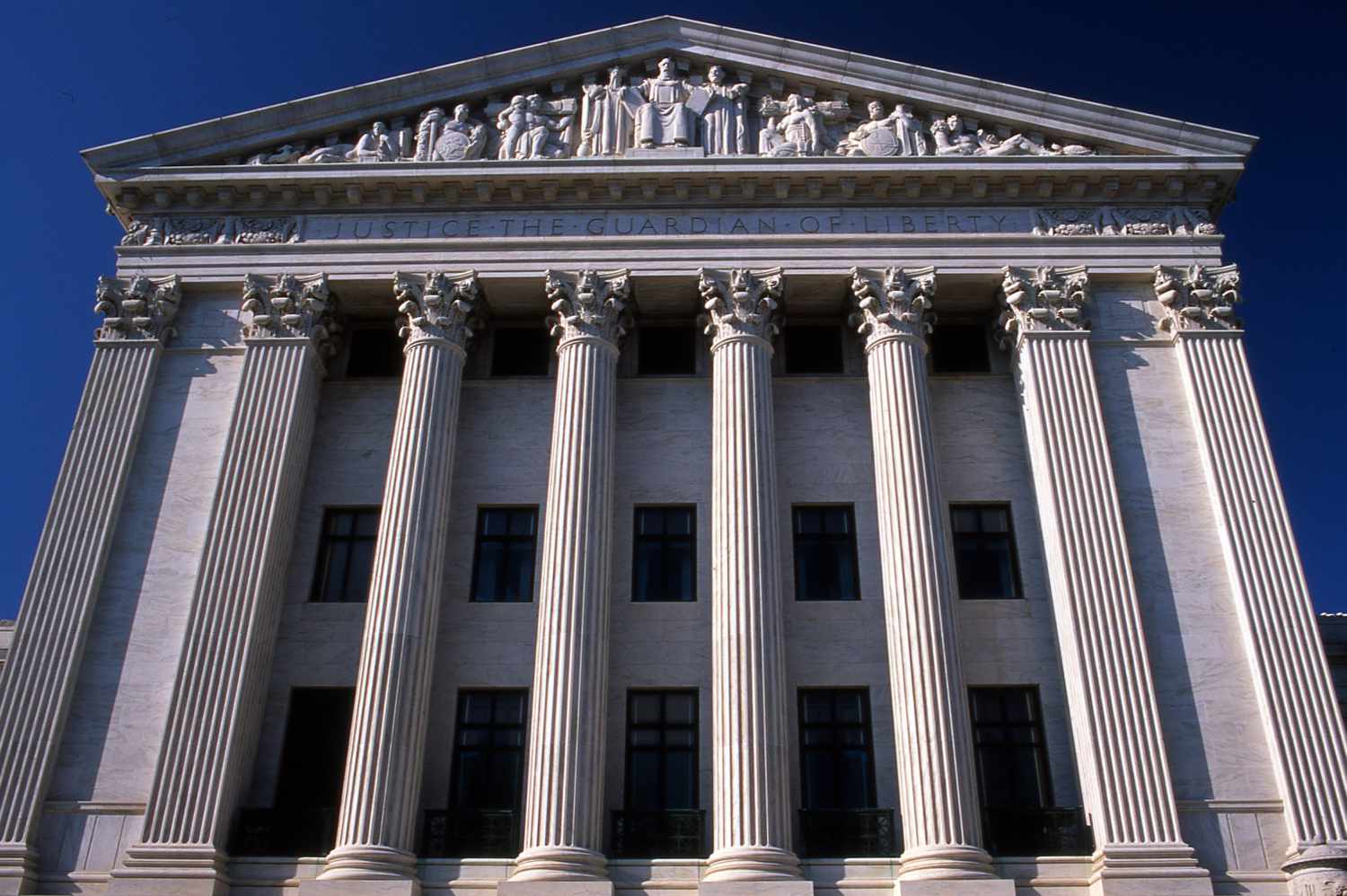
Why the Fourteenth Amendment is here
The Fourteenth Amendment appears in these disputes because it is the vehicle through which the Second Amendment applies to the states. So when the Supreme Court addresses whether these rifles are protected by the Second and Fourteenth Amendments, it is also addressing the outer boundaries of what states like California can restrict.
The practical stakes are straightforward: if AR-15-style rifles are treated as protected “arms,” broad prohibitions face more constitutional pressure. If they are treated as a regulable category in ways other firearms are not, states gain room to maintain or expand bans. Either way, the decision is likely to set the terrain for what happens next in Miller.
A pause with consequences
The Ninth Circuit’s stay is quiet, but it is not trivial. It suggests the court expects the Supreme Court’s forthcoming decision to be highly relevant to the California challenge. When the justices speak, Miller v. Bonta will resume inside the boundaries that decision draws.