
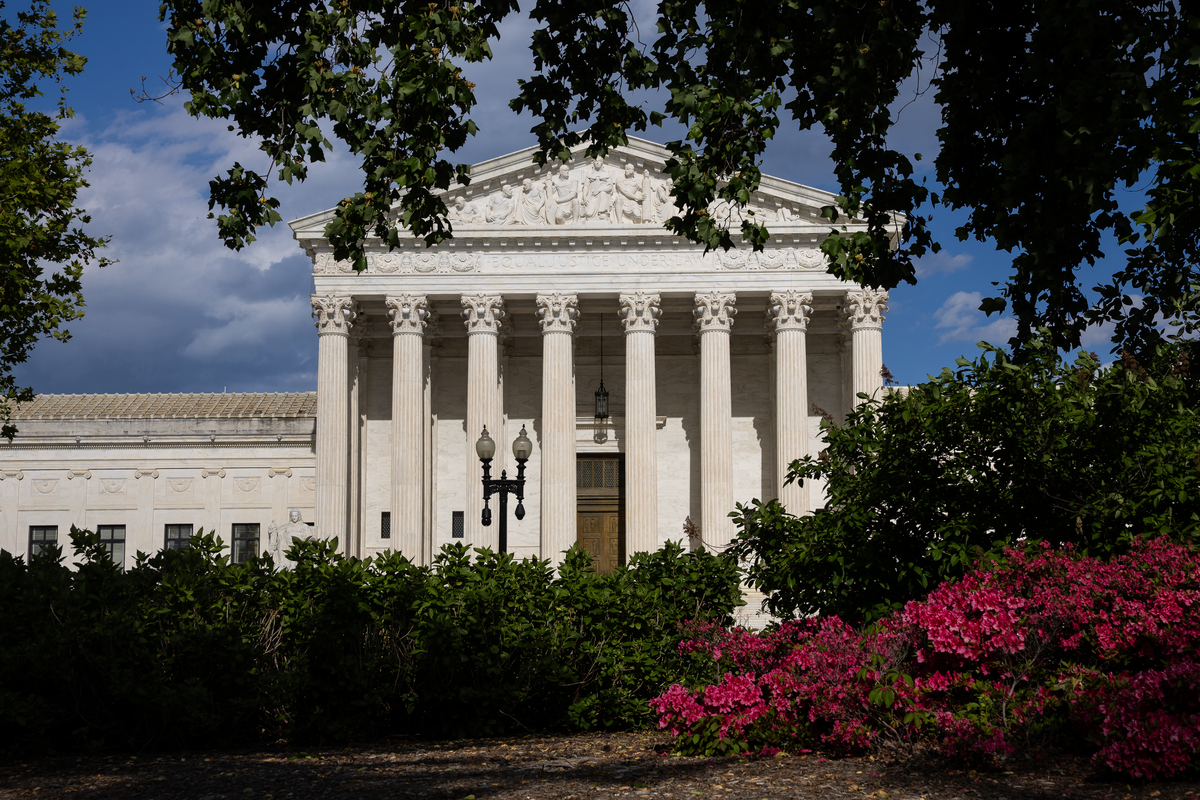
The Supreme Court has given Exxon Mobil a green light to continue a lawsuit against state-owned oil companies in Cuba, tied to property the Cuban government took in 1960 after Fidel Castro’s revolution. It is a striking reminder that, in the United States, events that happened generations ago can still land in today’s federal courts when Congress creates a pathway to sue.
The decision matters well beyond one company. It is about when U.S. courts will hear claims involving foreign governments, what it means to do business with entities owned by those governments, and how far American law can reach when property is confiscated abroad.
Join the Discussion
What the Court decided
In a 6 to 3 decision, the Supreme Court allowed Exxon Mobil’s case to move forward. Justice Brett Kavanaugh wrote the opinion for the Court. The liberal justices dissented.
The immediate question before the Court was not whether Exxon ultimately wins. It was whether Exxon is allowed to be in a U.S. courtroom at all under the legal framework Congress set up for these Cuba-related claims.
The property at the center
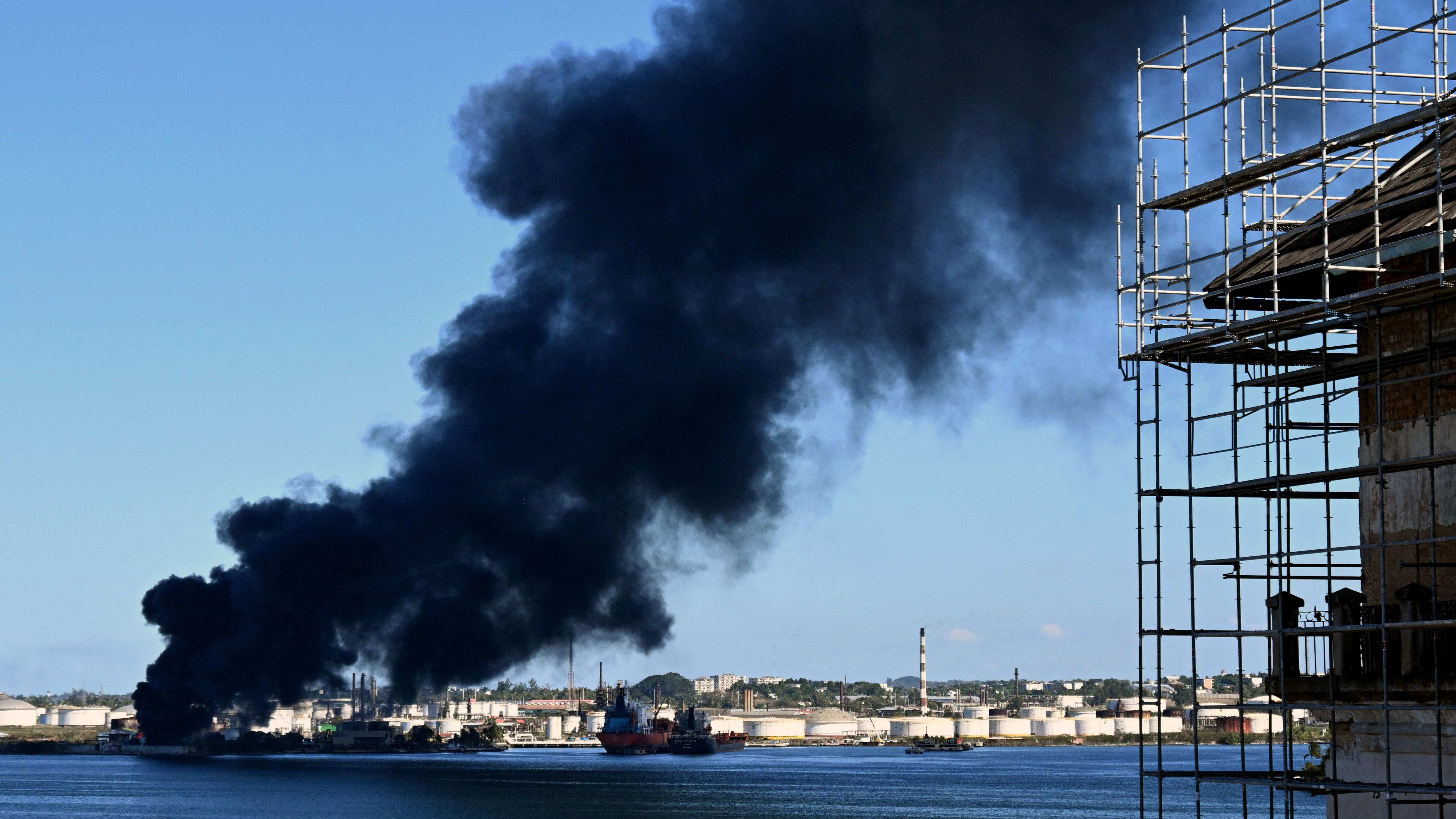
Before relations froze between Washington and Havana, Exxon’s corporate predecessor had a significant footprint on the island. By the late 1950s, Standard Oil Company (later renamed Exxon Mobil Corporation) operated key energy infrastructure in Cuba, including:
- a refinery
- multiple product terminals
- 117 service stations
Those assets were seized by the Castro government in 1960 and folded into state-owned enterprises. Exxon’s lawsuit targets Cuban state-owned oil companies over that confiscation and its downstream consequences.
Why the 1996 law matters
Cases involving foreign governments and government-owned entities often raise threshold questions about whether a U.S. court can hear the dispute at all. Here, the Court’s decision turns on a law Congress passed in 1996 that authorizes U.S. nationals to sue over certain property confiscated by Cuba.
In plain terms, that statute represents a policy choice. The United States is willing to let private litigants pursue civil claims in American courts as one method of applying pressure and seeking redress for uncompensated seizures.
This is an important civics point that often gets lost: courts do not invent these cross-border remedies from scratch. They usually operate within lanes Congress has painted on the road.
What this signals
1) Old events can still be litigated
Many readers assume that if something happened in another country decades ago, American courts will automatically stay out of it. Not always. When Congress creates a cause of action and a jurisdictional hook, U.S. courts can become a venue for disputes that are, at their core, about foreign policy and international conduct.
That does not mean the courts are trying to run the world. It means the political branches have decided that litigation can serve a national purpose, and the judiciary is being asked to apply the statute as written.
2) State-owned firms carry extra risk
When a foreign government owns the company you are dealing with, the relationship can bring special legal rules, defenses, and practical complications. Government ownership can blur the line between commercial conduct and state action, and U.S. law sometimes treats those entities differently than private firms.
3) Property disputes ripple outward
Confiscated-property disputes do not stay neatly contained in court filings. They can shape negotiations, complicate business planning, and influence how the United States signals its posture toward a foreign government.
Why the timing matters
The ruling arrives during a moment of heightened U.S. pressure on Cuba. The Trump administration indicted former Cuban President Raúl Castro on May 20 on charges stemming from his alleged role in the 1996 shootdown of two civilian aircraft that killed four people, including three Americans. President Donald Trump has also publicly flirted with military action in Cuba, telling reporters in March he might have the “honor of taking Cuba.”
In other words, this Supreme Court decision does not land in a quiet geopolitical season. It sits alongside other actions that collectively increase legal and diplomatic pressure on Havana.
Another case is moving, too
A day after the Raúl Castro indictment, the Supreme Court decided another case dealing with property seized by Cuba. In that decision, by an 8 to 1 vote, the Court allowed a lawsuit to proceed against the world’s largest cruise ship operators that had docked at Havana’s pier amid a thawing of relations during the Obama administration.
Put the two decisions together, and a pattern emerges. The Court is showing a willingness to let Cuba-related property claims advance past early procedural barriers. That does not guarantee plaintiffs will ultimately prevail, but it does mean more of these disputes may be litigated in full view, with discovery, motions, and potentially trials or settlements.
What happens next
Now that Exxon can proceed, the case returns to the lower courts for the hard work: sorting out liability theories, defenses, and the practical question that hovers over many foreign-asset cases, which is how a judgment would be enforced if Exxon wins.
For everyday readers, there are three useful takeaways to keep in mind as this litigation continues:
- Jurisdiction is power. When a case survives the threshold question of whether it can be heard here, plaintiffs gain leverage even before the merits are decided.
- Congress sets the menu. If lawmakers expand or narrow statutory rights to sue, courts will follow that framework.
- Foreign policy and private lawsuits can intertwine. Even when the plaintiff is a corporation, the defendant is tied to a foreign state, and that connection can ripple outward.
For those of us trying to understand constitutional government in real life, this is a clear example of how the branches interact: Congress writes a remedy, the executive branch shapes the broader posture toward a foreign government, and the judiciary decides whether the courthouse doors are open.