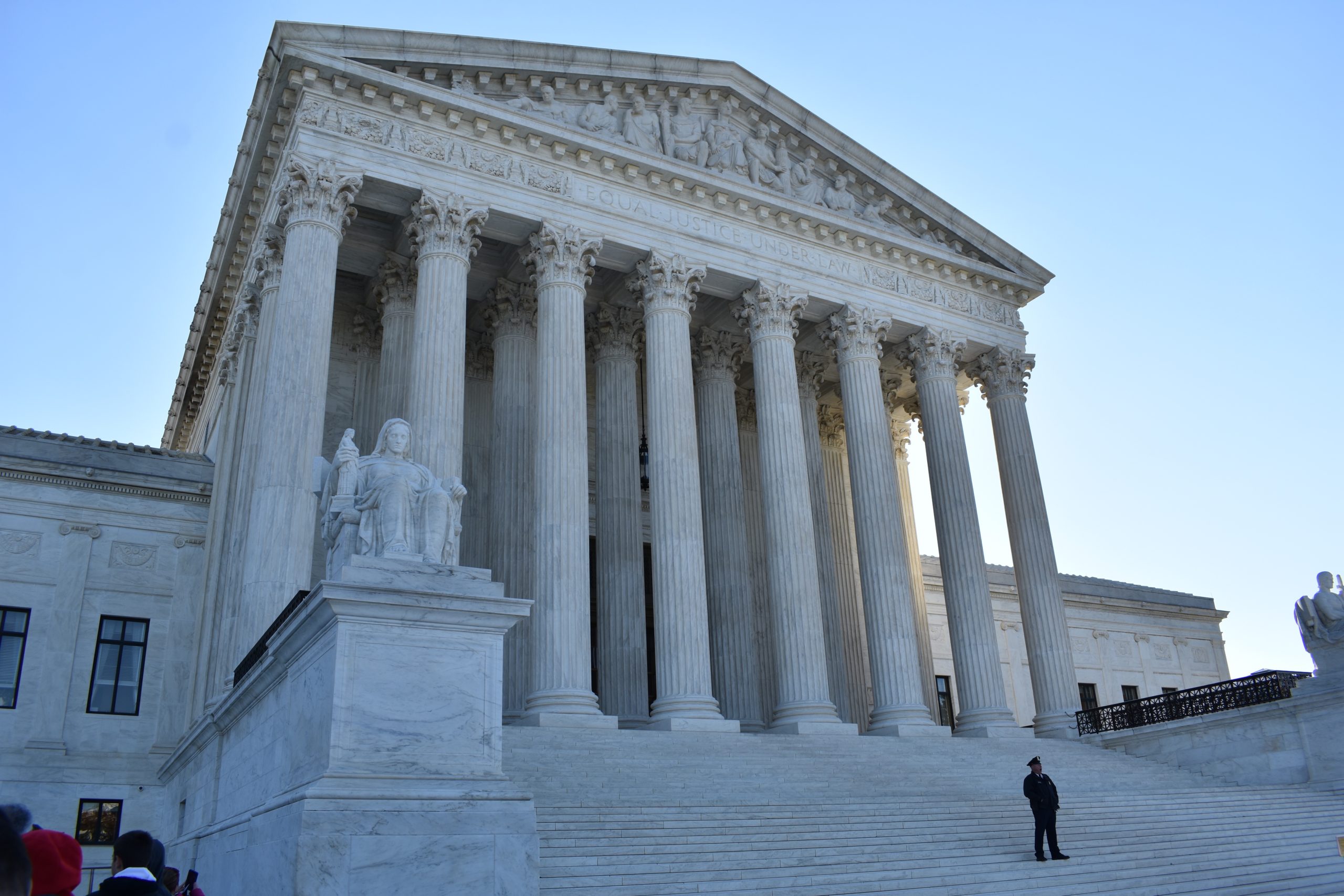
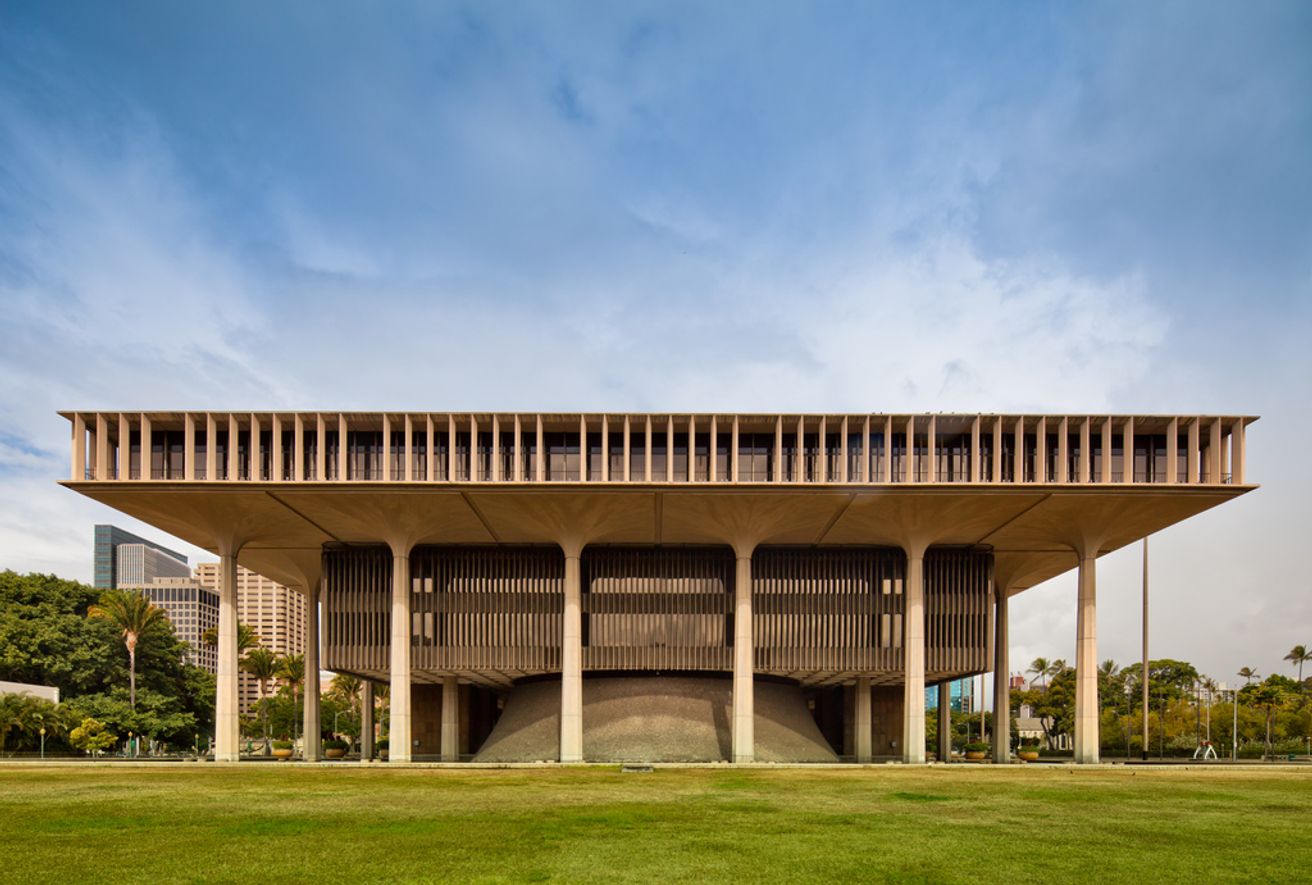
When the Supreme Court tells lower courts to look to “history and tradition,” it can sound simple. Find old laws, compare them to modern ones, and see what lines up.
But the Court’s recent decision in Wolford v. Lopez shows how messy that exercise can get when a state’s best historical hook comes from a morally compromised era. In this case, Hawaii defended a modern carry restriction by citing, among other things, an 1865 Louisiana statute from the Black Code period.
That move turns a technical Second Amendment dispute into a harder question about constitutional method: what should courts do with “historical analogs” that were adopted in the shadow of rights suppression, and that many Americans view today as part of a shameful attempt to disarm newly freed Black citizens?
Join the Discussion
2>What the Court held
On Thursday, the Supreme Court ruled 6 to 3 that Hawaii cannot force licensed gun owners to obtain express permission before carrying a firearm onto private property that is open to the public, such as stores and other businesses.
Gun-rights challengers nicknamed the policy the “vampire rule,” because lawful carriers had to be “invited in” before stepping onto a public-facing business property while armed. The Court rejected Hawaii’s approach.
At the everyday level, the dispute is easy to grasp. Many people assume that if a business is open to the public, you can enter unless the owner posts a clear rule or asks you to leave. Hawaii flipped that default for licensed carry, treating public-facing private property as off-limits unless the owner affirmatively opted in.
Why Bruen made history the battleground
This case lands squarely inside the Supreme Court’s post-2022 Second Amendment framework. In New York State Rifle & Pistol Association v. Bruen, the Court directed judges to evaluate many firearm restrictions by asking whether the modern regulation fits within the nation’s historical tradition of firearm regulation.
Since Bruen, states defending gun laws have been pressed to show historical examples that look like the modern rule. Sometimes that means reaching deep into the 1800s to find anything that resembles today’s policy.
Here, Hawaii cited several historical laws, including an 1865 Louisiana statute enacted as part of the post-Civil War Black Codes. That law made it unlawful to carry firearms onto another person’s property without the owner’s consent.
The Black Code problem
Consulting history is one thing. Treating every old restriction as an equally legitimate guide to constitutional meaning is another.
The Louisiana statute Hawaii pointed to came from the Black Code period. For many observers, that context matters, not as a side note, but as a warning label. A law can be “historical” and still be a poor candidate for defining the scope of a constitutional right today.
Kevin O’Grady, the attorney who represented the challengers, put the point bluntly: “It is disgraceful that any state would rely on a law specifically aimed at taking away the Second Amendment rights or any constitutional right of Black Americans as it was at that time.”
O’Grady also said Hawaii’s reliance on the law was not surprising because, in his view, the state is “diametrically opposed to the Second Amendment.” He added that the Court should not look to that kind of law when deciding what is constitutional.
What this means going forward
Bruen asks courts to compare modern gun regulations to historical analogs, which makes the quality of the history matter as much as the quantity. The Wolford dispute highlights a few practical takeaways.
1) Some analogs come with built-in credibility problems
When a state leans on a law from a period widely associated with civil-rights denial, that is not just a citation. It is a signal that courts will have to grapple with what counts as a trustworthy tradition, and what counts as a cautionary example.
2) A thin historical record can push states toward outliers
If a state’s most useful support is a Reconstruction-era statute from the Black Code period, critics will argue that the modern restriction is not rooted in a broad, mainstream tradition. Whether courts accept that framing will shape the next round of litigation.
3) Private-property defaults are now a major front
After Bruen, states that cannot easily block public carry through licensing may try to reshape where carry is allowed by changing default rules on categories of property. The line between respecting property rights and creating a near-total carry ban will keep getting tested.
A calm takeaway
The Court’s decision in Wolford v. Lopez does more than strike down one Hawaii rule. It underscores a basic tension built into the “history and tradition” test: courts are being asked to rely on the past, but the past contains laws that many people see as incompatible with constitutional equality and basic legitimacy.
However one feels about modern gun policy, the method matters. If judges are going to decide today’s rights by looking backward, they will have to decide which parts of that record illuminate the Constitution and which parts should not be treated as a model.
What to watch next
How lower courts handle Black Code-era laws when states cite them as historical analogs.
How Hawaii and other states adjust carry rules on private property open to the public after Wolford.
Whether courts demand stronger historical matches instead of relying on isolated or heavily contested examples.
The “history and tradition” test only works if courts are careful about what they treat as tradition in the first place.