
When an administration announces an EPA “rollback,” the headline usually comes with a second promise: lower costs. Sometimes the number is enormous. Sometimes it is framed as immediate relief for households.
But the Constitution does not contain an “EPA switch” the President can flip to make rules vanish and bills drop next month. What it does contain is a structure: Congress writes statutes, agencies execute them, presidents supervise the executive branch, and courts decide whether agencies stayed inside the lines.
This is where ratepayers come in. Electricity and gas bills are not only about fuel prices and weather. They are also about compliance costs, capital spending schedules, state utility regulation, wholesale market dynamics, and the slow machinery of federal administrative law.
Join the Discussion
What does “ratepayer” mean?
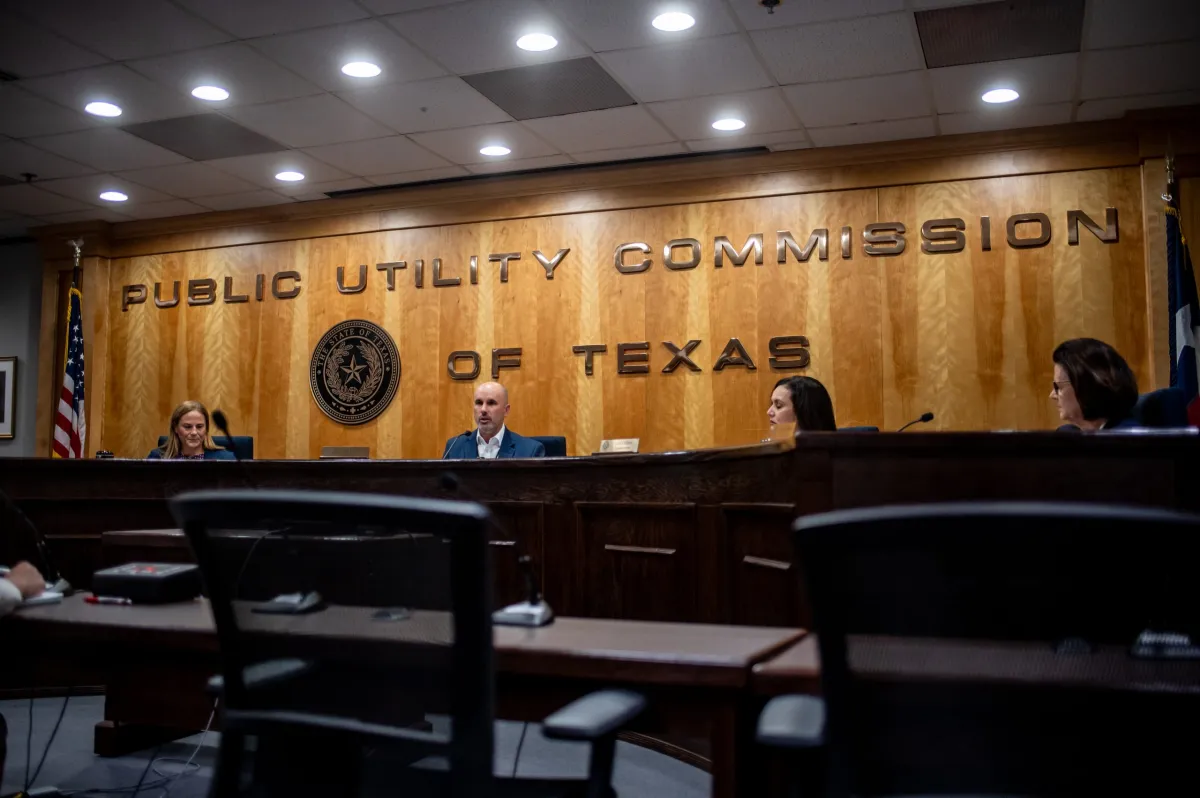
A ratepayer is a customer who pays a regulated rate for a public utility service, most commonly electricity, natural gas, and sometimes water. You are not just buying a product in a typical competitive market. In much of the country, you are buying from a utility whose prices are set or approved by a state public utilities commission.
In states with restructured electricity markets, many customers can choose a competitive supply provider, but they still pay regulated delivery charges to the local utility. That split matters because EPA-related costs often show up in delivery rates, even when supply is bought in a market.
Utility costs are often recovered through rates over time. When a power plant is upgraded, retired, or replaced, the cost may be spread across years or decades. So when you hear “EPA regulation costs ratepayers,” the mechanism is usually indirect: compliance drives utility spending, and utility spending can flow into rates after state review, often through a rate case or a targeted rider that accelerates recovery for specific investments.
Why the same EPA rule can land differently
- Generation mix: coal-heavy regions face different compliance choices than regions dominated by gas, nuclear, hydro, or renewables.
- Utility structure: vertically integrated utilities recover costs through state-set retail rates; customers in organized wholesale markets can see some impacts first in market prices.
- State ratemaking rules: some states allow faster cost recovery than others, and some tools (like securitization for retired plants) can spread costs in ways that outlast the rule that triggered the change.
- Timing: utilities plan capital projects years ahead. A rule change can arrive after money has already been spent or committed.
What is an EPA “rollback,” legally?
“Rollback” is not a formal category in federal law. In administrative law, it usually means one of three things:
- Repealing an existing rule (rescission).
- Replacing a rule with a new one that is less stringent or differently structured.
- Changing enforcement posture through guidance, priorities, settlements, and resource allocation.
The first two are where the real legal weight is. A binding EPA rule is typically issued under a statute like the Clean Air Act or Clean Water Act. To unwind such a rule, the agency generally has to run a new rulemaking process and justify the change in a way that survives judicial review.
Can the President change EPA rules alone?
The President is the head of the executive branch, and the EPA is an executive agency. That gives the White House real influence. But it is not a shortcut around statutes and procedure.
Here is the basic constitutional chain:
- Congress creates the EPA’s legal duties and limits through statutes.
- The EPA implements those statutes through regulations and enforcement.
- The President can direct priorities and appoint leadership, and the Office of Management and Budget (OMB) can review significant rules.
- The courts decide whether the EPA acted lawfully when it issues, replaces, or rescinds a rule.
So a President can push the EPA to reconsider rules, but the agency still has to justify its decisions under the governing statute and the Administrative Procedure Act.
Executive orders are real, but not statutes
Presidents often use executive orders to shape regulatory policy. Those orders can require cost-benefit analysis, direct agencies to review certain rules, or set internal procedures. What they cannot do is rewrite the Clean Air Act. If a statute commands the EPA to act after specific findings or triggers, an executive order does not erase that duty.
For example, some Clean Air Act programs are built around statutory findings and mandatory steps. The details vary by section, but the recurring theme is the same: once Congress sets the trigger and the assignment, the executive branch cannot simply declare it optional.
How rule changes happen
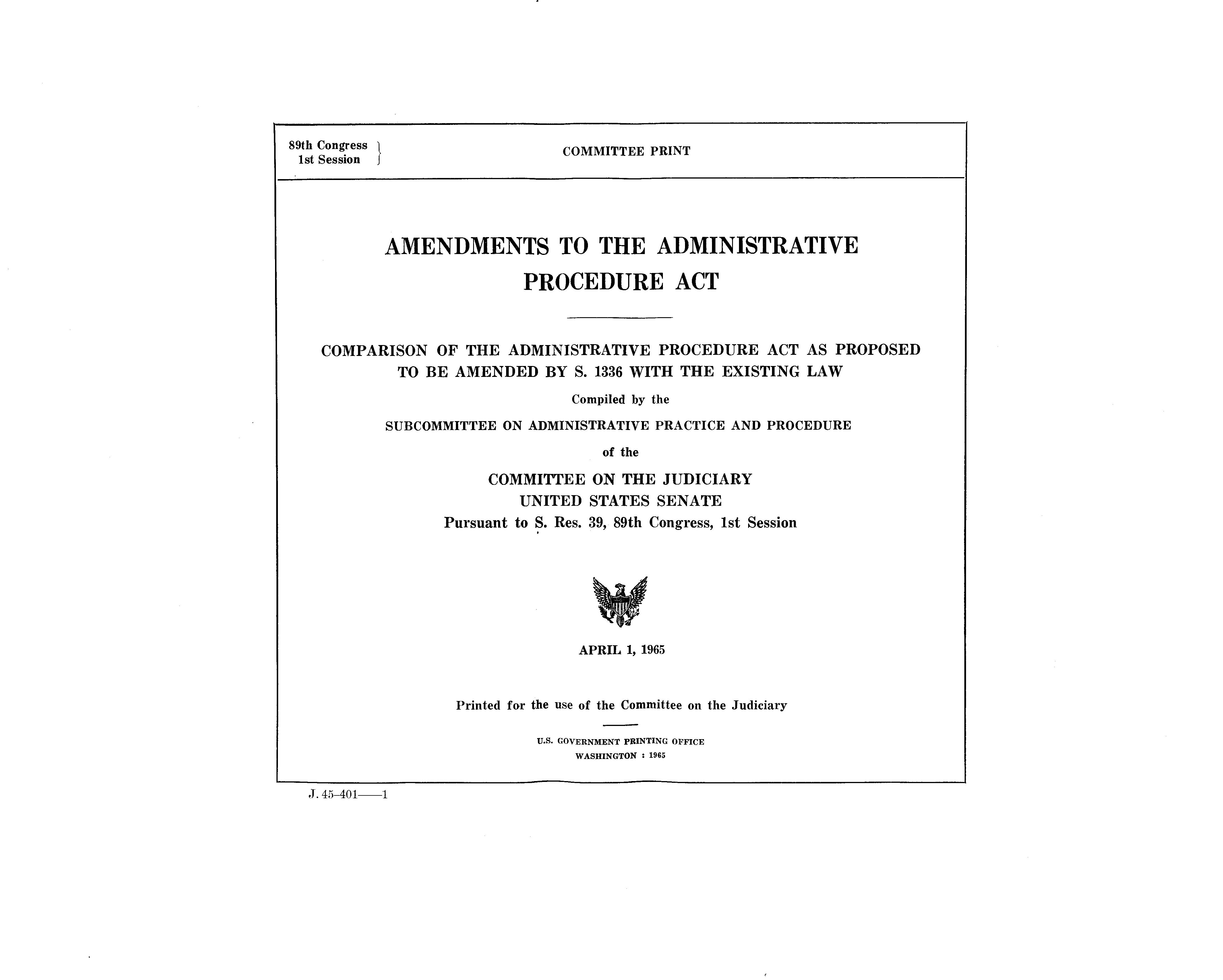
The law that governs most federal rulemaking is the Administrative Procedure Act (APA). But the APA is not the whole story. Many EPA rules are also shaped by statute-specific requirements in the Clean Air Act, plus cross-cutting laws and executive-branch review for significant rules.
A typical EPA rule change involves:
- Proposal: the EPA publishes a proposed rule and explains its reasoning.
- Notice and comment: the public, industry, states, and advocacy groups submit comments, sometimes hundreds of thousands.
- Final rule: the EPA responds to significant comments and publishes a final rule.
- Judicial review: challengers sue in federal appellate court.
Even “deregulation” has to clear these steps. And if the EPA changes course, it must show that it considered the relevant evidence and explained the shift. (A commonly cited Supreme Court case for this basic idea is FCC v. Fox Television Stations, which emphasized that agencies can change policy, but must give a reasoned explanation.)
Where does the case get heard? It depends. Some Clean Air Act challenges are funneled to the D.C. Circuit, especially for nationally applicable rules, while other actions can be reviewed in regional circuits.
Where the Constitution shows up
Most fights over EPA rollbacks are not really about whether clean air is good. That is a policy question. The constitutional question is about who decides, and under what authority.
Congress’s enumerated powers
Environmental regulation often rests primarily on Congress’s power to regulate interstate commerce. Pollution crosses borders. Electricity flows across state lines. Fuel markets are national. Federal environmental authority can also lean on the Necessary and Proper Clause to carry those powers into effect, and in some contexts Congress uses spending tools to encourage state participation in cooperative programs.
Nondelegation anxiety
Congress cannot hand the executive branch a blank check to make law. In practice, Congress often writes broad statutes and leaves technical details to agencies. Critics argue that some statutes give agencies too much discretion.
The Supreme Court has rarely struck down statutes on “nondelegation” grounds, but the concern influences how the Court reads agency authority. The narrower the Court reads the statute, the less room the EPA has to improvise.
Major questions doctrine
In recent years, the Court has emphasized that agencies need clear congressional authorization for rules of vast economic and political significance. This doctrine can become the pivot point for EPA climate and power sector rules, especially where a regulation effectively reshapes how electricity is generated nationwide.
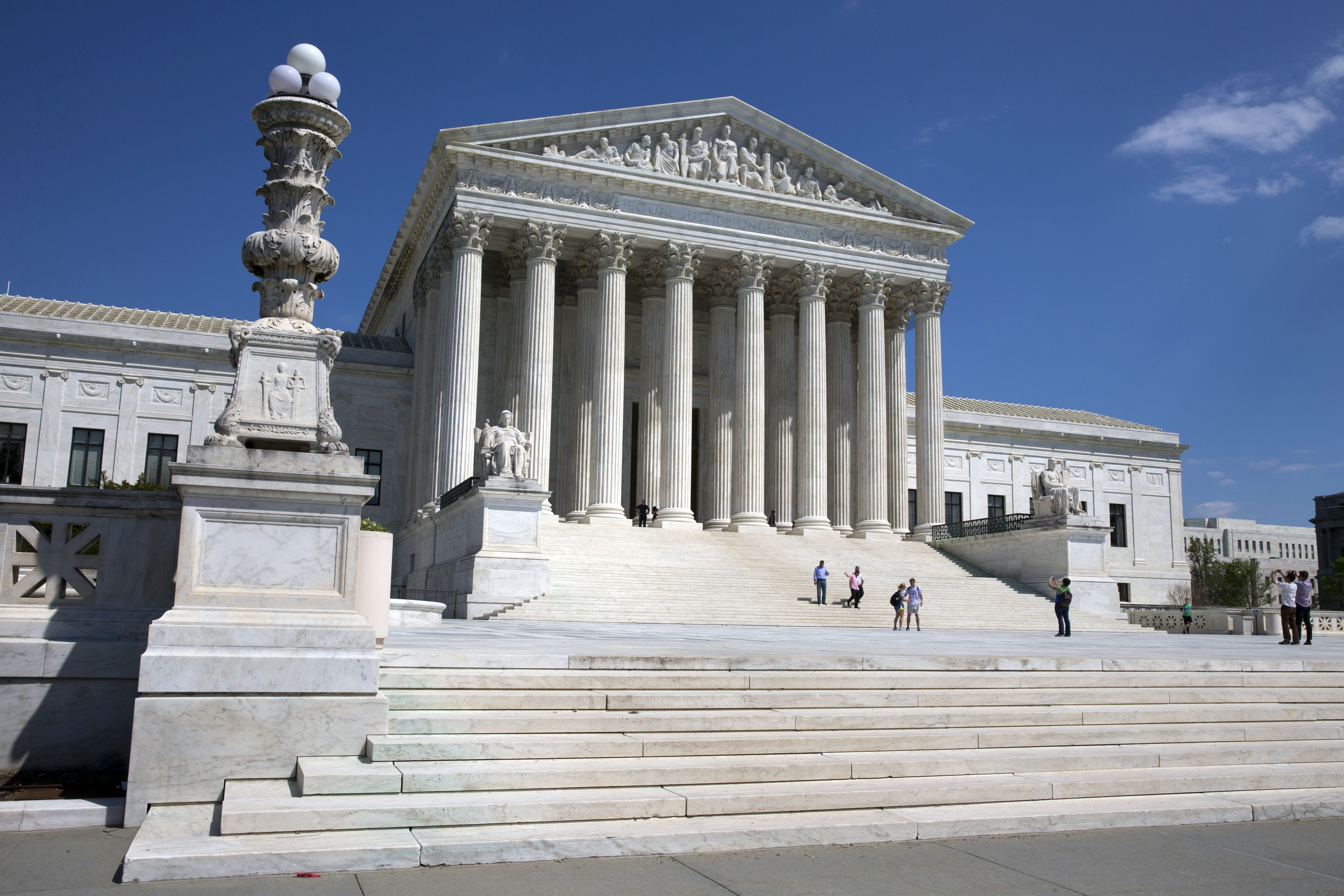
A concrete example is West Virginia v. EPA (2022), where the Court applied this kind of reasoning to limit how the EPA could structure certain power-sector carbon rules without clearer direction from Congress.
Do EPA regulations affect electricity bills?
Yes, but not as an instant rebate. EPA regulations can affect electricity rates through a few common channels:
- Capital costs: installing controls, retrofitting plants, or building new generation.
- Operating costs: monitoring, reporting, fuel changes, and maintenance.
- Retirements and replacements: if a plant becomes uneconomic, a utility may retire it and invest in replacement capacity.
- Market effects: compliance can change supply and pricing in wholesale electricity markets, which may pass through differently depending on whether customers are served by a regulated utility, a competitive supplier, or both.
But the effect on your bill depends on what state regulators approve and how quickly costs are recovered. A federal rollback might reduce future compliance obligations, yet bills can still rise because of unrelated factors like fuel prices, transmission buildout, storm hardening, inflation, or load growth.
Why “savings” numbers are disputed
Big savings claims tend to come from projected compliance costs that would have been incurred under the old rule. Those projections involve assumptions: technology costs, timelines, plant lifetimes, how utilities would comply, and what states would allow in rates.
That does not mean the numbers are invented. It means they are contingent. A rollback can change the forecast. It does not automatically unwind costs already approved in a rate case, nor does it necessarily claw back money already spent under earlier compliance plans.
What a rollback can and cannot do
What it can do
- Change future compliance obligations, which can alter utility investment plans.
- Reduce some regulatory uncertainty if a clearer replacement rule survives court challenge.
- Shift costs by changing which technologies are favored or required.
What it cannot do
- Override state ratemaking and force a particular retail price.
- Erase statutory duties Congress wrote into the Clean Air Act or related laws.
- Guarantee durable policy without a legal foundation strong enough to survive litigation and future administrations.
There is a reason utilities track court cases as closely as they track fuel markets. A rule that dies in court after a utility has invested to comply can strand costs, trigger new rate proceedings, and prolong ratepayer pain.
Why courts are the hinge point
If you want to know whether a rollback “sticks,” watch the litigation, not the press conference.
Challenges to EPA action often argue that the agency:
- exceeded its statutory authority,
- failed to provide a reasoned explanation for changing course,
- ignored significant evidence or comments, or
- acted arbitrarily and capriciously under the APA.
And challenges to the prior rule often argue the mirror image: that the old rule exceeded statutory authority or triggered the major questions doctrine.
This is the administrative law reality that frustrates everyone. The modern regulatory state runs on written explanations, docket filings, and judges deciding what Congress meant years or decades ago.
Who should make energy policy?
EPA rollbacks keep returning to the same civic tension: the country wants national solutions to national problems, but the Constitution channels lawmaking through Congress.
When Congress writes clear, updated statutes, agencies have less room to improvise and courts have fewer reasons to intervene. When Congress stays silent, agencies try to fill gaps, presidents push agencies to move faster, and courts end up refereeing not just the rule but the boundaries of the administrative state itself.
That is why an EPA rollback is never just an environmental story. It is a separation-of-powers story that reaches your utility bill only after it passes through statutes, procedure, state commissions, wholesale markets, and the federal judiciary.
Quick answers
Is the EPA part of the executive branch?
Yes. The EPA is an executive agency. Its Administrator is appointed by the President and confirmed by the Senate.
Can a new administration undo the last administration’s EPA rules?
Sometimes, but not instantly. Repealing or replacing a rule usually requires a new rulemaking process and a defensible legal explanation, often under both the APA and program-specific Clean Air Act requirements.
Will deregulation automatically lower my electricity bill?
Not automatically. Federal regulatory changes can affect utility costs and market prices, but retail rates are primarily set through state processes and are influenced by many non-EPA factors.
What makes a rollback durable?
A replacement rule that fits the statute, follows proper procedure, and survives judicial review. The more the rule relies on clear congressional authorization, the harder it is to knock out.