
Every autumn, the same civic ritual returns: questions about when we “fall back,” why we still do this, and why it feels like we have collectively agreed to stop, only to somehow keep doing it.
What is different now is that a growing number of states have already done the obvious political part. They have passed conditional laws aimed at making daylight saving time permanent, usually triggered only if Congress changes federal law first.
And yet, when the clock change arrives, those states still switch.
That is not because state lawmakers are indecisive. It is because the power to make daylight saving time permanent is sitting behind a federal gate, and states cannot open it on their own.

Join the Discussion
The rule most miss
The key law is the Uniform Time Act of 1966. It is the statute that standardized daylight saving time rules across the country after decades of local chaos.
Under federal law, states have two main options:
- Stay on standard time year-round (an option federal law already allows). This is what Hawaii does, and what Arizona does statewide except for the Navajo Nation.
- Observe daylight saving time under the federal schedule, switching in the spring and fall as the law sets it.
What most states cannot do under current federal law is the thing voters keep asking for: stay on daylight saving time permanently. That is why so many state bills are written with a built-in condition, often phrased as “upon authorization of Congress” or “if federal law is amended.”
In other words, many states have passed a law that functions like a note taped to a locked door: “We would like to exit through here as soon as someone with the key shows up.”
Why Congress decides
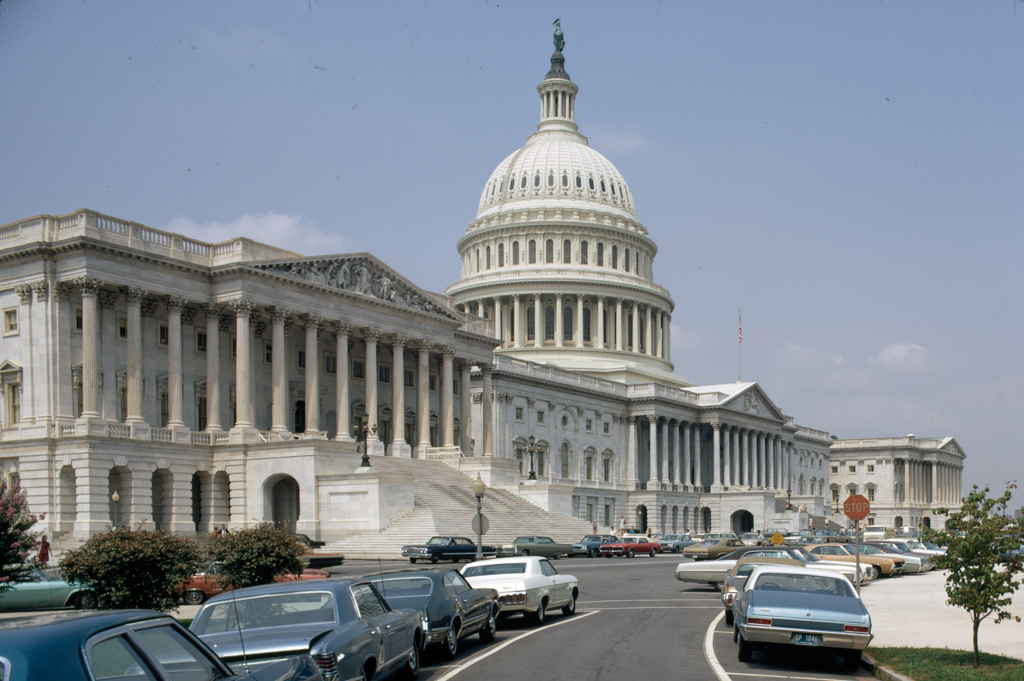
This is where the Constitution quietly does what it always does: it decides which level of government gets to finish the sentence.
Timekeeping touches interstate commerce in the most ordinary way imaginable. Flights, financial markets, school testing windows, shipping logistics, and even the timestamp on a court filing all assume that “time” is a shared national infrastructure. That makes it a natural candidate for federal uniformity.
Congress did not need a special “clock clause” in the Constitution to regulate time. In practice, it has treated nationwide time rules as part of its authority to set uniform standards affecting interstate commerce, and it put that approach into law through the Uniform Time Act. The basic idea is simple: if every state or city could unilaterally adopt its own DST calendar or permanent DST rule, national coordination breaks.
States do retain meaningful room to maneuver, but only within the lanes Congress left open. One lane is year-round standard time. Permanent daylight saving time is not.
What states passed
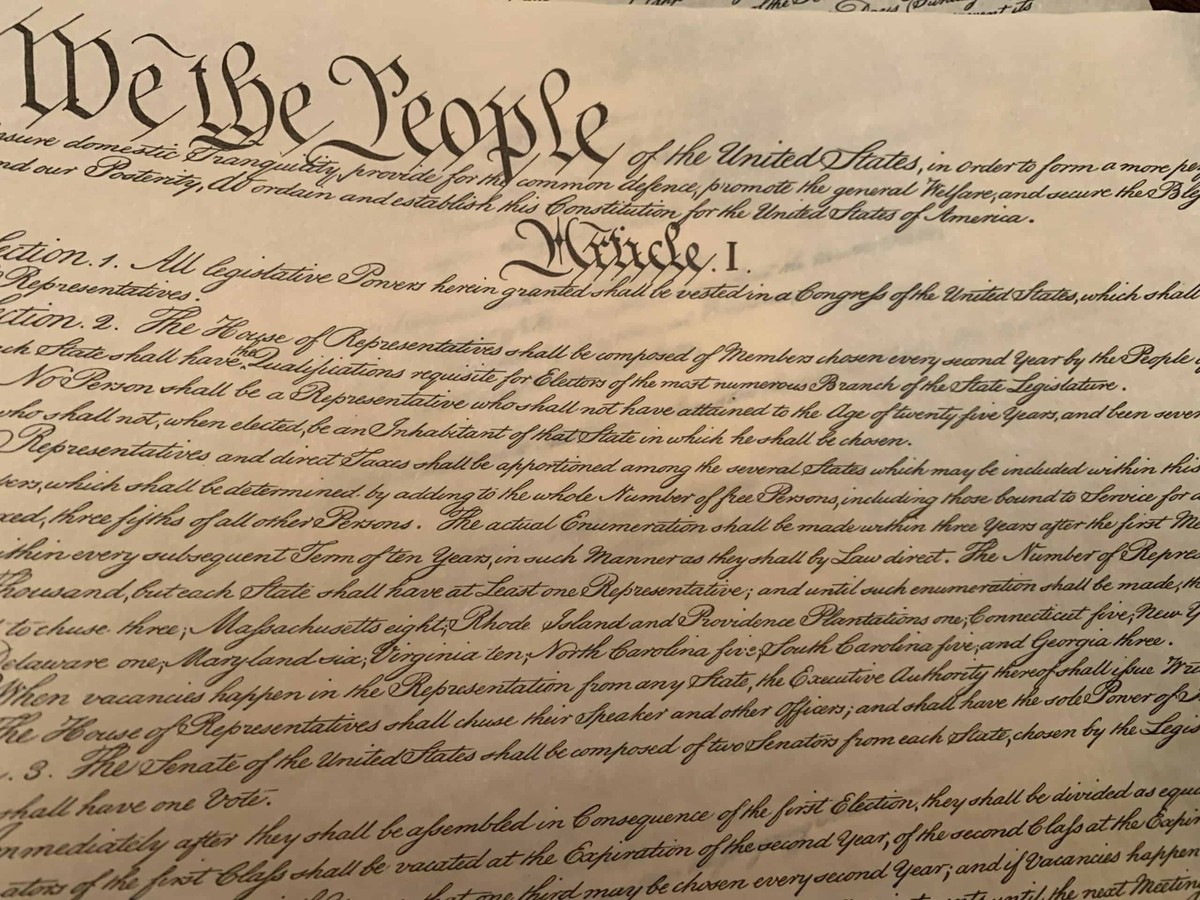
When you hear that a state has “approved permanent daylight saving time,” it usually means the legislature and governor have enacted a policy preference with a federal trigger attached. The exact count of these laws shifts over time, and it depends on whether you include partial-adoption states and symbolic resolutions, but the pattern is now widespread.
Those state laws generally do three things:
- Declare a goal: the state wants to stop switching the clock.
- Choose a side: they want permanent daylight saving time rather than permanent standard time.
- Acknowledge the federal barrier: the change will not take effect unless Congress amends the Uniform Time Act or otherwise authorizes it.
This is why the story keeps looping each year. States have moved, but the legal finish line is still in Washington.
Two legal paths
Path 1: Permanent standard time
If a state is willing to live on standard time all year, the Uniform Time Act already provides a workable route. That is why Arizona and Hawaii are often mentioned in these debates. They are not waiting on Congress because their choice is already allowed.
Politically, though, permanent standard time is a harder sell in many places. People like lighter evenings, especially after work and school. Permanent standard time means darker winter evenings remain, and in some regions it also means earlier sunsets in the summer compared with permanent DST.
Path 2: Congress authorizes permanent DST
If the preference is permanent daylight saving time, Congress has to act. It can do so by amending the Uniform Time Act to make DST permanent nationally, or by giving states the ability to opt into permanent DST on a state-by-state basis.
Either way, it is a federal policy choice. The states can lobby, pass conditional laws, and build political momentum. But the switch that matters is still in Congress’s hands.
Why it stalls
If this feels like an easy fix, it is because almost everyone agrees the switching is miserable. The disagreement is over which misery is worse.
Permanent DST can mean darker winter mornings, especially at higher latitudes. Permanent standard time can mean earlier winter sunsets and summer evenings that feel cut short. Add concerns about school start times, commuter safety, sleep research, and region-specific sunrise patterns, and “end the switch” quickly becomes “end it, but how?”
Why it feels local
Daylight saving time is experienced locally. Your phone changes while you are asleep in your own bed. Your kid’s school start time suddenly feels wrong. Your morning commute turns darker overnight.
So it is natural to assume your state can fix it.
But American federalism often works this way: the pain is local, while the rule is national. State lawmakers can promise relief, and they can even pass a bill that looks like relief, but if the governing framework is federal, the state bill is sometimes more like a formal petition than a final act.
This is also why the debate has a recurring cast of characters. Governors sign bills. Legislatures vote. Neighboring states do the same. And then everyone waits for Congress, because the real authority to make permanent DST a legal reality sits at the federal level.
If a state tries anyway
Suppose a state attempted to implement permanent daylight saving time without federal authorization.
The legal problem would not be mysterious. It would be a direct conflict between state law and federal law in an area where Congress has legislated. Under the Supremacy Clause, a conflicting state rule is generally preempted.
In practice, you would likely see operational fallout before a court ruling ever becomes the headline: airlines, national broadcasters, multi-state employers, and federal agencies would not wait politely while a state improvises timekeeping. The pressure to conform to the federal schedule would be intense, and litigation would be likely, whether through federal enforcement, private suits, or both.
States know this. That is why most of the existing state statutes are written as conditional. They are pushing political momentum up to Congress rather than daring the Supremacy Clause to a duel.
FAQ
When does daylight saving time end?
Under current federal law, daylight saving time ends on the first Sunday in November, when clocks are set back one hour in most of the country.
Why can Arizona and Hawaii skip the time change?
Because federal law allows states to exempt themselves from daylight saving time by staying on standard time year-round. Hawaii does this statewide. Arizona does as well, except for the Navajo Nation, which observes DST.
Which parts of the U.S. do not switch?
In addition to Hawaii and most of Arizona, U.S. territories including Puerto Rico, Guam, American Samoa, and the U.S. Virgin Islands do not observe daylight saving time.
Could Congress make daylight saving time permanent tomorrow?
Congress could change the law quickly in theory, but legislation requires agreement between the House and Senate and either the President’s signature or an override of a veto. Time policy also attracts competing concerns about school mornings, worker safety, and region-specific sunrise patterns, which is why “everyone agrees” often turns into “no one agrees on the details.”
Is this a constitutional right issue?
No. This is not about individual rights. It is about who has authority to set a uniform national rule, and the modern answer has been Congress through federal statute.
The civic lesson
The argument about daylight saving time is usually framed as common sense versus inertia. But the deeper story is about structure.
Americans can get a state legislature to pass a bill. They can get a governor to sign it. They can get many states to do it. And still, nothing changes, because the legal control point is federal.
This is federalism in its most everyday form. Not a courtroom battle over rights. Not a clash over elections. Just a national rule that makes local life feel stuck.
So when you set your clocks back this fall, you are not just watching time move. You are watching a civics problem repeat: states are ready to lock the clock, but Congress still controls the lock.