
Data centers used to be the kind of infrastructure most Americans never had to think about. They were “somewhere else,” tucked into an industrial park, out by an airport, or behind a fence with a logo and a generator hum you could ignore.
AI changed that. Training and running large models demands enormous computing power, which means more buildings, more electricity, more water, more transmission lines, and more pressure to build quickly. The result is a familiar American conflict wearing a new technological costume: neighbors say, “not here,” companies say, “we need it yesterday,” and politicians argue over whether Washington should step in or stay out.
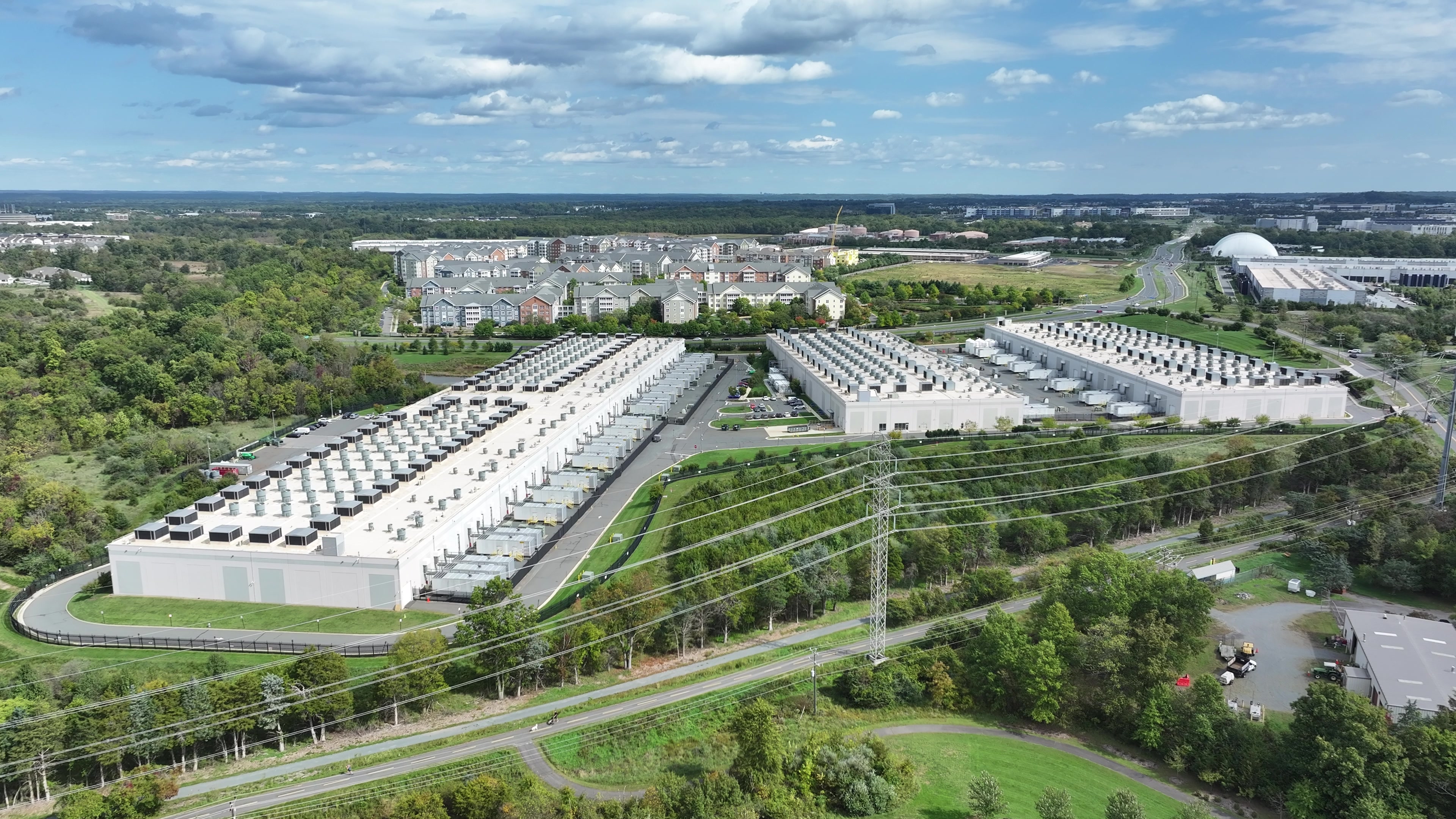
To see the scale of it, look at Loudoun County, Virginia, where data centers have become a defining local land use and a magnet for national attention.
The constitutional question beneath the headlines is older than the server racks. It is federalism: which level of government gets to decide what can be built, where, and under what conditions.
Join the Discussion
The default rule: land use is local
If you are looking for the one clause in the Constitution that says “counties control zoning,” you will not find it. Zoning exists because states have what lawyers call the “police power,” meaning broad authority to regulate for health, safety, and welfare. States then delegate pieces of that power to cities and counties through state constitutions, statutes, and local charters.
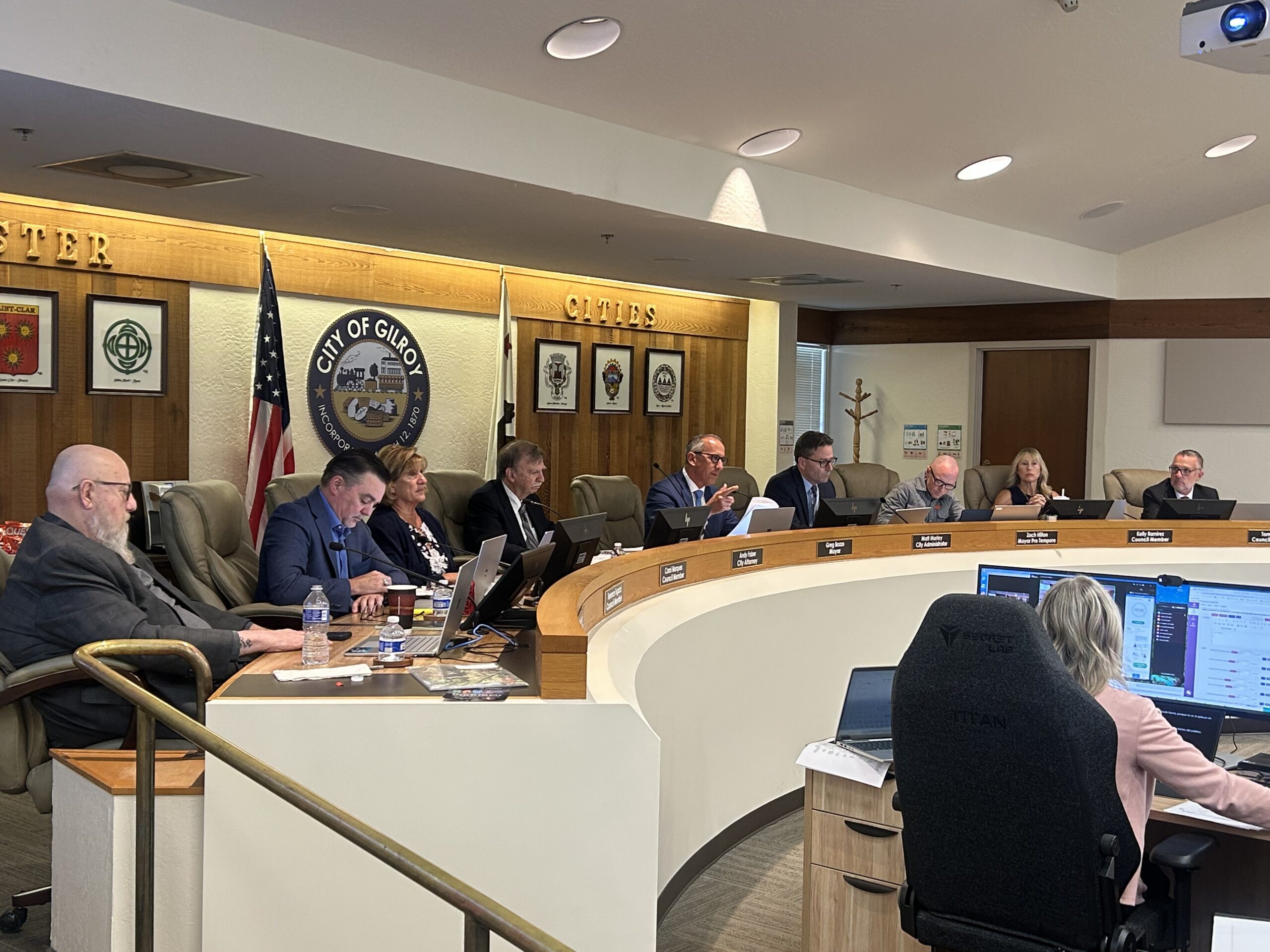
That is why the first real decision about a new data center usually happens at a local meeting: a planning commission, zoning board, or county supervisors vote on rezoning, a conditional use permit, setbacks, height, noise limits, traffic plans, and environmental conditions. If the community says no, the developer cannot just point to a federal permit and pour concrete.
What local governments typically control
- Zoning districts (industrial, commercial, mixed use) and whether a data center is allowed by right or only by permit
- Site plan review, including buffering, landscaping, lighting, and stormwater management
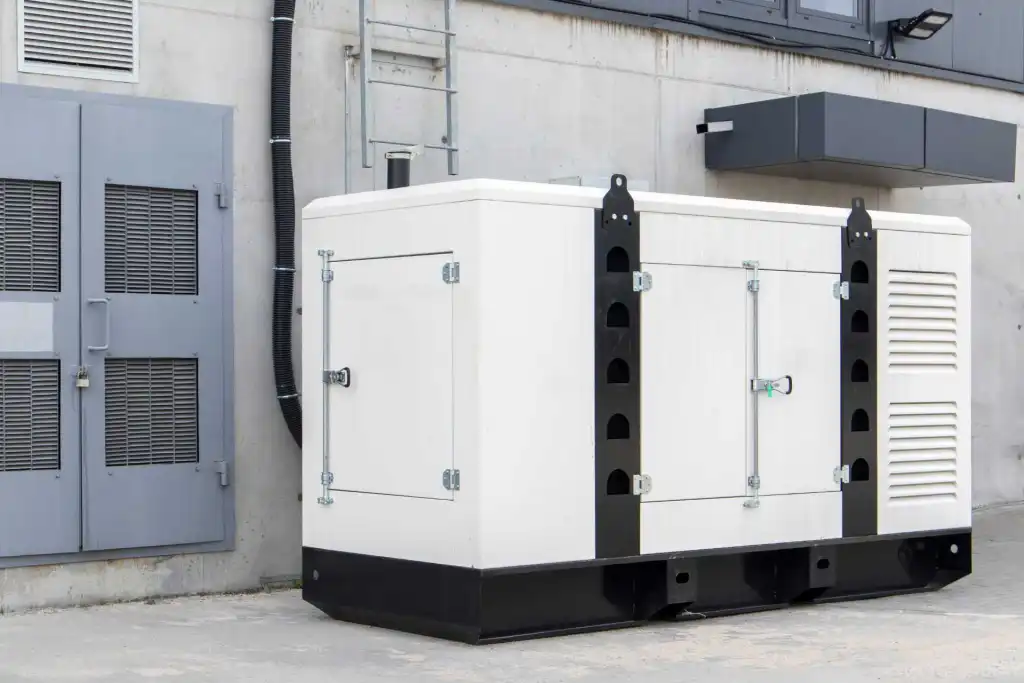
- Noise and nuisance rules for generator testing and cooling systems
- Road access and traffic impacts
- Local building permits and fire code enforcement (often under state standards, but administered locally)
This local control is the practical meaning of federalism for most Americans. It is the part you can attend, speak at, and vote on.
But local control has limits
There is a catch that frustrates nearly every side in these disputes: local governments are usually not sovereign. In most states, cities and counties are creatures of state law. That means state legislatures can expand local authority, narrow it, or take it away entirely.
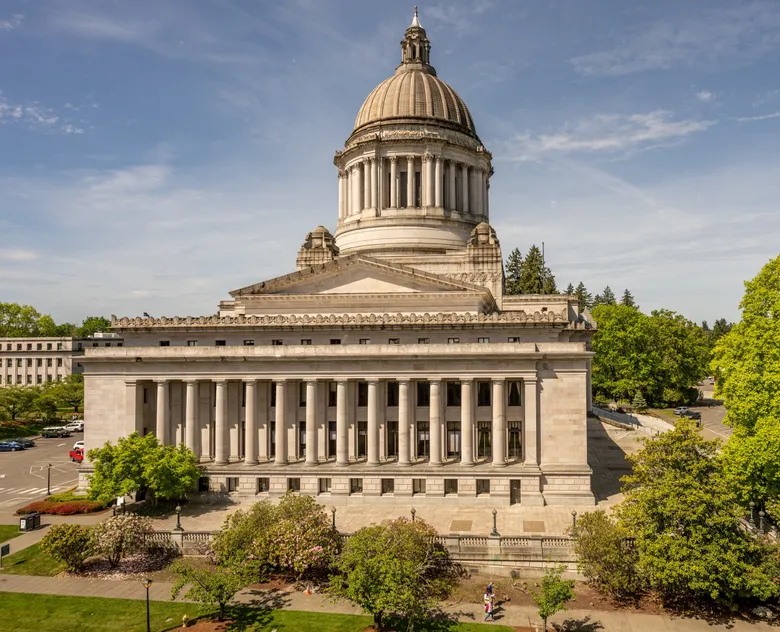
This is the part of the argument that often gets missed in the Washington-versus-local framing. Even if Congress does nothing, a state can decide that data centers are economically strategic and then preempt local zoning rules. Or it can do the opposite and require stricter statewide siting standards. In Albany, for example, the New York State Capitol is where lawmakers would write the kind of preemption or siting rules that can override county objections.
Common forms of state preemption in infrastructure fights
- Statewide siting boards that can approve large energy or utility projects over local objections
- Limits on local conditions (for example, capping noise restrictions or narrowing the grounds for denial)
- Fast-track permitting for projects meeting state-defined criteria
- Tax and incentive packages that steer projects into certain jurisdictions, sometimes tying local hands
Constitutionally, this is still federalism, just not the Washington part. It is the vertical relationship between state governments and their subdivisions. If your county says no and your state says yes, the state usually wins unless the state constitution gives the locality special “home rule” protections.
What the federal government can do
Washington does not run zoning boards. But the federal government is not powerless, either. It can influence data centers through three main pathways: spending, regulation tied to enumerated powers, and preemption when Congress clearly chooses it.
1) Spending power: incentives with strings
Congress can attach conditions to federal funds. If a data center project depends on federal grants, federal loans, or federally backed transmission investments, Washington can shape outcomes indirectly by setting eligibility requirements.
This is a classic American move: not “you must,” but “if you want the money, here are the rules.”
2) Environmental review and permitting: the NEPA layer
The National Environmental Policy Act (NEPA) does not directly ban a project, but it can require environmental review when there is a major federal action involved, such as a federal permit, federal land use, or significant federal funding. That review can slow timelines and force alternatives and mitigations into the public record.
Separately, specific federal permits can become chokepoints. If a project impacts wetlands or navigable waters, for example, federal Clean Water Act permitting can matter. If it affects endangered species habitat, federal wildlife law can matter. None of this is “zoning,” but it can function like leverage.
3) Commerce and national security: narrow, but real
Data centers sit at the intersection of interstate commerce, communications networks, and sometimes defense contracting. Congress has substantial authority to regulate interstate commerce, but that does not automatically translate into authority to pick a specific parcel of land in a specific county.
Still, federal authority becomes more plausible when the question is not “where should this building go,” but “what standards must this industry meet.” Cybersecurity rules for federal contractors, grid reliability requirements, or reporting obligations for critical infrastructure are the kinds of measures that fit more naturally within federal power.
The Commerce Clause in plain English
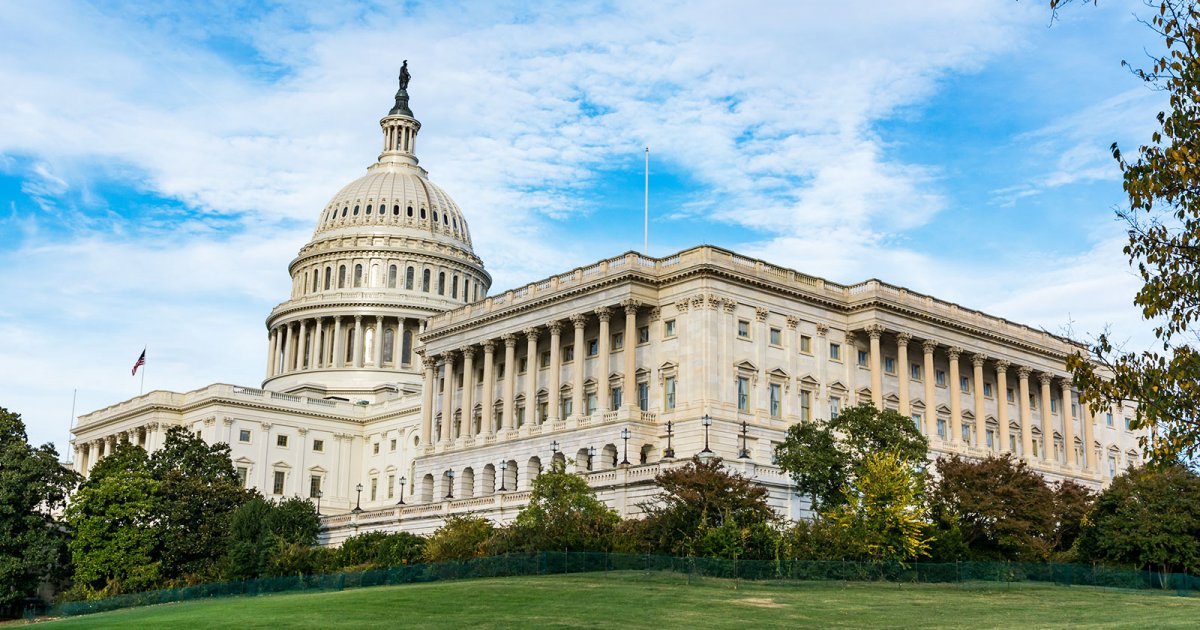
People reach for the Commerce Clause whenever a modern problem feels too big for local government. In the United States Capitol, that instinct shows up whenever Congress tries to turn a sprawling national need into a workable set of federal rules.
And it is true that the Commerce Clause is one of the Constitution’s main engines of federal power.
But there is a difference between regulating an interstate market and commandeering local land use.
What Congress can usually do
- Set nationwide standards for industries that operate across state lines
- Regulate channels and instrumentalities of interstate commerce (highways, rail, communications networks)
- Regulate economic activities that substantially affect interstate commerce
What is harder to justify
- Forcing a county to rezone a particular neighborhood solely because a facility would have national economic benefits
- Turning ordinary local permitting into a federal approval process without a clear constitutional hook
The Supreme Court’s modern Commerce Clause cases draw a line between regulating economic activity and using commerce as a general police power. The basic idea is this: the federal government is powerful, but it is not supposed to be the government of everything.
Could Congress preempt local zoning?
In theory, yes, Congress can preempt state and local law when it is acting within its enumerated powers and it makes its intention to preempt clear. Preemption is not rare. It is how federal aviation law can limit local interference with airports, or how certain telecommunications rules can override some municipal barriers.
But a sweeping federal “data centers go wherever the industry wants” law would be politically explosive and legally contested. Courts would ask: what is the constitutional basis, and how direct is the link to interstate commerce or another enumerated power?
A narrower law is easier to defend. For example:
- Standards-based preemption, where Congress sets baseline rules (noise, emissions, cybersecurity, grid interconnection practices) while leaving siting largely local
- Corridor-based rules, tied to interstate transmission projects or federally controlled rights-of-way
- Defense-linked siting authority, where facilities are integral to federal operations or contracts
So the honest answer is not “Washington can’t” or “Washington can.” It is: Washington can do some things, but the more it looks like pure land-use control, the more it runs into constitutional and political resistance.
Why communities push back
Local backlash is not only about aesthetics. Data centers can change daily life in concrete ways.
- Noise from cooling systems and backup generator testing
- Water use for cooling in regions already facing scarcity
- Electric grid strain, with new substations, transmission lines, and reliability concerns
- Land conversion and loss of rural character
- Traffic and construction impacts, especially during buildout
- Tax tradeoffs, where revenue benefits exist but jobs may be fewer than residents expect once built
Those are classic “police power” topics: health, safety, welfare, and quality of life. Which is why the fight so often lands where the police power lives: local government, under state law.
The balance in one picture
If you want a simple mental map, try this:
- Local governments decide land use unless state law says otherwise.
- States can centralize or decentralize that authority and can set statewide standards.
- The federal government can regulate markets, environmental impacts, and national infrastructure within enumerated powers, and can sometimes preempt, but it does not automatically become a national zoning board.
That layered system is not a bug. It is the design choice the Framers made when they split sovereignty. It produces conflict, delay, and overlapping rules. It also produces accountability at multiple levels, which is why the venue of the fight matters as much as the outcome.
FAQ
Who regulates data centers in the United States?
Data centers are regulated by a mix of local zoning and permitting, state utility and environmental rules, and federal requirements that apply when there is a federal permit, federal funding, or federal regulation of related markets like communications, energy reliability, or contracting.
Can the federal government stop a data center from being built?
Sometimes. If the project requires a federal permit or triggers federal environmental review, federal agencies can delay, condition, or in some cases deny permits. But absent a federal hook, local and state decisions typically control siting.
Do local governments control zoning for data centers?
Usually, yes. Cities and counties administer zoning and land-use approvals. But state legislatures can preempt or reshape local authority, depending on state law and the state constitution.
Is there a constitutional right to local control over zoning?
No. Local authority exists because states grant it. Federalism protects state sovereignty from certain federal intrusions, but it does not constitutionalize county zoning power against the state.