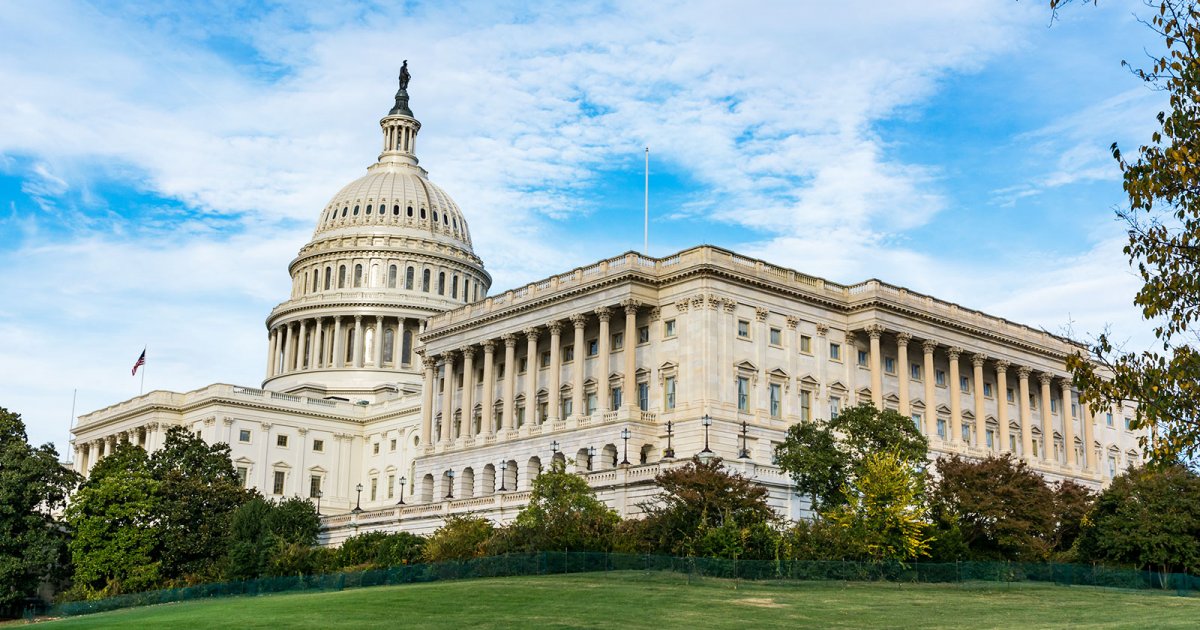
When federal judges block federal workforce plans at agencies like FEMA, the headlines are easy to misunderstand. It can sound like a court just “stopped cuts” or “saved the agency.” What is usually happening is narrower and more constitutional: a judge is policing who has legal authority to make staffing decisions, how those decisions must be carried out, and where the executive branch runs into statutory limits written by Congress.
That constitutional framing is the durable part. Even if you are reading this because of a particular lawsuit, the same set of questions tends to decide the outcome: what statute grants what power, what procedures were required, and what money Congress appropriated for the job.
Join the Discussion
Case basics
When a court blocks a workforce plan at an agency like FEMA, the underlying dispute usually fits one (or more) familiar patterns.
- Authority fights: A department-level official inside DHS issues a directive that reallocates personnel authority or imposes a workforce target, and plaintiffs argue the official lacks statutory power to do it.
- Procedure fights: The government attempts a reorganization, hiring freeze, or reduction in force without following required civil service steps, notice requirements, or bargaining obligations.
- Funding and purpose fights: Plaintiffs argue the action conflicts with appropriations limits, violates specific statutory duties, or undermines congressionally mandated programs.
Those categories matter because they point to what a judge is likely to focus on: the statute, the process, and the money.
What a judge blocks
Federal judges do not run agencies. They generally do not set an agency’s ideal staffing level or decide how many disaster staff the country should have. What they can do is stop the government from carrying out an action that violates the law.
In practice, an injunction in a federal workforce dispute is typically aimed at one or more concrete moves, such as:
- Enjoining a directive that reallocates hiring or firing authority inside a department.
- Freezing implementation of a reduction in force plan until required steps are followed.
- Blocking separations such as terminations, forced reassignments, or abolishment of positions pending further litigation.
The most important detail is the order’s scope. Does it bar any staffing reductions at all, or only reductions carried out under a particular directive, memo, or delegated authority? Does it apply nationwide or only to certain plaintiffs? Those details determine what changes are legally off limits tomorrow morning.
Key terms
- Reduction in force (RIF): A formal civil service process for downsizing, with retention rules, notice requirements, and appeal rights.
- Temporary restraining order (TRO): A short-term order, often issued quickly, to prevent immediate harm while the court considers next steps.
- Preliminary injunction: A longer interim order that typically follows more briefing and is meant to preserve the status quo during the case.
- Apportionment: A budget execution tool through which OMB divides appropriated funds by time period or activity. It can constrain how quickly money may be obligated, which can indirectly constrain hiring, but it does not itself set a staffing number.
- Vacatur and remand: A common remedy in Administrative Procedure Act (APA) cases in district court, where the court sets aside an unlawful agency action and sends it back for further proceedings. Not every workforce dispute is an APA case, and some proceed through civil service channels instead.
Can a president cut FEMA staff
The president sits at the top of the executive branch, but that does not mean a president can personally dial federal headcount up or down like a thermostat.
The short legal answer
- The president can propose reductions and set priorities through DHS leadership and the budget process.
- The president cannot ignore statutes that assign authority to specific officials, protect certain personnel actions, or require procedures.
- Congress controls funding, and appropriations levels often determine real-world capacity.
The structure underneath it
Article II requires the president to take care that the laws be faithfully executed. That is not only a grant of power. It is also a limitation. If Congress structured internal authority by statute, the executive branch has to execute that structure, not revise it by internal memo.
Who controls FEMA staffing
In everyday conversation, people ask who controls FEMA as if there is one lever. In reality, staffing control is split across several legal layers.
1) Congress
Congress creates and shapes agencies by statute, funds them through appropriations, and can attach conditions to how money is used. Under the Appropriations Clause, agencies cannot spend money Congress has not appropriated, and they generally cannot repurpose money in ways Congress has forbidden.
Congress can also decide where authority sits inside an agency, including who has the final say on certain personnel actions. When a court says an executive official exceeded authority, it is often enforcing that legislative blueprint.
2) DHS and FEMA
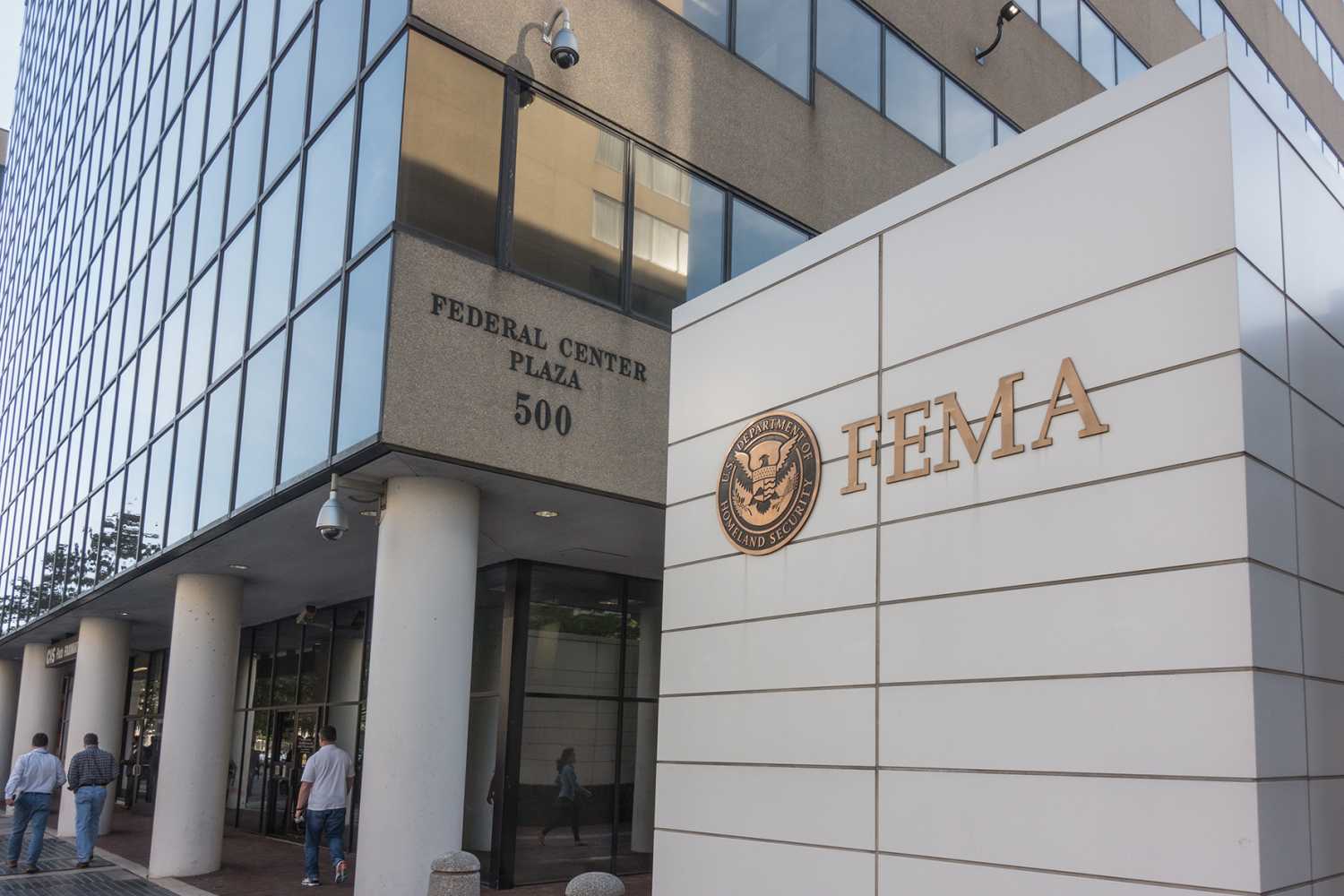
FEMA is housed within DHS. That gives DHS leadership real supervisory power. But within is not the same as interchangeable. If Congress assigned specific authority to FEMA’s Administrator, DHS cannot lawfully absorb that authority unless a statute permits it.
3) OMB, OPM, and civil service guardrails
Even when Congress does not write an explicit staffing number into law, federal headcount is constrained in practice through budget execution and personnel systems. OMB can shape agency capacity through apportionment and related controls on when funds may be obligated. Agencies often experience this as a hiring constraint when budget execution decisions limit available salary dollars within a given period.
The Office of Personnel Management (OPM), federal employment statutes, and OPM regulations provide the rules for hiring, discipline, and reductions in force.
Large-scale workforce cuts are rarely just a management preference. They are also a personnel law event, often with mandatory steps and protections.
4) Unions and bargaining duties
For many federal workplaces, workforce changes can trigger duties under the Federal Service Labor-Management Relations Statute, including notice and bargaining over procedures and appropriate arrangements. The details depend on management-rights rules, negotiability doctrine, and the nature of the change, so bargaining is not automatic in every scenario. But when large changes roll out quickly, these obligations often become part of the legal landscape.
Why it becomes separation of powers
Separation of powers is not only Congress versus the president. It is also Congress versus executive branch improvisation inside statutory boundaries.
When Congress builds an agency, it does not only fund an outcome. It often funds a structure: specific offices, lines of authority, and duties that limit how power can be consolidated.
If a court concludes that DHS reassigned or overrode personnel authority that Congress placed elsewhere, the principle at stake is simple: the executive branch must execute the law as written. It cannot edit Congress’s organizational chart by treating statutory boundaries as optional.

Where these cases are filed
One reason workforce litigation can feel confusing is that it is not always an APA case in district court. Depending on who is suing and what is being challenged, disputes may run through different pathways.
- District court (often APA or statutory claims): Plaintiffs may seek to set aside a directive or reorganization as beyond statutory authority or contrary to law.
- Civil service channels (often CSRA-based): Individual adverse actions can be routed through systems that include the MSPB and judicial review rules.
- Labor routes (FLRA and arbitration): Union disputes about bargaining duties and unfair labor practices often proceed through the FLRA framework.
Which pathway applies can shape everything that follows, including the available remedies and whether broad, program-level relief is even on the menu.
What courts can and cannot do
What the court can do
- Enjoin unlawful actions, including directives that exceed statutory authority.
- Set aside an agency action that is contrary to law or adopted using an unlawful process. In APA challenges, this often takes the form of vacatur and remand.
- Order remedies that flow from the legal violation, which can include reinstatement or back pay in some contexts and in the right forum.
- Require compliance with governing statutes, civil service rules, and in appropriate cases, labor bargaining obligations.
What the court cannot do
- Manage FEMA day to day or write disaster response policy as an administrator.
- Appropriate money to replace staff. Only Congress can do that.
- Guarantee outcomes in emergencies. Courts police legality, not competence.
The key point is that courts are not taking control of FEMA by blocking a workforce plan. They are enforcing the idea that even urgent executive priorities have to travel through lawful channels.
Why it matters for disasters
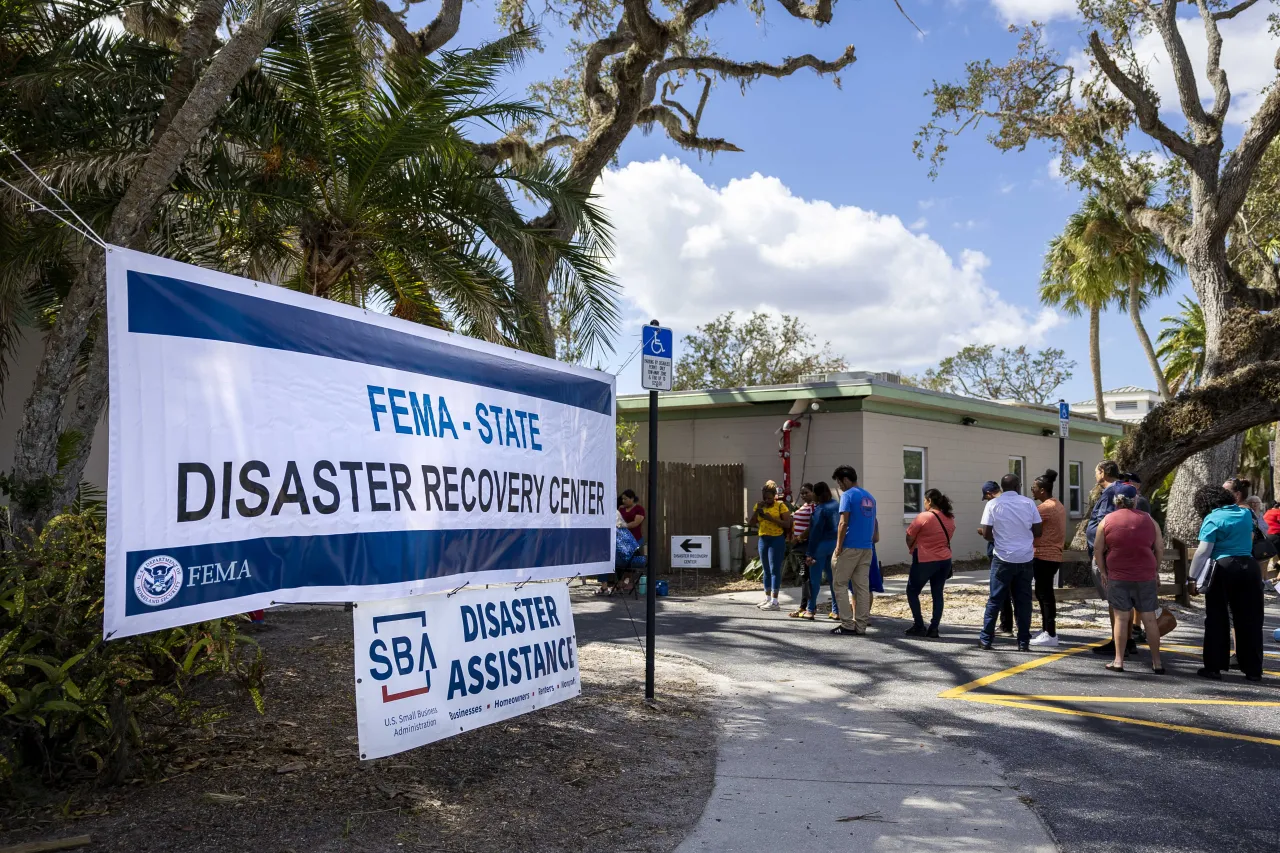
FEMA is not simply a pile of paper. Staffing is operational capacity. Fewer people can mean slower grant processing, fewer deployable incident management teams, weaker logistics coordination, and a thinner presence in state and local recovery work.
It also matters which workforce is being discussed. FEMA’s capacity is spread across different categories, and a major reduction can mean very different operational realities depending on whether it targets core staff, reservists, or short-term disaster hires, and whether it happens through a reduction in force, a hiring freeze, or attrition.
Legally, the durable point is not that disaster readiness can never be reshaped. It is that it cannot be reshaped by the wrong official using the wrong authority. Lawful routes generally look like these:
- A lawful RIF: A reduction in force under the civil service framework, including notice, competitive areas, retention rules, and appeal rights, and applicable OPM regulations.
- Budget-driven constraints: Congress changes funding or attaches conditions, and the executive executes those limits through OMB controls and agency budget management.
- Lawful internal reorganization: DHS issues directives within its statutory authority, but cannot override powers Congress assigned to FEMA leadership if the statute does not allow that shift.
An injunction does not lock FEMA’s workforce at today’s level forever. It insists that changes must be made by the actors who legally hold the authority to make them, using the procedures the law requires.
What happens next
In workforce injunction cases, the next steps are predictable even when the politics are not.
- Appeal: The government can appeal. Appellate courts may narrow, affirm, or reverse.
- Redo the plan: Agencies sometimes respond with a revised approach that stays within the court’s reading of the statute and follows required procedures.
- Congressional response: Congress can clarify authority or attach new conditions in appropriations bills. When statutory language is the battlefield, Congress can redraw the map.
FAQ
Does the president control FEMA
The president leads the executive branch and can direct broad policy, but FEMA is governed by statutes passed by Congress. Presidential control runs through lawful authority, appropriations, and personnel rules, not pure command.
Can DHS cut FEMA’s workforce
DHS has supervisory authority over components within the department. But if Congress assigned particular staffing authority to FEMA leadership, DHS cannot lawfully take that authority unless the law allows it. In many disputes of this kind, the fight turns on the text of the governing statutes for DHS and FEMA, the civil service framework, and the limits Congress writes into appropriations.
Why would a judge call it unlawful instead of unwise
Federal courts decide legality, not wisdom. Unlawful generally means the action exceeded statutory authority, violated required procedures, conflicted with binding personnel laws, or in an appropriate case, failed to satisfy bargaining duties.
Could Congress require FEMA to keep a certain staffing level
Congress can shape staffing through appropriations and statutory design, including conditions and limits. The executive branch would still implement those choices through the civil service framework.
The takeaway
FEMA is inside the executive branch, but it is not owned by any one administration. It is a creature of law, funded by Congress, and constrained by rules that make mass staffing changes more legally demanding than a headline suggests.
When a judge blocks a workforce plan, the point is not to freeze government in place. The point is to enforce the basic separation of powers deal: Congress writes the agency’s rules, the executive executes them, and courts stop the executive when it tries to execute a different set of rules.