
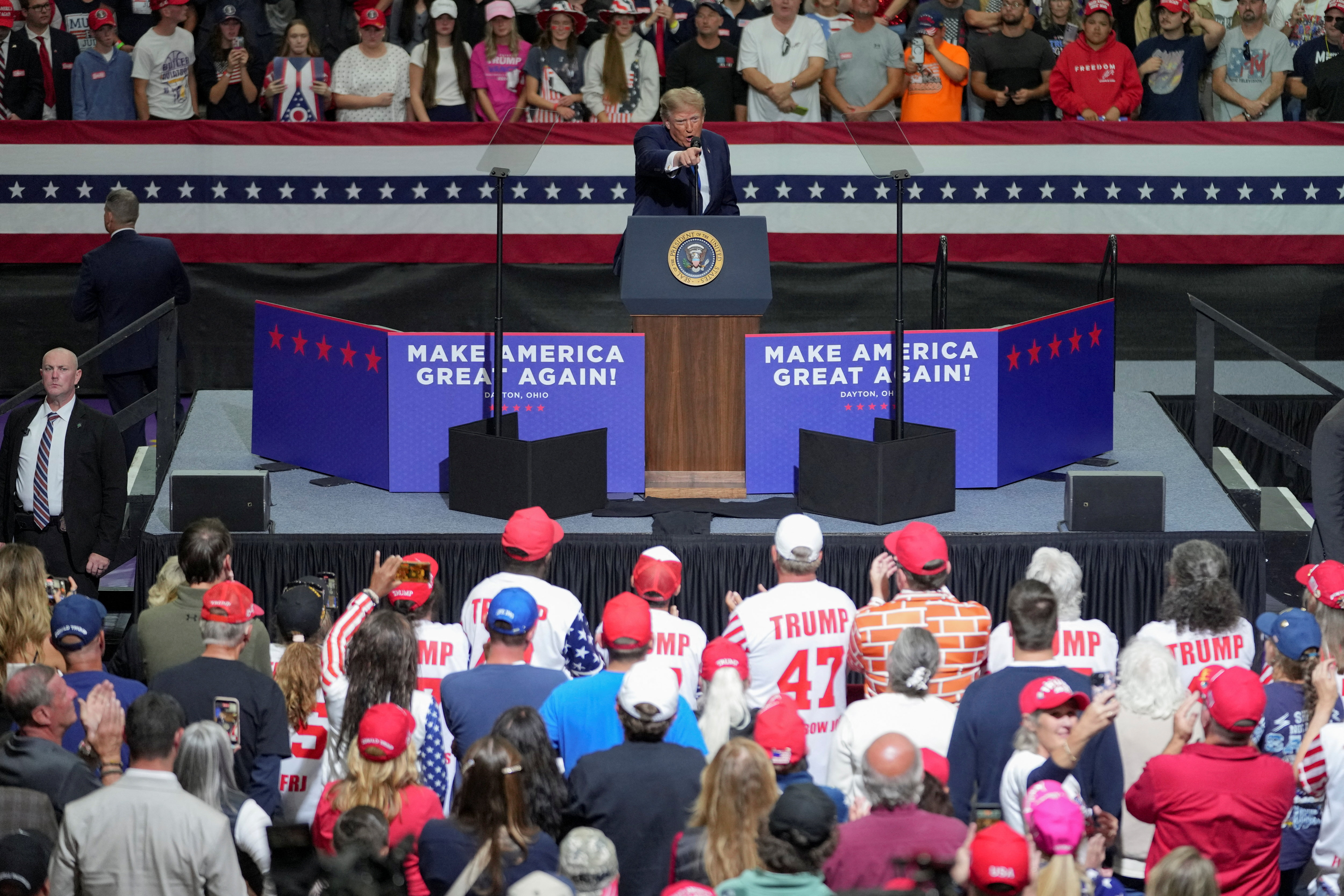
Campaign rallies are supposed to be about persuasion. Bring the base, broaden the coalition, remind voters what you stand for, and leave the local candidate with a few usable clips.
Donald Trump’s stop in Ohio, as he rallied for Republicans, also carried a sharper edge: a warning about what could happen next if Democrats win.
And he added a second hook that was built for replay, saying the midterms would bring a “big surprise.”
Join the Discussion
What he said in Ohio
At the Ohio rally, Trump delivered a crude speech and urged voters toward Republican midterm wins.
He also floated a conditional note about his role after Election Day, suggesting he may not help if Democrats win.
Separately, he said the midterms would bring a “big surprise.”
What those lines can mean
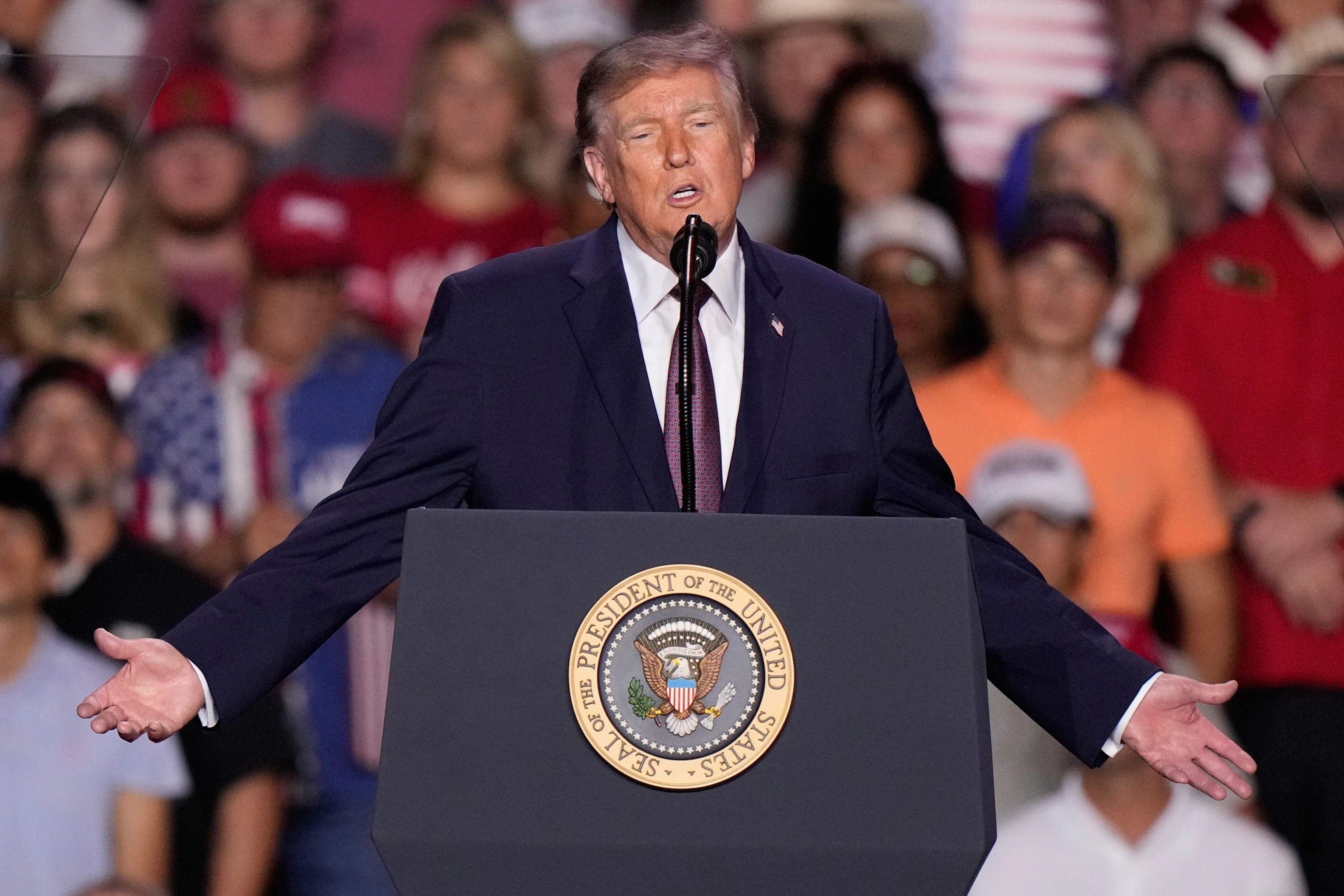
Even without details attached, those two lines do real work.
The first is a kind of boundary-setting. It frames Trump’s future involvement as something that might depend on the outcome, rather than something Republicans can automatically count on.
The second, the promise of a “big surprise,” is vaguer by design. It keeps attention on the contest while leaving room for supporters to project their own expectations onto what comes next.
Why the framing matters
Midterms are usually sold as a simple choice: check the party in power, or give it more room to run.
Trump’s Ohio message, as described in the headlines, puts a different emphasis on the table. It links the election not only to control of government, but to what kind of support Republicans can expect from their most prominent figure.
That shift matters because it subtly changes what is being asked of voters. It is not just about winning. It is also about what winning, or losing, signals about who holds influence inside the party.
A constitutional sidebar
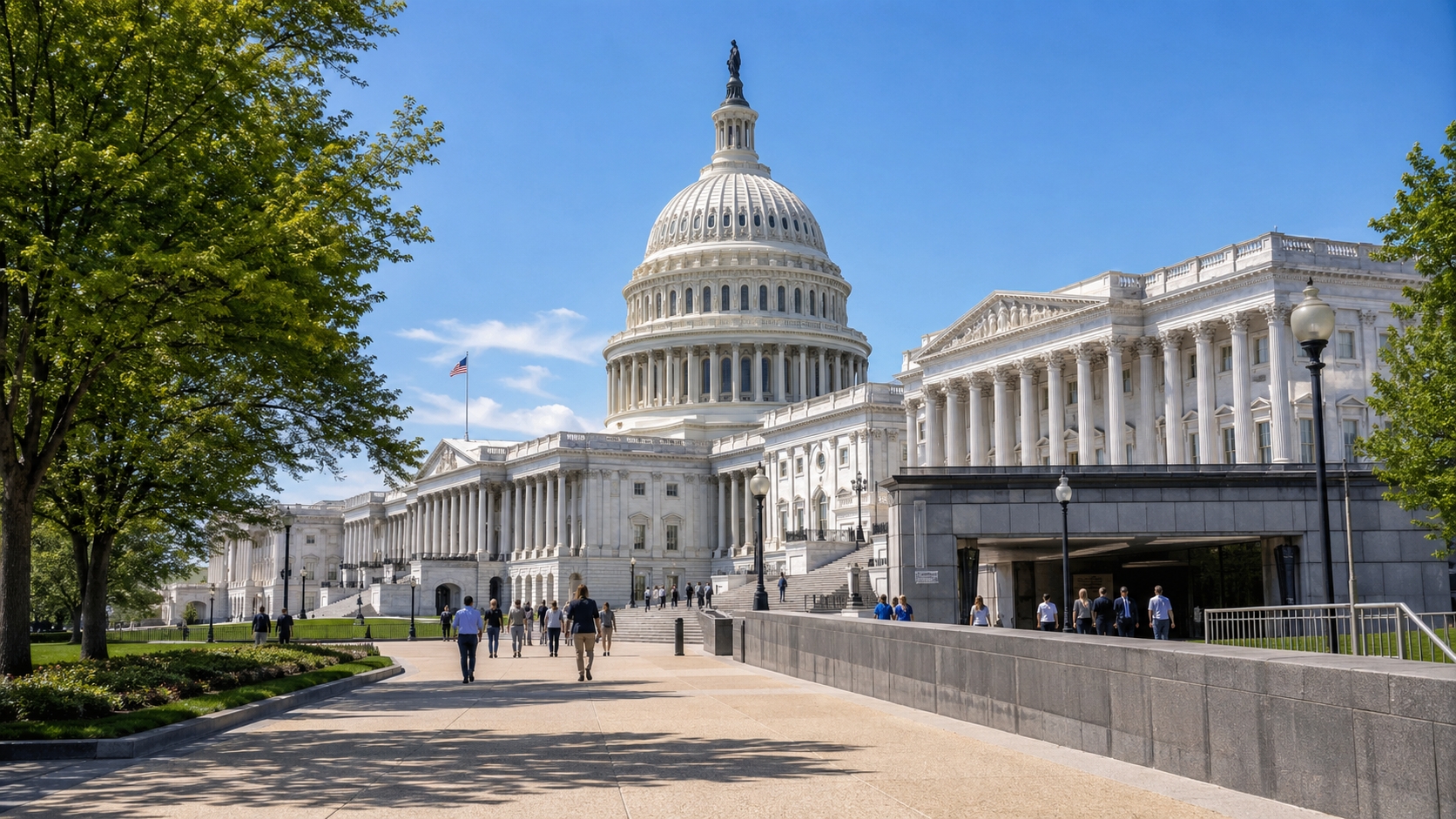
The Constitution never mentions political parties, yet parties shape modern elections and governing in practice. They recruit candidates, raise money, coordinate messaging, and decide who gets institutional support.
That makes the boundary between formal power and informal influence especially important. Candidates and officeholders operate within constitutional rules. Party leaders and political figures outside office operate through incentives: endorsements, fundraising, and time on the stump.
Trump’s suggestion that he may not help if Democrats win is, at minimum, a reminder of how much political leverage can live outside any official role.
What to watch next
The Ohio rally set out two signals that are easy to track in the days ahead.
- Does Trump keep repeating the idea that he may not help if Democrats win, or does it stay a one-off line?
- Does he give any specifics about what a “big surprise” means, or does he leave it as a general promise?
- Do other Republicans adopt the same conditional framing, or do they stick to a more standard midterm pitch?
Either way, the Ohio stop made clear that this was not only a cheerleading appearance. It was also a statement about expectations, and about what support might look like after the votes are counted.