
The Department of Justice has now put it in writing to Congress: it is not appealing the decision in Silencer Shop Foundation v. ATF. That single choice, not a new statute and not a Supreme Court opinion, is what gives this moment its political punch. A ruling that was headed toward the usual appellate tunnel is, at least for now, being left in place.
It also adds a crucial detail about who drove the decision. President Trump ordered DOJ not to appeal the ruling against suppressor registration.
Join the Discussion
What DOJ told Congress
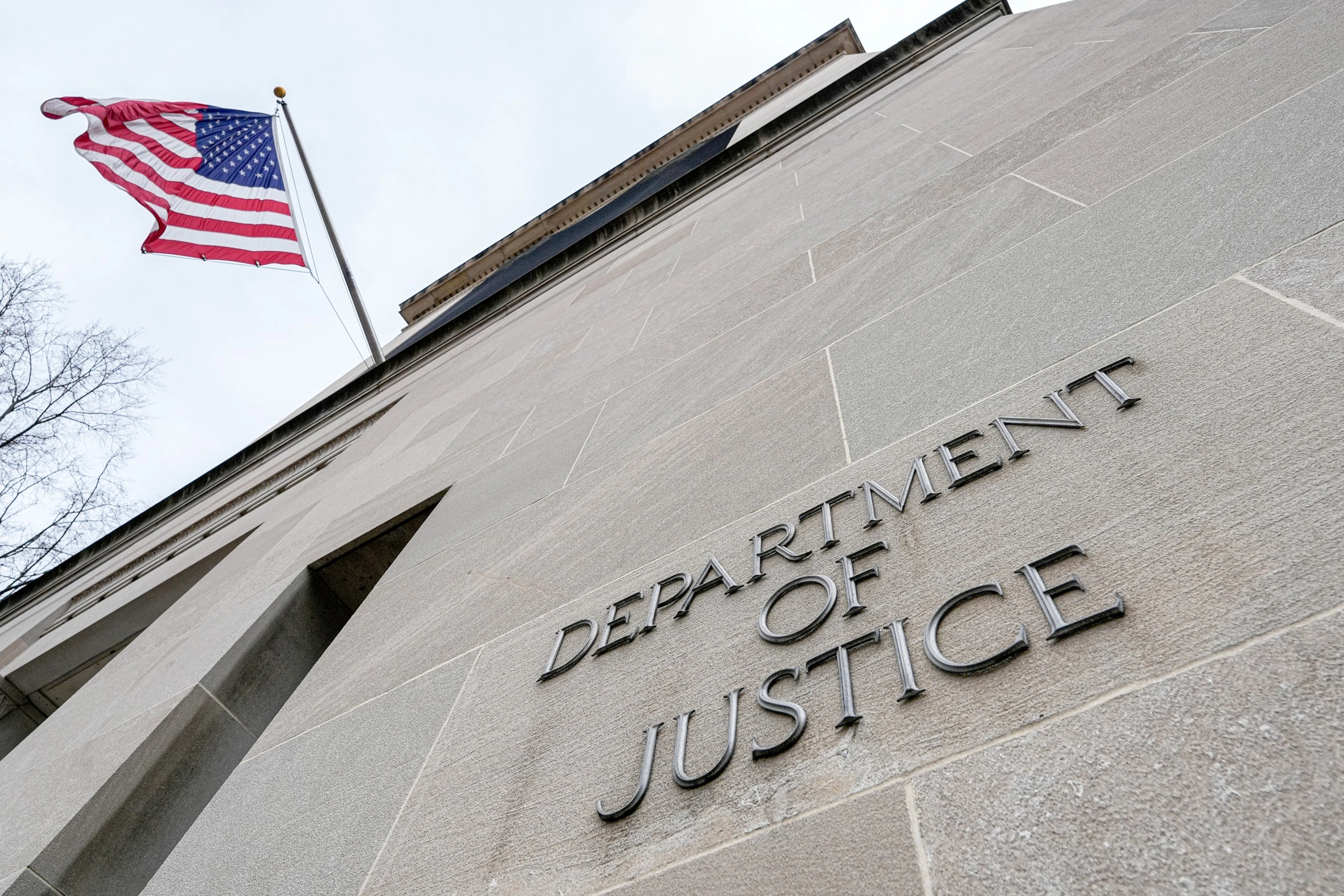
Solicitor General D. John Sauer sent a letter to Congress stating, “...I write to inform you that the Department of Justice has determined not to file an appeal in [ Silencer Shop Foundation v. ATF ].
”
Appeals are how the executive branch typically tries to contain a district court loss. Choosing not to appeal is a decision to live with the consequences of the ruling as it stands.
The ruling DOJ is letting stand

On August 5, 2026, U.S. District Judge James Wesley Hendrix of the Northern District of Texas ruled that National Firearms Act registration requirements for suppressors and short-barreled rifles and shotguns are unconstitutional in the absence of a tax.
The lawsuit traces back to October 2025, after President Trump’s One Big Beautiful Bill removed the $200 federal tax from suppressors and short-barreled rifles and shotguns while leaving National Firearms Act registration requirements in place.
Who the order covers
Judge Hendrix’s ruling also included a second, consolidated case. Together, the cases involved a number of Second Amendment rights groups. The ruling against registration applies to current and future members of those groups.
The takeaway
With the letter from Sauer, DOJ has made clear it will not challenge the decision in the next court up. That keeps Judge Hendrix’s ruling in place for the members covered by the cases, in the no-tax posture at the center of the dispute.