
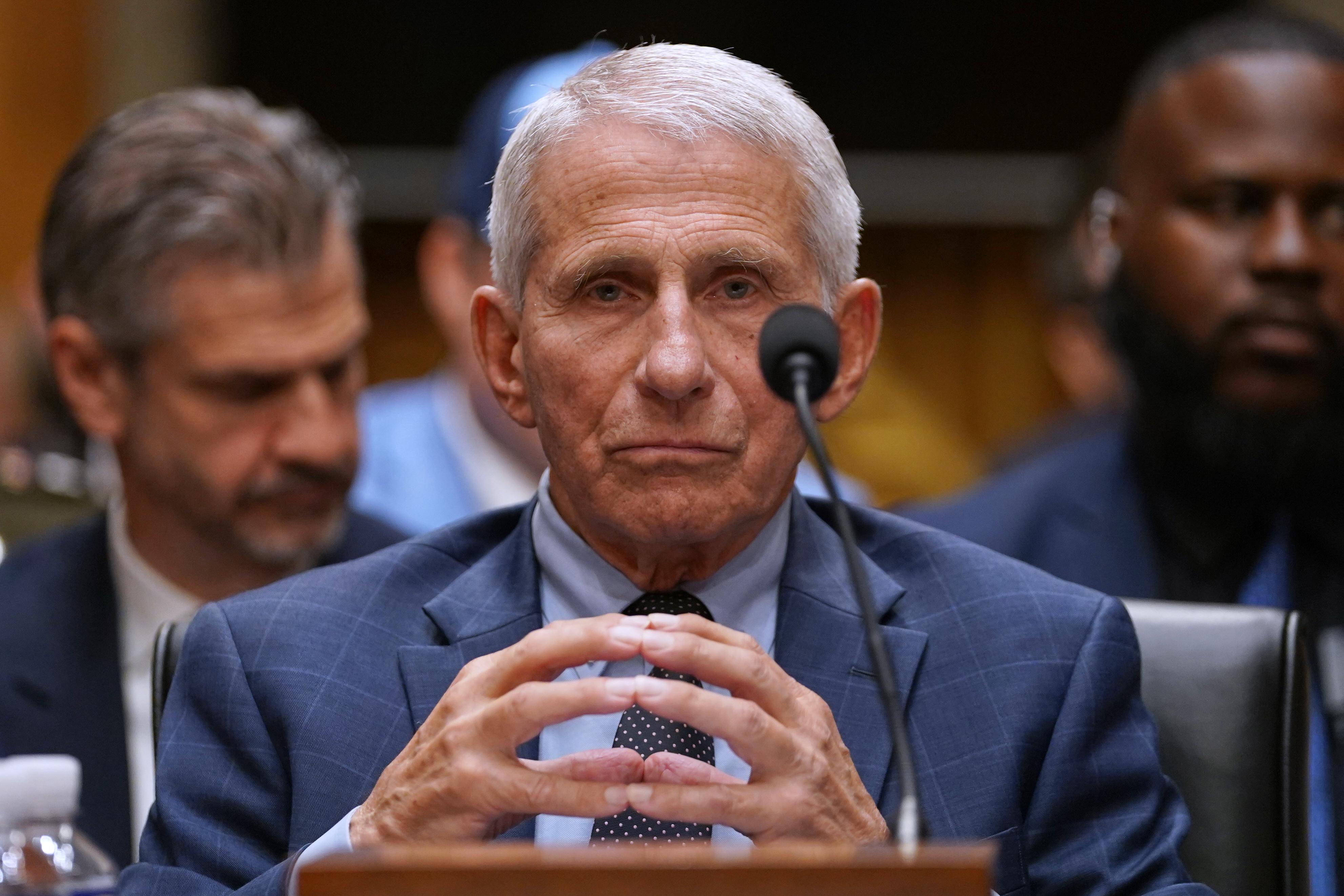
When Dr. Anthony Fauci appeared before a Senate committee on July 29, 2026, he declined to answer questions by invoking the Fifth Amendment. The flashpoint was not just political. It was constitutional: can someone still “plead the Fifth” after receiving a presidential pardon?
This question matters beyond any single witness. It goes to the heart of three overlapping powers and protections: the Fifth Amendment privilege against self-incrimination, Congress’s authority to conduct oversight, and the legal tool that often bridges the gap between them, immunity.
Join the Discussion
The rule behind “pleading the Fifth”
The relevant Fifth Amendment protection is the right not to be “compelled in any criminal case to be a witness against himself.” In plain terms, if answering a question could reasonably expose you to criminal jeopardy, you can refuse to answer.
Two points are easy to lose in the noise:
- Invoking the Fifth is not an admission of guilt. It is a procedural shield, and our legal system presumes innocence.
- The risk does not have to be a guaranteed indictment. The privilege applies when an answer could be directly incriminating or could help lead investigators to incriminating evidence.
Why Biden issued a preemptive pardon
Fauci received a preemptive presidential pardon in January 2025 after Republicans repeatedly threatened to prosecute or punish him for his work as a public health official, including his role in the federal government’s COVID-19 response.
That backstory matters because it shapes the fight over what, exactly, a witness can still fear once the pardon is on the table.
What Fauci’s pardon covered
The key detail is scope. The pardon was broad, but not timeless. The text granted Fauci a “FULL AND UNCONDITIONAL PARDON” for federal offenses he “may have committed or taken part in” during the period from January 1, 2014, through January 19, 2025, as long as the conduct was tied to his federal public health roles, including COVID-19 response work.
A pardon like this is powerful protection against future federal prosecution for covered conduct. But it still leaves room for arguments about what risks remain once a witness starts testifying under oath in 2026.
Why some say a pardon ends the privilege
The basic logic is straightforward: if you cannot be prosecuted for the conduct you are being asked about, you cannot incriminate yourself by talking about it.
This argument has real legal roots. In Brown v. Walker (1896), the Supreme Court held that when a witness receives immunity that is coextensive with the Fifth Amendment privilege, the government can compel testimony. The idea is practical: the Fifth Amendment protects against compelled self-incrimination, not against compelled testimony in the abstract.
So if a pardon functions like immunity for the relevant federal crimes, the claim is that the constitutional “danger” disappears, and so does the right to refuse.
Why a pardon does not erase every risk
The key point is that testimony can create new exposure separate from the underlying conduct that was pardoned.
Even if Fauci is insulated from federal prosecution for covered acts between 2014 and Jan. 19, 2025, a Senate hearing in 2026 is a new event. It introduces at least two obvious categories of risk:
- Perjury exposure. If a witness knowingly makes a materially false statement under oath, that can be prosecuted as perjury. A pardon for past conduct does not cover lying later.
- Conduct outside the pardon’s window. The dates matter. If questioning reaches beyond Jan. 19, 2025, the witness may argue the privilege still applies to answers that could implicate post-pardon conduct.
This is not just an abstract concern. In July 2026, Rep. Jim Jordan referred special prosecutor Jack Smith to the Justice Department over allegations that Smith made “willfully and intentionally false statements” during congressional testimony. Against that backdrop, and after repeated threats to prosecute him, Fauci and his lawyers argued he had reason to fear that any disputed answer could be repackaged as a perjury allegation.
Fauci put the institutional concern plainly in his opening statement: “It pains me to do so because of the respect I have for the legislative branch of government and my decades-long record of cooperating with Congress.”
How Congress can compel answers: immunity
This is where the Constitution meets day-to-day governance. Congress investigates, but it cannot simply wish away the Fifth Amendment. When a witness validly invokes the privilege, Congress has a choice: accept the refusal, seek contempt remedies, or remove the self-incrimination risk by granting immunity.
There are two common immunity concepts to know:
- Use and derivative-use immunity. The witness can be compelled to testify, but prosecutors cannot use the testimony itself or evidence derived from it against the witness. In effect, it aims to put the witness in the same position as if they had stayed silent.
- Transactional immunity. This is broader protection, effectively foreclosing prosecution for offenses related to the subject matter. It goes beyond the Fifth Amendment minimum.
Immunity is the constitutional pressure valve that allows oversight to continue without forcing a witness to choose between self-incrimination and contempt.
If the Senate says: answer anyway
If a committee decides a witness improperly refused to answer, it can pursue contempt of Congress. The federal criminal contempt statute (2 U.S.C. § 192) makes it a misdemeanor for a summoned witness to willfully refuse to answer pertinent questions, with potential penalties including a fine and jail time.
In practice, contempt disputes tend to move through one of these routes:
- Criminal contempt referral. Congress can refer the matter to the Department of Justice for possible prosecution.
- Civil enforcement. Congress can go to court seeking an order compelling compliance.
- Inherent contempt. A rarely used historical power where Congress itself can detain and try a contemnor. It has not been used since the 1930s and is politically and procedurally difficult in modern times.
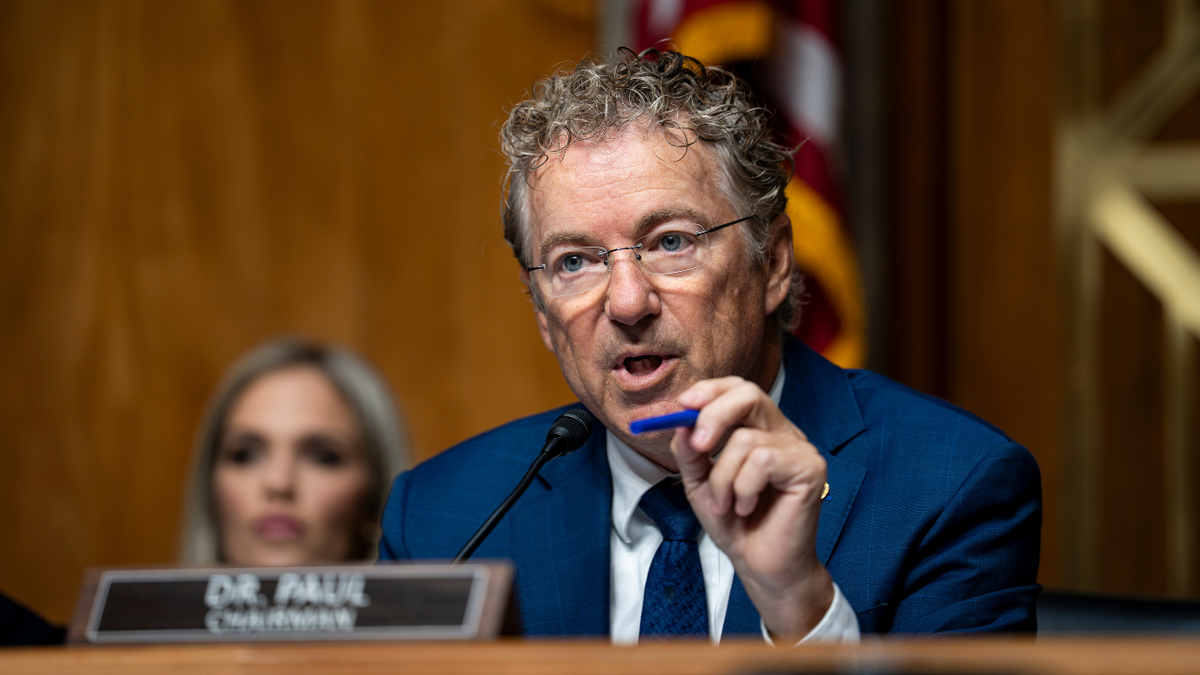
Sen. Rand Paul, who led the July 29 hearing, said he planned a committee vote in early August on whether to hold Fauci in contempt of Congress, and he has also discussed pursuing obstruction charges. If that path is pursued, the real battleground becomes whether Fauci’s Fifth Amendment claim was legally reasonable in light of the pardon’s limits and the perjury risk tied to testimony itself.
What this means for oversight
This dispute illustrates a tension built into our system. Congress has broad authority to investigate to inform legislation and oversee the executive branch. But the Bill of Rights places individual protections, including the Fifth Amendment, beyond easy reach even in high-profile hearings.
When pardons enter the picture, the analysis becomes more granular, not less. The right question is not “Is he pardoned?” It is:
- What exact conduct is covered?
- What exact conduct is being asked about?
- Does answering create a realistic pathway to new criminal allegations?
And that brings us to the bottom line. A pardon can dramatically reduce the need for Fifth Amendment protection, but it does not automatically eliminate it. If testimony itself could create fresh legal peril, a witness can still argue the privilege applies, and courts may ultimately be asked to draw the boundary.
Quick FAQ
Can a pardoned witness still plead the Fifth?
Sometimes. If the pardon fully removes the risk of prosecution for the subject matter and no other criminal exposure is reasonably on the table, the argument for compelling testimony is strong. But if answering could expose the witness to new crimes, such as perjury tied to the testimony itself, the privilege can still be asserted.
Does a presidential pardon cover state prosecutions?
No. A presidential pardon applies to federal offenses. That limitation can matter when assessing whether testimony could still be incriminating in another jurisdiction.
Can Congress force testimony by granting immunity?
Congress can use immunity mechanisms to reduce or eliminate Fifth Amendment concerns and then compel answers. The details of how immunity is conferred and how it binds prosecutors can become legally complex quickly.
Is there a simple true or false answer here?
Not really. The core dispute is an argument over constitutional interpretation and how the Fifth Amendment applies after a pardon. If the Senate escalates the matter, it would likely move to the Justice Department or to the courts.