
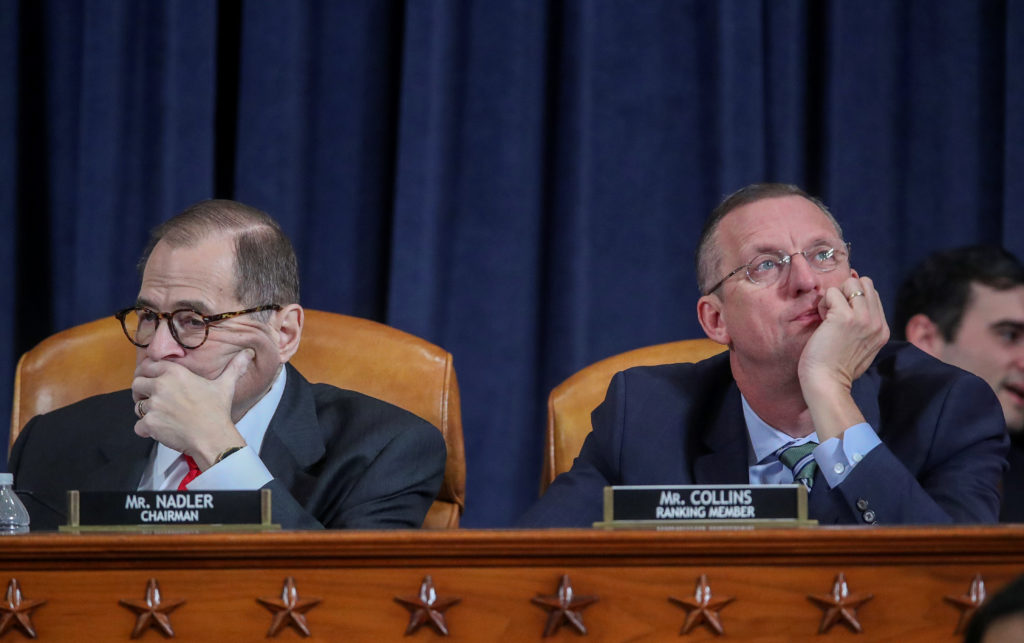
When members of Congress threaten subpoenas, it can sound like a simple question of muscle: Can Washington summon anyone, anywhere, and demand answers?
The Constitution’s real answer is both more powerful and more limited. Congress has broad investigative authority as an implied incident of Article I legislative power, including the ability to use subpoenas as a tool of lawmaking and oversight. But local prosecutors are not federal employees, charging decisions are traditionally insulated from political direction, and the Supreme Court has emphasized that congressional investigations must be tied to legislation, not exposure or punishment for its own sake (see, for example, McGrain v. Daugherty and Watkins v. United States).
So if the House Judiciary Committee were to subpoena a district attorney in a sanctuary jurisdiction, the question would not be “does Congress have subpoena power?” It would be “subpoena power for what legitimate legislative purpose, and with what limits?”
Join the Discussion
What “sanctuary” means
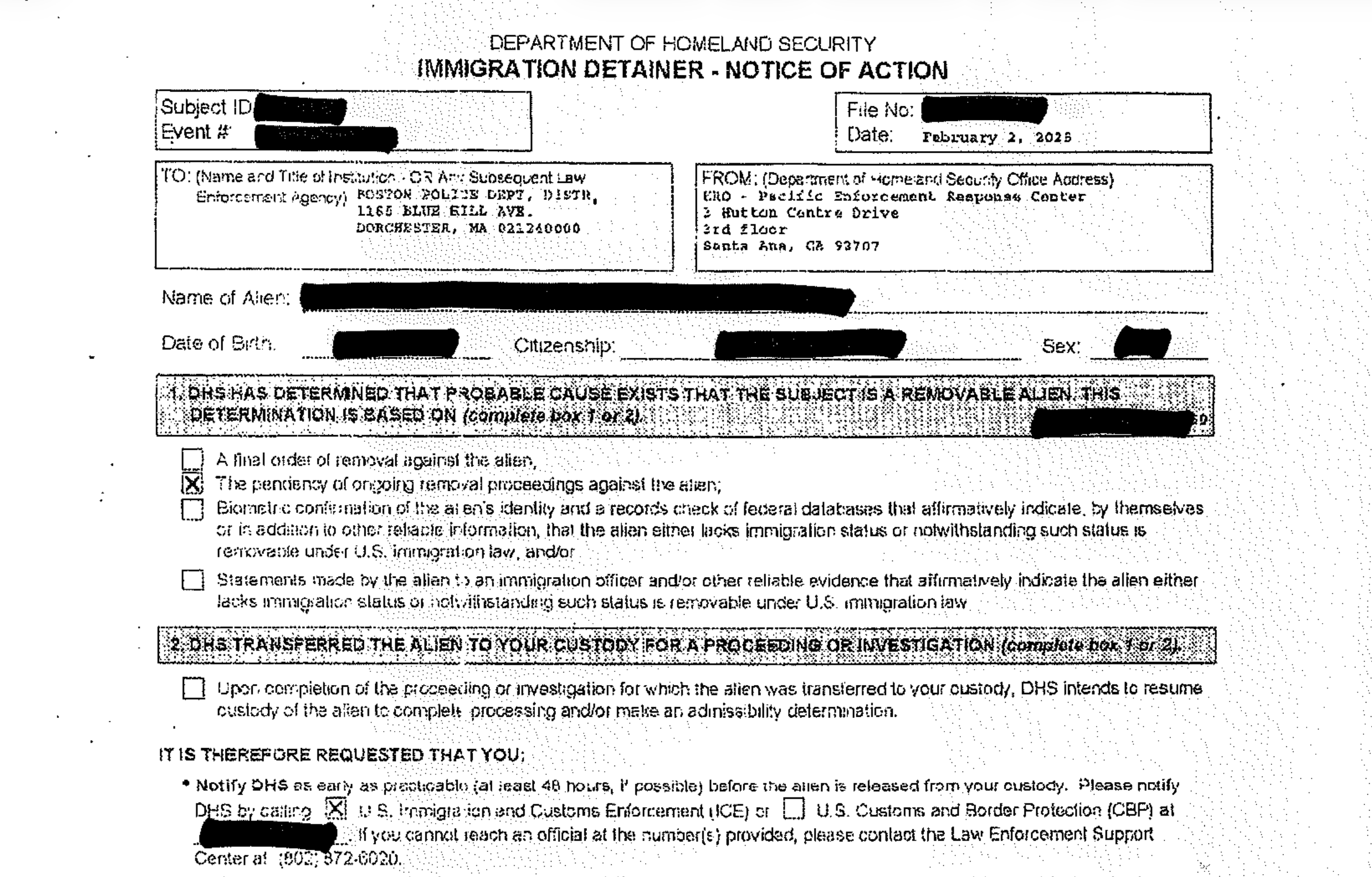
“Sanctuary city” is not a single legal status in federal law. It is a political label applied to a range of local policies, usually including one or more of these:
- Limits on cooperation with federal immigration enforcement, such as restricting when local jail staff will hold someone for ICE based on an immigration detainer.
- Limits on information sharing, such as not collecting immigration status, or limiting voluntary communication with federal immigration agents.
- Limits on using local funds or personnel for civil immigration enforcement, especially absent a warrant or court order.
Critically, none of those policies necessarily mean a prosecutor “goes easy” on state crimes. Prosecutors decide whether to charge, what to charge, and what plea to offer under state law. Immigration status can be relevant to risk assessments, but it does not automatically determine whether a state crime occurred or how it should be prosecuted.
Subpoena power basics
The Constitution never says, “Congress may issue subpoenas.” What it does say is that Congress holds legislative power in Article I, and that each chamber may set its own rules. From the earliest Congresses, investigation has been treated as an implied tool of legislating.
The Supreme Court has long recognized that Congress can compel testimony and documents when the investigation is tied to a valid legislative objective (often traced to cases like McGrain v. Daugherty). But implied powers come with implied boundaries. Congress does not get a general police power. It cannot investigate “whatever it wants” just because it is controversial or because it would make good headlines.
The main limit: legislative purpose
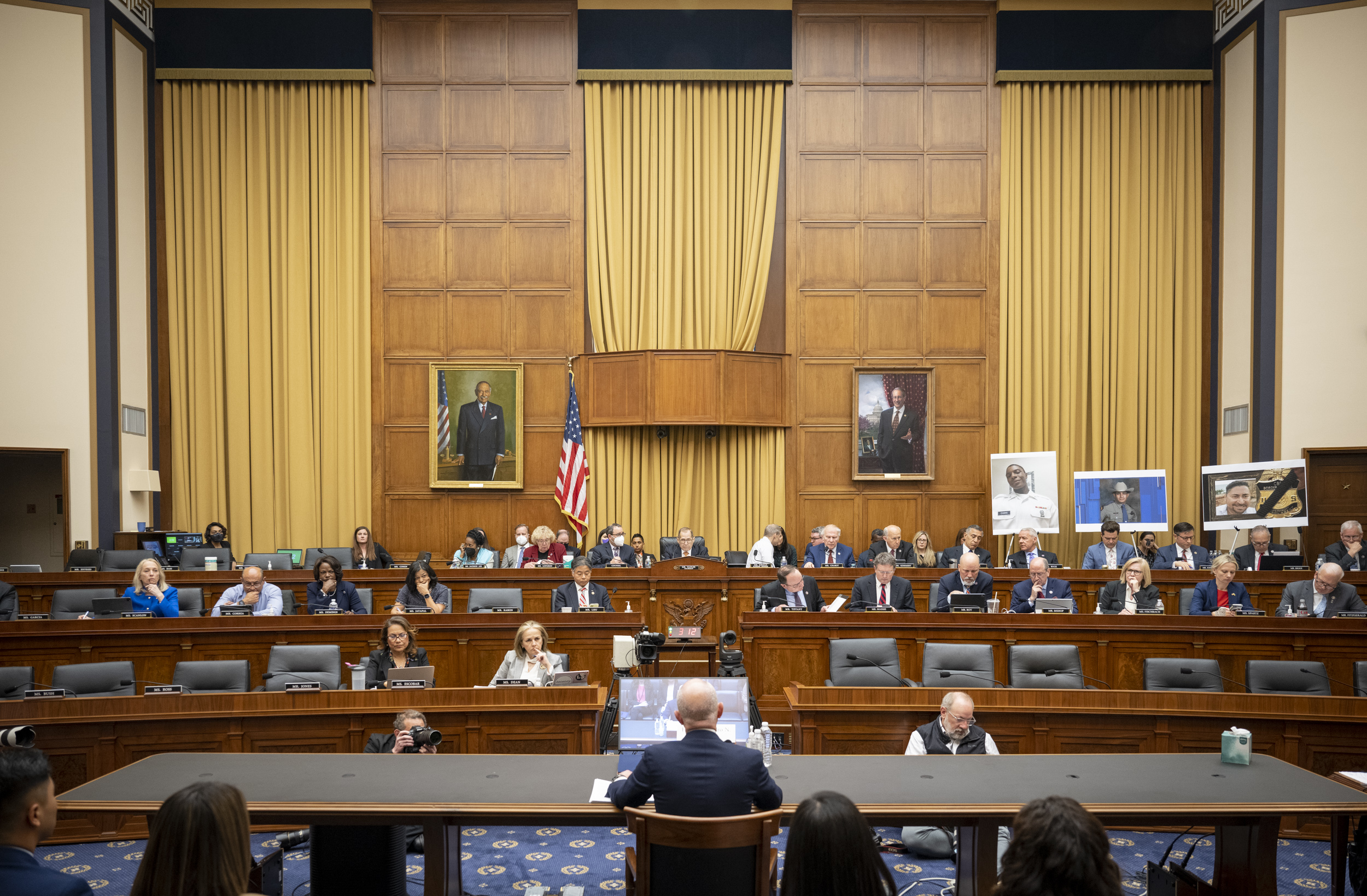
If a committee subpoenas a local prosecutor, the prosecutor’s lawyers will almost certainly ask one question first: What law is Congress considering or overseeing that makes this testimony necessary?
That “legislative purpose” requirement is where subpoena fights are often won or lost, and it is a theme running through cases like Watkins v. United States, Eastland v. U.S. Servicemen’s Fund, and the Supreme Court’s more recent emphasis on limits and tailoring in Trump v. Mazars.
Congress has stronger footing when the subject connects to:
- Federal spending conditions (for example, whether federal grants tied to immigration cooperation are being administered as Congress intended).
- Federal immigration statutes and how federal agencies coordinate with local jurisdictions.
- New legislation Congress might draft, such as changing information sharing rules, grant conditions, or federal enforcement resources.
Congress has weaker footing when the inquiry looks like an attempt to pressure a prosecutor’s case-by-case choices, demand internal deliberations with no plausible legislative endpoint, or use hearings primarily to shame or punish. Courts have cautioned that investigations cannot be “exposure for the sake of exposure,” and they scrutinize whether Congress is really legislating or just performing law enforcement oversight untethered to legislation.
Can a DA be forced to appear?
A House committee can authorize and issue a subpoena to a local district attorney under House rules. The harder question is whether Congress can enforce it if the district attorney refuses.
There are several enforcement pathways, each with friction:
- Negotiation and accommodation: Most disputes end here, with narrowed topics, agreed document production, or a voluntary transcribed interview.
- Civil enforcement: The House has gone to court seeking orders compelling compliance, but the procedure is complex and sometimes contested. (The Senate has an explicit statutory civil-enforcement mechanism; the House has relied on its own authorizations and asserted constitutional authority in litigation.)
- Criminal contempt of Congress: Congress can refer contempt to the U.S. Attorney, but prosecution decisions are executive-branch decisions, and referrals can stall.
- Inherent contempt: A rarely used historical mechanism where the chamber itself arrests and detains a contemnor. It has not been used in decades (often dated to the 1930s) and is legally and politically explosive in modern practice.
Even when Congress is on solid constitutional ground, subpoenas are not magic. They are a legal tool that depends on courts, executive-branch choices, and practical compromise.
Why local prosecutors are different
Subpoenas aimed at private parties or federal executive officials raise their own issues, but subpoenas aimed at state and local officials add a federalism layer. Congress can legislate on federal immigration enforcement and federal funding, but it does not sit atop local prosecutors the way a state attorney general might, and it cannot convert a hearing into day-to-day supervision of state criminal charging.
Local prosecutors have wide discretion over charging decisions. That discretion is not a personal perk. It is a structural feature of American criminal justice: limited resources, individualized facts, witness issues, and competing priorities make mandatory prosecution of every conceivable case impossible.
Congress can criticize a prosecutor. It can hold hearings about public safety trends. It can change federal immigration law. But it generally cannot demand that a state or county prosecutor charge state crimes in a particular way, any more than a state legislature can order a federal prosecutor to bring a specific federal indictment.
This is where people often confuse political accountability with constitutional control. A district attorney is accountable to local voters and state law. Congress is accountable to national voters and federal law. The lines are supposed to be real.
Supremacy and anti-commandeering
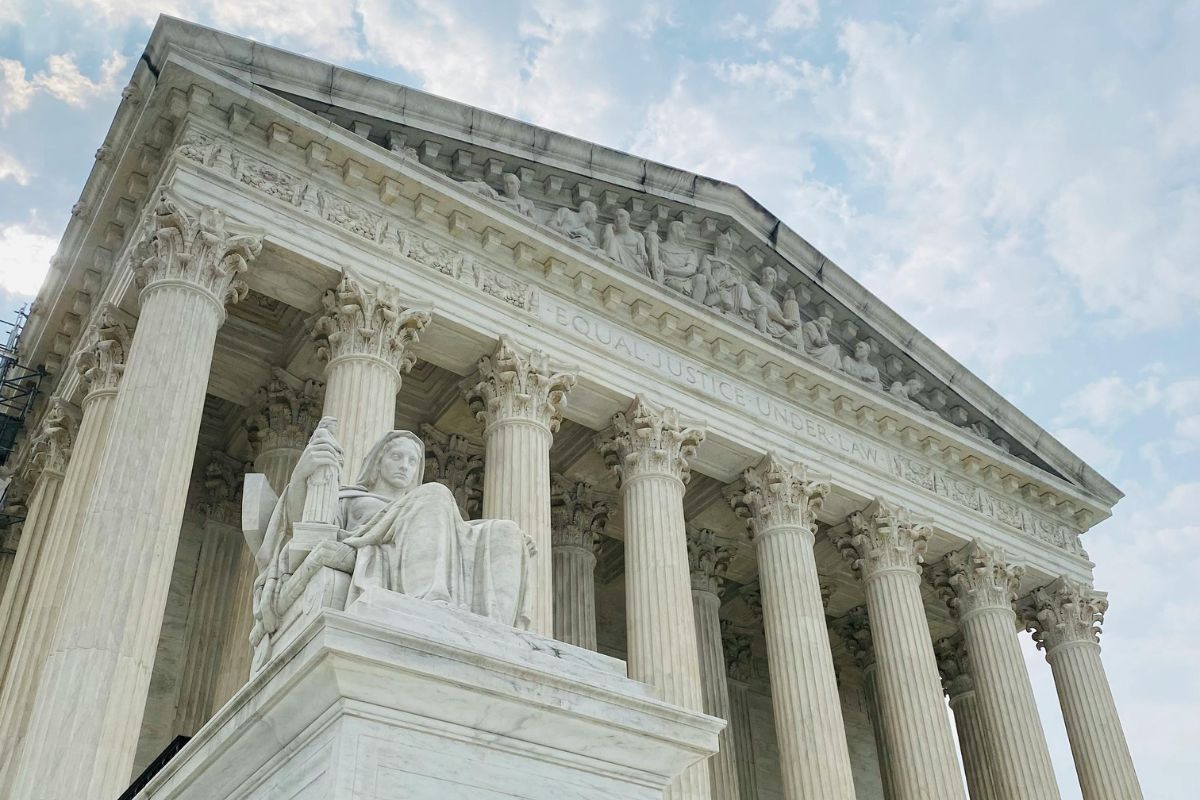
Two doctrines shape almost every sanctuary dispute, even when no one uses the jargon.
1) The Supremacy Clause
The Supremacy Clause makes valid federal law “the supreme Law of the Land.” States cannot nullify federal immigration law by passing a contrary rule. If Congress makes something a federal obligation and the Constitution permits it, federal law wins.
2) Anti-commandeering
But the Supreme Court has also held that the federal government generally cannot commandeer state and local officials to run federal programs. The cases often cited for this principle include New York v. United States, Printz v. United States, and Murphy v. NCAA.
In plain terms: the federal government can enforce federal immigration law with federal agents. It can encourage cooperation. It can attach conditions to some funding. But it usually cannot require a city jail, a county sheriff, or a local prosecutor to do federal work simply because federal officials want help.
This is one reason immigration detainers are so legally fraught. An ICE detainer is typically an administrative request, not a judicial warrant. Whether it supplies independent legal authority for continued detention varies by jurisdiction, and many courts and local officials have treated the liability risk as real, which pushes jurisdictions to demand clearer legal process.
What Congress can ask
A subpoena is most defensible when it targets policy-level facts that map onto federal lawmaking. Examples of questions that look like oversight rather than micromanagement:
- Whether the office has written policies about communicating with ICE, honoring detainers, or notifying federal officials of release dates.
- How federal grant dollars are used, and whether federal grant conditions are met.
- Whether state laws or local ordinances prevent cooperation, and what conflicts with federal law are alleged.
- Aggregate data about categories of cases, to the extent privacy laws and ethics rules allow disclosure.
What gets riskier is asking about specific pending cases, pressuring a prosecutor to change a plea offer, or demanding internal deliberations closely tied to prosecutorial decisionmaking. Those requests can trigger claims of confidentiality, work-product and deliberative protections, and ethical limits on disclosures. Prosecutors also have to navigate witness safety, victim privacy statutes, and (depending on state law) grand jury secrecy rules. And even when a privilege exists in court, it may not map cleanly onto congressional practice.
One concrete way to see the difference: a subpoena asking for a written office policy on detainer notifications is easier to defend than a subpoena demanding emails about why a particular defendant got a particular plea deal.
If the DA refuses
If a district attorney refuses a congressional subpoena, the dispute typically becomes a three-layer chess game.
- First layer: scope. Is the request narrow and tied to a clear legislative objective, or broad and punitive?
- Second layer: privileges and ethics. Even willing witnesses may not be able to disclose certain information about investigations, victims, or internal strategy.
- Third layer: enforcement and time. Civil litigation and inter-branch disputes often take long enough that the political moment changes before a definitive ruling arrives. Courts also sometimes avoid the merits on procedural grounds, including justiciability fights and timing issues.
In other words, “subpoenas are on the table” can be true, and still not mean a local prosecutor will end up sitting under the lights answering every question.
Bottom line
Congress can subpoena a sanctuary jurisdiction prosecutor, because subpoena power is a recognized incident of Congress’s Article I authority to legislate and conduct oversight. But Congress’s ability to compel testimony and documents depends on whether the committee is pursuing a legitimate legislative purpose and whether the request respects federalism boundaries and ordinary legal protections.
The Constitution does not give Congress a remote control for local prosecution. It gives Congress a flashlight. Bright enough to see how federal law and federal money interact with local policy. Not bright enough to run the local courthouse.
Quick FAQ
Is there a constitutional right for a DA to ignore a congressional subpoena?
No. But there are constitutional limits on Congress’s investigative power, and there are legal limits on what a prosecutor can disclose. A subpoena that lacks a valid legislative purpose can be challenged.
Does “sanctuary” violate the Supremacy Clause automatically?
Not automatically. Some state and local policies are framed as refusals to assist with federal enforcement, which anti-commandeering doctrine often protects. Direct conflicts where a local law blocks compliance with a valid federal requirement are a different matter.
Can Congress make cities cooperate with ICE?
Congress can expand federal enforcement, set rules for federal agencies, and sometimes attach conditions to federal funds. But forcing state and local officers to carry out federal tasks can run into anti-commandeering limits.