
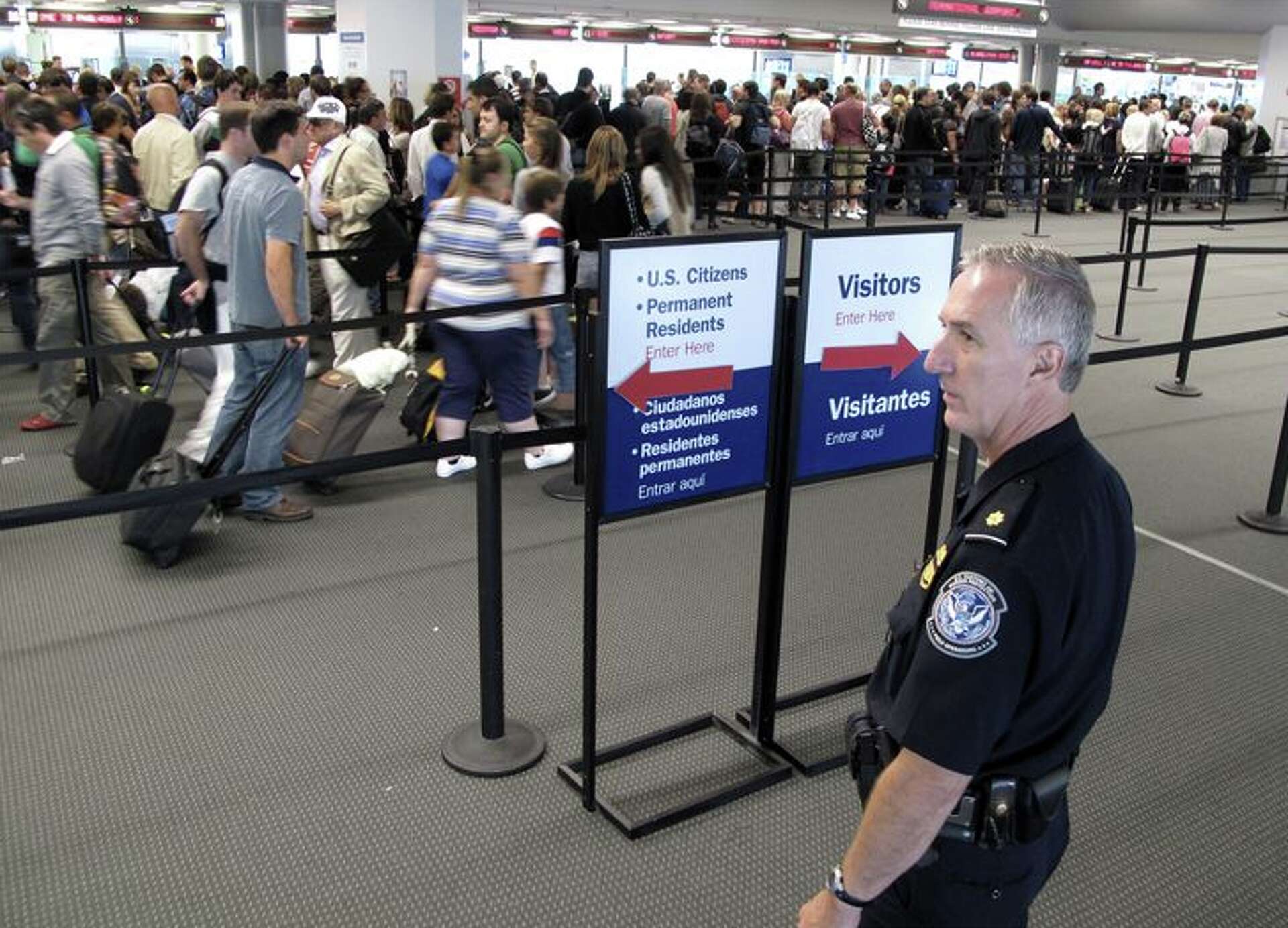
If you have ever felt your stomach drop when a border officer says, “Can you unlock your phone?”, you are not alone. At the U.S. border, device searches operate under rules that give officers far more access than most travelers expect. And when the “thing being searched” is your entire digital life, that gap between expectation and reality matters.
The practice is not rare. Searches of laptops and smartphones of people entering the United States rose 32% this year, based on U.S. Customs and Border Protection figures covering the first three quarters of fiscal year 2026 (Oct. 1, 2025 through June 30, 2026).
That increase comes after a record-setting year. Across the entire 2025 fiscal year, CBP officers searched 55,424 devices.
Join the Discussion
What “search” means at the border
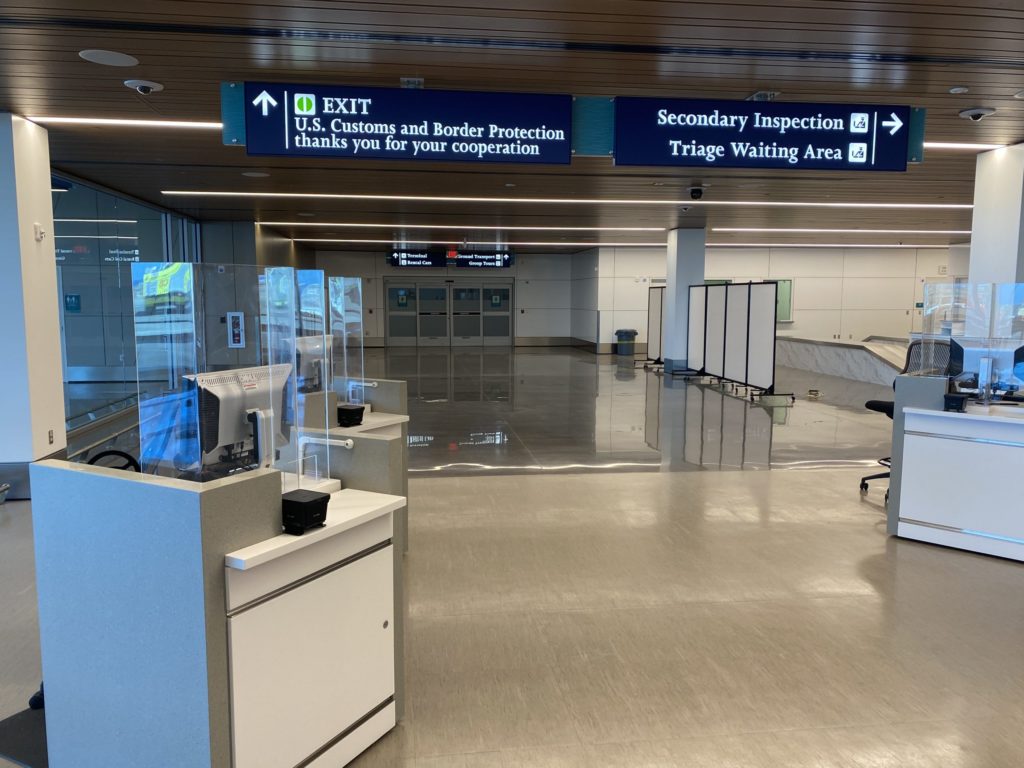
CBP device searches generally fall into two categories: basic searches and advanced searches. The difference matters because it affects what officers say they need before going deeper and what they can do with the device once they have it.
Basic searches
In fiscal year 2025, 47,517 device searches were labeled “basic.” A basic search can be triggered without reasonable suspicion of wrongdoing.
Even at this “basic” level, the practical reality is blunt: if an officer selects your device for a search, you are legally required to provide the passcode so the officer can “review and analyze information” on the device.
Advanced searches
In fiscal year 2025, CBP reported 4,564 “advanced” searches. This tier begins after an officer claims reasonable suspicion that the device contains evidence of illegal activity or a national security concern.
At this tier, CBP may use forensic hacking software like Cellebrite and Grayshift to unlock the device and copy its data, even if encrypted.
What about the Fourth Amendment?
If you are thinking “What about my Fourth Amendment protections against unwarranted searches and seizures,” you are not imagining the conflict. The way this plays out at the border is less about what feels intuitive and more about what is treated as legally justified before the search occurs.
In practice, the key thing to understand is the line CBP draws: basic searches can start without reasonable suspicion, and advanced searches start after an officer claims reasonable suspicion tied to illegal activity or national security concerns.
Once officers have full access, the device’s data can be thoroughly scanned by AI, with the findings reviewed by humans, to locate something, anything, that could be used to build a case.
If you refuse to unlock your phone
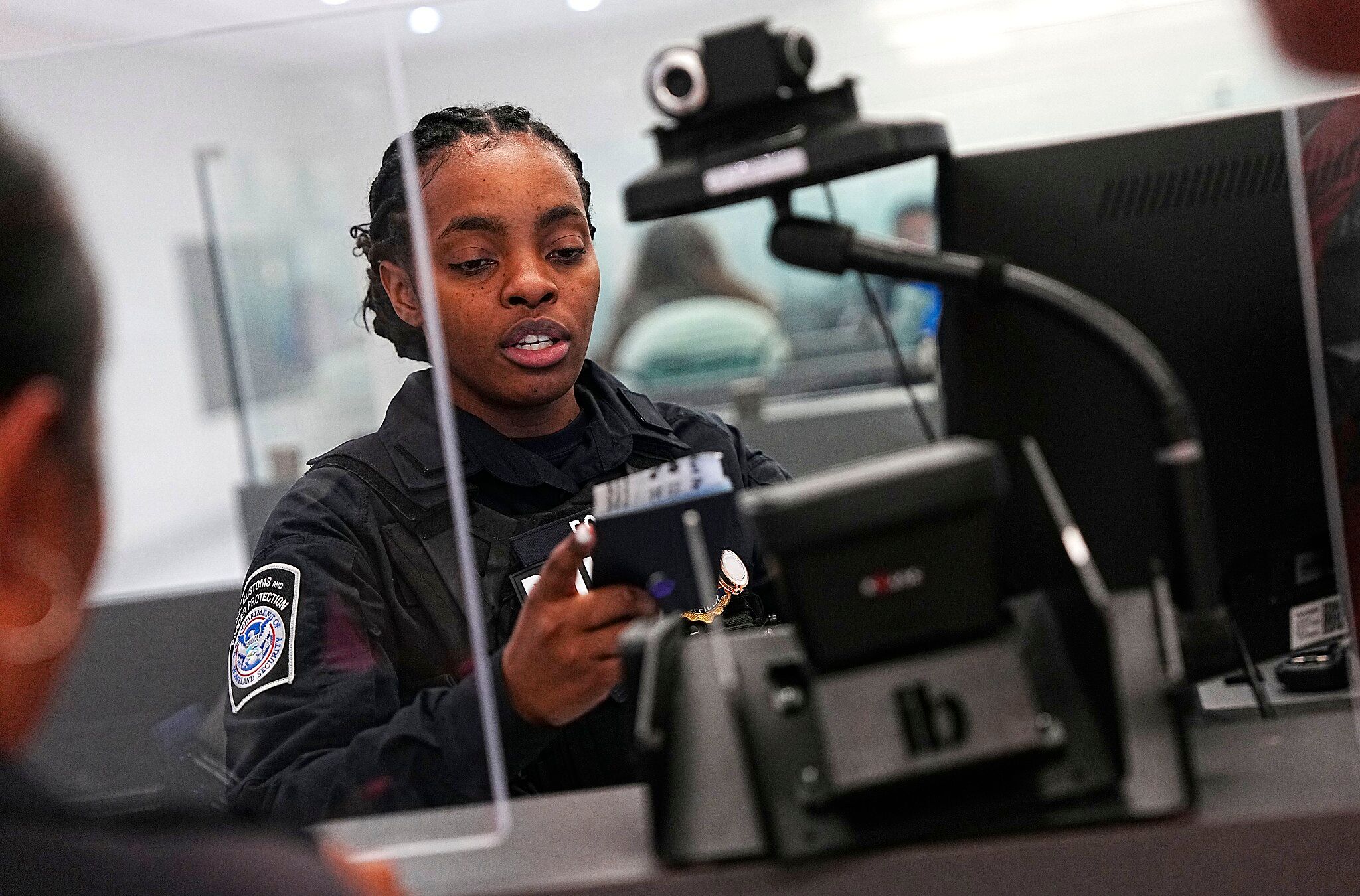
If you decline to provide your device passcode during a basic search, CBP can detain your device for up to five days.
That is not a small consequence. For many people, losing a phone for even a day can mean losing access to travel confirmations, work systems, two-factor authentication, family contacts, or medical information. The policy turns the moment into a trade-off: give access now, or leave without your device and try to untangle it later.
How reasonable suspicion can expand
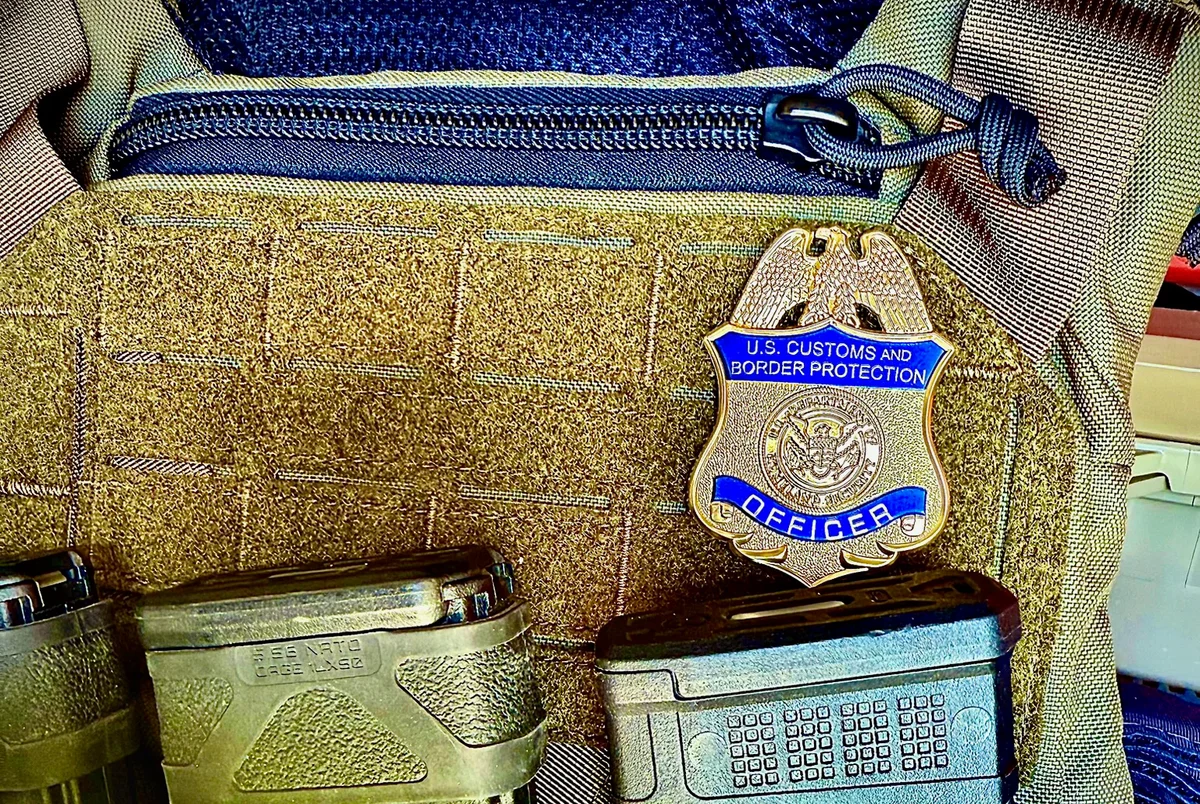
In the advanced-search setting, one stated basis for reasonable suspicion can be a person’s presence on a “government-vetted terrorist watch list.”
The category of who counts as a potential terrorist has also been described in sweeping ideological terms. A September 2025 Executive Order designated “ANTIFA” as a domestic terrorist organization, and a subsequent National Security Presidential Memorandum-7 described ideologies such as “anti-Americanism, anti-capitalism, and anti-Christianity,” along with beliefs characterized as “extremism on migration, race, and gender” and “hostility towards those who hold traditional American views on family, religion, and morality,” as part of what it framed as domestic terrorism.
Be careful about wiping a device
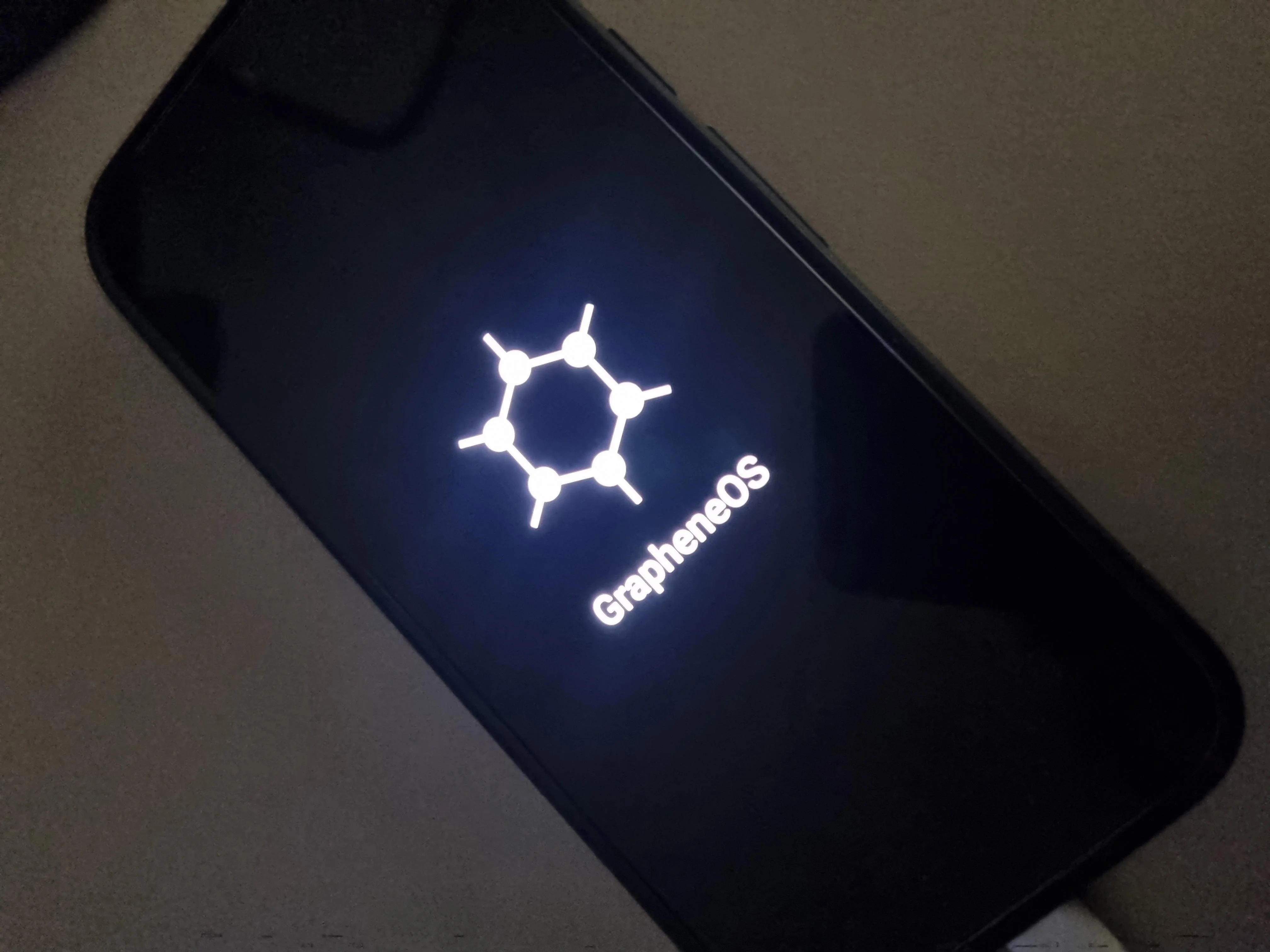
Some travelers respond to all of this by trying to reduce what is on their devices before they travel, or by relying on special phone features meant to protect against coercion.
Be extremely careful about anything that could be viewed as deleting data while you are being questioned or after an officer has requested access. Samuel Tunick, an Atlanta activist and U.S. citizen, was indicted by a federal grand jury after using GrapheneOS’ “duress PIN” while being questioned at the border. He faces up to five years in prison if convicted.
Plan before you fly
Once you are standing in front of an officer with a line behind you, you are making decisions in a pressure cooker. The better time to think through your comfort level and risk tolerance is before you travel, while you still have room to make calm choices.
Device searches are rising. Fiscal year 2025 saw 55,424 devices searched, and fiscal year 2026 is up 32% through the first three quarters. CBP draws a line between basic and advanced searches, but both can put you in a difficult position if you are unprepared.
Quick FAQ
- Can CBP search my phone without suspicion? Yes. In fiscal year 2025, the vast majority of searches were categorized as “basic,” which can be initiated without reasonable suspicion.
- Do I have to give them my passcode? For a basic search, travelers selected are legally required to provide their passcode so CBP can “review and analyze information” on the device.
- What if I refuse? CBP can detain the device for up to five days.
- What is an “advanced” search? A search where an officer claims reasonable suspicion of illegal activity or a national security concern, and forensic hacking software may be used to unlock the device and copy its data, even if encrypted.
- Should I use a “duress PIN” at the border? Treat this as legally risky. Samuel Tunick was indicted after using GrapheneOS’ “duress PIN” while being questioned and faces up to five years in prison if convicted.