Student IDs feel like the most obvious “identity” document in the world. Your name. Your photo. Your institution vouching for who you are. For many students, it is the ID they carry every day, the one they use to get into buildings, borrow books, and prove they belong.
But for voting in New Hampshire’s next election, the Supreme Court has now allowed state officials to reject that card as a valid form of identification when voters cast their ballots.
Join the Discussion
What the court did and did not do
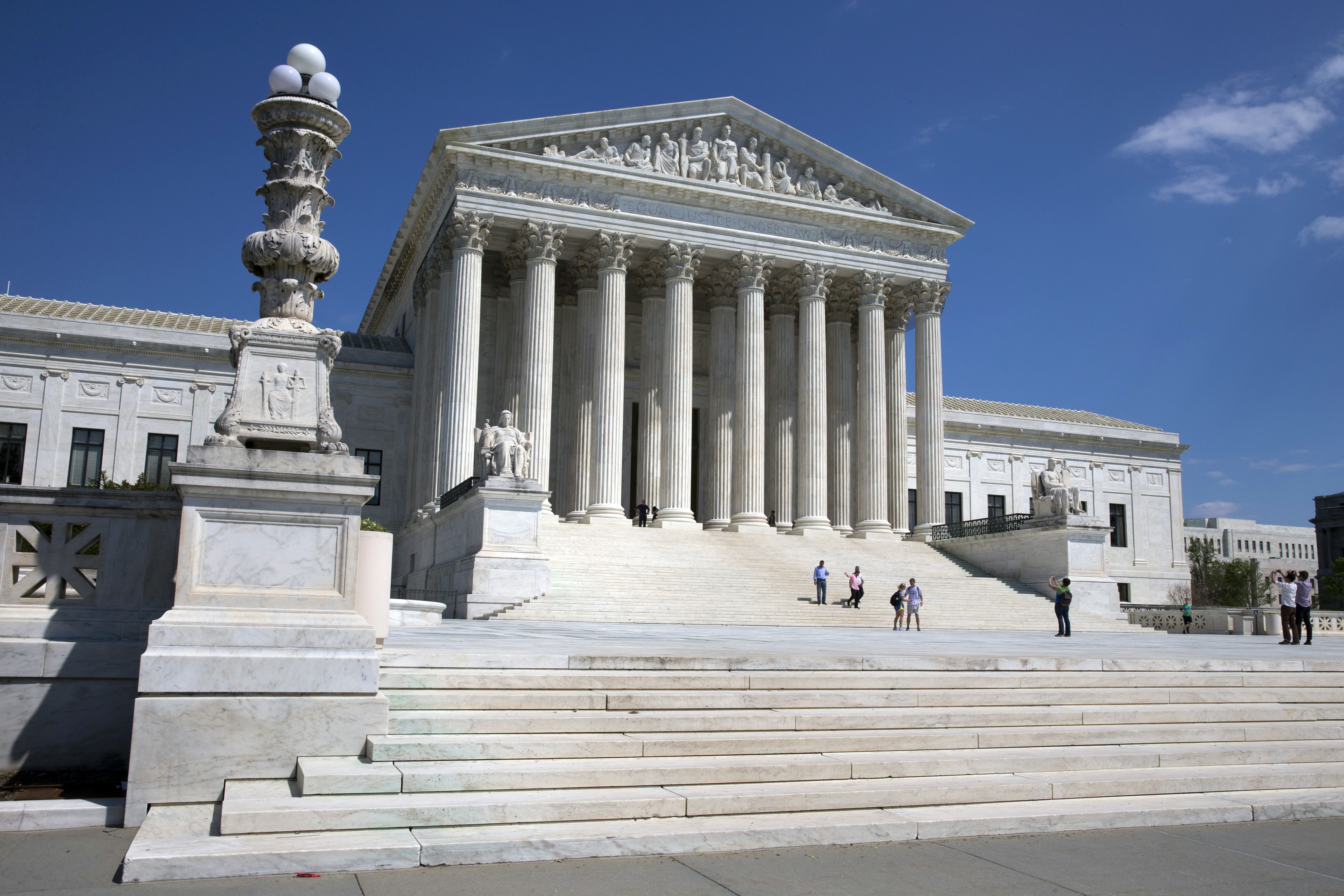
On Thursday, the Supreme Court allowed New Hampshire officials to reject student IDs as a valid form of identification when voters cast ballots in next month’s midterm elections.
That is the practical effect. But it is not the whole legal story.
The Court’s order is not a final ruling on whether New Hampshire’s student ID restriction is lawful. The underlying litigation is still ongoing. What the Court did here was object to a lower court’s election-season intervention and leave the state’s new rule in place for the imminent election.
The law behind the dispute
The conflict traces back to House Bill 323, signed into law in April by Gov. Kelly Ayotte. The law removed student IDs from the list of identification expressly considered valid for obtaining a ballot. It took effect June 2.
After the law went into effect, Secretary of State David Scanlan issued guidance to election officials about the change, and multiple trainings were held.

Why a judge tried to step in
A lower court judge previously found that state officials had improperly gone further than the new law required. In the judge’s view, even if student IDs were no longer on the approved list, officials still had to consider them alongside other evidence when voters lacked other means of verifying their identity.
That distinction matters in real life. It is the gap between what a statute says and what voters get told at the counter, what poll workers get trained to do, and what happens when a voter shows up with the ID they actually have.
The timing principle at the center
The Supreme Court took issue with the judge intervening this close to the elections.
The high court has said orders handed down too close to an election can cause voter confusion, an idea known as the Purcell Principle. The court cited the recent legal back-and-forth over Missouri’s redistricting maps.
“Here, the District Court did not point to anything that would justify deviating from that principle,” the majority wrote.
Jackson dissent
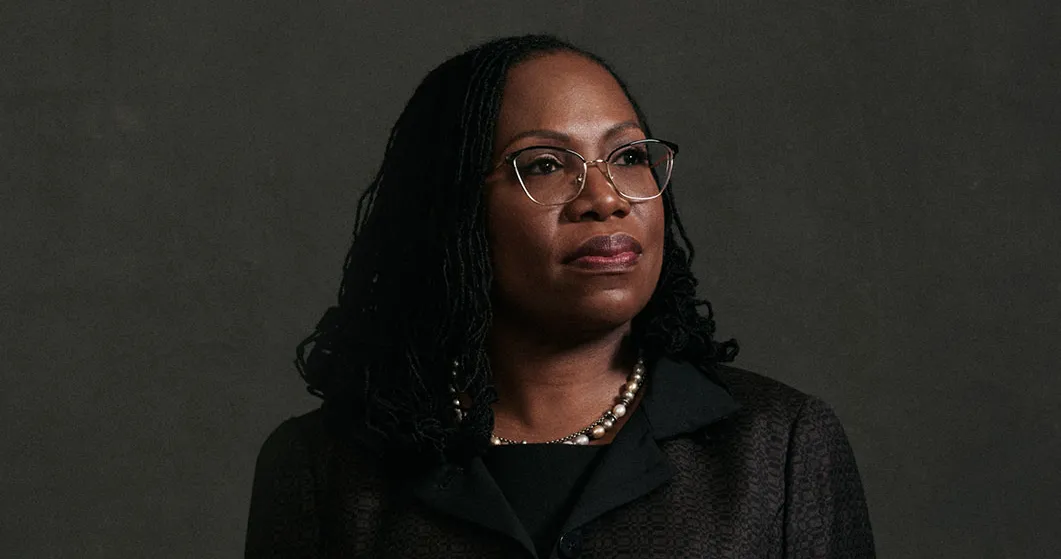
Justice Ketanji Brown Jackson dissented, saying the timing rule did not apply in these circumstances because the lower court judge was trying to ensure the public received accurate information about the state’s election rules.
“When a federal court determines that material misrepresentations are being made about a State’s election rules, an injunction to prohibit that conduct does not contribute to public confusion, it prevents that very problem,” Jackson wrote.
“I would not disturb a clearly justifiable federal-court order issued to ensure that the public receives accurate information about a State’s electoral processes,” she wrote.
State response
State officials defended the change as part of enforcing election safeguards as written.
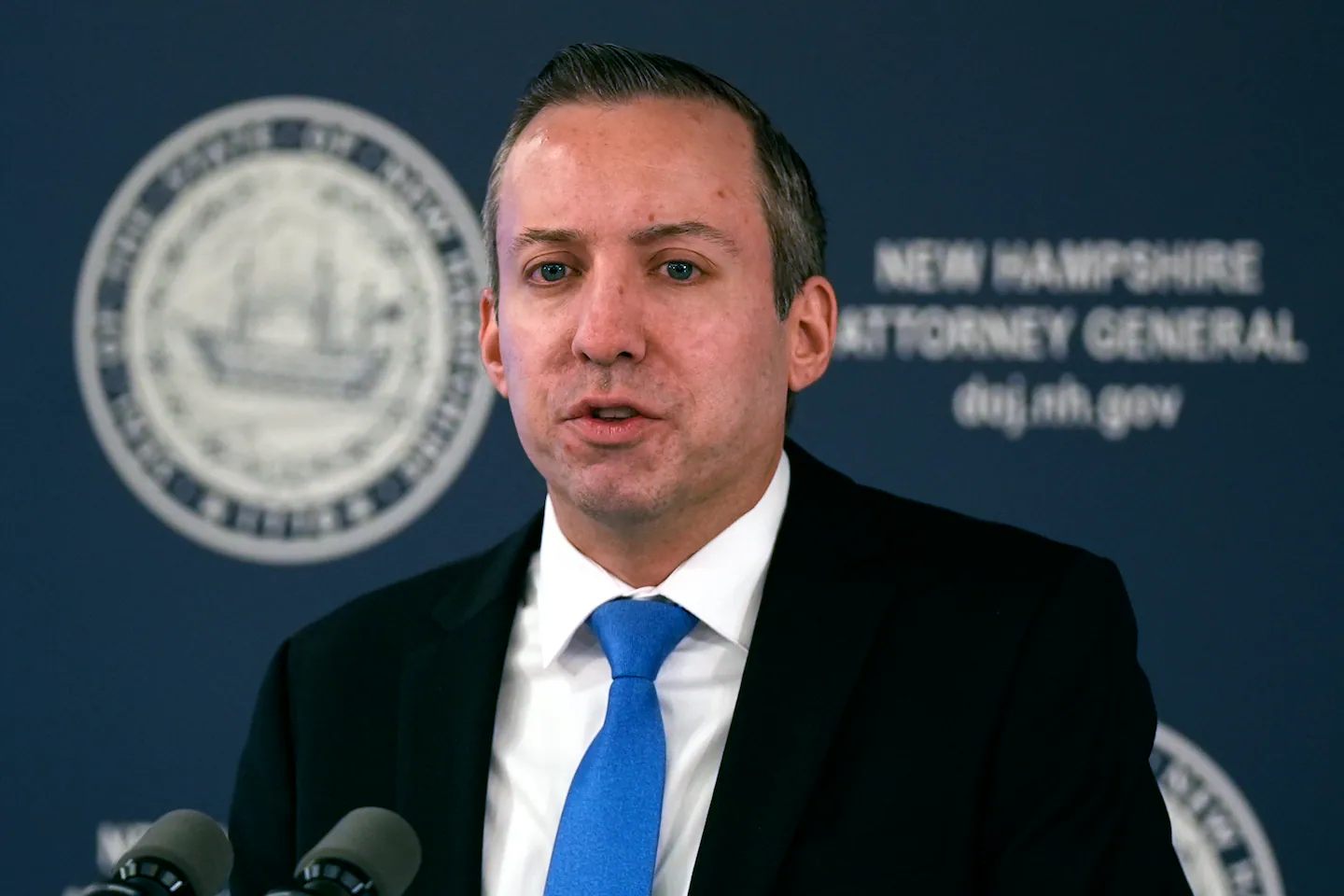
“New Hampshire has a responsibility to protect the integrity of its elections and ensure that election laws are applied as written,” New Hampshire Attorney General John Formella said in a statement.
After the Supreme Court acted, Formella called the decision “an important victory” against “last-minute court orders” that could create uncertainty for voters and election officials. “We will continue to defend New Hampshire’s election laws and the safeguards they provide,” he said.
What it means next
If you are looking for a clean civics answer like “student IDs should count” or “student IDs should not count,” this is not that moment.
This is a procedural decision with teeth. It shows how, when a dispute arrives late enough on the calendar, the Supreme Court may prioritize stability over a lower court’s attempt to fine-tune how a new election rule is applied.
For voters, the practical takeaway is plain. When Election Day is close, the rules that state officials are already preparing to administer are more likely to be the rules you encounter at the polls.
Where things stand
- New Hampshire’s new law excluding student IDs from identification expressly considered valid for obtaining a ballot remains in effect for next month’s midterm elections.
- The Supreme Court’s decision was not a final ruling on the merits.
- The underlying litigation over the law remains ongoing.
In other words, the Court has not closed the legal conversation. It has decided that this conversation will not rewrite the rules this close to Election Day.