New York tried something bold in 2022: it turned the ordinary act of acquiring or transferring body armor into a crime for most civilians. On Oct. 21, a federal judge said the Constitution does not allow that kind of sweeping prohibition.
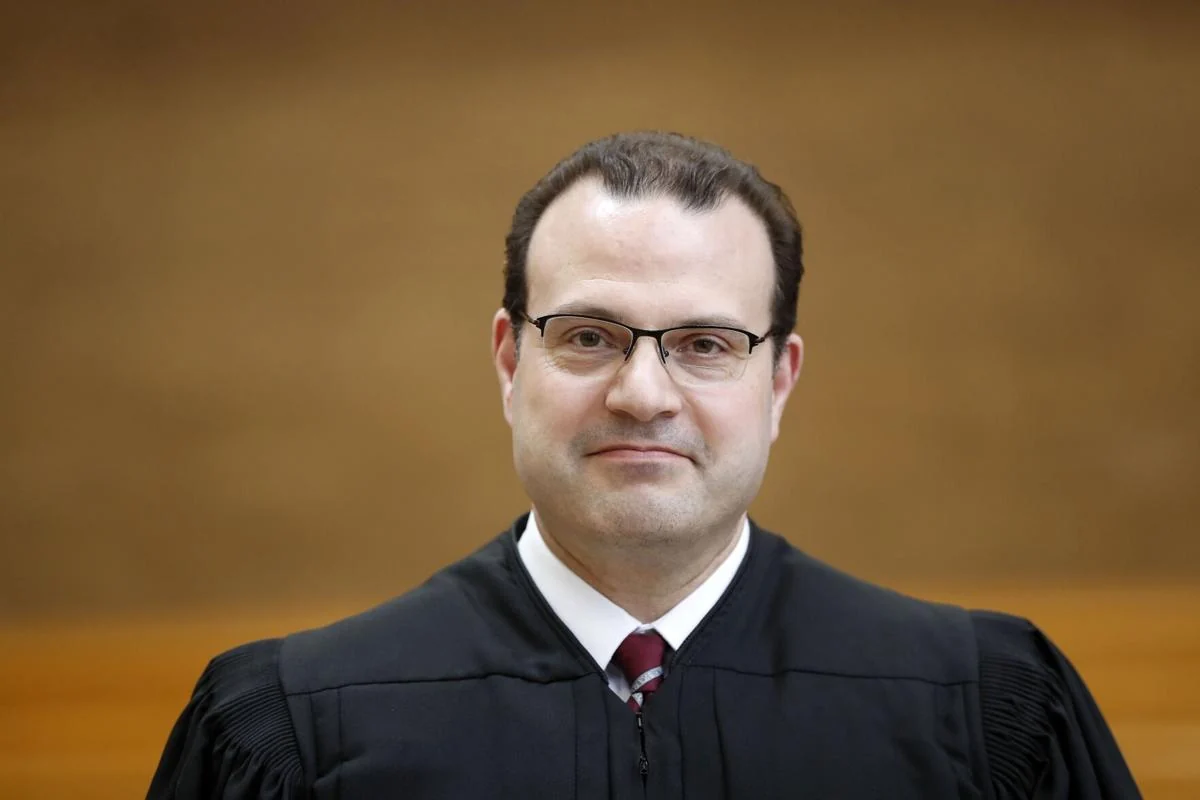
On Oct. 21, U.S. District Judge John Sinatra, sitting in the Western District of New York, ruled in Heeter v. James that the state’s civilian body armor ban violates the Second Amendment. His opinion runs 47 pages and centers on the same post-2022 question that now drives much of Second Amendment litigation: whether a modern restriction fits within the nation’s historical tradition of firearm regulation under New York State Rifle & Pistol Association, Inc. v. Bruen.
Join the Discussion
What New York banned and why
The 2022 statute made it illegal for people not in an “eligible profession” to purchase, own, sell, exchange, give away, or otherwise dispose of body armor. Eligible professions initially included police officers, peace officers, and active-duty members of the U.S. armed forces, with a few additional exemptions.
Gov. Kathy Hochul signed the ban in 2022 as part of a larger gun-control package following a mass shooting at a Buffalo supermarket where the gunman wore body armor. Hochul said at the time that the measures “will save lives” and that “thoughts and prayers won’t fix this, but taking strong action will.”
The law also carried criminal penalties. A first offense was classified as a class A misdemeanor, and subsequent offenses were elevated to a class E felony.
The lawsuit
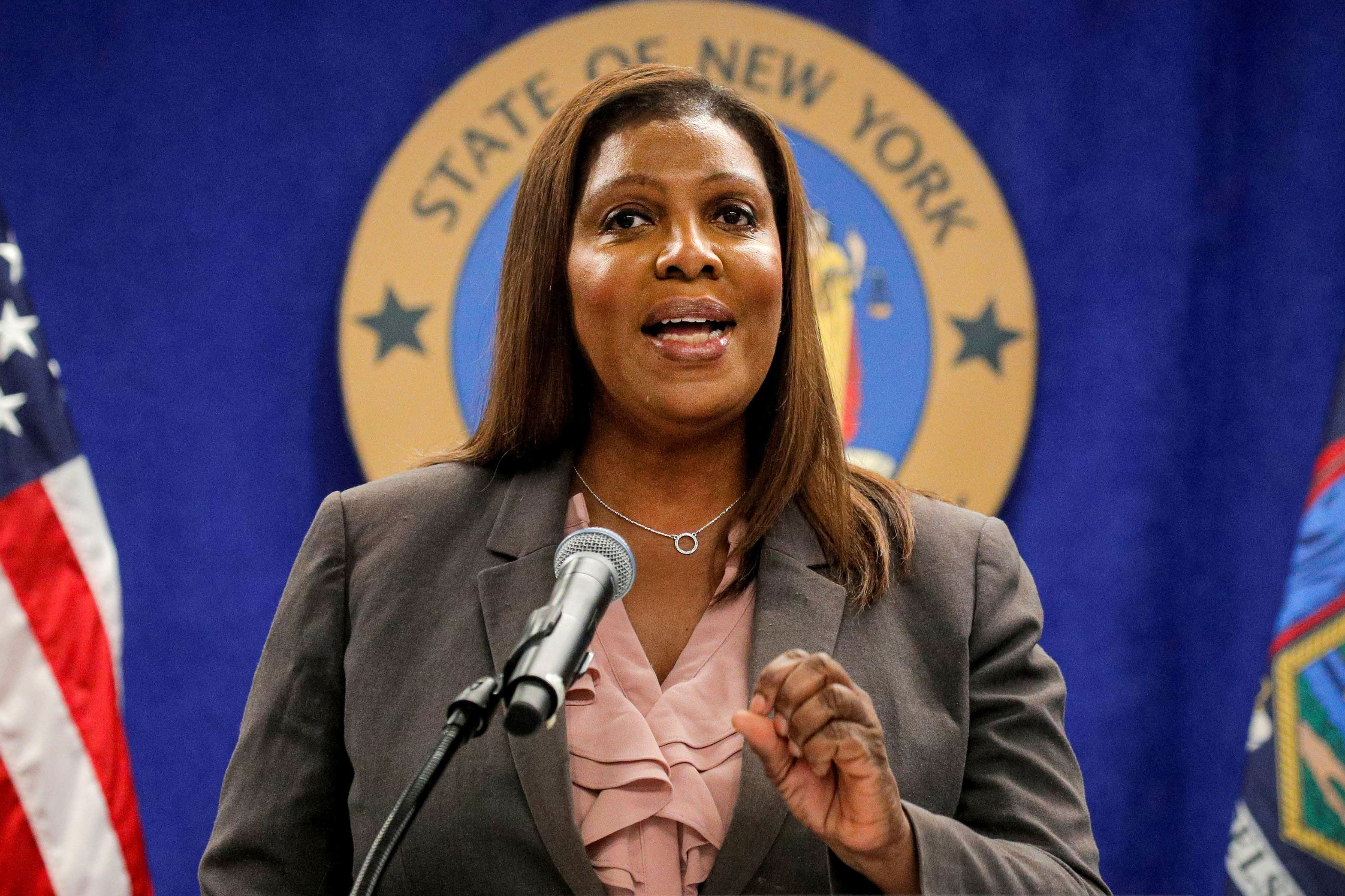
The challenge was brought by the Firearms Policy Coalition and two individual plaintiffs in the U.S. District Court for the Western District of New York. The defendants were officials responsible for enforcing the ban: Attorney General Letitia James, New York State Police Superintendent Steven G. James, Monroe County District Attorney Sandra Doorley, and Acting Erie County District Attorney Michael J. Keane. They were sued in their official capacities.
The Firearms Policy Coalition described the statute as one that “made it a crime for peaceable people to buy body armor” designed to “save lives.”
The Second Amendment questions
The state’s ban targeted protective gear rather than a firearm. The opinion addressed two issues that matter under current Second Amendment doctrine.
1) Is body armor covered by the Second Amendment?
Sinatra referenced District of Columbia v. Heller (2008) and wrote that the founding-era understanding of “arms” would include protective armor. He treated body armor as a defensive accoutrement and pointed to the historical record showing individuals in the founding era owned and wore armor for protection.
2) If covered, can New York justify a ban under Bruen?
Sinatra applied Bruen (2022), which requires firearm regulations to be consistent with the nation’s historical tradition of firearm regulation. Under that framework, courts evaluate whether a modern law is analogous to laws that existed at the founding.
Sinatra found New York’s body armor ban failed the historical tradition test because colonial and early American law did not restrict access to protective gear. In his view, the absence of comparable historical regulation meant the state could not sustain a categorical prohibition, even when offered as a public-safety measure.
In the opinion, Sinatra wrote that the ban “categorically violates the right of individuals to keep and bear arms for self-defense.” He also said the prohibition left citizens unable to obtain a common means of self-defense that is widely available in other states.
The stay
Sinatra’s order included a 14-day stay. That pause temporarily kept the statute in place and gave New York officials time to file an appeal. The stay allows the state to continue enforcement of the ban temporarily while the appeal process begins.
Legal observers said the short stay period signals the judge expects a swift review by the U.S. Court of Appeals for the Second Circuit.

What the ruling does not do
The decision addressed the body armor prohibition. Sinatra did not rule on other provisions in New York’s 2022 package. One of those other provisions, a ban on semi-automatic weapon sales to people under 21, was not invalidated and remains in effect.
Quick FAQ
Did the judge say body armor is a firearm?
No. The opinion treated body armor as covered by the Second Amendment’s protection of “arms” in the self-defense context, relying on the founding-era understanding discussed in Heller.
Why didn’t public safety arguments carry the day?
Under Bruen, the state had to justify the restriction by pointing to a comparable historical tradition of regulation. Sinatra found New York could not identify an analogous founding-era restriction on protective gear.
When does New York have to stop enforcing the ban?
The court issued a 14-day stay, meaning enforcement could continue temporarily while New York officials pursue an appeal.