
Most voters think the biggest decisions are made in marble buildings: legislatures, courthouses, maybe the occasional executive mansion. But 2026 is a reminder that some of the most durable changes in American law can happen in the most ordinary places: a school gym with folding chairs, or a county clerk’s office that smells like toner.
Ballot initiatives are direct democracy’s sharpest tool. Used carefully, they can let citizens correct a legislature that refuses to act. Used carelessly, they can let a bare majority write rules into a constitution, and constitutional text is often harder to unwind than ordinary statutes.
This is not an exhaustive list. But several of the biggest measures this year did more than tweak policy. They changed the machinery: who votes, how elections are run, what lawmakers may later change, and how criminal defendants are treated before trial. Those are the kinds of decisions that can outlast campaign slogans.
Join the Discussion
Abortion
On abortion, 2026 underscored the difference between ordinary law and constitutional law. Statutes can be repealed next session. Constitutional amendments are designed to stick.
Idaho: Proposition 1 fails
Idaho voters defeated Proposition 1, which sought to create a state constitutional right described as a “right to reproductive freedom and privacy” for “every person.” Idaho law currently criminalizes abortion except in cases of documented rape, incest, or danger to a mother’s life.
As a general matter, when a constitution adopts broad language like that, later disagreements can shift from ordinary politics into legal interpretation, because someone eventually has to decide what the words require in hard cases.
Missouri: repeal effort fails
In Missouri, voters defeated a constitutional amendment that sought to repeal a 2024 amendment that enshrined abortion in the state constitution. The 2026 repeal effort was projected to lose 55% to 45%. That same repeal measure also aimed to ban harmful “trans” procedures from being conducted on minors.
Virginia and Nevada: amendments pass
In Virginia and Nevada, voters passed amendments codifying unlimited abortion in their state constitutions. Despite the Virginia measure’s passage, a legal challenge to the amendment’s “deceptive” language and procedures for getting on the ballot is set to be heard in state court later this month.
Here is the civics classroom question I cannot resist: if constitutional amendments are supposed to be a state’s foundational commitments, why are so many written as if they are campaign mailers? When language is broad enough to win, it can also be broad enough to fight about for a long time.
Elections
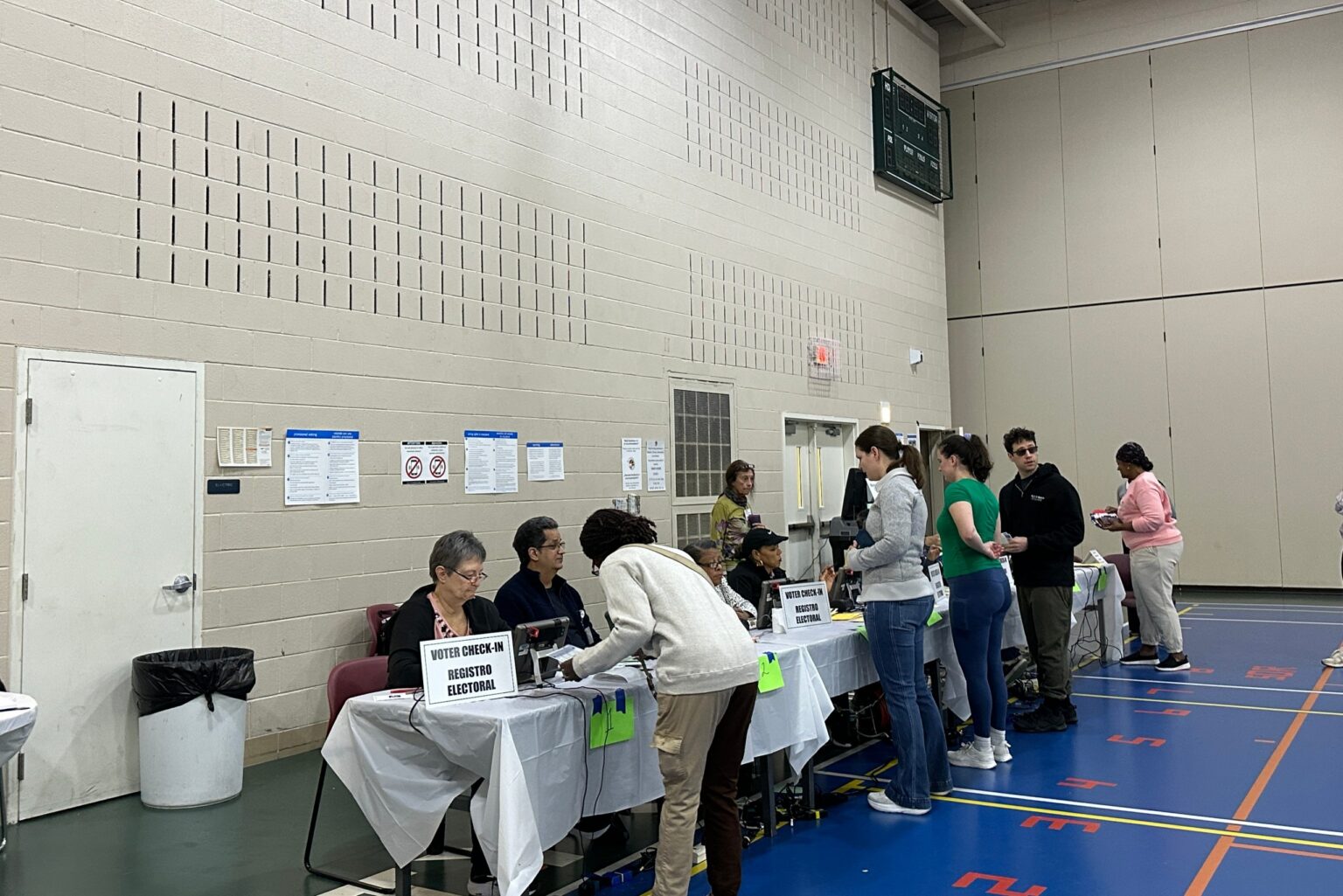
Election initiatives are rarely just about ballots and paperwork. They are also about legitimacy and trust, and about whether the rules feel stable enough that the losing side can live with the outcome.
Citizenship-only measures pass
Voters in Arkansas, Alaska, Kansas, South Dakota, and West Virginia passed measures specifying that only qualified U.S. citizens may vote in their elections.
That phrasing can sound redundant to many Americans, which is exactly why it keeps showing up as constitutional text. The initiative process can turn public signaling into enforceable language, even when existing law appears to point in the same direction.
Voter ID written into constitutions
Nevada, North Carolina, and Ohio voters approved initiatives codifying voter ID requirements in their state constitutions. Meanwhile, California and Colorado voters rejected pro-voter ID initiatives.
That split matters. “Election integrity” is not one argument. It is fifty different arguments, each filtered through a state’s political culture and trust in local administration.
Massachusetts rejects top-two primaries
Massachusetts voters rejected an initiative that sought to implement a top-two primary system for state elections, where all candidates appear on the same primary ballot and the top two vote-getters advance to the general election regardless of party.
Primary structure can function like a hidden constitution of party politics. Change it, and you can change what kinds of candidates survive.
Higher threshold for amendments fails
North Dakota and South Dakota voters rejected amendments that would have required 60% support, rather than a simple majority, for proposed state constitutional amendments.
If you believe constitutions should be harder to change than ordinary law, that 60% idea makes intuitive sense. If you believe the initiative process is the people’s emergency brake, a higher threshold can look like a permanent padlock. Either way, the electorate declined to tighten the rules this time.
Missouri limits changes to initiatives
Missouri voters passed a constitutional amendment limiting when the legislature may repeal or amend a citizen-led ballot initiative. Under the new rule, changes require that at least 80% of both the House and Senate vote to refer a proposed change to the ballot, and then voters must approve the change.
This is not just process. It is a power transfer. It takes ordinary lawmaking authority and routes it through supermajorities and statewide campaigns.
Virginia restores felon voting upon release

Virginia voters passed a constitutional amendment that automatically restores voting rights to convicted felons upon release. Previously, restoration depended on the governor’s discretion. The amendment arrives in a state where Gov. Abigail Spanberger recently restored the voting rights of roughly 66,000 previously incarcerated felons, several of whom are deceased.
Strip away the partisan noise and the constitutional question is simple: who gets to define political membership, and by what process? A governor-by-governor system can be discretionary and uneven. Automatic restoration makes it uniform and removes the executive as gatekeeper.
Still unsettled: Arizona and Alaska
Two major election-related measures remained unresolved as results continued to come in.
- Arizona: a measure requiring proof of U.S. citizenship to register to vote, mandating voter ID when casting a ballot, and banning foreign national money in elections was losing 53% to 47% with 83% of votes tabulated.
- Alaska: an initiative to repeal ranked-choice voting was losing 52% to 48% with 73% of votes tabulated.
Those margins matter, but so does what these proposals represent. One draws the circle. The other shapes how the people inside that circle translate preferences into power.
Redistricting
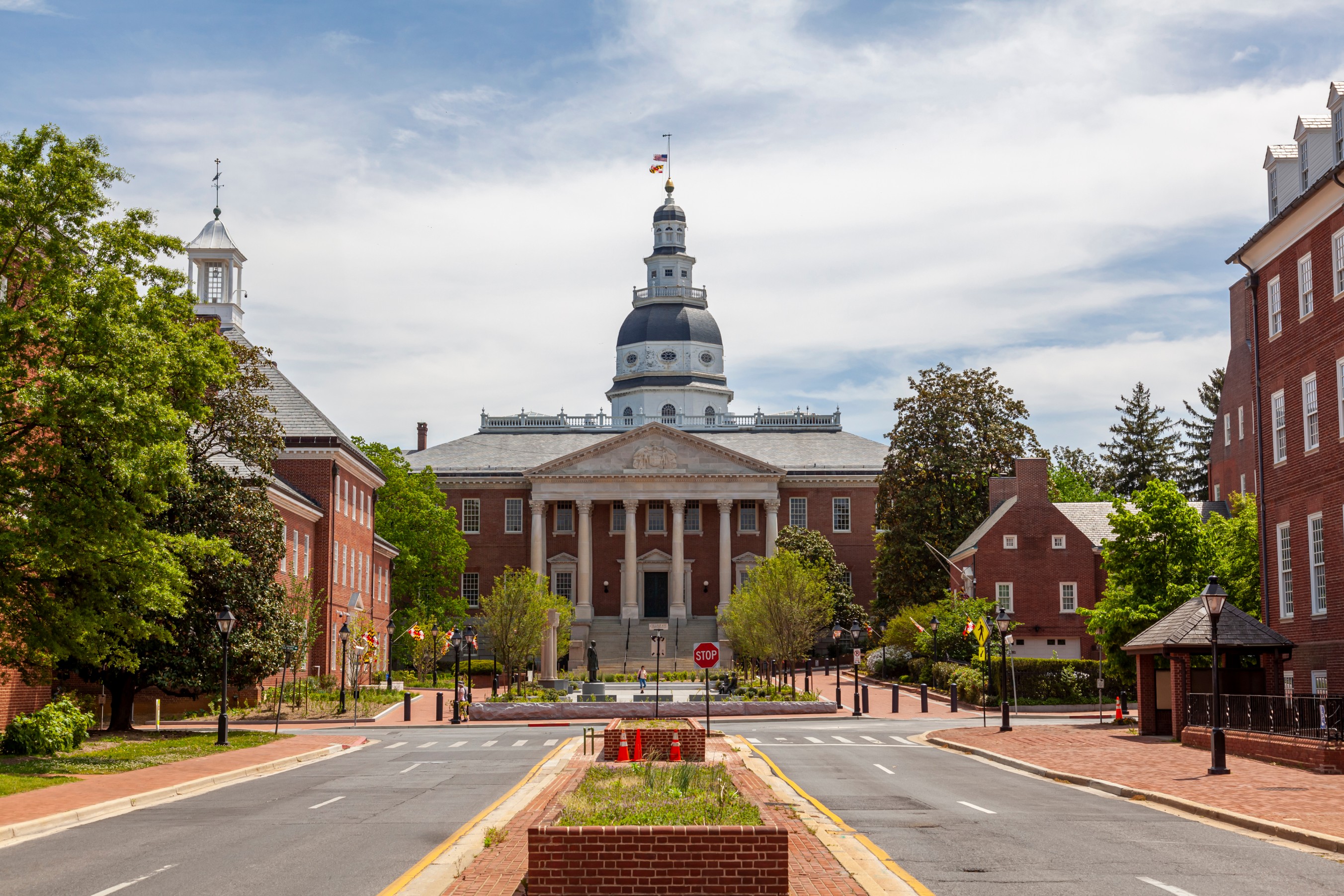
Redistricting is where democracy becomes geometry. And initiatives have become one of the main ways voters try to control that geometry when they do not trust lawmakers to do it fairly.
Missouri map referendum fails
Missouri voters overwhelmingly rejected a GOP-backed referendum that would have moved the state from a six Republican-two Democrat congressional map to a seven Republican-one Democrat map. The measure reached the ballot after a contentious legal battle in state and federal court.
The takeaway is not that partisan remaps always lose. It is that when a map fight is put directly to voters, the outcome is not guaranteed to match what party strategists expect.
Maryland proposal passes
Maryland voters approved a redistricting proposal that effectively clears the way for the Democrat-run legislature to redistrict the state’s lone Republican congressman out of office.
That is a reminder that redistricting initiatives can be used either as a restraint or as a weapon, depending on who writes the rules and what the rules permit.
Colorado mid-decade check still uncertain
In Colorado, a Republican-backed constitutional amendment aimed at limiting mid-decade redistricting remained undetermined in the initial count. Preliminary results showed it losing 53% to 47% with 75% of votes tabulated. The proposal would require that any mid-decade redistricting be approved by Colorado’s independent redistricting commission and the Colorado Supreme Court before taking effect.
This is a classic initiative design. It does not guarantee an outcome. It builds a gate.
Culture
Some initiatives do not just regulate behavior. They declare what a state believes about equality, identity, and public institutions. That is why they so often target constitutional text, not ordinary statutes.
Vermont adds LGBT protections
Vermont voters passed an initiative enshrining special protections for LGBT-identifying individuals in the state constitution. Critics argued the measure could create “different standards of equality” and could be used in conflicts involving religious beliefs about marriage and sex.
As a general matter, whenever constitutions begin listing protected categories, the next disputes can revolve around what counts as unequal treatment and in which settings.
Virginia updates marriage language
Virginia voters passed an amendment repealing provisions in the state constitution recognizing that marriage is a union between a man and a woman. It also added language preventing the commonwealth from denying marriage licenses to same-sex couples.
Old constitutional language can sit for years as a symbolic statement. Then an initiative comes along and replaces symbol with command.
Women’s sports measures
Voters in Arizona and Nebraska passed initiatives ensuring trans-identifying men cannot infringe on female athletics. The Arizona measure also barred schools and athletic associations from allowing a trans-identifying individual to use a restroom, locker room, or other “private space” that differs from the person’s sex.
Two similar measures remained unresolved in the early counts:
- Colorado: women’s sports measure leading 52% to 48% with 76% of votes tabulated.
- Washington: women’s sports measure leading 57% to 43% with 60% of votes tabulated.
Colorado: trans procedures measure still uncertain
The fate of a Colorado measure that would ban damaging “trans”-related procedures from being conducted on minors was also undetermined in early returns. Initial results showed it passing 52% to 48% with 76% of votes tabulated.
Wisconsin worship-closure limits fail
Wisconsin voters rejected an amendment that would have barred government officials from shuttering places of worship during a state of emergency, including a public health emergency.
Some voters want constitutions to anticipate the next emergency and tie government’s hands in advance. Others see that as too blunt a rule for unpredictable crises. Wisconsin chose not to constitutionalize that constraint.
Immigration and crime
Criminal law initiatives have a habit of sounding like morality plays. But their practical impact can be procedural: what standards judges apply, what discretion officials have, and what rules govern the period before trial.
Arizona cartel designation measure passes
Arizona voters passed a measure that designates drug cartels as domestic terrorist organizations and requires the state Department of Homeland Security to do “everything in its authority to address the threats posed by” drug cartels.
“Everything in its authority” is doing a lot of work there. Initiatives often draft in absolutes, and implementation can depend on what existing legal authority allows.
Arkansas reaffirms right to bear arms
Arkansas voters approved a constitutional amendment reaffirming citizens’ right to keep and bear arms.
States sometimes choose to echo rights language in their own constitutions. Sometimes it functions as a political signal. Sometimes it functions as an additional state-level legal anchor. The effect can depend on how state courts and lawmakers treat the text over time.
Indiana and Tennessee tighten bail
Voters in Indiana and Tennessee passed pro-law-and-order amendments affecting bail.
- Indiana: the constitution now permits denial of bail when “the proof is evident or the presumption strong” and when the state proves by “clear and convincing evidence” that the person poses a threat to the community.
- Tennessee: the initiative removes the right to bail for certain offenses, including a capital offense, “when the proof is evident or the presumption great.”
Those phrases are old legal standards, and that is precisely the point. In practice, disputes can turn on how judges apply words like “threat” and what evidence meets the stated burden.
What initiatives can do
I taught civics long enough to know the temptation: treat ballot measures like a menu. Pick what you like, curse what you hate, move on.
But initiatives are not just policy choices. In many states, they can become constitutional architecture.
- They can constitutionalize vague rights language, leaving future interpreters to argue over boundaries.
- They can lock in election rules, shifting what counts as compliance and what administrators must enforce.
- They can bind legislatures, as Missouri’s 80% rule does, by making some changes depend on supermajorities and statewide referenda.
- They can change criminal procedure, moving constitutional lines around bail and pretrial decision-making.
The tough question is not whether direct democracy is good or bad. It is whether we are using constitutions for what they are supposed to be: a stable framework for self-government, not a running list of everything the last election cycle made us mad about.
Quick recap
- Abortion: Idaho rejected Proposition 1; Missouri defeated a repeal of its 2024 abortion-rights amendment (projected 55% to 45%); Virginia and Nevada passed abortion amendments; Virginia faces a pending state-court challenge to ballot language and procedure.
- Elections: citizenship-only voting measures passed in Arkansas, Alaska, Kansas, South Dakota, West Virginia; voter ID constitutional measures passed in Nevada, North Carolina, Ohio; voter ID measures failed in California and Colorado; Massachusetts rejected top-two primaries; North Dakota and South Dakota rejected 60% thresholds for future constitutional amendments; Missouri adopted the 80% legislative referral rule to change initiatives; Virginia adopted automatic voting-rights restoration upon release; Arizona and Alaska measures remained unfinalized in early returns with the stated margins and tabulation percentages.
- Redistricting: Missouri rejected a congressional map referendum; Maryland approved a redistricting proposal; Colorado’s mid-decade redistricting gatekeeping proposal remained unfinalized in early returns (down 53% to 47% with 75% counted).
- Culture: Vermont added LGBT protections to its constitution; Virginia removed man-woman marriage language and protected access to same-sex marriage licenses; Arizona and Nebraska passed women’s sports measures; Colorado and Washington similar measures remained unfinalized in early returns; Colorado’s trans procedures for minors measure remained unfinalized in early returns; Wisconsin rejected limits on closing places of worship during emergencies.
- Selected immigration, guns, and crime measures: Arizona passed a cartel designation and DHS duty measure; Arkansas reaffirmed the right to keep and bear arms; Indiana and Tennessee tightened bail rules in their constitutions.