

I have sat through enough individual voir dire to know how seriously normal citizens take the job of judging another human being. That is why one question keeps nagging at me: who gets the last word in American justice?
A jury returns a death verdict. A judge enters judgment. Appeals follow: direct appeals, collateral appeals, and challenges to what the police, prosecutors, defense attorneys, and judges do and say.
And then, on Nov. 5, California Gov. Gavin Newsom used his clemency power to commute the sentences of 548 people on the state’s death row, converting those death sentences to life in prison without the possibility of parole.
You can support capital punishment or oppose it. Either way, this kind of mass commutation forces one unavoidable question: is this mercy, or is it an executive override of the people who did their civic duty and voted for death?
Join the Discussion
What changed
Let’s be clear about what a commutation does and does not do. It does not declare anyone innocent. It does not erase the verdict. It does not pretend the crime did not happen.
It changes the punishment. In this case, 548 death sentences were changed to life without parole. The inmates were not released. They were taken off death row, but they remain condemned to die in prison.
How juries reach death
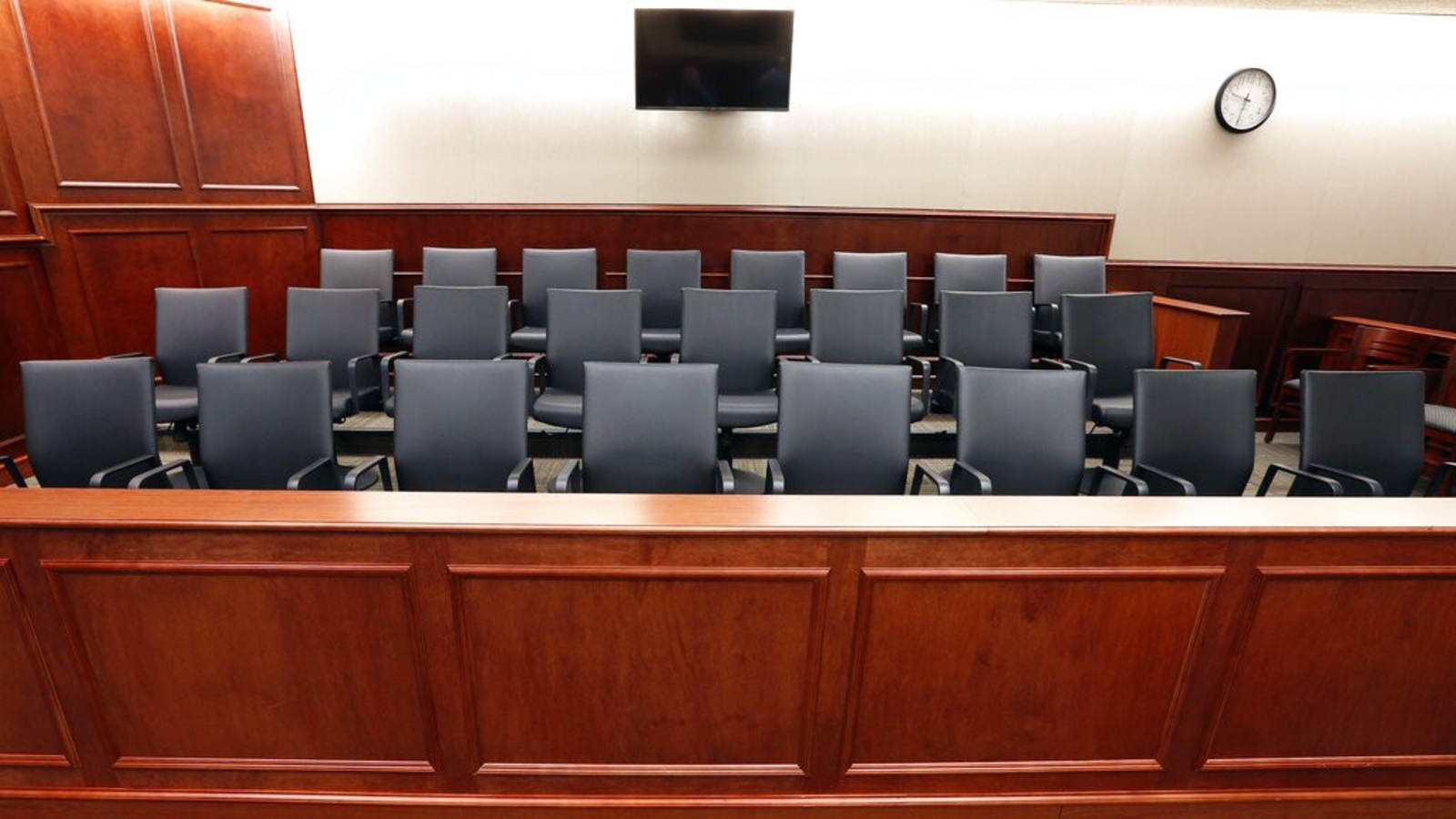
The public sometimes talks about death penalty cases like a jury just gets angry and picks death. That is not how capital punishment is designed to work.
Not all murders are eligible for the death penalty. In fact, murder alone is almost never sufficient for society’s ultimate punishment. It is generally murder plus an aggravating circumstance, such as more than one victim, the murder of a child, or murder committed during another serious crime such as burglary, rape, or robbery.
Even within the universe of capital-eligible cases, very few death sentences are sought and even fewer are given. For those that are, the process is rightfully arduous. The prosecution must convince the jury of both the underlying crimes and that death is the proper sentence. Those are separate trials. Put simply, 12 people must agree beyond a reasonable doubt twice, once on guilt and again on whether death is the proper sentence.
And before any of that, each potential juror is questioned individually about beliefs, background, and understanding of the law. You get revealing answers in voir dire. I have heard people say things like, “I don’t think I could give death to someone who killed in self-defense,” which is encouraging since killing in self-defense is not even a crime. I have heard others say, “I could give it, but only if I witnessed the killing,” not realizing that if you witnessed it, you are a witness, not a juror.
Capital cases are usually reserved for the worst offenders who commit murder plus an aggravating circumstance. In most of the cases I was involved in, no one “gave” a defendant the death penalty. They earned it, over decades of raping, robbing, and victimizing other people.
What got overruled
Supporters of these commutations can argue about morality all day. My concern is much simpler: overruling the vote of the people and replacing their judgment with one person’s judgment.
Newsom commuted 548 death sentences. Former President Joe Biden commuted 37 of the 40 people on federal death row, leaving three in place. Taken together, the result was the same: two executives singlehandedly overturning the will of 585 juries. Even allowing for the occasional bench trial in capital cases, that represents overturning the will of thousands of women and men who had carefully weighed and balanced aggravating and mitigating circumstances and found that the crimes committed so shocked the conscience as to warrant society’s ultimate punishment.
For all the talk about anti-democratic acts, what could be more anti-democratic than summarily overruling the will of people who sacrificed their time, their employment, and their innocence to listen to and view horrific fact patterns?
Were the men Newsom spared factually or legally innocent? Of course not. If they were, they would not have been on death row to begin with.
Victims and the message
There is another reality that gets lost in the politics of all this. Each death sentence represents a case where a jury concluded the crimes were so shocking that society’s ultimate punishment was warranted.
When an executive wipes out death row in bulk, it is not just a legal act. It is a message, whether intended or not, to the families of every victim in those cases. Did Newsom consult the families of all the victims? Doubtful. Did he carve out exceptions for the most depraved inmates? Of course not. Did he carve out exceptions for those who had incurred additional infractions while incarcerated? By no means.
Biden comparison
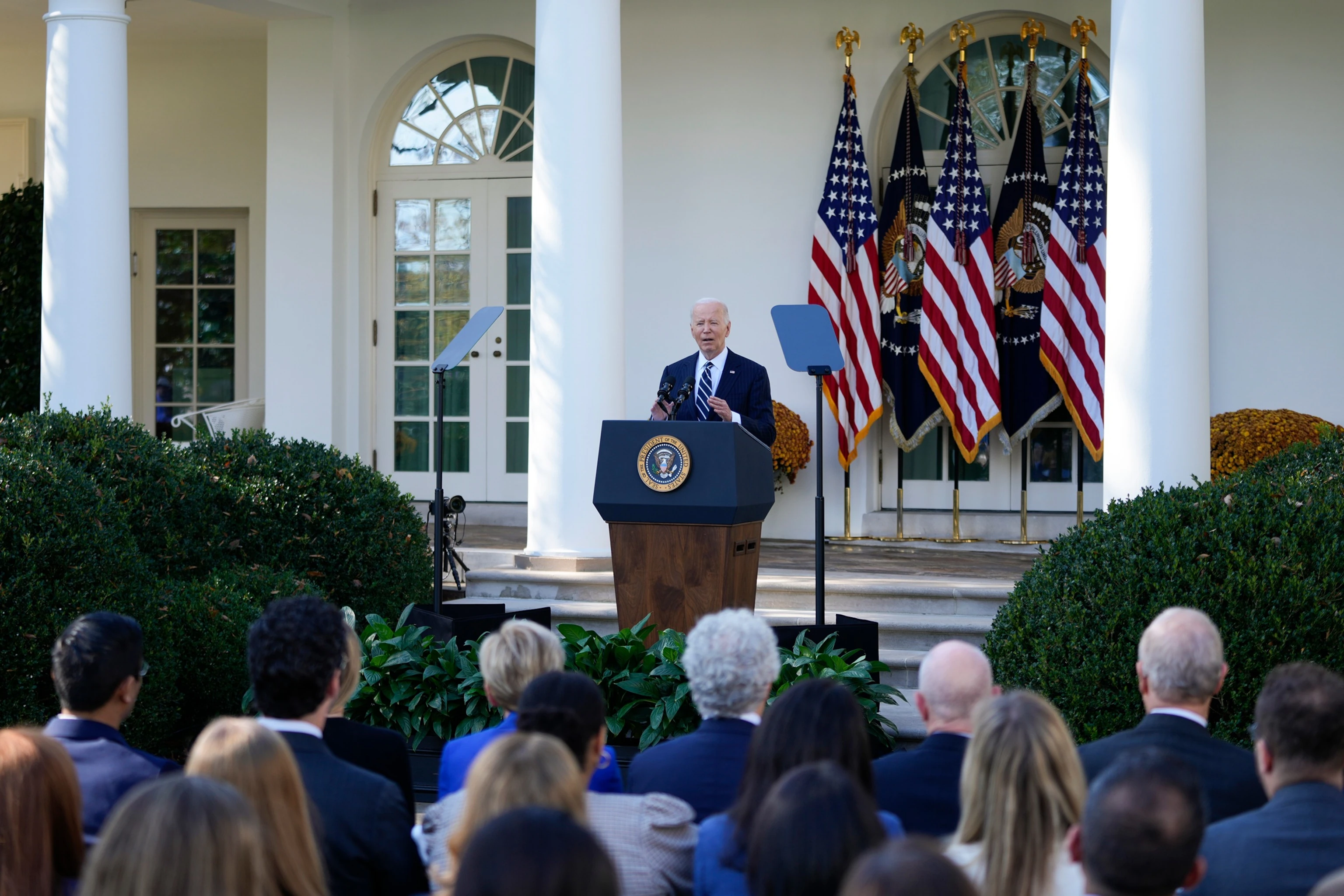
This is not just a California fight. Biden commuted 37 of the 40 people on federal death row, leaving three in place.
He left the person who murdered nine Black Christians in a South Carolina church on federal death row. He left the Boston Marathon bomber. He left the man who killed 11 people at a Pittsburgh synagogue.
The method matters. Newsom made no carve-outs. Biden did. But the common thread is the same: executive action that sweeps aside what jurors unanimously voted to do after hearing the evidence.
The bottom line
Both Biden and Newsom waited until the last minute to undo what over 7,000 people had voted unanimously to do. People can have whatever views on capital punishment they want. I have family and friends who feel passionately on both sides of the issue. The more passion you have, the less likely you are to be trusted to serve dispassionately on a jury.
I could not care less what Newsom’s opinion on capital punishment is. I do care when anyone overrules the vote of the people and summarily supplants their judgment with his own. That does damage to the rule of law and besmirches the memory of the lives lost in every one of these murder cases.