
When people argue about “election integrity,” they often skip past the least glamorous part of the system: who physically controls the ballots, and under what rules.
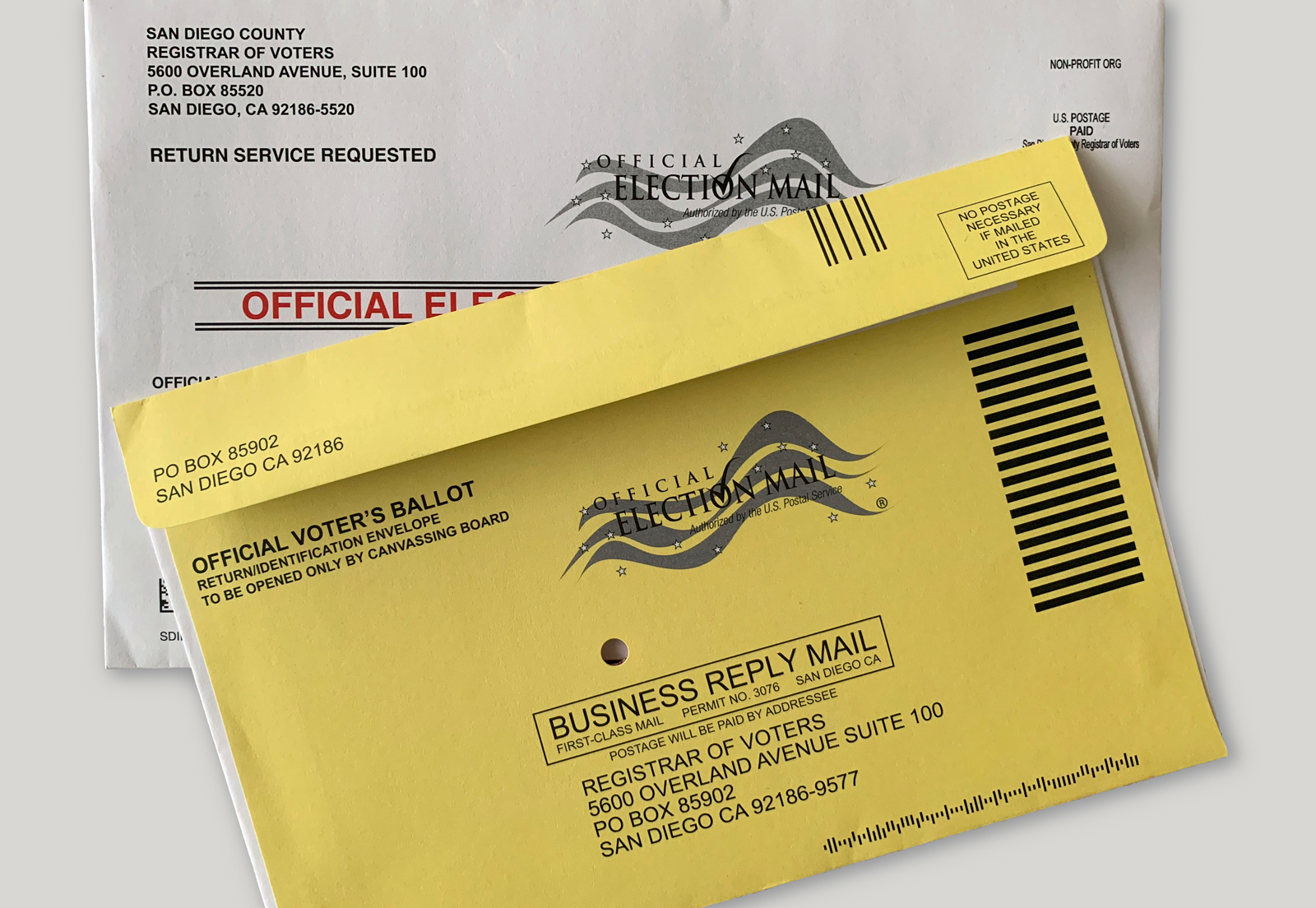
Ballots are paper, but they are also process. The legitimacy of an election depends not only on how votes are counted, but on whether the public can trust that ballots were handled under clear, neutral procedures, such as seals, logs, controlled access, and documented handoffs, designed to prevent tampering, coercion, and selective access.
This explainer focuses on ballot chain of custody, why courts guard it so closely, and where law enforcement fits.
Join the Discussion
What chain of custody means
“Chain of custody” is the paper trail for the paper.
In elections, it means a set of legally defined steps, with designated officials and documented handoffs, that govern how ballots are collected, transported, stored, processed, and retained. The goal is to make ballot handling boring on purpose. The less improvisation, the fewer opportunities for mistakes or manipulation, and the fewer reasons for the public to doubt the result.
The details vary by state and can differ for in-person ballots versus vote-by-mail. But the basic idea is consistent: limit who handles ballots, record when custody changes, and keep access controlled and auditable.
Why custody is not just logistics
Ballot custody sits at the intersection of two fragile values:
- Ballot security, meaning protection against theft, alteration, destruction, or selective access.
- Ballot secrecy, meaning voters should be able to cast a ballot without later being exposed, pressured, or punished.
When ballots leave the custody channel defined by election law, the danger is not only what someone might do. The danger is what the public can reasonably fear might have happened once ballots left the election administrator’s control.
Even if no wrongdoing occurs, a break in custody can impose immediate legitimacy costs. It creates new access points, new handlers, and new uncertainty about who had possession when. Those doubts can turn into litigation, recount complications, or simply a result that fewer people accept as final.
Why courts guard ballot handling
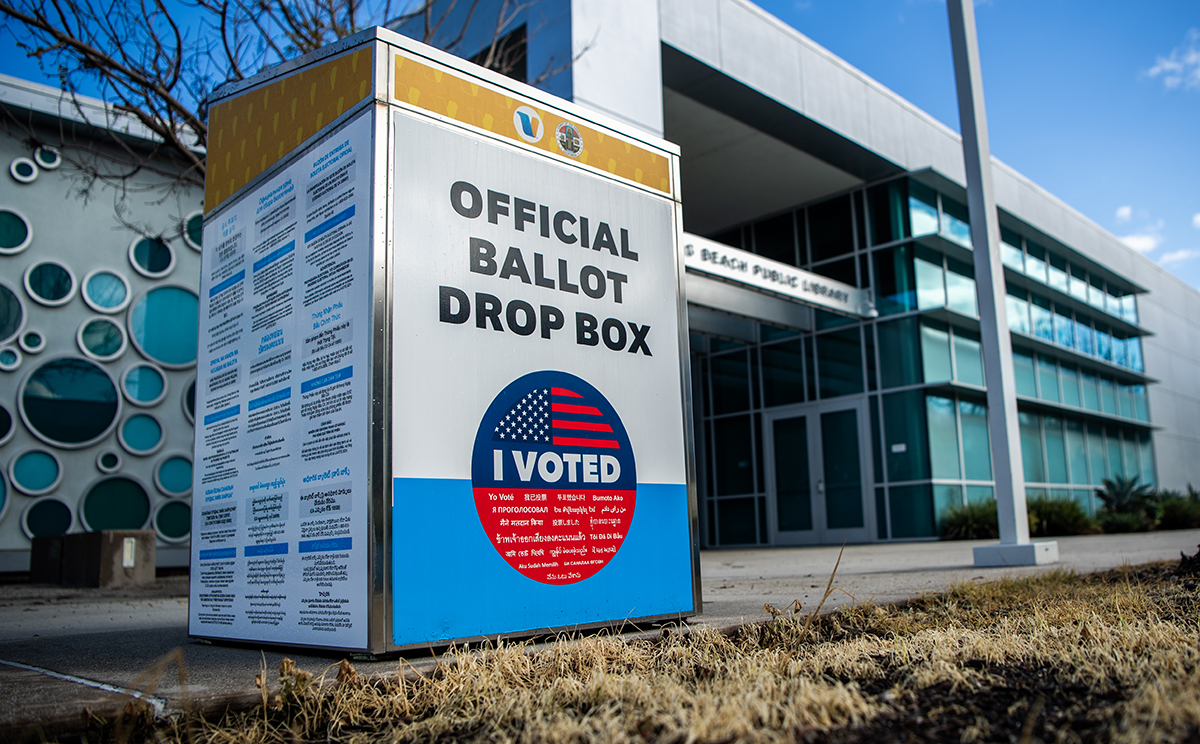
Election codes typically specify who may possess ballots, how they are transported and stored, and what happens if ballots must be moved, inspected, or produced in litigation. In many states and many cases, judges treat ballots as a special category of government-held material because elections are one of the few areas where procedure is inseparable from outcome.
A common anchor point is the way courts handle evidence preservation. When election materials are relevant to a dispute, courts often use familiar tools like preservation orders and supervised inspection protocols to keep control, limit access, and maintain a clear record of who touched what, when.
This is why courts often move quickly when a unilateral action changes custody without a clear legal path. In election disputes, the system is protecting not only the ballots, but also the credibility of the count and the finality of the result.

State rules and local roles
Elections are run locally, but the rules are state law.
For federal elections, the Elections Clause assigns authority over the “Times, Places and Manner” of congressional elections to state legislatures, subject to federal constitutional limits and Congress’s power to make or alter those regulations at any time. In practice, legislatures set the framework and then state executive officials, such as secretaries of state, and state courts help implement and interpret it through statutes, regulations, and litigation.
For state and local elections, authority is rooted in state constitutions and statutes. Either way, states build the legal infrastructure, then delegate day-to-day administration to local election officials.
Those election officials are typically the county registrar of voters, county clerk, or a local board of elections. Statutes commonly place them in charge of ballot receipt, storage, processing, and retention, along with the logs and access controls that make later audits, recounts, and court review possible.
That matters because county officials, including sheriffs, operate inside a framework of state law. A sheriff has real power, but it is not free-floating power. When it comes to ballots, election codes generally place custody responsibilities with election administrators under procedures designed for neutrality and auditability.
So the core question in any custody dispute is not “Can law enforcement investigate wrongdoing?” Of course. The question is “Can law enforcement take or keep custody of ballots in a way that displaces the election officials and custody procedures that state law assigns to administer elections?”

Where law enforcement fits
There is a lawful way to investigate election-related wrongdoing without improvising ballot custody.
Procedures vary by state and by the allegations involved, but courts frequently require strict handling protocols when ballots must be accessed. Depending on the situation, that can include court-supervised steps such as subpoenas, protective orders, and limited production or inspection protocols that preserve seals, logging, and access controls.
In rarer circumstances, it can include warrants where the legal standard is met and the execution plan accounts for election-code custody requirements, including inventories and documented handoffs. The point is not to block investigations. The point is to keep investigations from rewriting the election system’s custody rules midstream.
Two meanings of “secure the ballots”
Election disputes often arrive with a familiar narrative: if there is suspicion, someone must “secure the ballots.” The trouble is that “secure” can mean two different things.
One model is process security: keep ballots under the legally designated custody rules so that everyone, including the losing side, can verify that handling was neutral and documented.
Another model is control security: move ballots under the authority of a particular office on the theory that the existing administrators cannot be trusted.
The second model can feel decisive in the moment and corrosive over time. If suspicion becomes a tool for custody transfer, then elections become easier to contest and harder to conclusively finish. Courts that intervene in custody disputes are usually choosing the first model: enforce the system’s custody rules, not improvised custody shifts.
What to watch in real disputes
When a real-world conflict erupts over ballot possession, the legal and practical issues tend to repeat. The details vary by state and circumstance, but the same questions come up:
- Authority: What statute or court order authorizes the requested access or transfer?
- Scope: How many ballots or which specific batches are at issue, and why?
- Controls: What seals, logs, inventories, and supervised handling procedures will apply?
- Secrecy: How will voter privacy be protected during any inspection?
- Retention: How will statutory retention rules be satisfied so recounts, audits, and election contests remain possible?
- Remedies: If custody changed improperly, what order restores lawful control and limits further disruption?
The deeper lesson is uncomfortable but clarifying: in a system that depends on procedures, legitimacy can be damaged through process violations even when nobody can prove a single ballot was changed. The point of the rules is to keep us from having to guess.